Review
. 2023 Jan 23;13(5):3210-3233.
doi: 10.1039/d2ra08284e. eCollection 2023 Jan 18.

Flavonoids and related privileged scaffolds as potential urease inhibitors: a review

Affiliations
Review

Flavonoids and related privileged scaffolds as potential urease inhibitors: a review

Munirah M Al-Rooqi et al. RSC Adv. .

Abstract

Infections caused by bacteria are a significant issue on a global scale, and imperative action is required to discover novel or improved therapeutic agents. Flavonoids are a class of plant-derived compounds that have a variety of potentially useful bioactivities. These activities include immediate antimicrobial properties, synergistic effect with antimicrobials, ferocious repression of pathogenicity, anti-urease activity etc. This review summarizes current studies concerning anti-urease actions of flavonoids as well as structural-activity correlation investigations of the flavonoid core structure. It is possible that if researchers investigate the many structural changes that may be made in flavonoid rings, they'll be able to build up novel compounds that have powerful and effective anti-urease properties.


Conflict of interest statement

There are no conflicts to declare.

Figures

Scheme 1
Scheme 1. Hydrolysis of urea via urease.
Fig. 1
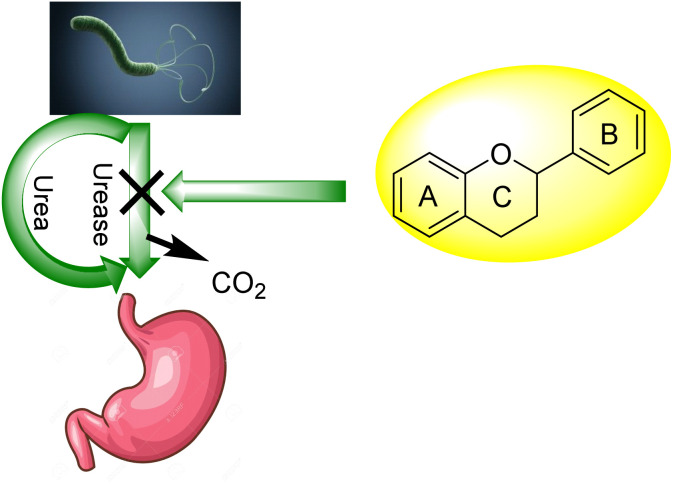
Fig. 1. Flavonoid activity against H. Pylori.
Fig. 2
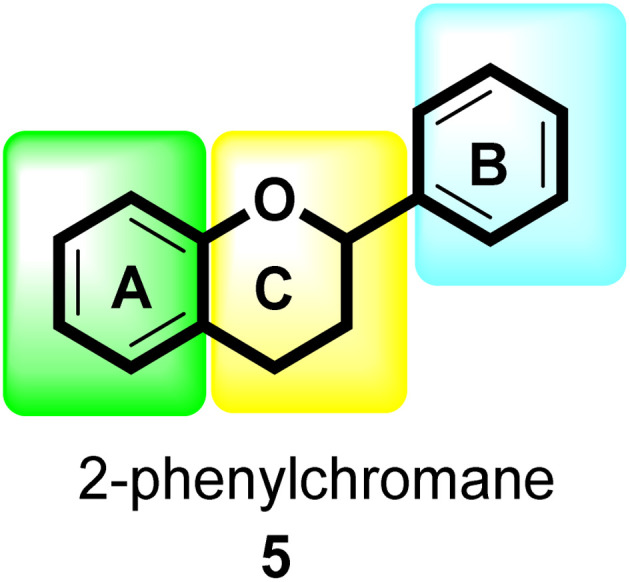
Fig. 2. General flavonoid (2-phenylchromane) scaffold.
Scheme 2
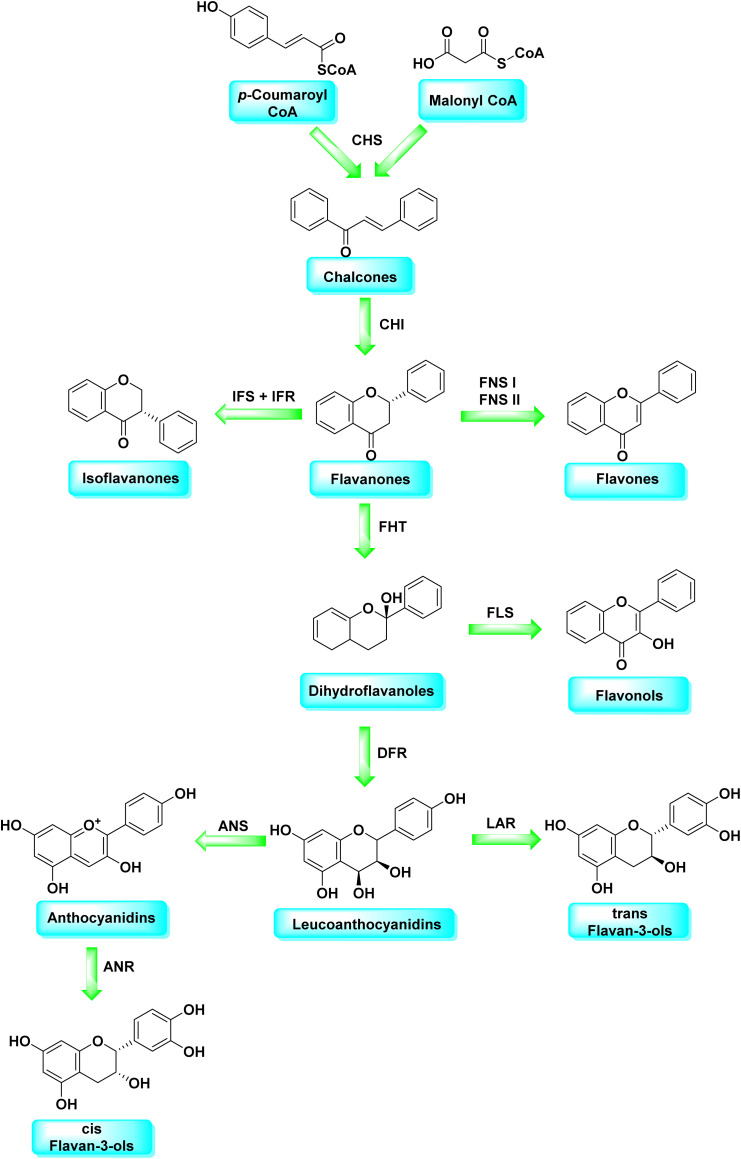
Scheme 2. Flavonoids biosynthetic pathway.
Fig. 3
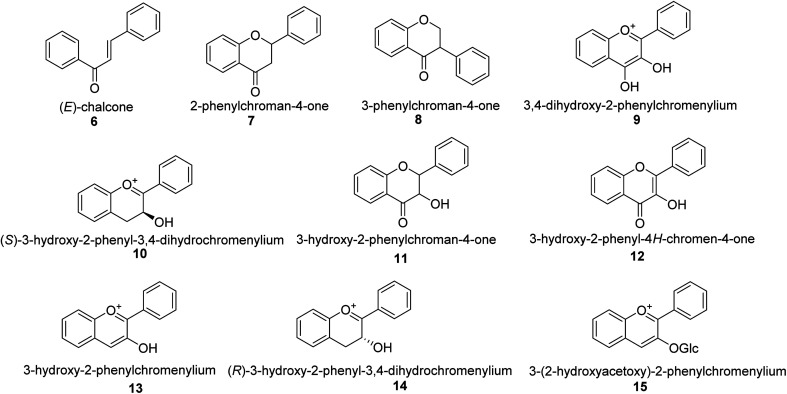
Fig. 3. Chemical structures of different subclasses of flavonoids.
Fig. 4
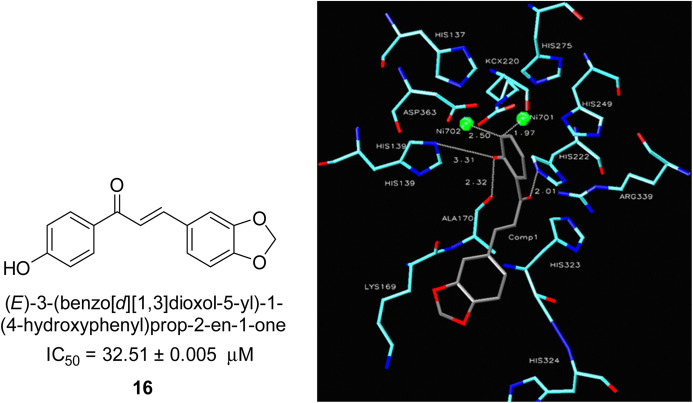
Fig. 4. Chemical structure and docking image of chalcone 16 and its urease inhibition. The molecule in gray is the ligand with the active site residues. Metals are represented in green.
Fig. 5
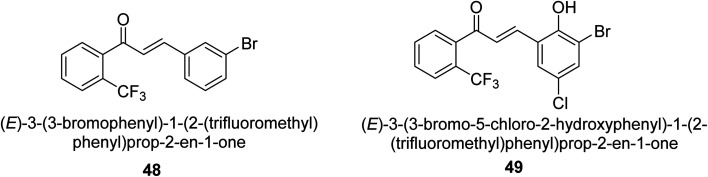
Fig. 5. Structures of chalcone-based urease inhibitors.
Fig. 6
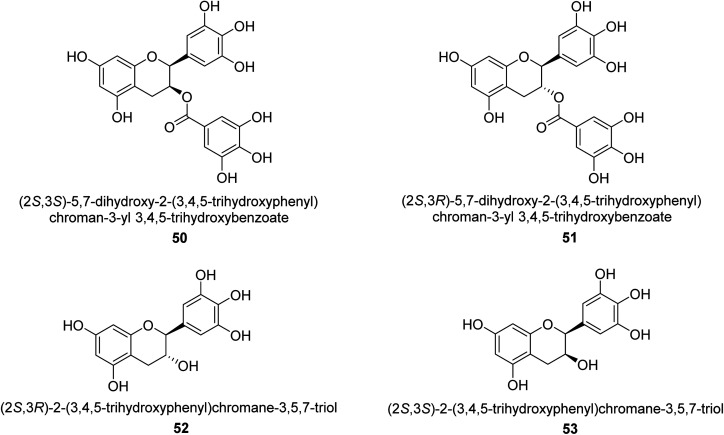
Fig. 6. Structures of catechins-based urease inhibitors.
Fig. 7
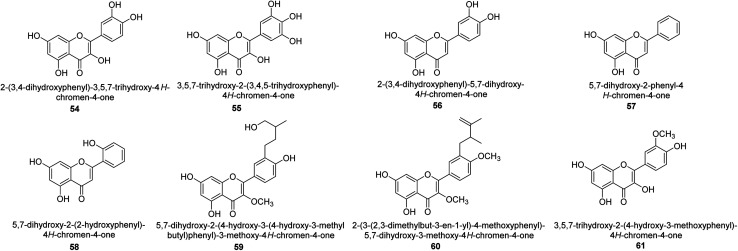
Fig. 7. Structures of flavone-based urease inhibitors.
Fig. 8
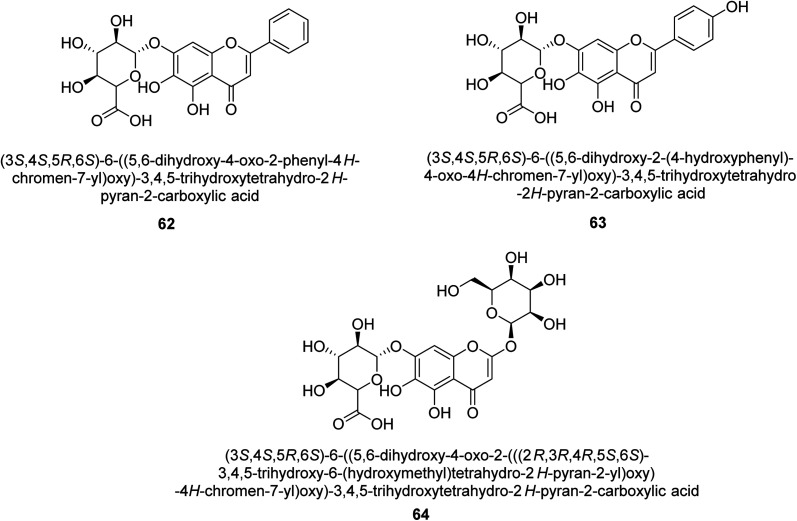
Fig. 8. Structures of flavone glucuronide-based urease inhibitors.
Fig. 9
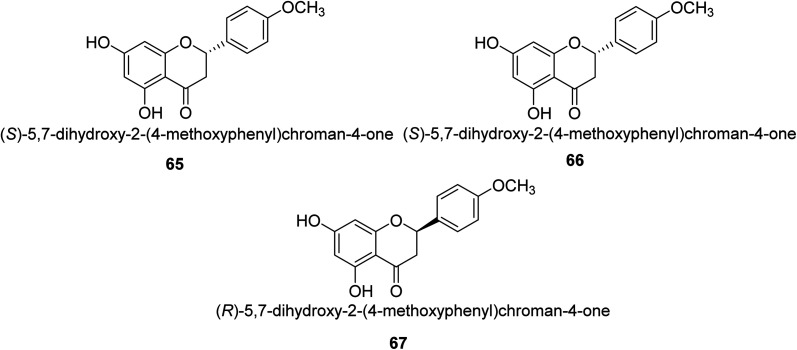
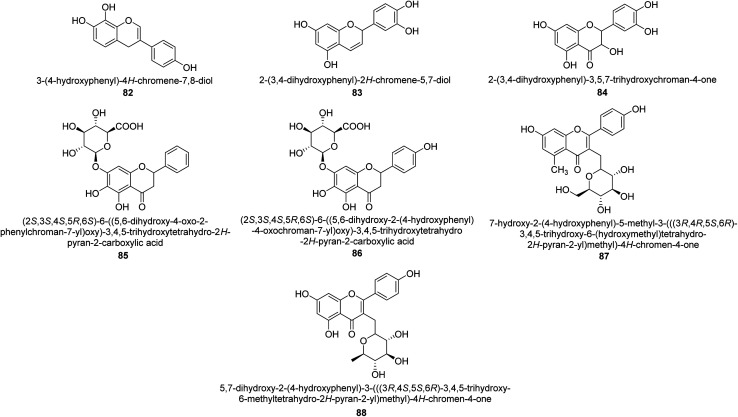
Fig. 9. Structures of substituted flavanone-based urease inhibitors.
Fig. 10
Fig. 10. Structure of flavanone-based urease inhibitor.
Fig. 11
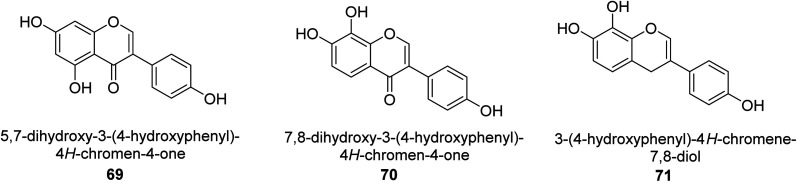
Fig. 11. Structures of isoflavonoid-based urease inhibitors.
Fig. 12
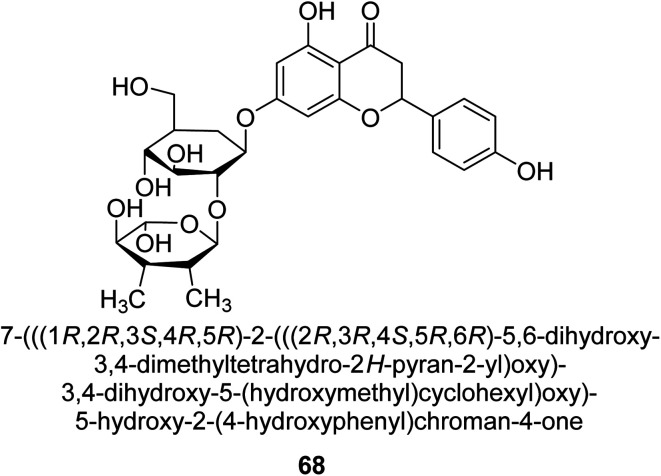
Fig. 12. Flavonoid glycosides-based urease inhibitors.
Fig. 13
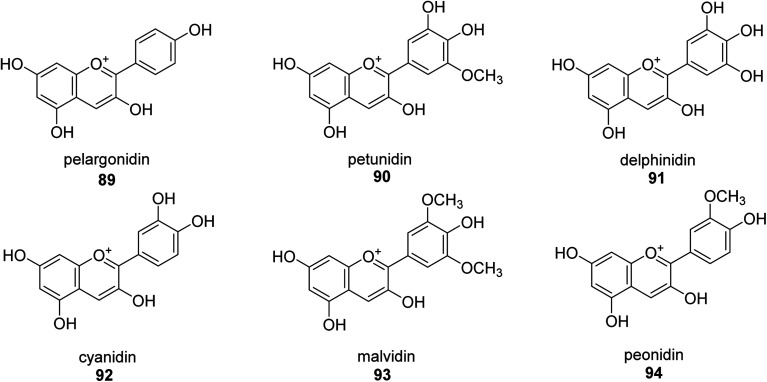
Fig. 13. Structures of assorted anthocyanins-based urease inhibitors.
Scheme 3
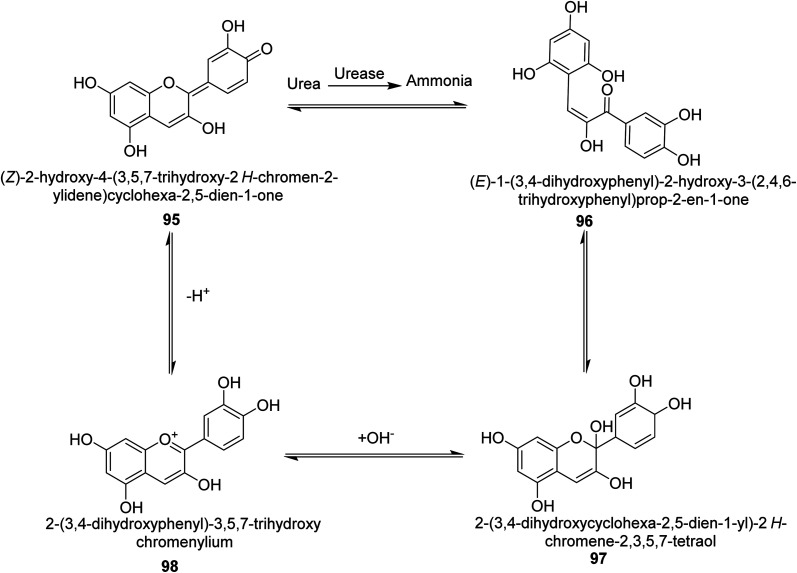
Scheme 3. A mechanism for the colorimetric detection of urea using anthocyanin extract from red-cabbage.
Fig. 14
Fig. 14. Structure of flavanenol-based urease inhibitor.
Fig. 15
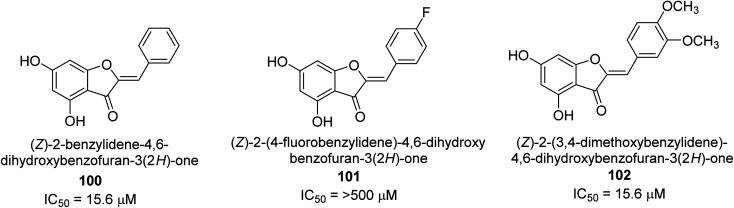
Fig. 15. Structures of aurone-based urease inhibitors.
Fig. 16
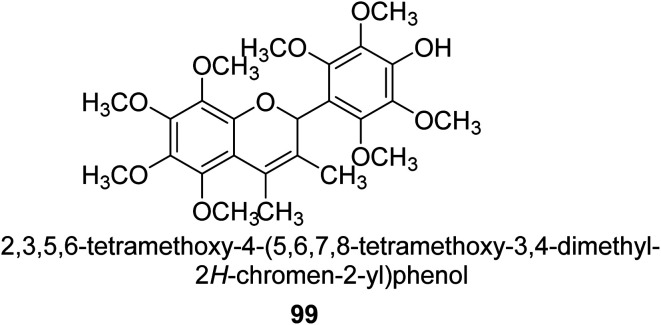
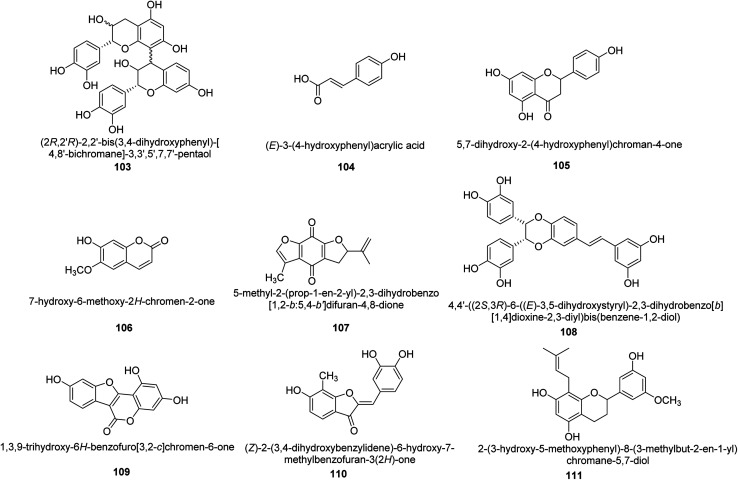
Fig. 16. Structures of various urease inhibitors.
Fig. 17
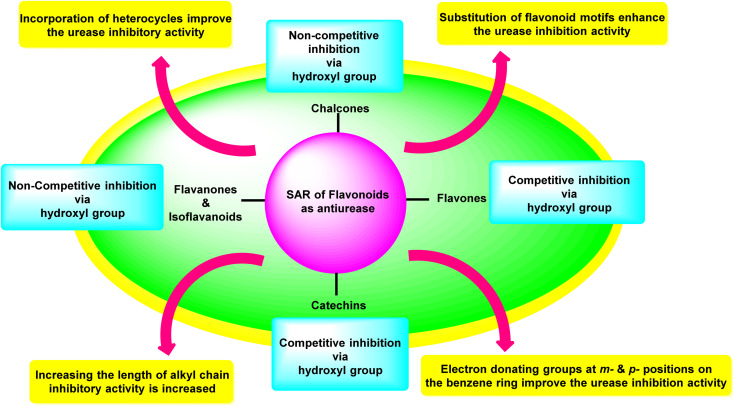
Fig. 17. Structure–activity relationship of flavonoids as anti-urease agents.
None
Ehsan Ullah Mughal
None
Saleh A. Ahmed

References

    1. Mobley H. Island M. D. Hausinger R. P. Microbiol. Rev. 1995;59:451–480. - PMC - PubMed
    1. Burne R. A. Chen Y.-Y. M. Microbes Infect. 2000;2:533–542. - PubMed
    1. Krajewska B. J. Mol. Catal. 2009;59:9–21.
    1. Balasubramanian A. Ponnuraj K. J. Mol. Biol. 2010;400:274–283. - PubMed
    1. Carlsson H. Nordlander E. Bioinorg. Chem. Appl. 2010;20(10):549–560. - PMC - PubMed

LinkOut - more resources