


Development and validation of the lung donor (LUNDON) acceptability score for pulmonary transplantation
- PMID: 36764887
- PMCID: PMC10234600
- DOI: 10.1016/j.ajt.2022.12.014
Development and validation of the lung donor (LUNDON) acceptability score for pulmonary transplantation
Abstract
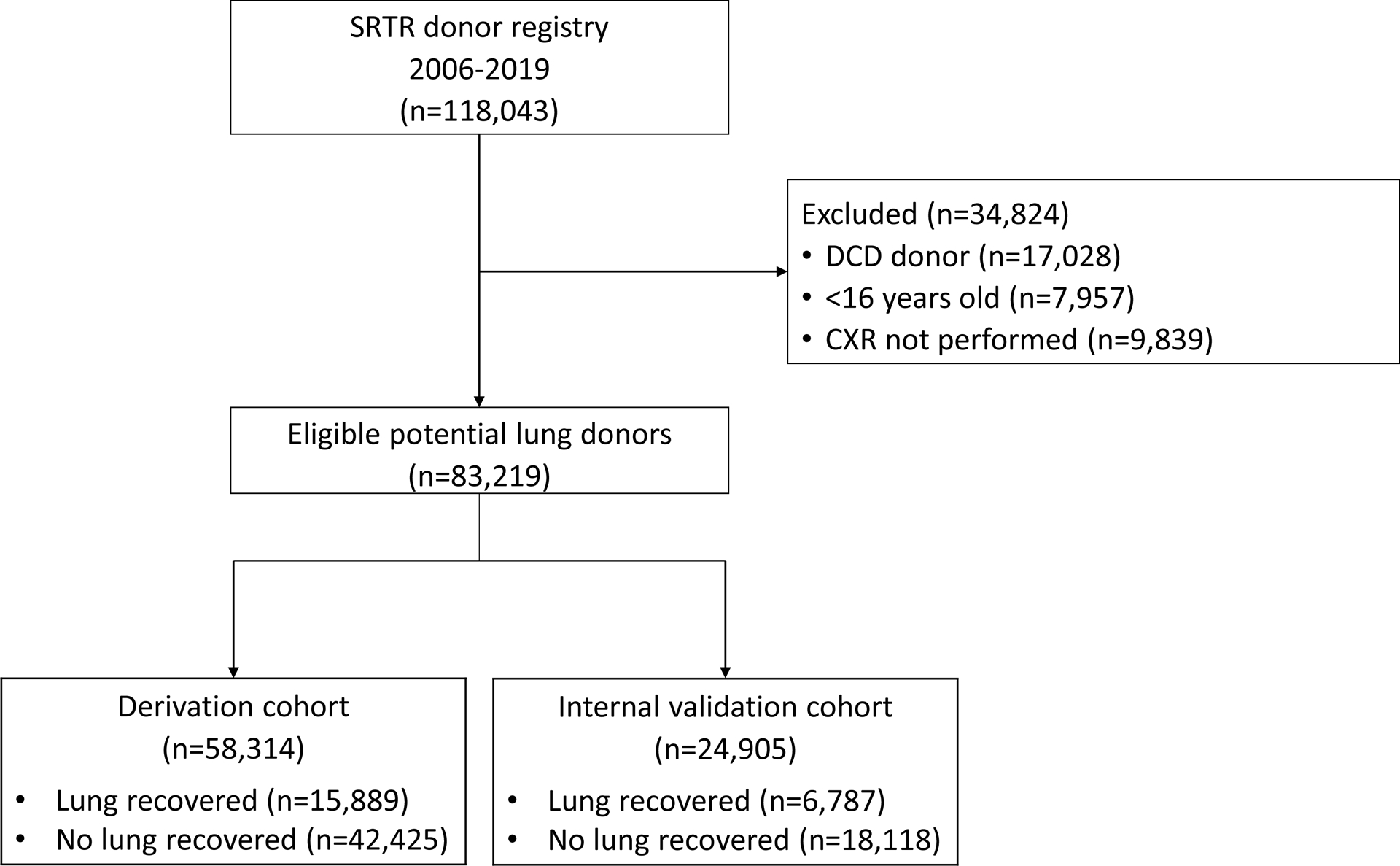
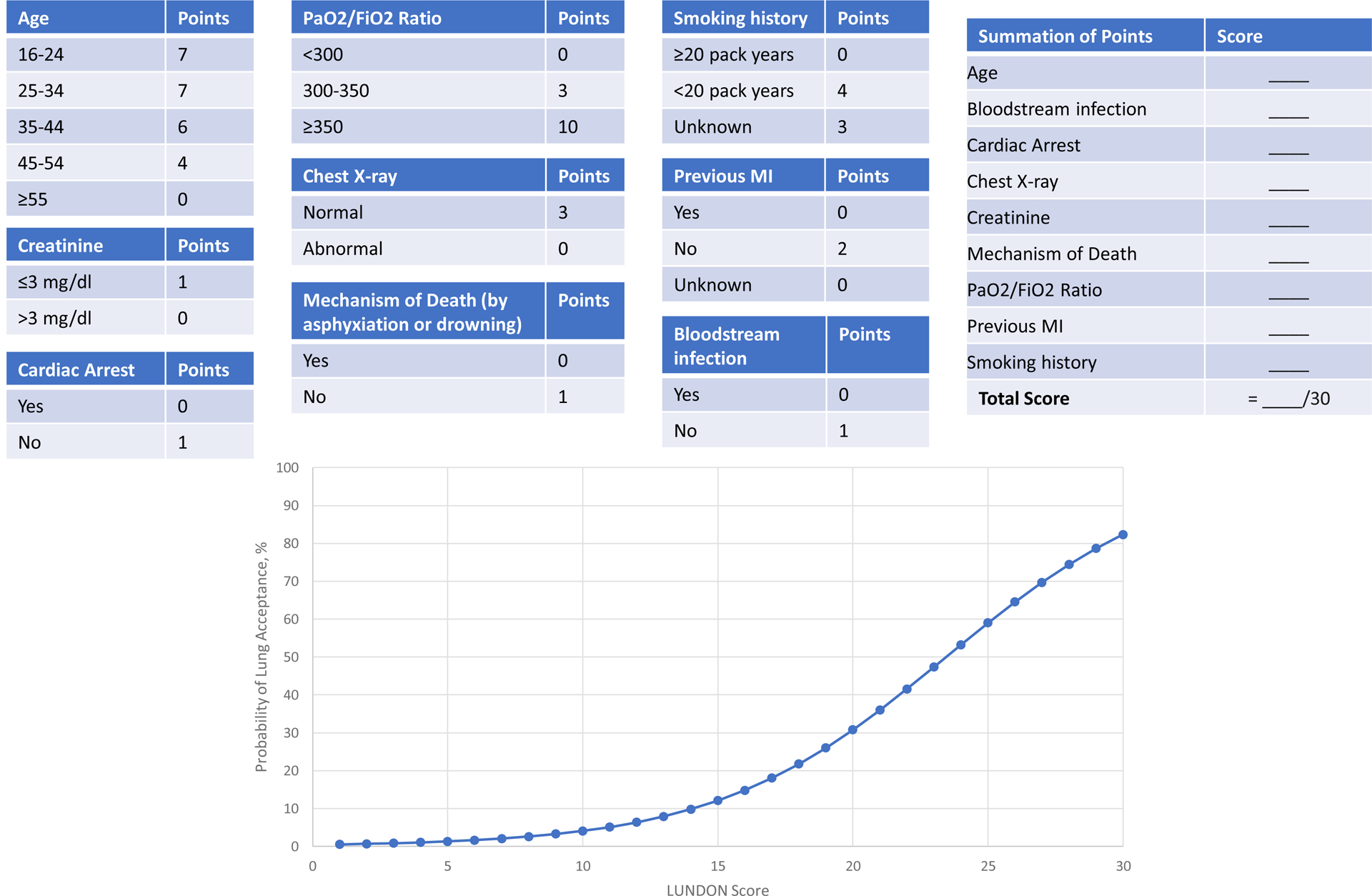
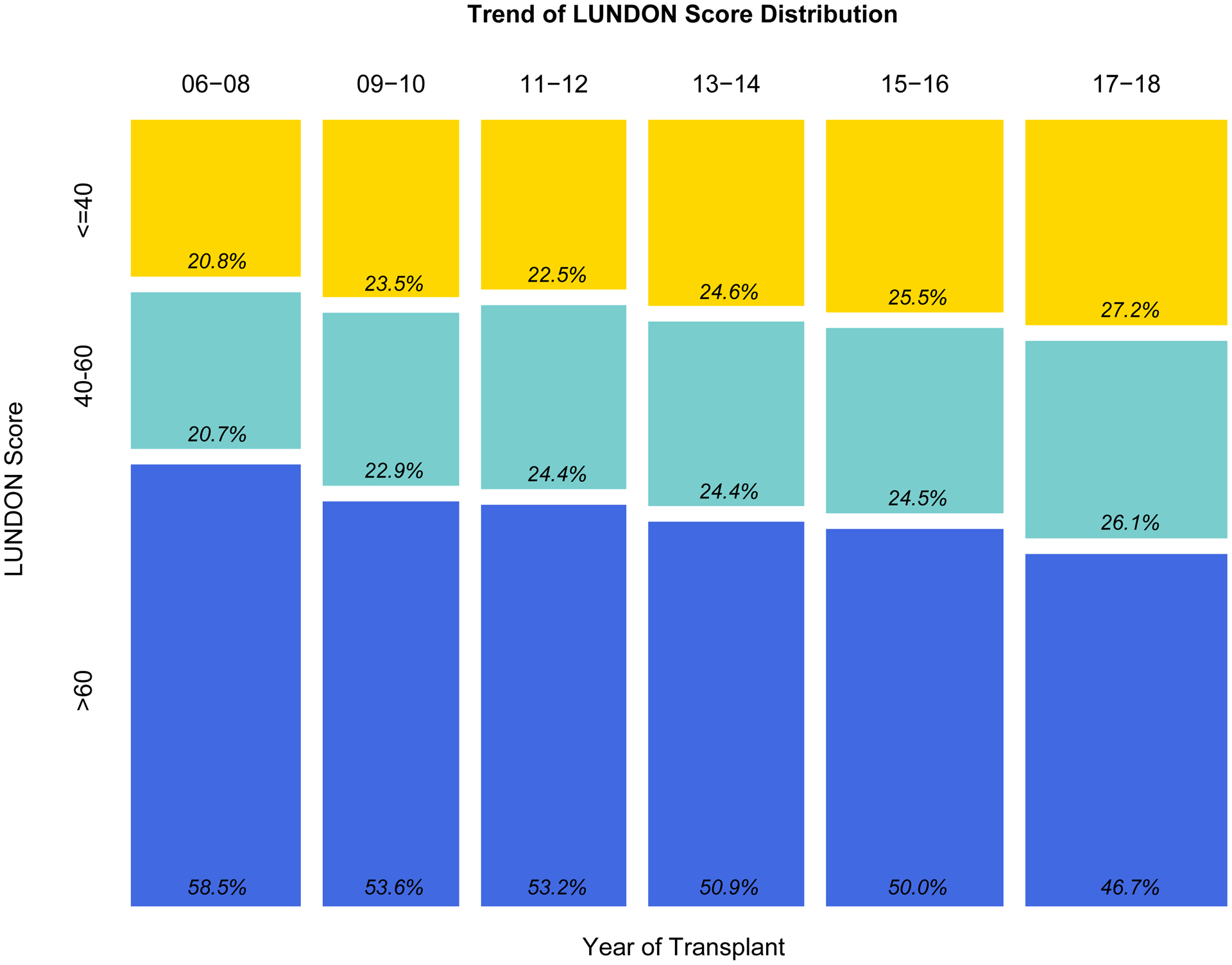
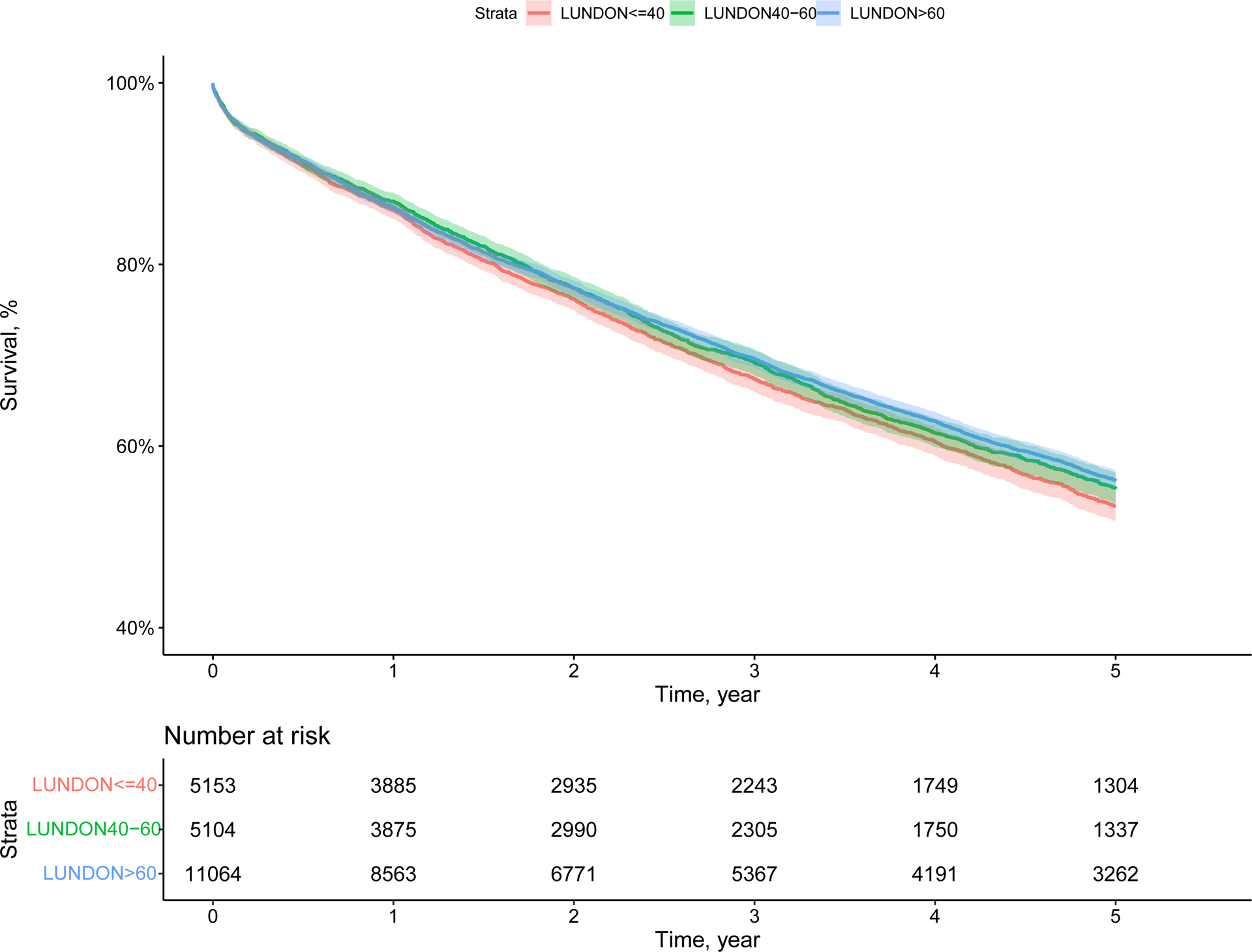
There is a chronic shortage of donor lungs for pulmonary transplantation due, in part, to low lung utilization rates in the United States. We performed a retrospective cohort study using data from the Scientific Registry of Transplant Recipients database (2006-2019) and developed the lung donor (LUNDON) acceptability score. A total of 83 219 brain-dead donors were included and were randomly divided into derivation (n = 58 314, 70%) and validation (n = 24 905, 30%) cohorts. The overall lung acceptance was 27.3% (n = 22 767). Donor factors associated with the lung acceptance were age, maximum creatinine, ratio of arterial partial pressure of oxygen to fraction of inspired oxygen, mechanism of death by asphyxiation or drowning, history of cigarette use (≥20 pack-years), history of myocardial infarction, chest x-ray appearance, bloodstream infection, and the occurrence of cardiac arrest after brain death. The prediction model had high discriminatory power (C statistic, 0.891; 95% confidence interval, 0.886-0.895) in the validation cohort. We developed a web-based, user-friendly tool (available at https://sites.wustl.edu/lundon) that provides the predicted probability of donor lung acceptance. LUNDON score was also associated with recipient survival in patients with high lung allocation scores. In conclusion, the multivariable LUNDON score uses readily available donor characteristics to reliably predict lung acceptability. Widespread adoption of this model may standardize lung donor evaluation and improve lung utilization rates.
Keywords: clinical research/practice; donor selection; donors and donation; health services and outcomes research; lung transplant; lung transplantation/pulmonology; organ procurement; organ procurement and allocation.
Copyright © 2023 American Society of Transplantation & American Society of Transplant Surgeons. Published by Elsevier Inc. All rights reserved.
Figures
References
-
- Valapour M, Skeans MA, Heubner BM, et al. OPTN/SRTR 2012 Annual Data Report: Lung. Am J Transplant. 2014,14:139–165. - PubMed
-
- Valapour M, Lehr CJ, Skeans MA, et al. OPTN/SRTR 2017 Annual Data Report: Lung. Am J Transplant. 2019,19:404–484. - PubMed
-
- Copeland H, Hayanga JWA, Neyrinck A, et al. Donor heart and lung procurement: A consensus statement. J Hear Lung Transplant. 2020,39:501–517. - PubMed
-
- Reyes KG, Mason DP, Thuita L, et al. Guidelines for Donor Lung Selection: Time for Revision? Ann Thorac Surg. 2010,89:1756–1765. - PubMed
-
- Sundaresan S, Semenkovich J, Ochoa L, et al. Successful outcome of lung transplantation is not compromised by the use of marginal donor lungs. J Thorac Cardiovasc Surg. 1995,109:1075–1080. - PubMed
Publication types
MeSH terms
Grants and funding
LinkOut - more resources
Full Text Sources
Medical
