


Stressors and Impact of the COVID-19 Pandemic on Vulnerable Hispanic Caregivers and Children
- PMID: 36767218
- PMCID: PMC9914744
- DOI: 10.3390/ijerph20031838
Stressors and Impact of the COVID-19 Pandemic on Vulnerable Hispanic Caregivers and Children
Abstract
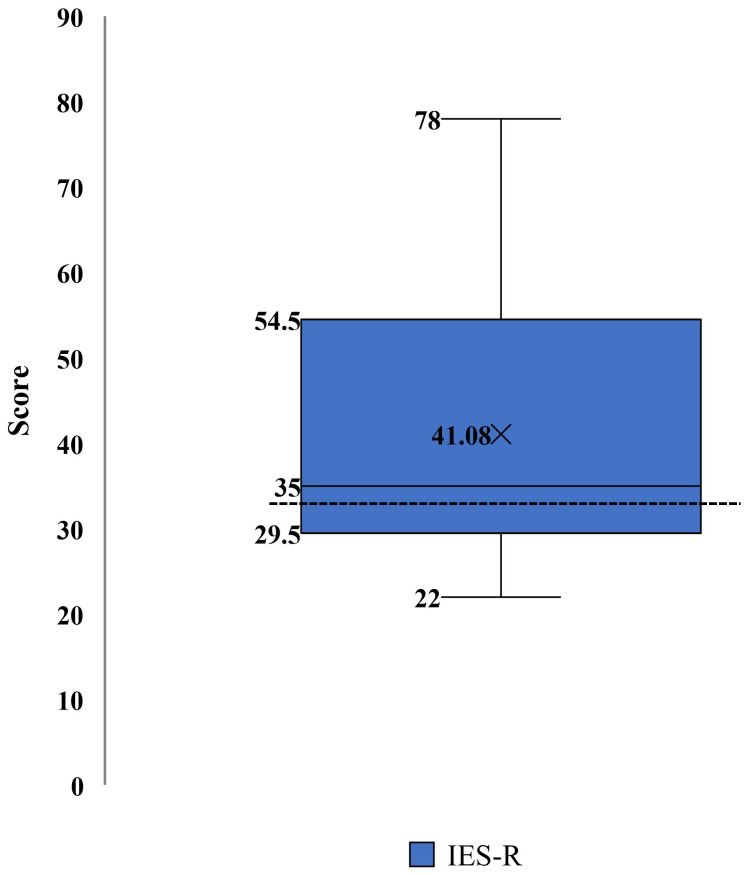
Psychological sequelae are important elements of the burden of disease among caregivers. Recognition of the impact of adversity and stress biomarkers is important to prevent mental health problems that affect rearing practices and child well-being. This cross-sectional study explored social determinants of health (SDoH)-mediated stressors during COVID-19 and risks for mental health problems among caregivers of children with prenatal Zika virus exposure. Twenty-five Hispanic caregivers completed surveys assessing SDoH vulnerabilities, COVID-exposures and impact, post-traumatic stress disorder (PTSD) symptomatology, and provided a hair sample for cortisol concentration (HCC). Most caregivers had low education, household income < $15,000/year, and were unemployed. Stressors included disrupted child education and specialized services, and food insecurity. While most reported PTSD symptomatology, multivariate linear regression models adjusted for the caregiver's age, education, and the child's sex, revealed that caregivers with high symptomatology had significantly lower HCC than those with low symptomatology and those with food insecurity had significantly higher HCC than participants without food insecurity. The impact of COVID-19 on daily life was characterized on average between worse and better, suggesting variability in susceptibility and coping mechanisms, with the most resilient identifying community support and spirituality resources. SDoH-mediators provide opportunities to prevent adverse mental health outcomes for caregivers and their children.
Keywords: COVID-19 impact; Hispanic; caregivers; hair cortisol; post-traumatic stress disorder symptomatology; vulnerable children.
Conflict of interest statement
The authors declare no conflict of interest. The National Institutes of Health—National Institute of Minority Health and Health Disparities had no role in the design, execution, interpretation, or writing of the study. The opinions shared by the authors do not represent the opinions of the National Institute on Minority Health and Health Disparities, the National Institutes of Health, or the U.S. federal government.
Figures
References
-
- Center on the Developing Child The Impact of Early Adversity on Child Development (InBrief) [(accessed on 15 May 2022)]. Available online: www.developingchild.harvard.edu.
-
- Delardas O., Kechagias K.S., Pontikos P.N., Giannos P. Socio-Economic Impacts and Challenges of the Coronavirus Pandemic (COVID-19): An Updated Review. Sustainability. 2022;14:9699. doi: 10.3390/su14159699. - DOI
Publication types
MeSH terms
Grants and funding
LinkOut - more resources
Full Text Sources
Medical
