Review
. 2023 Jan 31;13(3):574.
doi: 10.3390/nano13030574.

Nanoparticles: Taking a Unique Position in Medicine

Affiliations
Review

Nanoparticles: Taking a Unique Position in Medicine

Tomy Muringayil Joseph et al. Nanomaterials (Basel). .

Abstract

The human nature of curiosity, wonder, and ingenuity date back to the age of humankind. In parallel with our history of civilization, interest in scientific approaches to unravel mechanisms underlying natural phenomena has been developing. Recent years have witnessed unprecedented growth in research in the area of pharmaceuticals and medicine. The optimism that nanotechnology (NT) applied to medicine and drugs is taking serious steps to bring about significant advances in diagnosing, treating, and preventing disease-a shift from fantasy to reality. The growing interest in the future medical applications of NT leads to the emergence of a new field for nanomaterials (NMs) and biomedicine. In recent years, NMs have emerged as essential game players in modern medicine, with clinical applications ranging from contrast agents in imaging to carriers for drug and gene delivery into tumors. Indeed, there are instances where nanoparticles (NPs) enable analyses and therapies that cannot be performed otherwise. However, NPs also bring unique environmental and societal challenges, particularly concerning toxicity. Thus, clinical applications of NPs should be revisited, and a deep understanding of the effects of NPs from the pathophysiologic basis of a disease may bring more sophisticated diagnostic opportunities and yield more effective therapies and preventive features. Correspondingly, this review highlights the significant contributions of NPs to modern medicine and drug delivery systems. This study also attempted to glimpse the future impact of NT in medicine and pharmaceuticals.

Keywords: biomaterials; biomedical; diagnosis; medicine; nanomaterials; nanoparticles; pharmaceuticals.


Conflict of interest statement

The authors declare no conflict of interest.

Figures
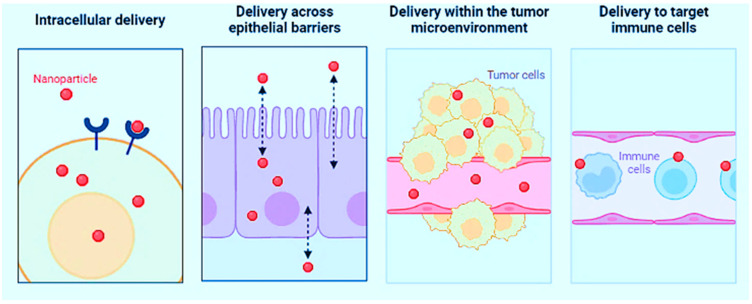
Figure 1
Figure 1
Biological barriers that nanoparticles can help overcome.
Figure 2
Figure 2
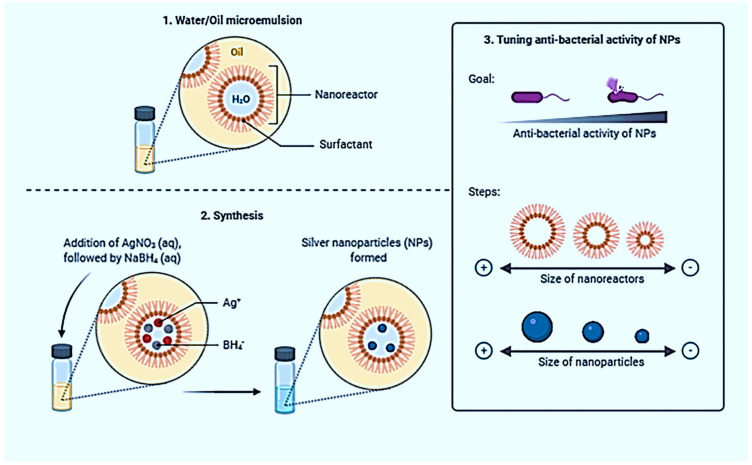
Silver nanoparticles with anti-bacterial activity are synthesized via microemulsions. Water-in-oil microemulsions can serve as nanoreactors for synthesizing nanoparticles such as silver. Interestingly, the size of the nanoreactors (aqueous core) can be easily varied via adjustment of the water-to-surfactant molar ratio that can generate nanoparticles with controllable size and composition. Such control could have a pronounced effect on the antibacterial activity of silver nanoparticles.
Figure 3
Figure 3
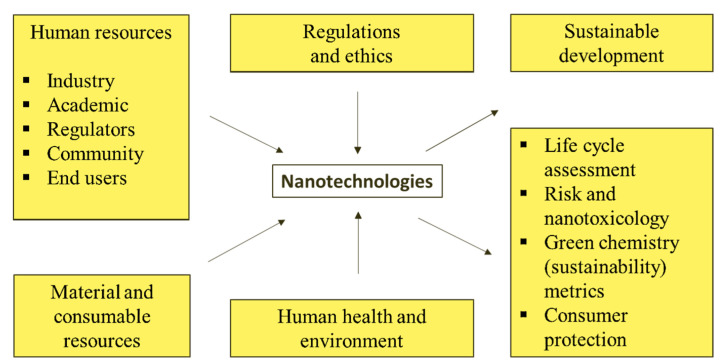
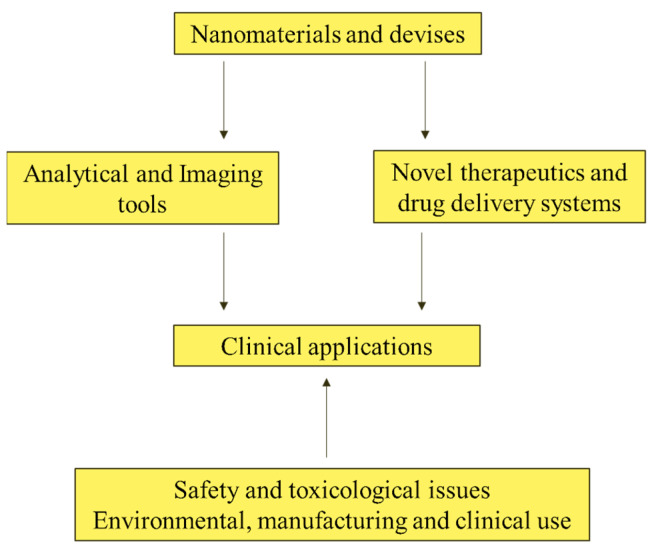
Key issues in dealing with the potential impact of nanotechnology on human health.
Figure 4
Figure 4
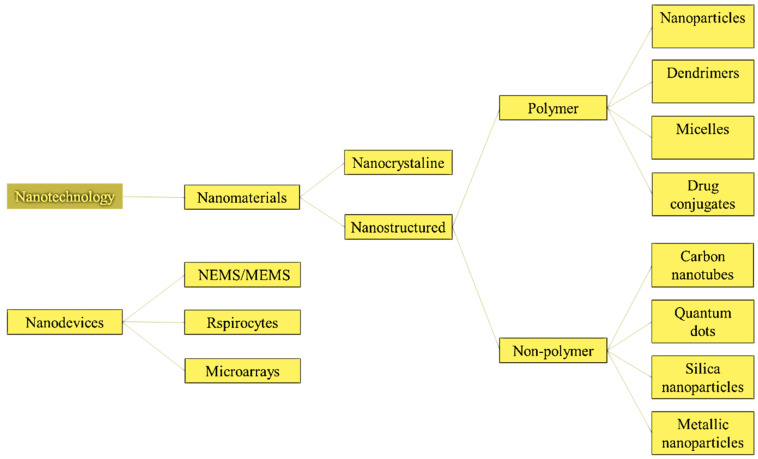
Various classes of nanoparticles.
Figure 5
Figure 5
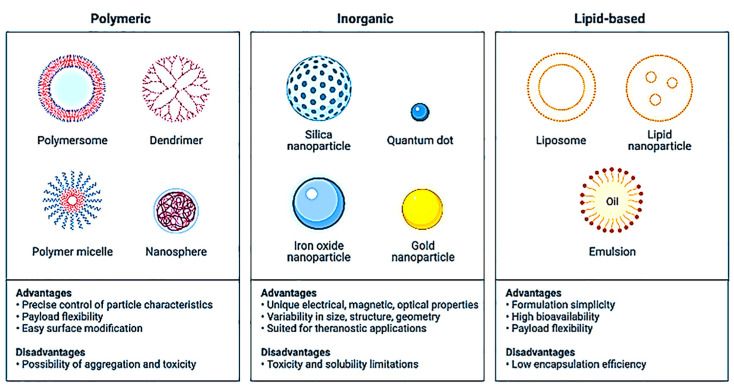
Schematic diagram of various types of pharmaceutical nanosystems.
Figure 6
Figure 6
Dimensions in nanomedicine.
Figure 7
Figure 7
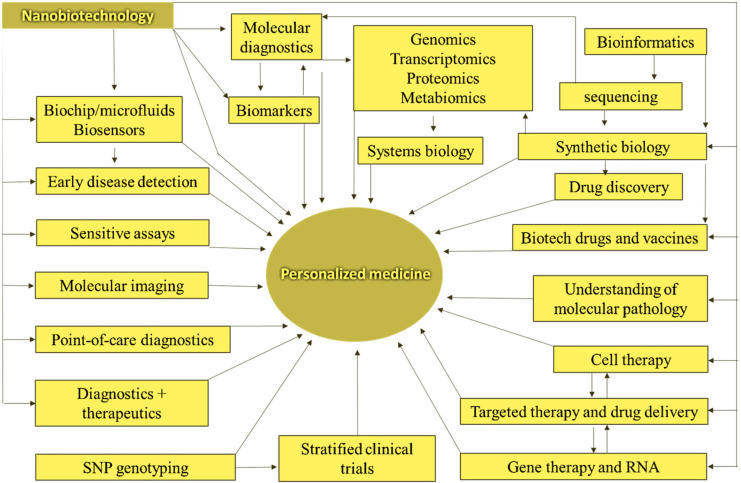
Nanobiotechnology and drug discovery for personalized medicine.
Figure 8
Figure 8
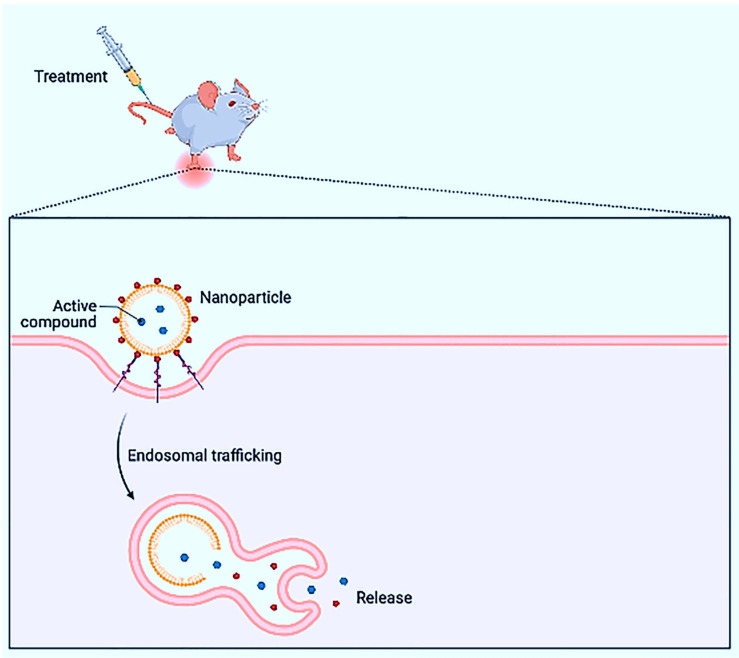
Nanoparticle drug release mechanism.
Figure 9
Figure 9
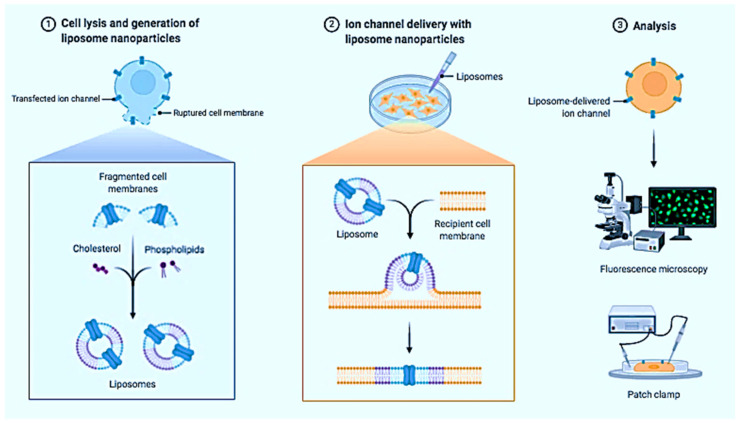
Ion channel malfunctions lead to physiological disorders such as cystic fibrosis. Current therapies are merely symptomatic. To solve this, the bilayer of liposomes is employed to integrate and deliver intact functional channels. Ion channels were collected in the form of membrane fragments to preserve their structure. Phospholipids chose to give liposomes a fusogenic property to place ion channels at their action site. This therapeutic principle was assayed microscopically and electrophysiologically.
Figure 10
Figure 10
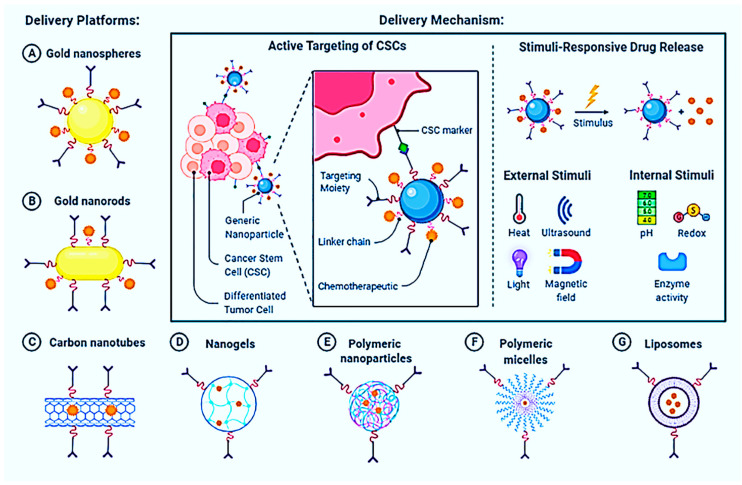
Nanoparticle-mediated targeted drug delivery to cancer cells. Surface markers specific to cancer stem cells (CSCs) serve as potential therapeutic targets for the elimination of CSCs. Active targeting can be achieved by conjugating targeting moieties to drug-carrying nanoparticles. These moieties can specifically bind to the markers expressed on CSCs. Following binding, drug release can be triggered by external and internal stimuli. Multiple nanoparticle-based drug delivery platforms have been developed, utilizing these strategies, as shown in Figure (AG).
Figure 11
Figure 11
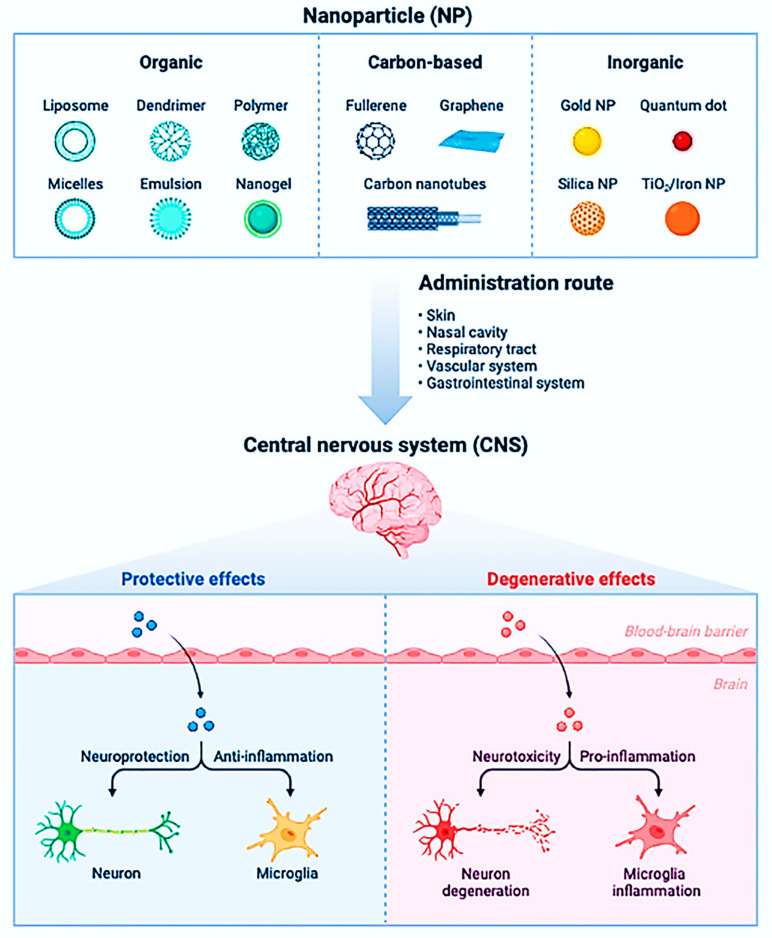
The impact of different types of nanoparticles in the central nervous system. NPs are mainly classified into three groups: organic, carbon-based, and inorganic NPs. In general, these NPs are administrated via the gastrointestinal system, respiratory tract, nasal cavity, skin, etc. They cross the blood–brain barrier (BBB) into the target brain cells including neurons, microglia, and astrocyte to exert protective and degenerative effects.
Figure 12
Figure 12
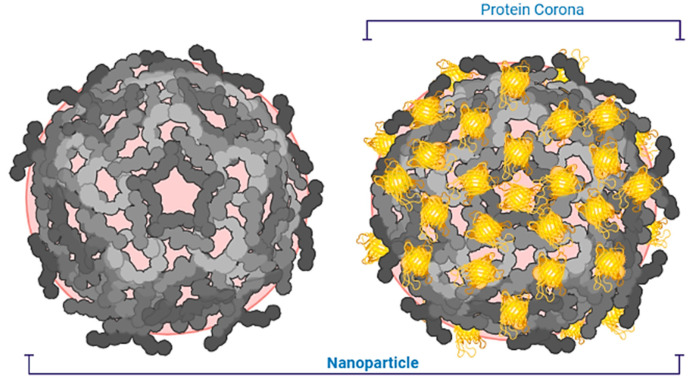
Protein corona formation by nanoparticles reduces the toxicity of NPs.
Figure 13
Figure 13
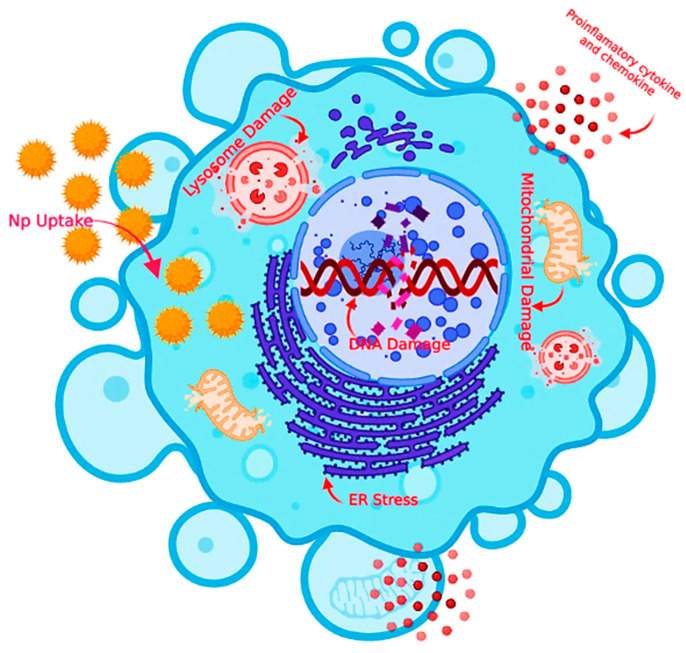
ROS generation and downstream processing in cells with response to nanoparticle uptake.

References

    1. Niemeyer C.M. Nanoparticles, Proteins, and Nucleic Acids: Biotechnology Meets Materials Science. Angew. Chem. Int. Ed. 2001;40:4128–4158. doi: 10.1002/1521-3773(20011119)40:22<4128::AID-ANIE4128>3.0.CO;2-S. - DOI - PubMed
    1. Ghosh Chaudhuri R., Paria S. Core/Shell Nanoparticles: Classes, Properties, Synthesis Mechanisms, Characterization, and Applications. Chem. Rev. 2012;112:2373–2433. doi: 10.1021/cr100449n. - DOI - PubMed
    1. Mourdikoudis S., Pallares R.M., Thanh N.T.K. Characterization techniques for nanoparticles: Comparison and complementarity upon studying nanoparticle properties. Nanoscale. 2018;10:12871–12934. doi: 10.1039/C8NR02278J. - DOI - PubMed
    1. Zou Y., Goei R., Ong S.-A., Ong A.J., Huang J., Tok A.I.Y. Development of Core-Shell Rh@ Pt and Rh@ Ir Nanoparticle Thin Film Using Atomic Layer Deposition for HER Electrocatalysis Applications. Processes. 2022;10:1008. doi: 10.3390/pr10051008. - DOI
    1. O’Dell D., Schein P., Erickson D. Simultaneous Characterization of Nanoparticle Size and Particle-Surface Interactions with Three-Dimensional Nanophotonic Force Microscopy. Phys. Rev. Appl. 2016;6:034010. doi: 10.1103/PhysRevApplied.6.034010. - DOI - PMC - PubMed