


Machine learning determination of motivators of terminal extubation during the transition to end-of-life care in intensive care unit
- PMID: 36788319
- PMCID: PMC9929077
- DOI: 10.1038/s41598-023-29042-9
Machine learning determination of motivators of terminal extubation during the transition to end-of-life care in intensive care unit
Abstract
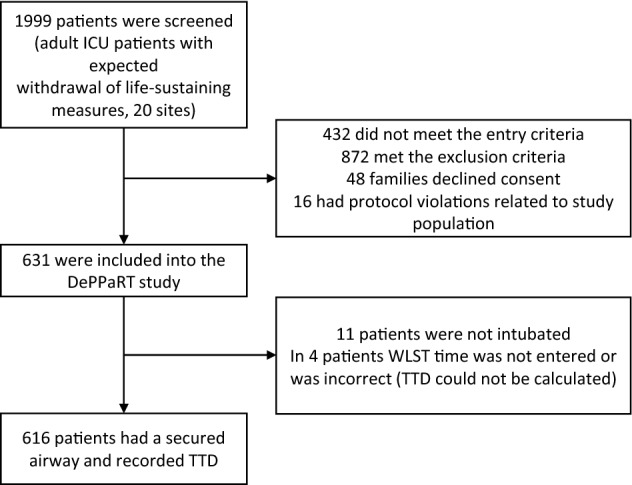
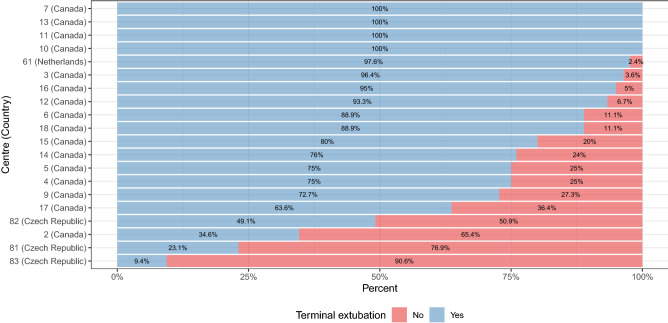
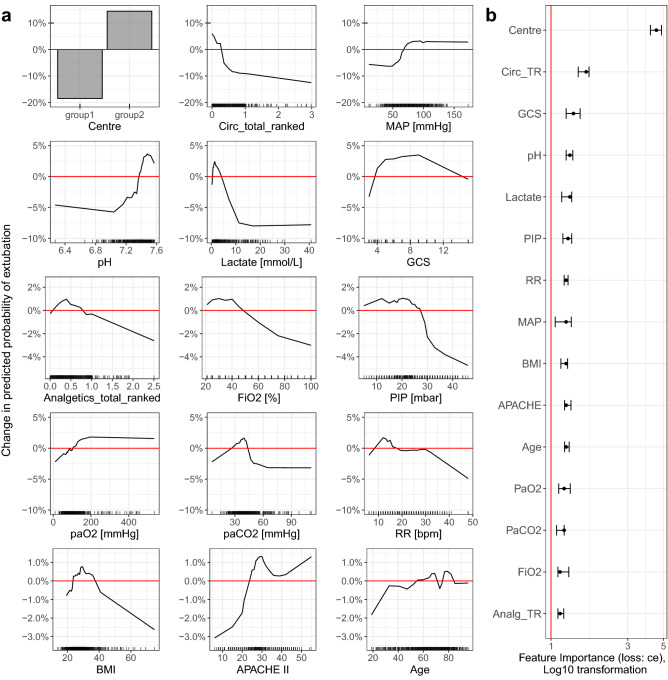
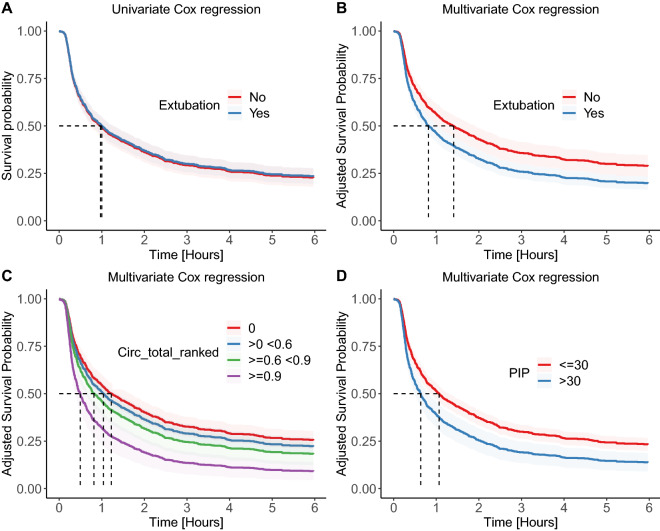
Procedural aspects of compassionate care such as the terminal extubation are understudied. We used machine learning methods to determine factors associated with the decision to extubate the critically ill patient at the end of life, and whether the terminal extubation shortens the dying process. We performed a secondary data analysis of a large, prospective, multicentre, cohort study, death prediction and physiology after removal of therapy (DePPaRT), which collected baseline data as well as ECG, pulse oximeter and arterial waveforms from WLST until 30 min after death. We analysed a priori defined factors associated with the decision to perform terminal extubation in WLST using the random forest method and logistic regression. Cox regression was used to analyse the effect of terminal extubation on time from WLST to death. A total of 616 patients were included into the analysis, out of which 396 (64.3%) were terminally extubated. The study centre, low or no vasopressor support, and good respiratory function were factors significantly associated with the decision to extubate. Unadjusted time to death did not differ between patients with and without extubation (median survival time extubated vs. not extubated: 60 [95% CI: 46; 76] vs. 58 [95% CI: 45; 75] min). In contrast, after adjustment for confounders, time to death of extubated patients was significantly shorter (49 [95% CI: 40; 62] vs. 85 [95% CI: 61; 115] min). The decision to terminally extubate is associated with specific centres and less respiratory and/or vasopressor support. In this context, terminal extubation was associated with a shorter time to death.
© 2023. The Author(s).
Conflict of interest statement
Dr. Scales, Dr. van Beinum, Ms. Hornby and Dr. Dhanani are named on a patent related to estimating the time to death employing variability monitoring and physiological waveform analysis (System and method for assisting decisions associated with events relative to withdrawal of life-sustaining therapy using variability measurements AJE Seely, S Dhanani, B Nathan, CL Herry, L Hornby, TO Ramsay, US Patent 10,172,569). Ms. Hornby is paid research consultant for the Canadian Blood Services Dr. Dhanani and Dr. Shemie are medical advisors for deceased donation with Canadian Blood Services. The remaining authors have disclosed that they do not have any potential conflicts of interest.
Figures
References
Publication types
MeSH terms
LinkOut - more resources
Full Text Sources
