


Biomedical materials for wound dressing: recent advances and applications
- PMID: 36793301
- PMCID: PMC9924226
- DOI: 10.1039/d2ra07673j
Biomedical materials for wound dressing: recent advances and applications
Abstract
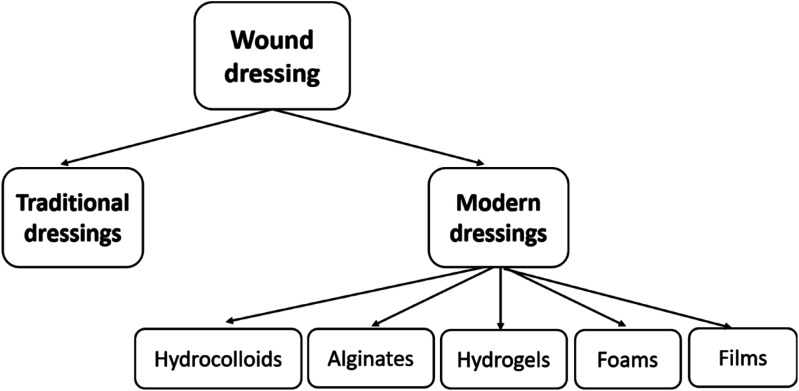
Wound healing is vital to maintain the physiological functions of the skin. The most common treatment is the use of a dressing to cover the wound and reduce infection risk and the rate of secondary injuries. Modern wound dressings have been the top priority choice for healing various types of wounds owing to their outstanding biocompatibility and biodegradability. In addition, they also maintain temperature and a moist environment, aid in pain relief, and improve hypoxic environments to stimulate wound healing. Due to the different types of wounds, as well as the variety of advanced wound dressing products, this review will provide information on the clinical characteristics of the wound, the properties of common modern dressings, and the in vitro, in vivo as well as the clinical trials on their effectiveness. The most popular types commonly used in producing modern dressings are hydrogels, hydrocolloids, alginates, foams, and films. In addition, the review also presents the polymer materials for dressing applications as well as the trend of developing these current modern dressings to maximize their function and create ideal dressings. The last is the discussion about dressing selection in wound treatment and an estimate of the current development tendency of new materials for wound healing dressings.
This journal is © The Royal Society of Chemistry.
Conflict of interest statement
The authors report no conflicts of interest. The authors alone are responsible for the content and writing of this article.
Figures
References
Publication types
LinkOut - more resources
Full Text Sources
