


Intermittent access cocaine self-administration produces context-specific escalation and increased motivation
- PMID: 36801708
- PMCID: PMC10033440
- DOI: 10.1016/j.drugalcdep.2023.109797
Intermittent access cocaine self-administration produces context-specific escalation and increased motivation
Abstract
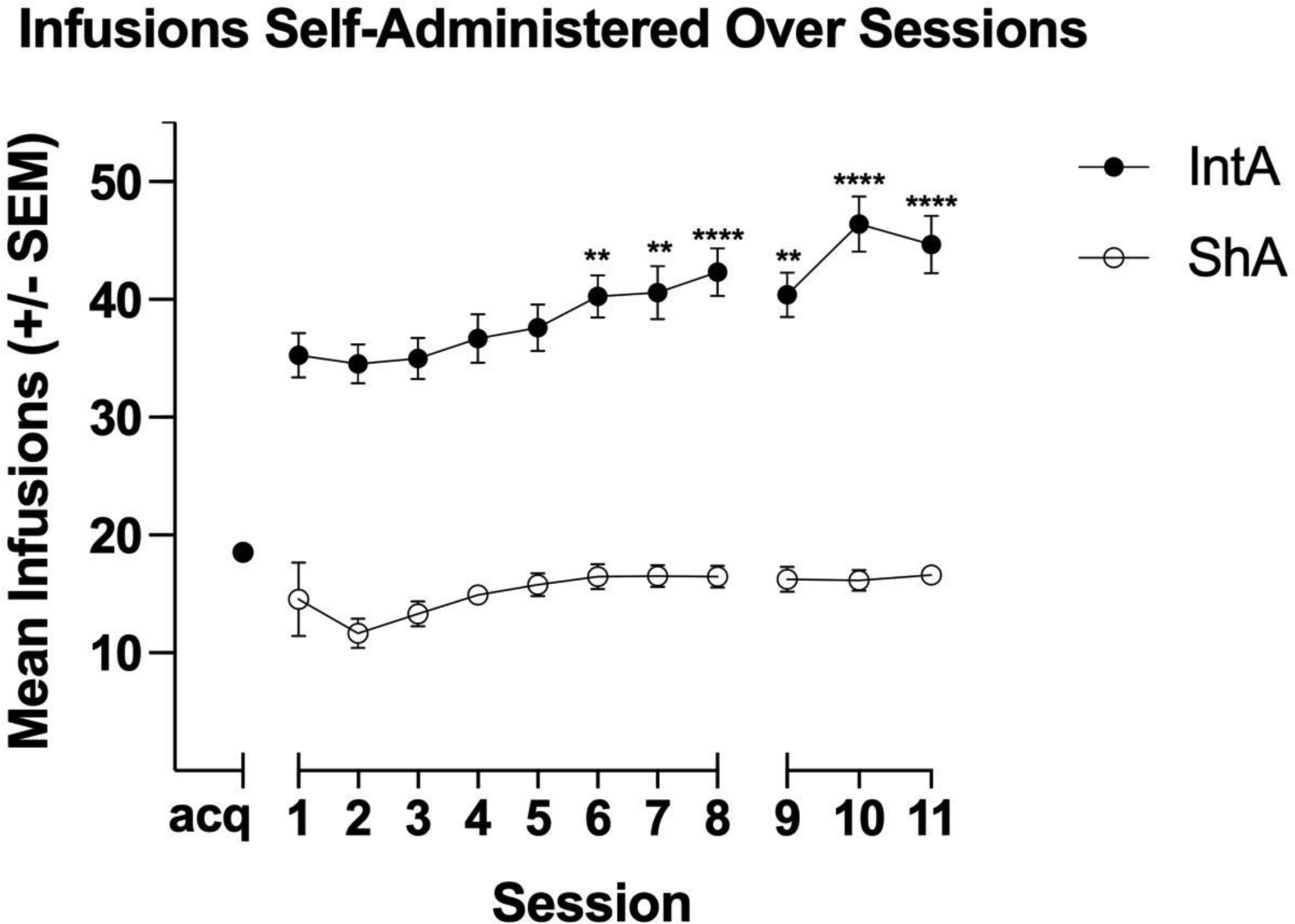
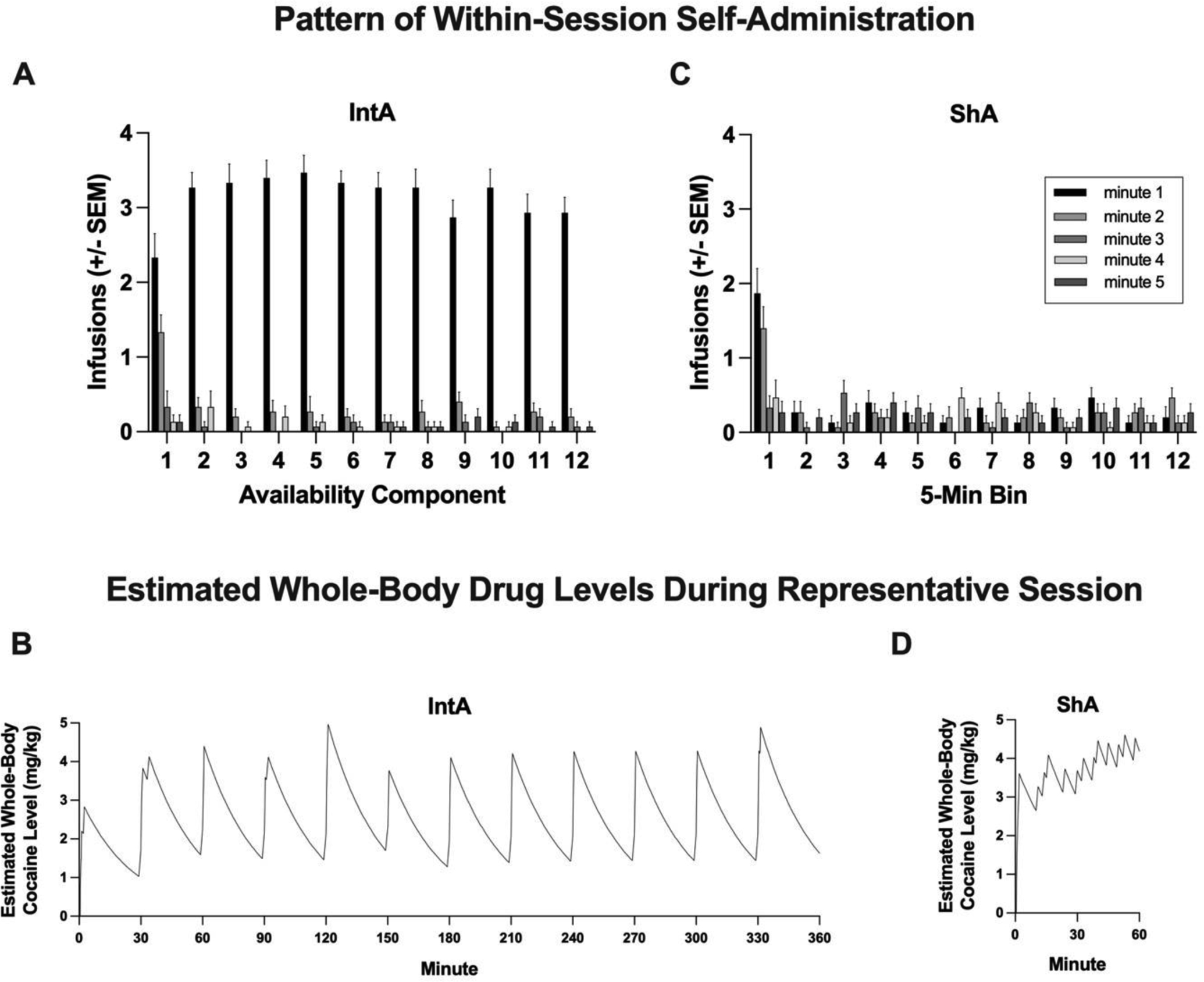
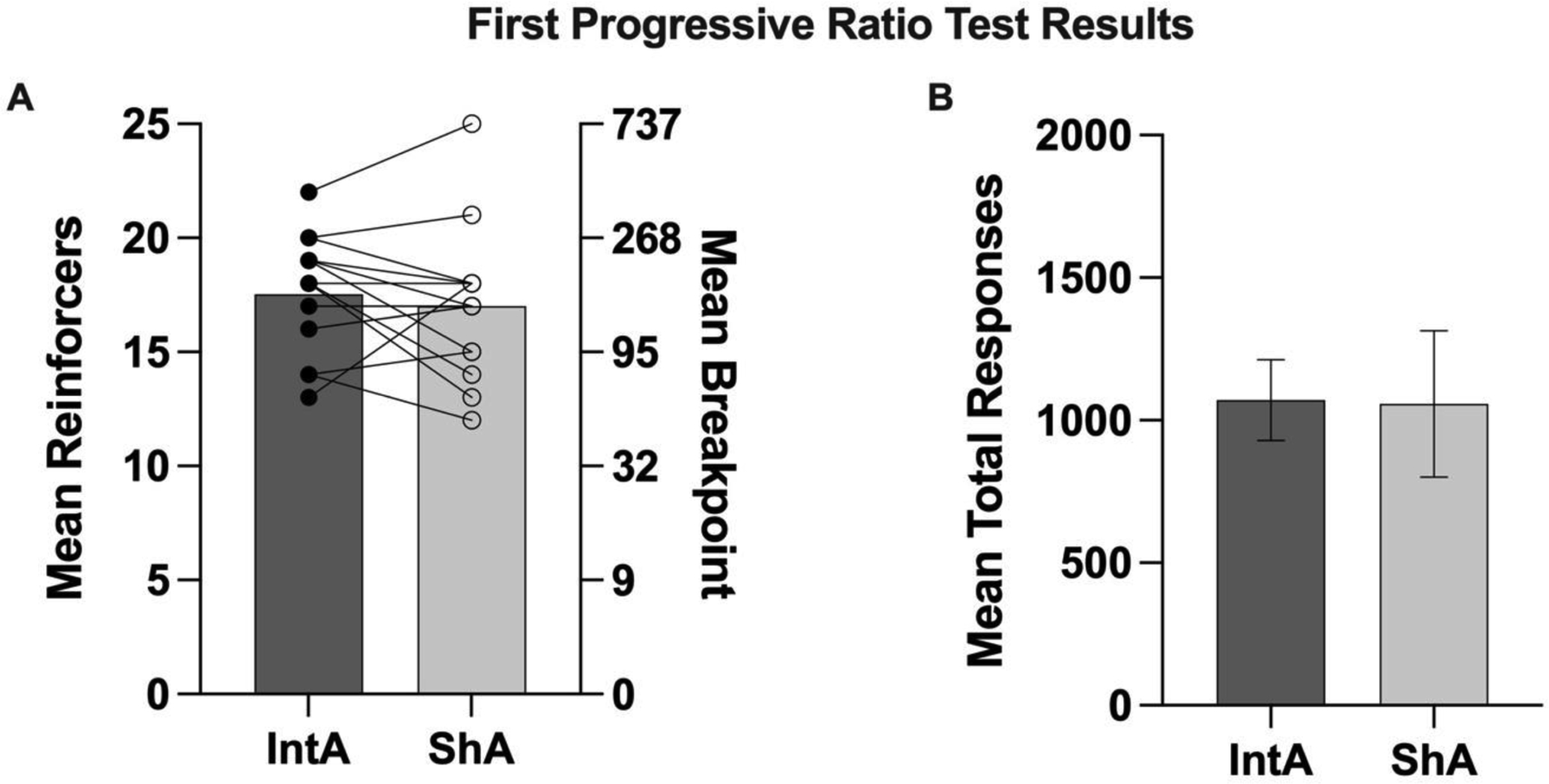
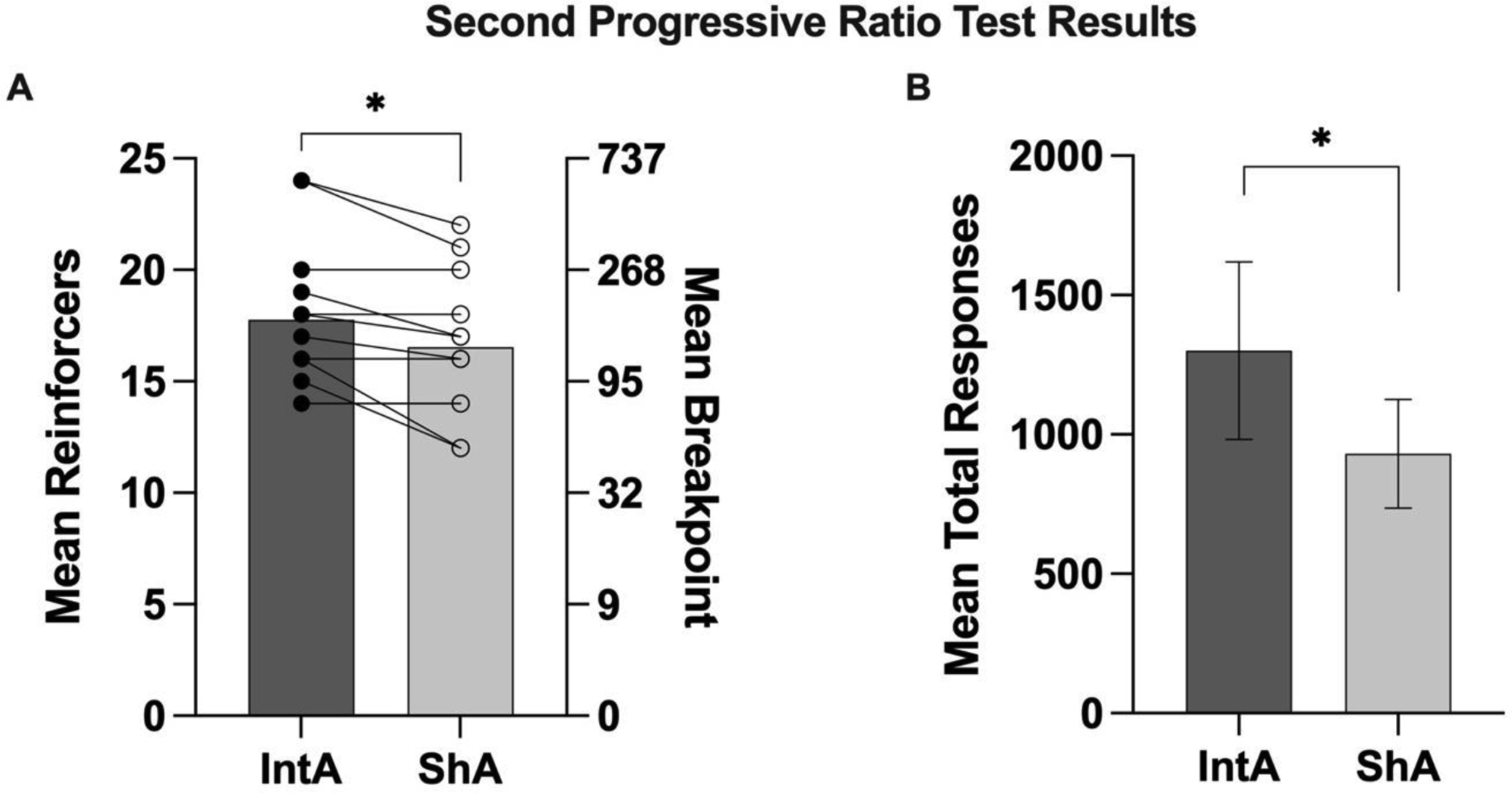
The intermittent-access (IntA) self-administration procedure has been reported to produce intensified addiction-like behavior compared to continuous-access (ContA) procedures. In a common variation of the IntA procedure, cocaine is available for 5 min at the beginning of each half hour of a 6-h session. In contrast, during ContA procedures, cocaine is available continuously throughout a session, typically lasting one or more hours. Previous studies comparing procedures have used between-subjects designs, where separate groups of rats self-administer cocaine on either IntA or ContA procedures. The present study used a within-subjects design where subjects self-administered cocaine on the IntA procedure in one context and self-administered cocaine on the continuous short-access (ShA) procedure in another context during separate sessions. Across sessions, rats escalated cocaine intake in the IntA, but not ShA, context. Following sessions eight and 11, rats were administered a progressive ratio test in each context to monitor the change in cocaine motivation. Rats obtained more cocaine infusions on the progressive ratio test in the IntA context than in the ShA context following 11 sessions. These results suggest that addiction-like behaviors following IntA self-administration may be influenced by context-specific learning factors.
Keywords: Cocaine; Context; Intermittent-access; Learning; Self-administration; Short-access.
Copyright © 2023 Elsevier B.V. All rights reserved.
Conflict of interest statement
Conflict of Interest No conflict declared.
Figures
References
Publication types
MeSH terms
Substances
Grants and funding
LinkOut - more resources
Full Text Sources
Other Literature Sources
Medical
