


Advancements in the management of acute ischemic stroke: A narrative review
- PMID: 36817082
- PMCID: PMC9930740
- DOI: 10.1002/emp2.12896
Advancements in the management of acute ischemic stroke: A narrative review
Abstract
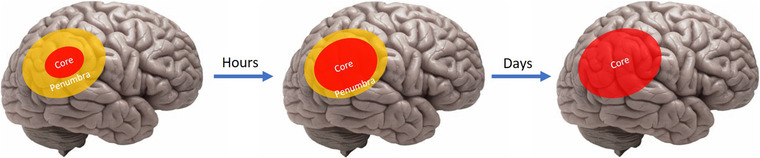
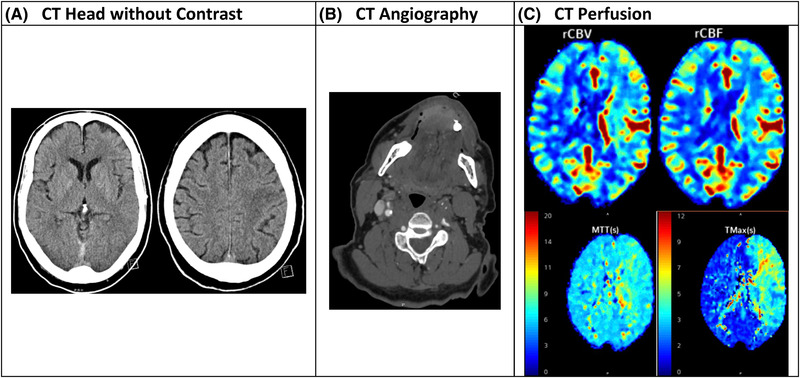
Primary literature detailing updated management principles of acute ischemic stroke outpaces current guidelines, resulting in heterogenous practices. Recent advancements in neuroimaging have shifted treatment from a time-based approach to an individualized, image-guided appraisal directed by the presence or absence of salvageable brain tissue. In addition, tenecteplase appears to be a safe and effective for the treatment of acute ischemic stroke and is becoming an attractive agent due to its practical administration. Several factors must be accounted for when implementing tenecteplase into the health-system including cost, education, and changes in clinician workflows. Larger studies with broad patient populations are needed to more definitively evaluate whether intravenous thrombolytics should be used in combination with endovascular thrombectomy in patients with anterior large-vessel occlusions. Although debate regarding the safety and efficacy of various endovascular therapies, delays encountered in the identification, triage, and care of acute ischemic stroke patients increase the likelihood of necrotic core lesion development and loss of salvageable penumbra.
Keywords: acute ischemic stroke; fibrinolytics; neuroimaging; tenecteplase; thrombectomy.
© 2023 The Authors. JACEP Open published by Wiley Periodicals LLC on behalf of American College of Emergency Physicians.
Figures
References
-
- Powers WJ, Rabinstein AA, Ackerson T, et al. Guidelines for the early management of patients with acute ischemic stroke: 2019 update to the 2018 guidelines for the early management of acute ischemic stroke: a guideline for healthcare professionals from the American Heart Association/American Stroke Association. Stroke. 2019;50(12):E344‐E418. doi: 10.1161/STR.0000000000000211 - DOI - PubMed
Publication types
LinkOut - more resources
Full Text Sources
