


Xylan-Porphyrin Hydrogels as Light-Triggered Gram-Positive Antibacterial Agents
- PMID: 36826294
- PMCID: PMC9957218
- DOI: 10.3390/gels9020124
Xylan-Porphyrin Hydrogels as Light-Triggered Gram-Positive Antibacterial Agents
Abstract
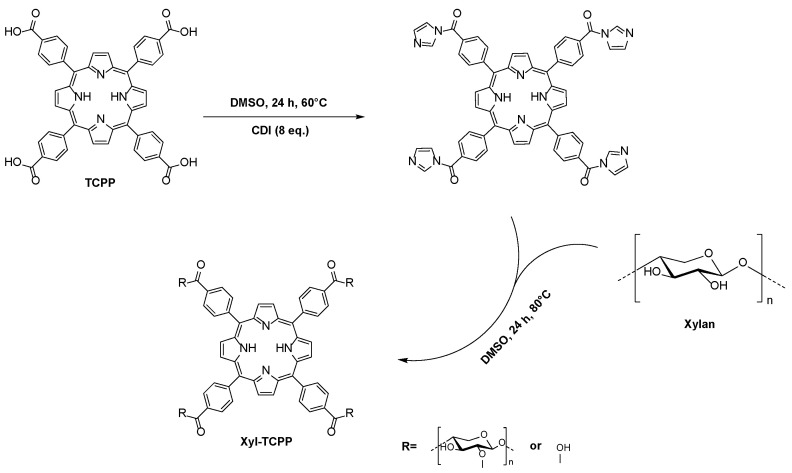
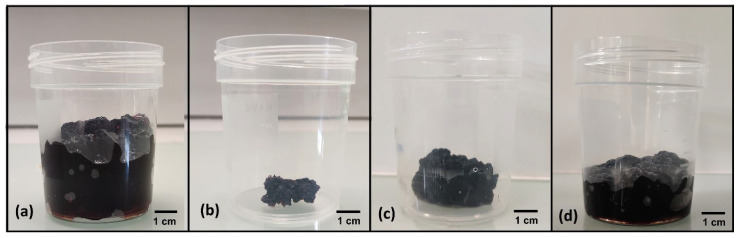
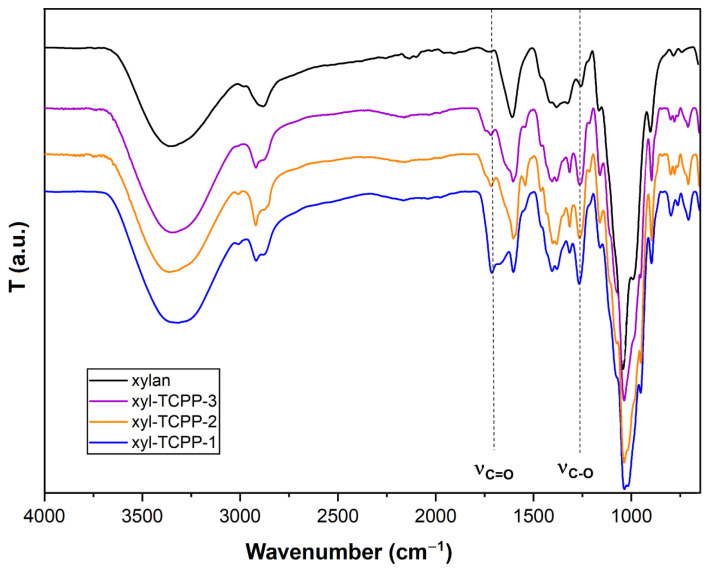
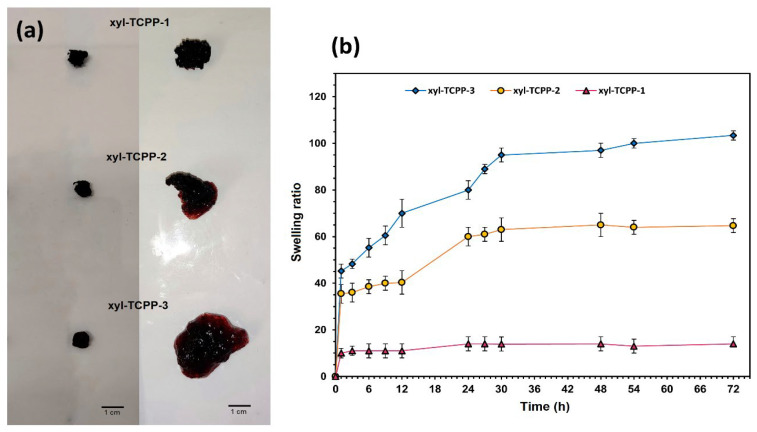
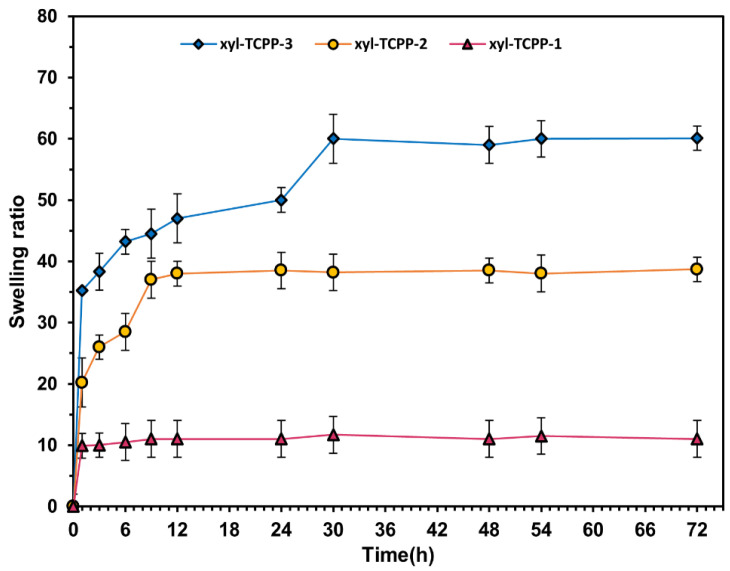
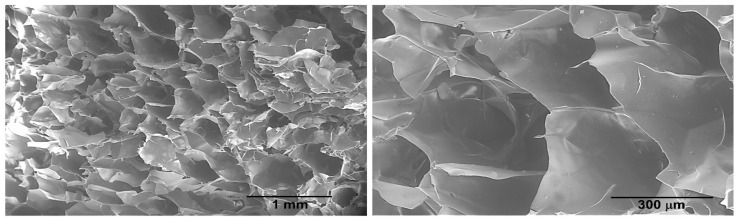
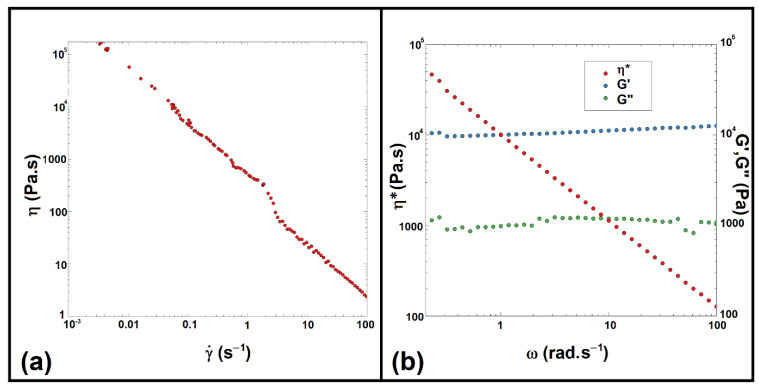
In the present work, we report on the synthesis of light-triggered antibacterial hydrogels, based on xylan chains covalently bound to meso-tetra(4-carboxyphenyl)porphyrin (TCPP). Not only does TCPP act as a photosensitizer efficient against Gram-positive bacteria, but it also serves as a cross-linking gelator, enabling the simple and easy building of xylan conjugate hydrogels. The hydrogels were characterized by infrared spectroscopy (ATR-FTIR), scanning electron microscopy (SEM), along with swelling and rheological tests. The antimicrobial activity of the hydrogels was tested under visible light irradiation against two Gram-positive bacterial strains, Staphylococcus aureus and Bacillus cereus. The preliminary results showed an interesting activity on these bacteria, indicating that these hydrogels could be of great potential in the treatment of skin bacterial infections with this species by photodynamic antimicrobial chemotherapy (PACT).
Keywords: Gram-positive bacteria; hydrogel; photodynamic antimicrobial therapy; photosensitizers; porphyrins; xylan.
Conflict of interest statement
The authors declare no conflict of interest.
Figures
References
-
- Anas A., Sobhanan J., Sulfiya K.M., Jasmin C., Sreelakshmi P.K., Biju V. Advances in photodynamic antimicrobial chemotherapy. J. Photochem. Photobiol. C Photochem. Rev. 2021;49:100452. doi: 10.1016/j.jphotochemrev.2021.100452. - DOI
-
- Vatansever F., de Melo W.C.M.A., Avci P., Vecchio D., Sadasivam M., Gupta A., Chandran R., Karimi M., Parizotto N.A., Yin R., et al. Antimicrobial strategies centered around reactive oxygen species—Bactericidal antibiotics, photodynamic therapy, and beyond. FEMS Microbiol. Rev. 2013;37:955–989. doi: 10.1111/1574-6976.12026. - DOI - PMC - PubMed
LinkOut - more resources
Full Text Sources
Miscellaneous
