


Automatic Detection, Classification, and Grading of Lumbar Intervertebral Disc Degeneration Using an Artificial Neural Network Model
- PMID: 36832151
- PMCID: PMC9955414
- DOI: 10.3390/diagnostics13040663
Automatic Detection, Classification, and Grading of Lumbar Intervertebral Disc Degeneration Using an Artificial Neural Network Model
Abstract
Background and objectives: Intervertebral disc degeneration (IDD) is a common cause of symptomatic axial low back pain. Magnetic resonance imaging (MRI) is currently the standard for the investigation and diagnosis of IDD. Deep learning artificial intelligence models represent a potential tool for rapidly and automatically detecting and visualizing IDD. This study investigated the use of deep convolutional neural networks (CNNs) for the detection, classification, and grading of IDD.
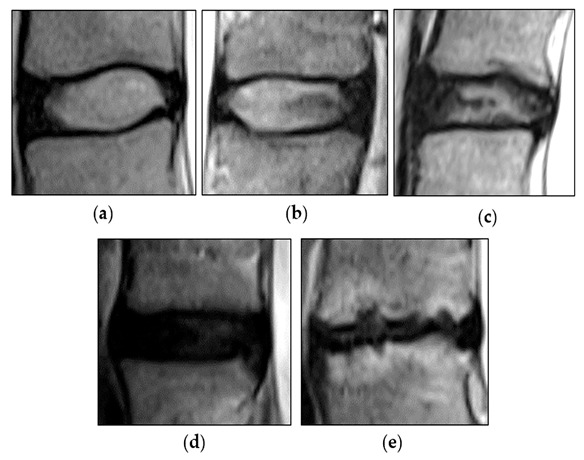
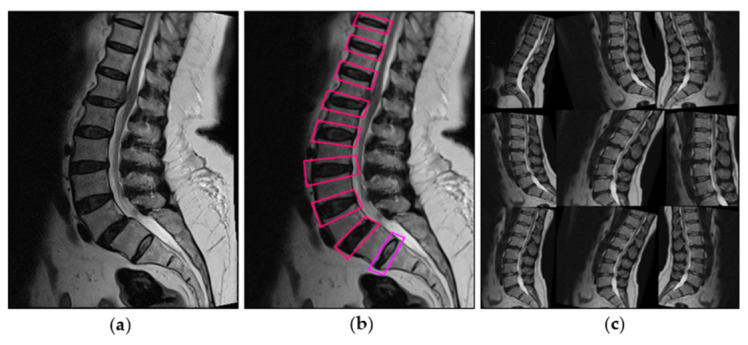
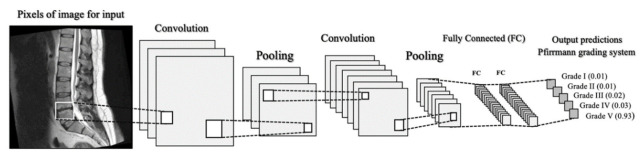
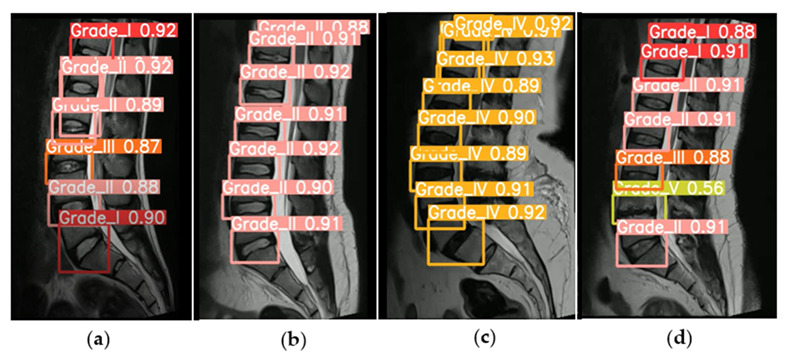
Methods: Sagittal images of 1000 IDD T2-weighted MRI images from 515 adult patients with symptomatic low back pain were separated into 800 MRI images using annotation techniques to create a training dataset (80%) and 200 MRI images to create a test dataset (20%). The training dataset was cleaned, labeled, and annotated by a radiologist. All lumbar discs were classified for disc degeneration based on the Pfirrmann grading system. The deep learning CNN model was used for training in detecting and grading IDD. The results of the training with the CNN model were verified by testing the grading of the dataset using an automatic model.
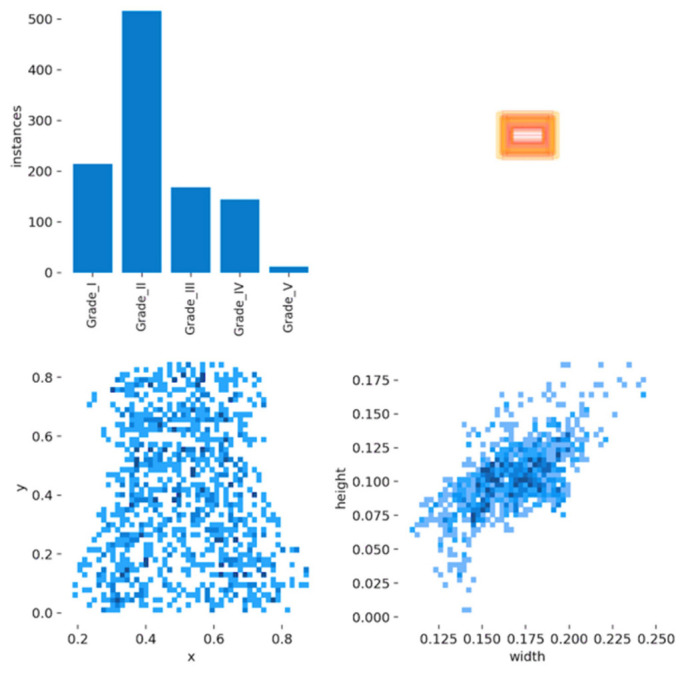
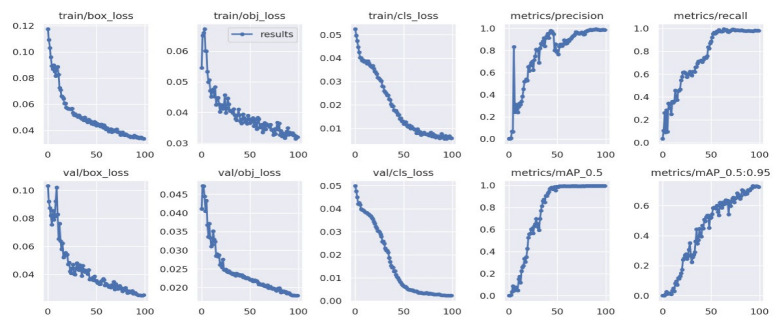
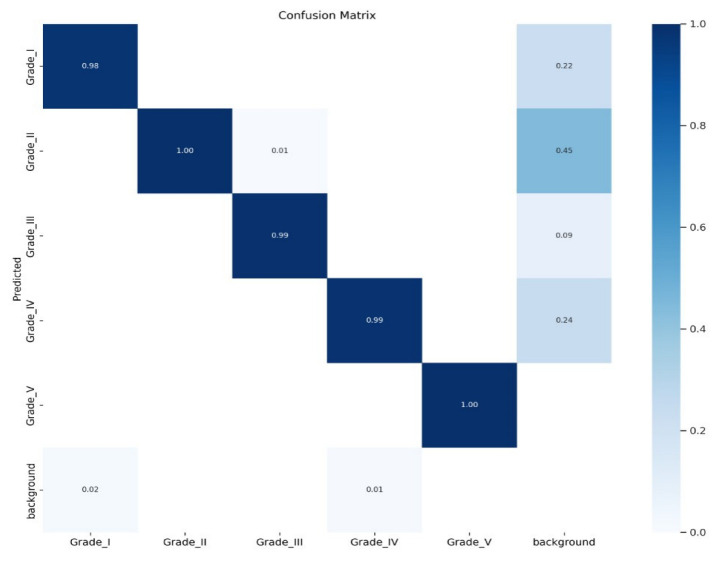
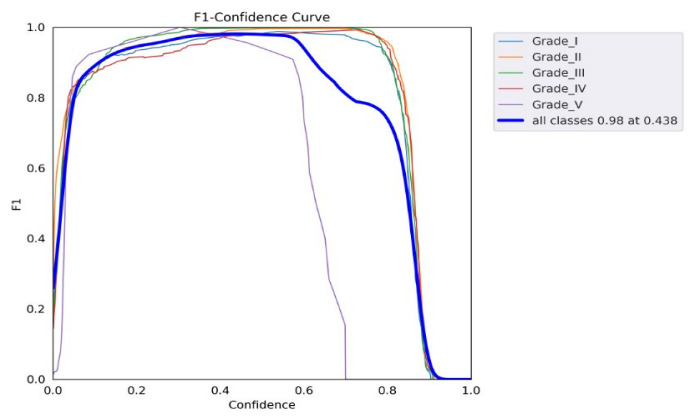
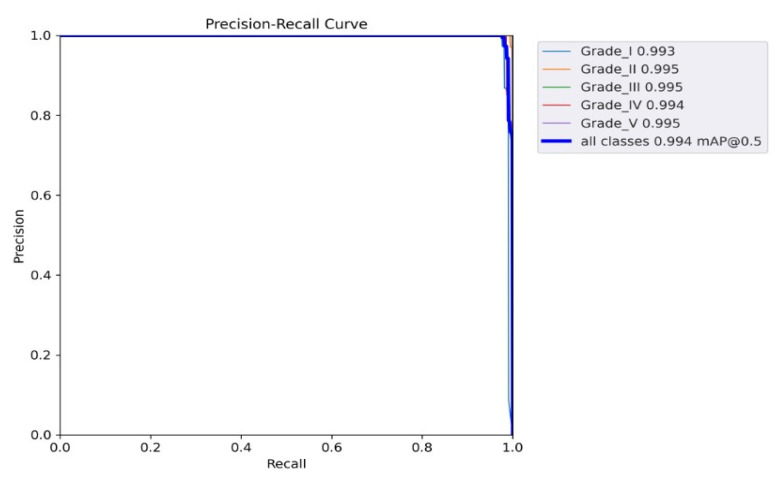
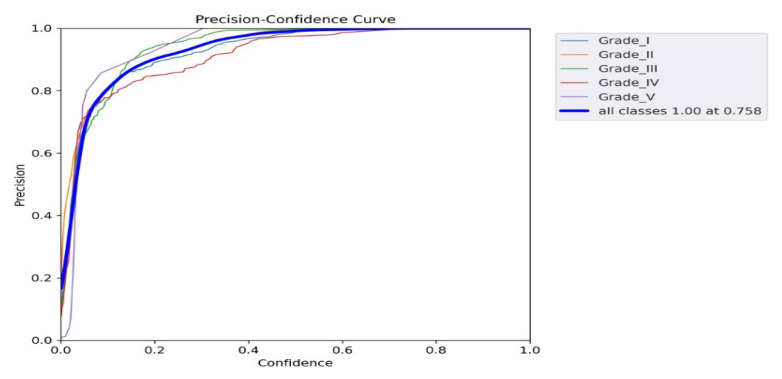
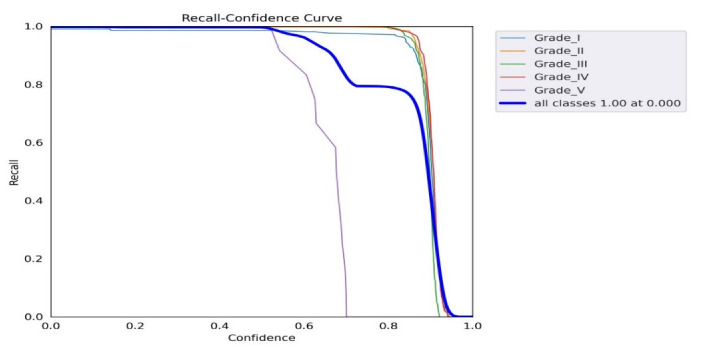
Results: The training dataset of the sagittal intervertebral disc lumbar MRI images found 220 IDDs of grade I, 530 of grade II, 170 of grade III, 160 of grade IV, and 20 of grade V. The deep CNN model was able to detect and classify lumbar IDD with an accuracy of more than 95%.
Conclusion: The deep CNN model can reliably automatically grade routine T2-weighted MRIs using the Pfirrmann grading system, providing a quick and efficient method for lumbar IDD classification.
Keywords: MRI; automation model; computer neural network; deep learning; diagnostic performance; intervertebral disc degenerations; lumbar spine.
Conflict of interest statement
The authors declare no conflict of interest.
Figures
References
-
- Kim Y.K., Kang D., Lee I., Kim S.Y. Differences in the Incidence of Symptomatic Cervical and Lumbar Disc Herniation According to Age, Sex and National Health Insurance Eligibility: A Pilot Study on the Disease’s Association with Work. Int. J. Environ. Res. Public Health. 2018;15:2094. doi: 10.3390/ijerph15102094. - DOI - PMC - PubMed
LinkOut - more resources
Full Text Sources
