


Physical Demands during Official Competitions in Elite Handball: A Systematic Review
- PMID: 36834047
- PMCID: PMC9965087
- DOI: 10.3390/ijerph20043353
Physical Demands during Official Competitions in Elite Handball: A Systematic Review
Abstract
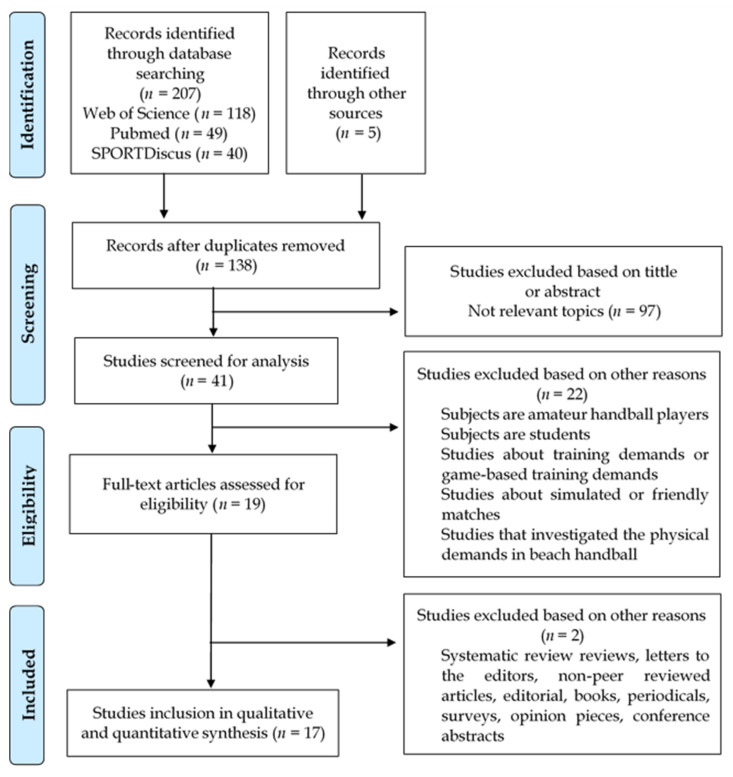
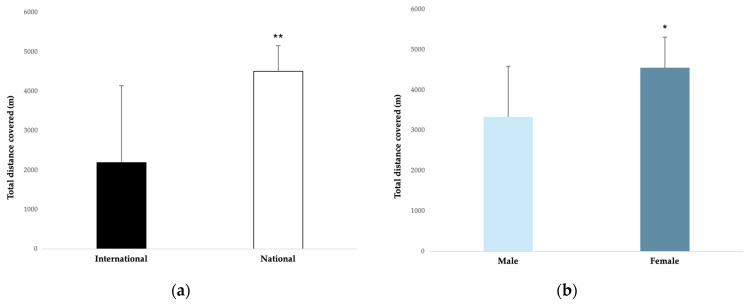
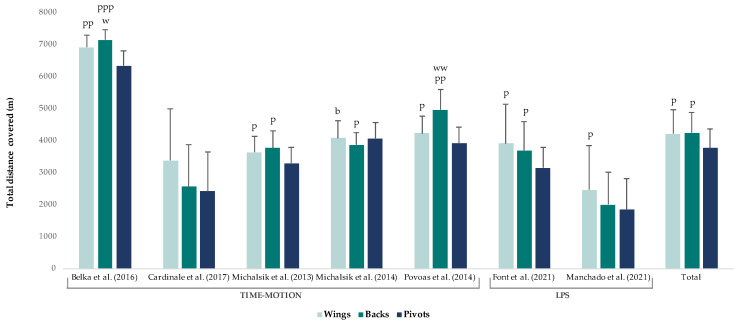
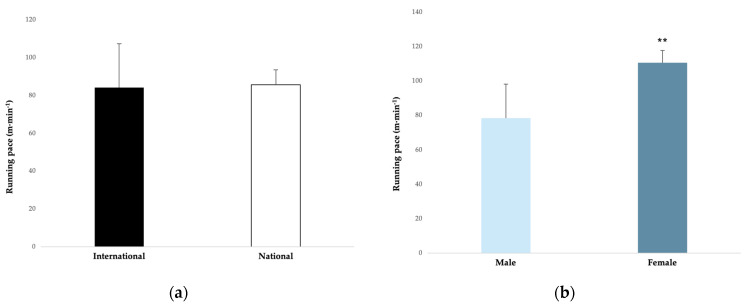
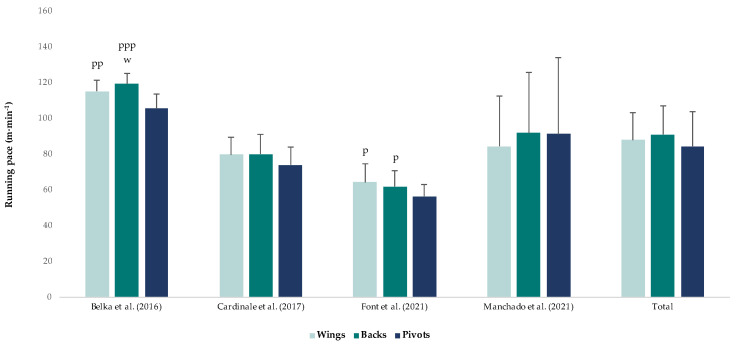
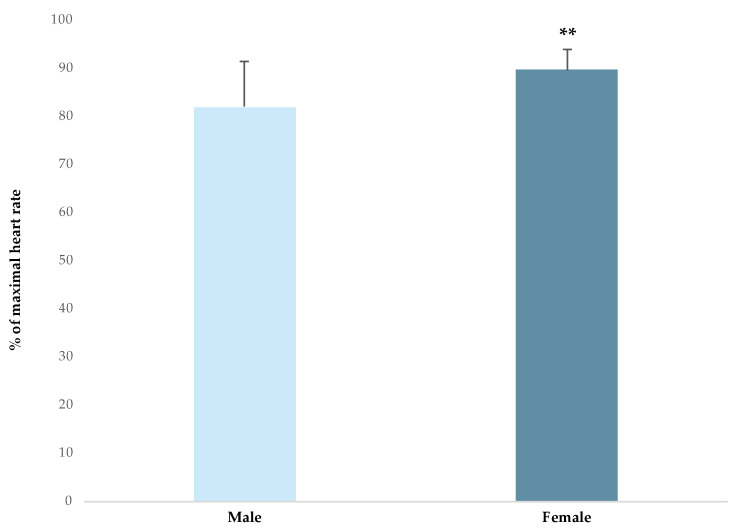
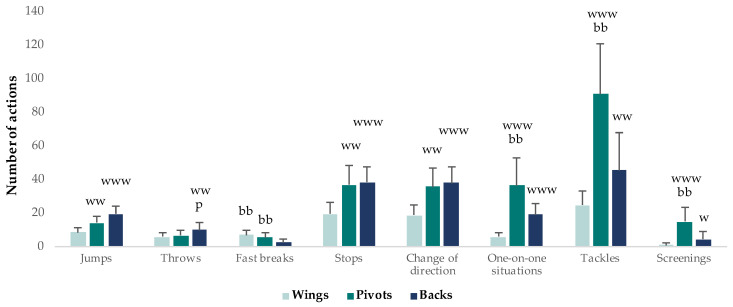
An understanding of physical demands during official competitions is essential to achieving the highest performance in handball. The aim of this systematic review was to summarise the available scientific evidence associated with physical demands during official competitions in elite handball according to playing positions, competition level and gender. Following the Preferred Reporting Items for Systematic Reviews and Meta-Analyses guidelines, 17 studies were selected after a systematic search and selection process of three digital databases: PubMed, Web of Science and Sport Discus. The quality of the selected studies was evaluated using the Strengthening the Reporting of Observational Studies in Epidemiology checklist; the average score was 18.47 points. The sample consisted of 1175 handball players, of whom 1042 were men (88.68%) and 133 were women (11.32%). The results show that an elite handball player covered on average 3664.4 ± 1121.6 m during a match. The average running pace was 84.8 ± 17.2 m∙min-1. The total distance covered was largely greater in national competitions (4506.7 ± 647.9 m) compared with international competitions (2190.3 ± 1950.5 m) (effect size (ES) = 1.2); however, the running pace did not present any significant difference between the international or national level (ES = 0.06). In regard to gender, the total distance covered was moderately greater in female competitions (4549.1 ± 758.6 m) compared with male competitions (3332.6 ± 1257.7 m) (ES = 0.9), and the running pace was largely greater in female competitions (110.5 ± 7.2 m∙min-1) compared with male competitions (78.4 ± 19.7 m∙min-1) (ES = 1.6). In relation to playing position, backs and wings covered a moderately greater total distance (ES = 0.7 and 0.6) and slightly more meters per minute (ES = 0.4 and 0.2) than pivots. Moreover, the technical activity profile differed between playing positions. Backs performed moderately more throws than pivots and wings (ES = 1.2 and 0.9), pivots exhibited largely more body contact than backs and wings, and wings performed moderately more fast breaks (6.7 ± 3.0) than backs (2.2 ± 2.3) (ES = 1.8). Therefore, this research study provides practical applications for handball coaches and strength and conditioning professionals with respect to designing and implementing more individualised training programmes to maximise performance and reduce injury risk.
Keywords: IMU; LPS; external load; handball; internal load; physical demands; tracking system; workload.
Conflict of interest statement
The authors declare no conflict of interest.
Figures
References
-
- Michalsik L.B. On-Court Physical Demands and Physiological Aspects in Elite Team Handball. In: Laver L., Landreau P., Seil R., Popovic N., editors. Handball Sports Medicine. Springer; Berlin/Heidelberg, Germany: 2018.
-
- Côté J., Gilbert W. An Integrative Definition of Coaching Effectiveness and Expertise. Int. J. Sports Sci. Coach. 2009;4:307–323. doi: 10.1260/174795409789623892. - DOI
Publication types
MeSH terms
LinkOut - more resources
Full Text Sources
