


Distinguish the Severity of Illness Associated with Novel Coronavirus (COVID-19) Infection via Sustained Vowel Speech Features
- PMID: 36834110
- PMCID: PMC9960121
- DOI: 10.3390/ijerph20043415
Distinguish the Severity of Illness Associated with Novel Coronavirus (COVID-19) Infection via Sustained Vowel Speech Features
Abstract
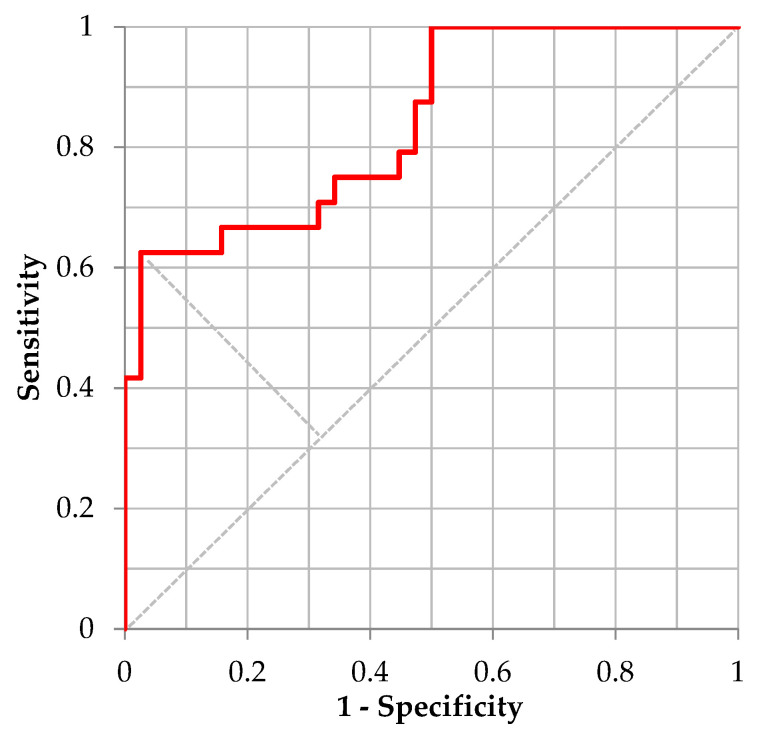
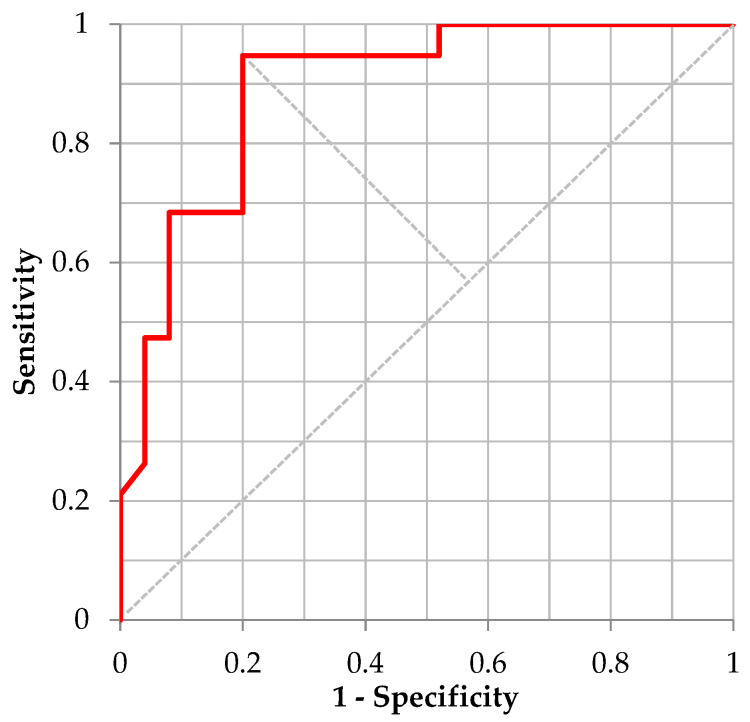
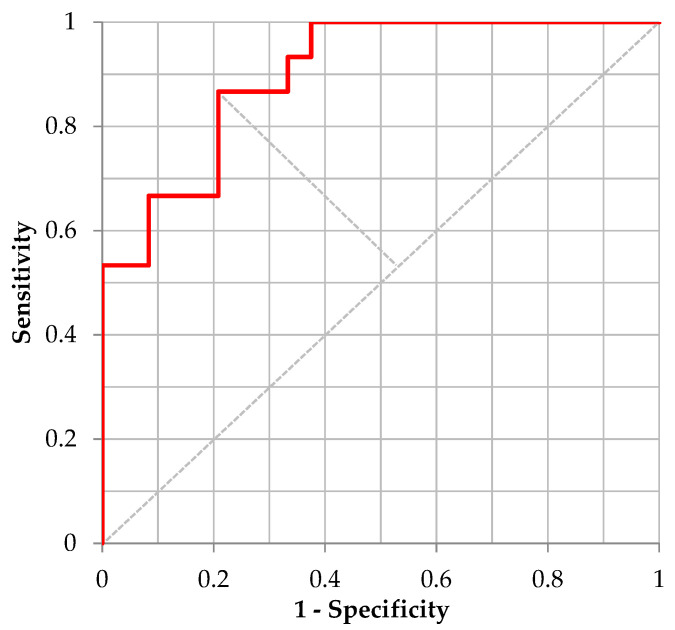
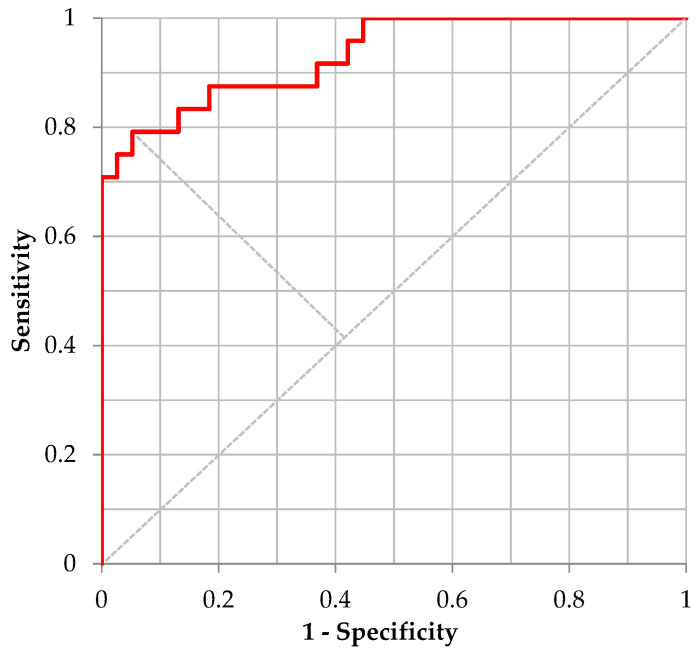
The authors are currently conducting research on methods to estimate psychiatric and neurological disorders from a voice by focusing on the features of speech. It is empirically known that numerous psychosomatic symptoms appear in voice biomarkers; in this study, we examined the effectiveness of distinguishing changes in the symptoms associated with novel coronavirus infection using speech features. Multiple speech features were extracted from the voice recordings, and, as a countermeasure against overfitting, we selected features using statistical analysis and feature selection methods utilizing pseudo data and built and verified machine learning algorithm models using LightGBM. Applying 5-fold cross-validation, and using three types of sustained vowel sounds of /Ah/, /Eh/, and /Uh/, we achieved a high performance (accuracy and AUC) of over 88% in distinguishing "asymptomatic or mild illness (symptoms)" and "moderate illness 1 (symptoms)". Accordingly, the results suggest that the proposed index using voice (speech features) can likely be used in distinguishing the symptoms associated with novel coronavirus infection.
Keywords: COVID-19; sustained vowel; voice biomarker.
Conflict of interest statement
Y.O. and D.M. were employed by PST Inc. The remaining author, S.T., declares that the research was conducted in the absence of any commercial or financial relationships. This study was conducted in collaboration between PST and Kanagawa University of Human Services, but no funding for this study was received from PST.
Figures
References
-
- Ministry of Health, Labour and Welfare, Japan A Guide to Medical Care of COVID-19, Version 8.1 (Japanese). 5 October 2022. [(accessed on 22 November 2022)]. Available online: https://www.mhlw.go.jp/content/000936655.pdf.
-
- Shinohara S., Nakamura M., Omiya Y., Higuchi M., Hagiwara N., Mitsuyoshi S., Toda H., Saito T., Tanichi M., Yoshino A., et al. Depressive Mood Assessment Method Based on Emotion Level Derived from Voice: Comparison of Voice Features of Individuals with Major Depressive Disorders and Healthy Controls. Int. J. Environ. Res. Public Health. 2021;18:5435. doi: 10.3390/ijerph18105435. - DOI - PMC - PubMed
-
- Dang T., Han J., Xia T., Spathis D., Bondareva E., Siegele-Brown C., Chauhan J., Grammenos A., Hasthanasombat A., Floto R.A., et al. Exploring Longitudinal Cough, Breath, and Voice Data for COVID-19 Progression Prediction via Sequential Deep Learning: Model Development and Validation. J. Med. Internet Res. 2022;24:e37004. doi: 10.2196/37004. - DOI - PMC - PubMed
MeSH terms
LinkOut - more resources
Full Text Sources
Medical
