


Challenges for Optimization of Reverse Shoulder Arthroplasty Part II: Subacromial Space, Scapular Posture, Moment Arms and Muscle Tensioning
- PMID: 36836151
- PMCID: PMC9958610
- DOI: 10.3390/jcm12041616
Challenges for Optimization of Reverse Shoulder Arthroplasty Part II: Subacromial Space, Scapular Posture, Moment Arms and Muscle Tensioning
Erratum in
-
Correction: Bauer et al. Challenges for Optimization of Reverse Shoulder Arthroplasty Part II: Subacromial Space, Scapular Posture, Moment Arms and Muscle Tensioning. J. Clin. Med. 2023, 12, 1616.J Clin Med. 2023 Nov 9;12(22):7004. doi: 10.3390/jcm12227004. J Clin Med. 2023. PMID: 38002809 Free PMC article.
Abstract
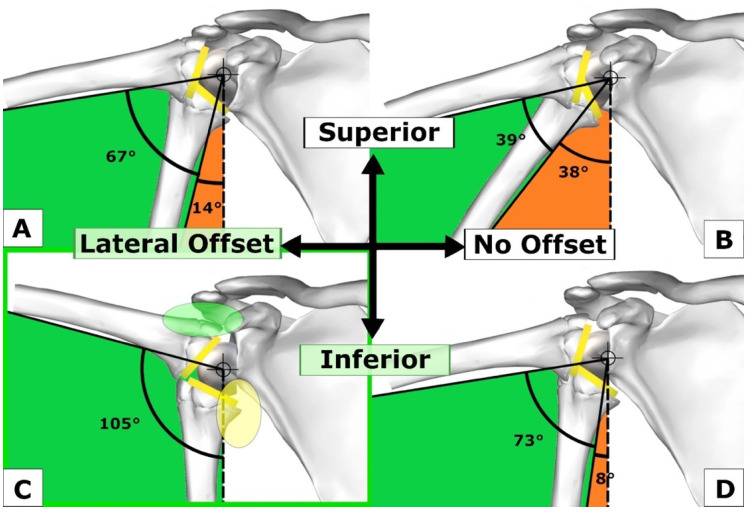
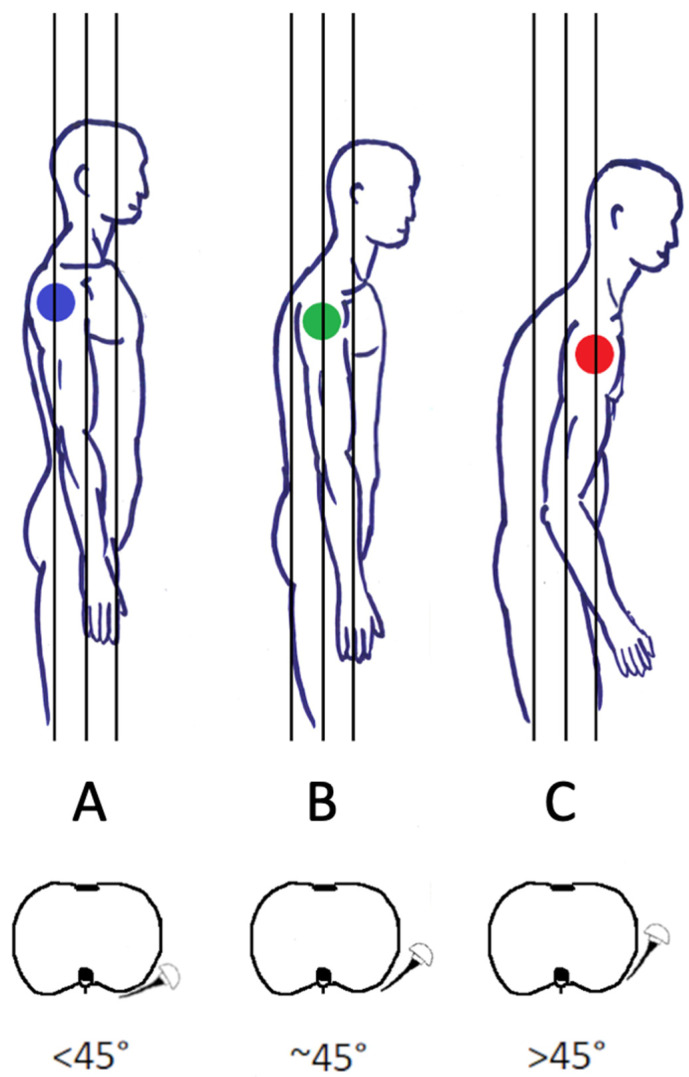
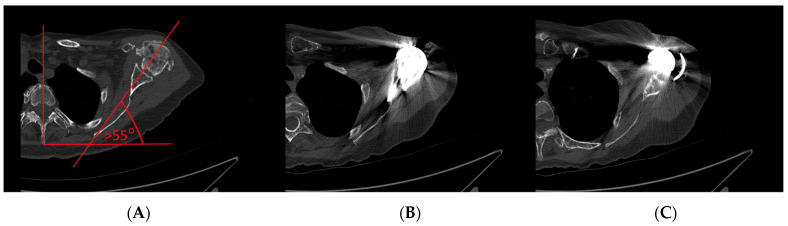
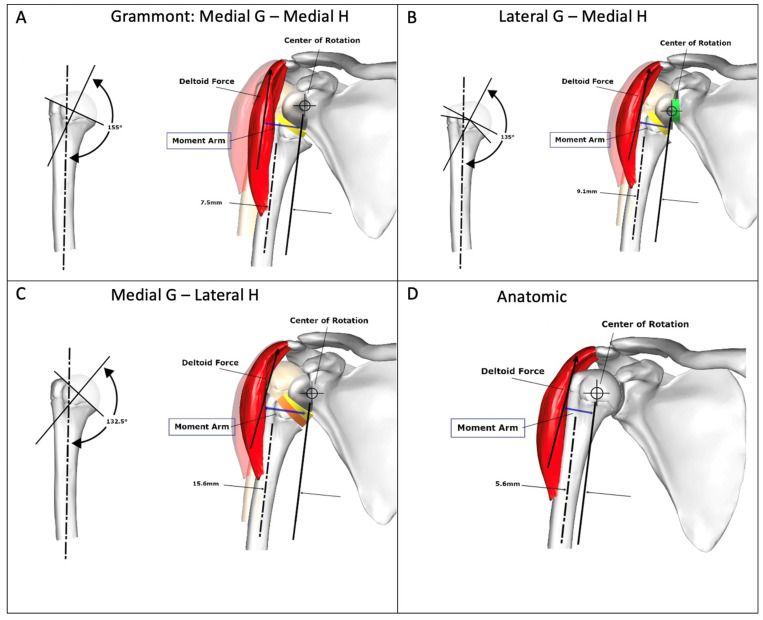
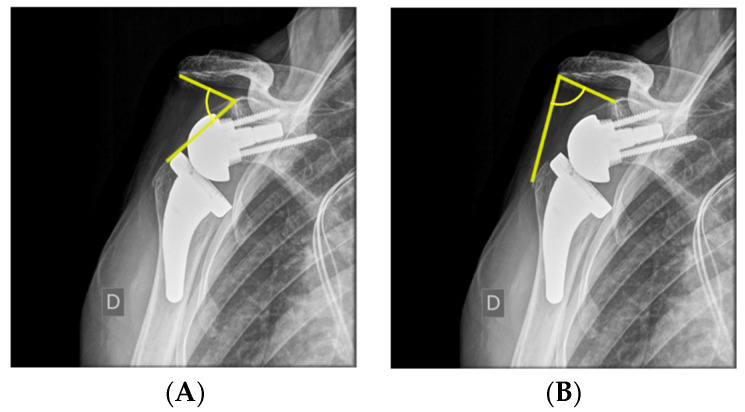
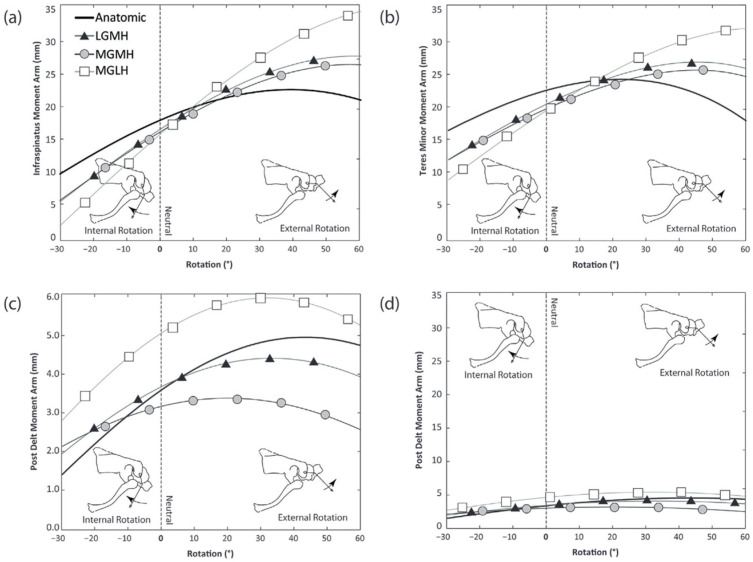
In part II of this comprehensive review on the optimization of reverse shoulder arthroplasty (RSA), we focus on three other challenges: 1. "Conservation of sufficient subacromial and coracohumeral space"; 2. "Scapular posture"; and 3. "Moment arms and muscle tensioning". This paper follows a detailed review of the basic science and clinical literature of the challenges in part I: 1. "External rotation and extension" and 2. "Internal rotation". "Conservation of sufficient subacromial and coracohumeral space" and "Scapular posture" may have a significant impact on the passive and active function of RSA. Understanding the implications of "Moment arms and muscle tensioning" is essential to optimize active force generation and RSA performance. An awareness and understanding of the challenges of the optimization of RSA help surgeons prevent complications and improve RSA function and raise further research questions for ongoing study.
Keywords: abduction; biomechanics; lateralization; rotator cuff length; scapula; scapulothoracic; subacromial space.
Conflict of interest statement
The authors declare no conflict of interest related to this work.
Figures
References
Publication types
LinkOut - more resources
Full Text Sources
