


Clinical Applications of Three-Dimensional Printing in Upper Extremity Surgery: A Systematic Review
- PMID: 36836528
- PMCID: PMC9961947
- DOI: 10.3390/jpm13020294
Clinical Applications of Three-Dimensional Printing in Upper Extremity Surgery: A Systematic Review
Abstract
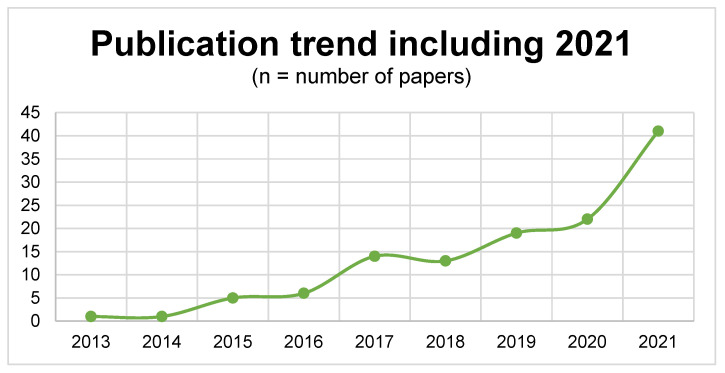
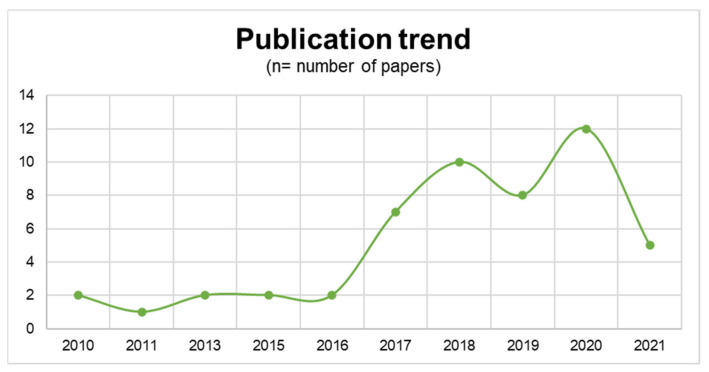
Three-dimensional printing for medical applications in surgery of the upper extremity has gained in popularity as reflected by the increasing number of publications. This systematic review aims to provide an overview of the clinical use of 3D printing in upper extremity surgery.
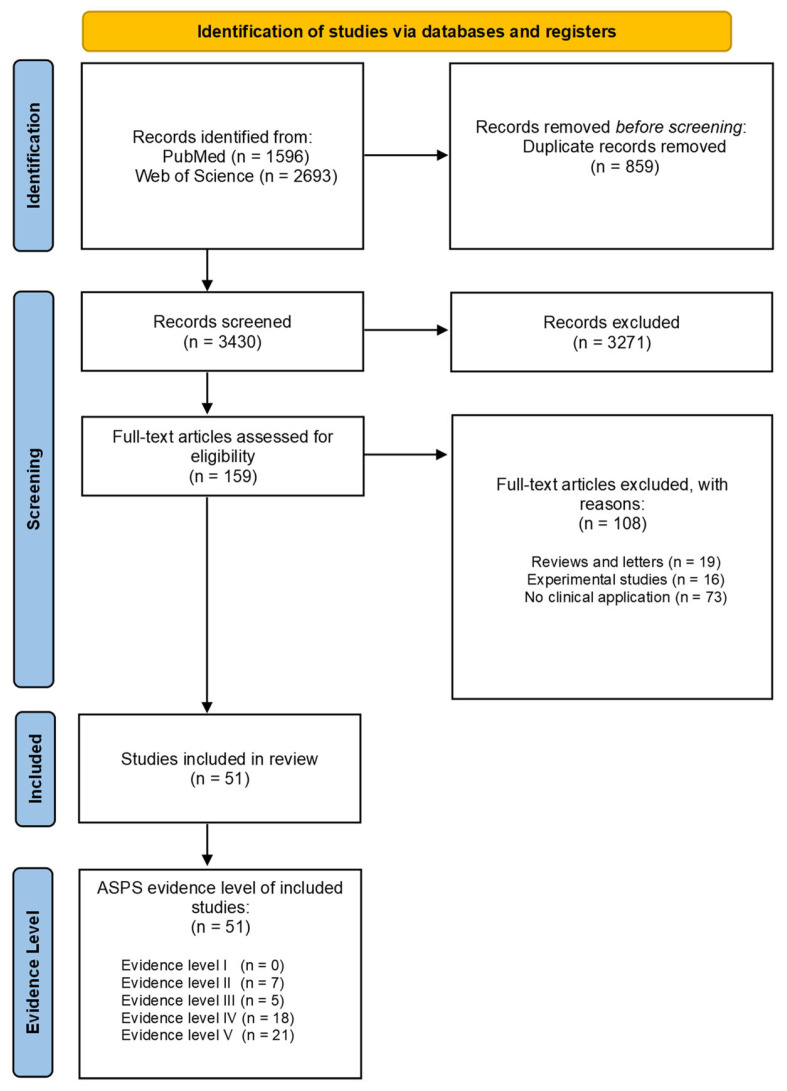
Methods: We searched the databases PubMed and Web of Science for clinical studies that described clinical application of 3D printing for upper extremity surgery including trauma and malformations. We evaluated study characteristics, clinical entity, type of clinical application, concerned anatomical structures, reported outcomes, and evidence level.
Results: We finally included 51 publications with a total of 355 patients, of which 12 were clinical studies (evidence level II/III) and 39 case series (evidence level IV/V). The types of clinical applications were for intraoperative templates (33% of a total of 51 studies), body implants (29%), preoperative planning (27%), prostheses (15%), and orthoses (1%). Over two third of studies were linked to trauma-related injuries (67%).
Conclusion: The clinical application of 3D printing in upper extremity surgery offers great potential for personalized approaches to aid in individualized perioperative management, improvement of function, and ultimately help to benefit certain aspects in the quality of life.
Keywords: 3D printing; patient-specific; rapid prototyping; upper extremity.
Conflict of interest statement
The authors declare no conflict of interest.
Figures
References
-
- Hong C.J., Giannopoulos A.A., Hong B.Y., Witterick I.J., Irish J.C., Lee J., Vescan A., Mitsouras D., Dang W., Campisi P., et al. Clinical applications of three-dimensional printing in otolaryngology–head and neck surgery: A systematic review. Laryngoscope. 2019;129:2045–2052. doi: 10.1002/lary.27831. - DOI - PubMed
Publication types
Grants and funding
LinkOut - more resources
Full Text Sources
