


Metabolic Profiling Identifies Changes in the Winter Wheat Grains Following Fusarium Treatment at Two Locations in Croatia
- PMID: 36840259
- PMCID: PMC9962043
- DOI: 10.3390/plants12040911
Metabolic Profiling Identifies Changes in the Winter Wheat Grains Following Fusarium Treatment at Two Locations in Croatia
Abstract
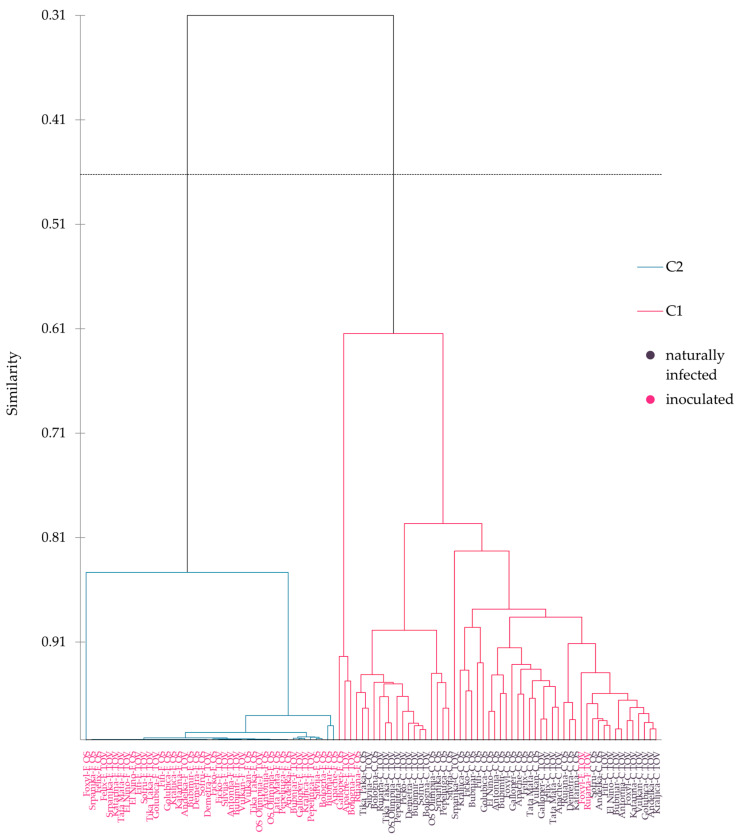
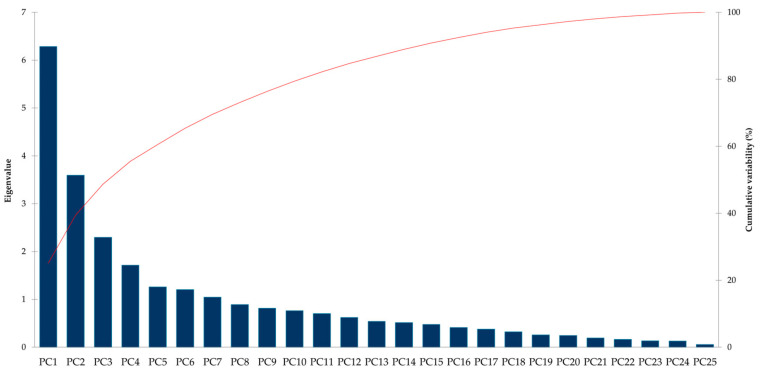
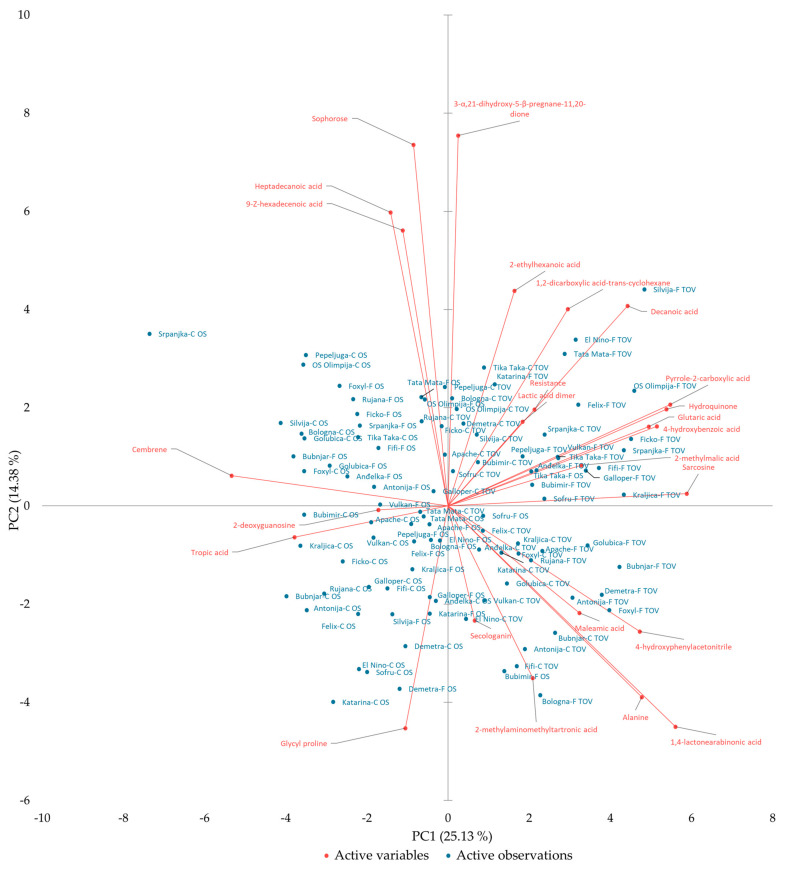
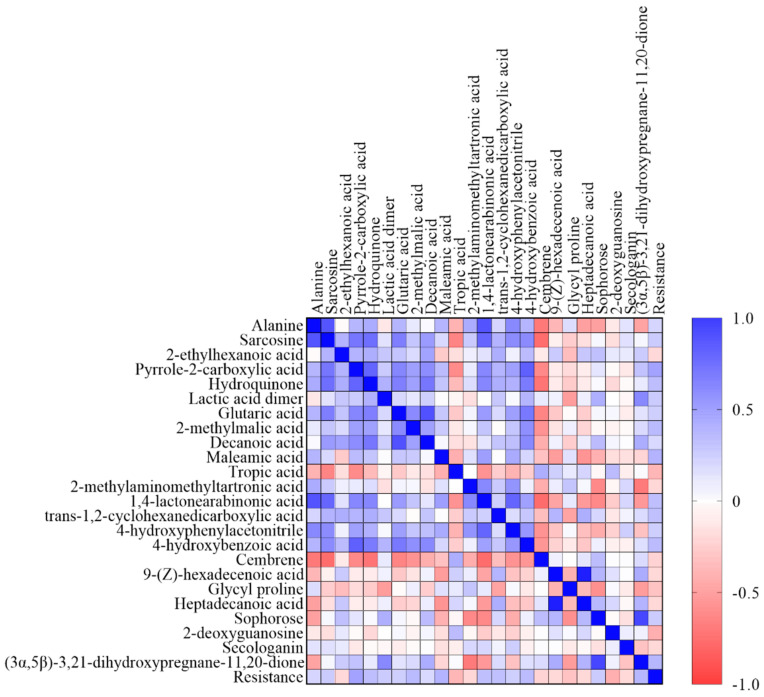
Fusarium head blight (FHB) is one of the most dangerous diseases of winter wheat, resulting in reduced grain yield and quality, and production of mycotoxins by the Fusarium fungi. In the present study, changes in the grain metabolomics of winter wheat samples infected with Fusarium spp. and corresponding non-infected samples from two locations in Croatia were investigated by GC-MS. A Mann-Whitney test revealed that 24 metabolites detected were significantly separated between Fusarium-inoculated and non-infected samples during the variety by treatment interactions. The results confirmed that in grains of six FHB-resistant varieties, ten metabolites were identified as possible resistance-related metabolites. These metabolites included heptadecanoic acid, 9-(Z)-hexadecenoic acid, sophorose, and secolaganin in grains of FHB-resistant varieties at the Osijek location, as well as 2-methylaminomethyltartronic acid, maleamic acid, 4-hydroxyphenylacetonitrile, 1,4-lactonearabinonic acid, secolaganin, and alanine in grains of FHB-resistant varieties at the Tovarnik location. Moreover, on the PCA bi-plot, FHB-susceptible wheat varieties were closer to glycyl proline, decanoic acid, and lactic acid dimer that could have affected other metabolites, and thus, suppressed resistance to FHB. Although defense reactions were genetically conditioned and variety specific, resulting metabolomics changes may give insight into defense-related pathways that could be manipulated to engineer plants with improved resistance to the pathogen.
Keywords: Fusarium head blight; GC-MS; biotic stress; metabolic profiling; winter wheat.
Conflict of interest statement
The authors declare no conflict of interest.
Figures
References
-
- Mielniczuk E., Skwaryło-Bednarz B. Fusarium head blight, mycotoxins and strategies for their reduction. Agronomy. 2020;10:509. doi: 10.3390/agronomy10040509. - DOI
-
- Spanic V., Lemmens M., Drezner G. Morphological and molecular identification of Fusarium species associated with head blight on wheat in East Croatia. Eur. J. Plant Pathol. 2010;128:511–516. doi: 10.1007/s10658-010-9682-1. - DOI
Grants and funding
LinkOut - more resources
Full Text Sources
Miscellaneous
