


The relationship between mobility and COVID-19 pandemic: Daily evidence from an emerging country by causality analysis
- PMID: 36844006
- PMCID: PMC9940612
- DOI: 10.1016/j.trip.2021.100366
The relationship between mobility and COVID-19 pandemic: Daily evidence from an emerging country by causality analysis
Abstract
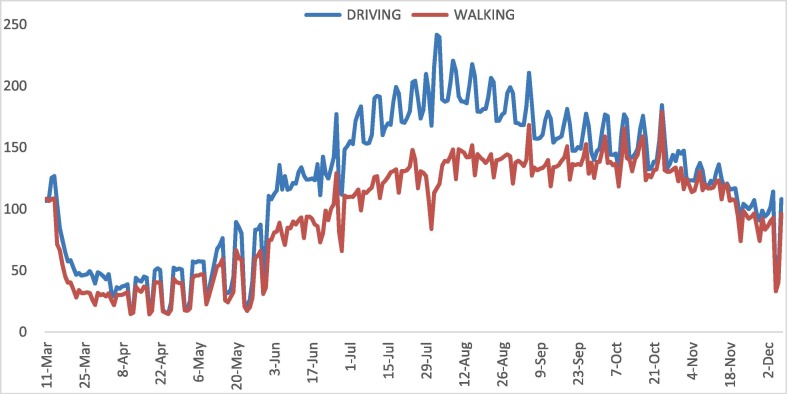
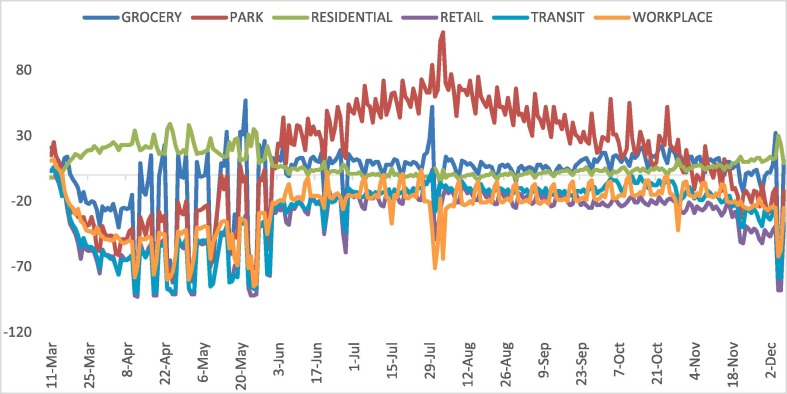
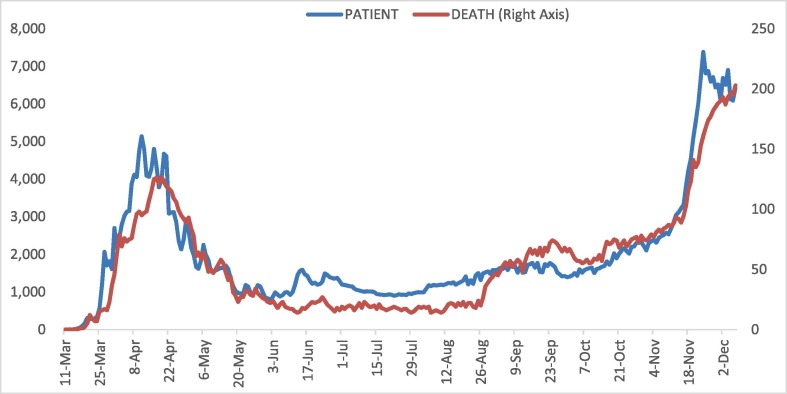
This study examines the relationship between mobility (a proxy for transport) and the COVID-19 pandemic by focusing on Turkey as an example of an emerging country. In this context, eight types of mobility and two indicators of COVID-19 were analyzed using daily data from March 11, 2020 to December 7, 2020 by applying Toda-Yamamoto causality test. The findings revealed that (i) there is cointegration between the variables in the long term; (ii) there is an econometric causality between mobility indicators (mobility of grocery, park, residential, retail, and workplace) and pandemic indicators; (iii) various mobility indicators have an econometric causality with different pandemic indicators; (iv) neither driving mobility nor walking mobility has an econometric causality with the pandemic indicators whereas some of the other types of mobility, such as grocery, park, and retail do. These results generally show the effects of mobility and highlight the importance of appropriate mobility restrictions in terms of the pandemic.
Keywords: COVID-19 pandemic; Mobility; Toda-Yamamoto causality test; Turkey.
© 2021 The Author(s).
Conflict of interest statement
The authors declare that they have no known competing financial interests or personal relationships that could have appeared to influence the work reported in this paper.
Figures
References
-
- AlAli M.S. The effect of WHO COVID-19 announcement on Asian stock markets returns: an event study analysis. J. Econ. Bus. 2020;3(3):1050–1054.
-
- Apple, 2020. Mobility Trends Reports, <https://covid19.apple.com/mobility>, (22.12.2020).
-
- Bloomberg, 2020. Bloomberg Terminal, (12.22.2020).
LinkOut - more resources
Full Text Sources