


Pest categorisation of cowpea mosaic virus
- PMID: 36846393
- PMCID: PMC9951085
- DOI: 10.2903/j.efsa.2023.7847
Pest categorisation of cowpea mosaic virus
Abstract
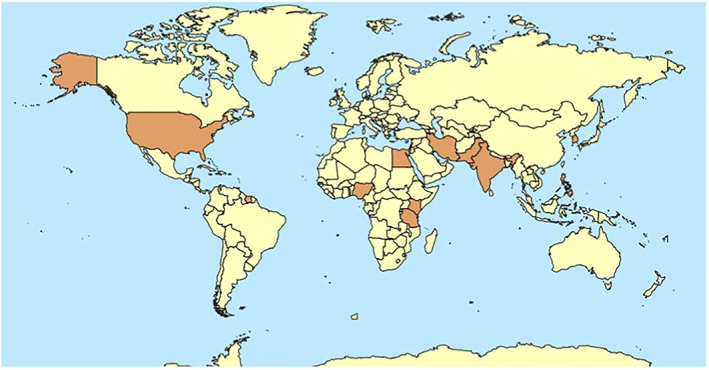
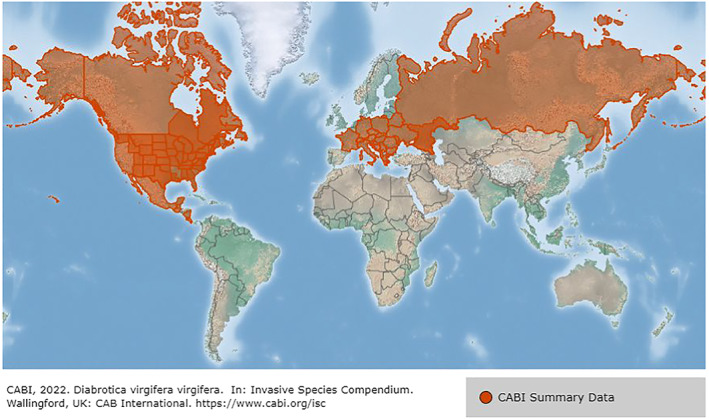
The EFSA Panel on Plant Health conducted a pest categorisation of cowpea mosaic virus (CPMV) for the EU territory. The identity of CPMV, a member of the genus Comovirus (family Secoviridae), is established and detection and identification methods are available. The pathogen is not included in the Commission Implementing Regulation (EU) 2019/2072. It has been reported from the Americas, and several countries in Africa and Asia and it is not known to be present in the EU in natural conditions. CPMV is considered a major pathogen of cowpea on which it causes symptoms ranging from mild to severe mosaic, chlorosis and necrosis. The virus has been reported sporadically on some other cultivated species of the family Fabaceae, including soybean and some common bean varieties. CPMV is transmitted by cowpea seeds, with uncertainty on the transmission rate. There is uncertainty on seed transmission by other Fabaceae host species due to lack of information. CPMV is also transmitted by several beetle species, one of which, Diabrotica virgifera virgifera, is present in the EU. Seeds for sowing of cowpea are identified as the major entry pathway. The cultivated area and production of cowpea in the EU territory are mainly limited to local varieties cultivated at a small scale in Mediterranean EU Member States. Should the pest establish in the EU, an impact is expected on cowpea crops at local scale. There is high uncertainty on the potential impact that CPMV would cause on other natural hosts cultivated in the EU due to the lack of information from the areas of CPMV's current distribution. Despite the uncertainty concerning the potential impact on bean and soybean crops in the EU, CPMV satisfies the criteria that are within the remit of EFSA to assess for it to be regarded as a potential Union quarantine pest.
Keywords: CPMV; Comovirus; Diabrotica virgifera virgifera; Fabaceae; pest risk; plant health; quarantine.
© 2023 European Food Safety Authority. EFSA Journal published by Wiley‐VCH GmbH on behalf of European Food Safety Authority.
Figures
References
-
- Abd El‐Aziz MH and Younes HA, 2019. Serological and molecular characterization of two seed born cowpea mosaic Comovirus isolates affecting cowpea plants (Vigna unguiculata L.) in northern Egypt. Journal of Plant Science and Phytopathology, 3(3), 86–94.
-
- Abdel Aleem EE, Fattouh FA and Omar SM, 2019. Detection, isolation and characterization of cowpea mosaic virus in Egypt. Journal of Plant Diseases and Protection, 126(6), 599–602.
-
- Agrawal HO, 1964. Identification of cowpea mosaic virus isolates. PhD Thesis, Veenman.
-
- Alconero R and Santiago A, 1973. Phaseolus lathyroides as a reservoir of cowpea mosaic virus in Puerto Rico. Phytopathology, 63, 120–123.
-
- Aliyu TH, Balogun OS and Kumar L, 2012. Survey of the symptoms and viruses associated with cowpea (Vigna unguiculata L.) in the Agroecological zones of Kwara State, Nigeria. Ethiopian Journal of Environmental Studies and Management, 5(4), 613–619.