


Reducing inequities in maternal and child health in rural Guatemala through the CBIO+ Approach of Curamericas: 5. Mortality assessment
- PMID: 36855128
- PMCID: PMC9976377
- DOI: 10.1186/s12939-022-01757-7
Reducing inequities in maternal and child health in rural Guatemala through the CBIO+ Approach of Curamericas: 5. Mortality assessment
Abstract
Background: The Curamericas/Guatemala Maternal and Child Health Project, 2011-2015, implemented the Census-Based, Impact-Oriented Approach, the Care Group Approach, and the Community Birthing Center Approach. Together, this expanded set of approaches is known as CBIO+. This is the fifth of 10 papers in our supplement describing the Project and the effectiveness of the CBIO+ Approach. This paper assesses causes, levels, and risk factors for mortality along with changes in mortality.
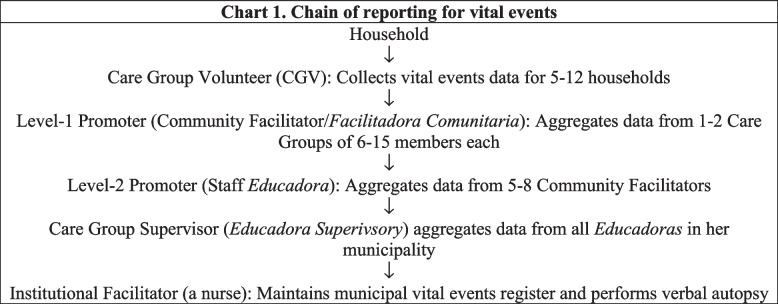
Methods: The Project maintained Vital Events Registers and conducted verbal autopsies for all deaths of women of reproductive age and under-5 children. Mortality rates and causes of death were derived from these data. To increase the robustness of our findings, we also indirectly estimated mortality decline using the Lives Saved Tool (LiST).
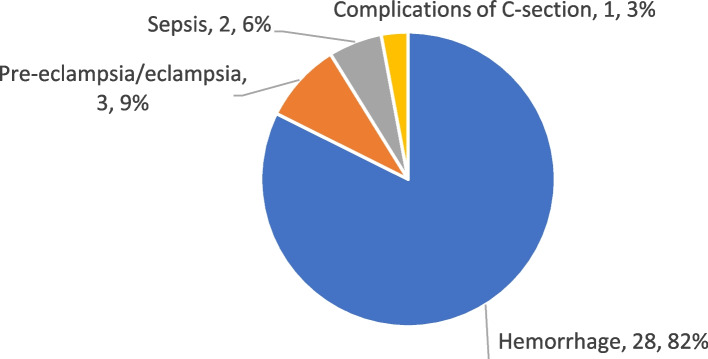
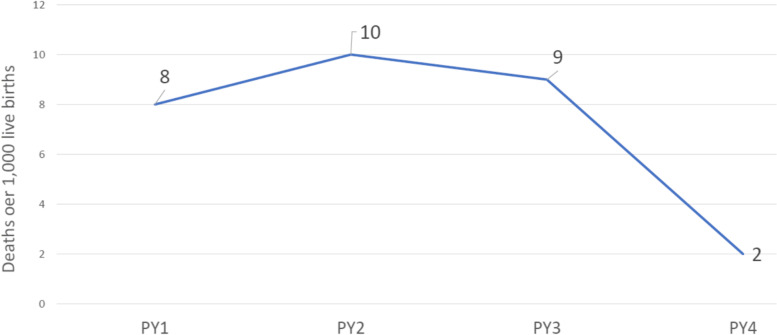
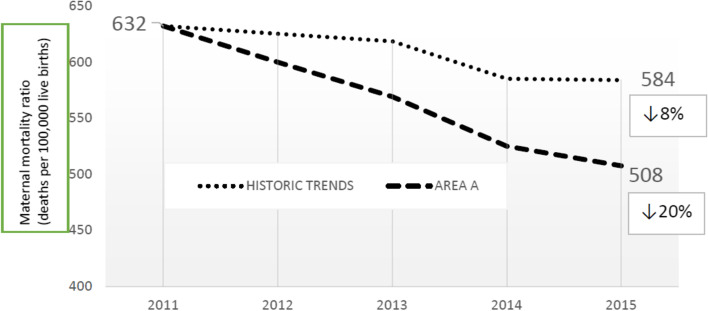
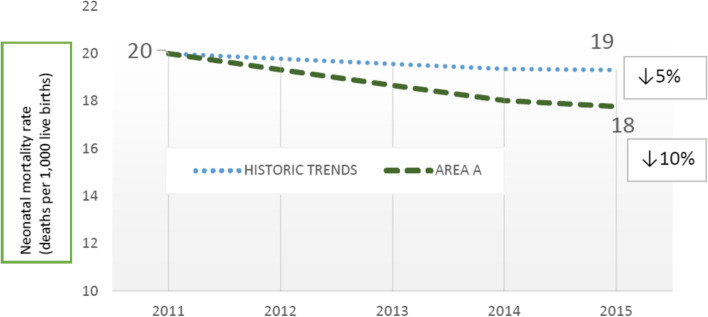
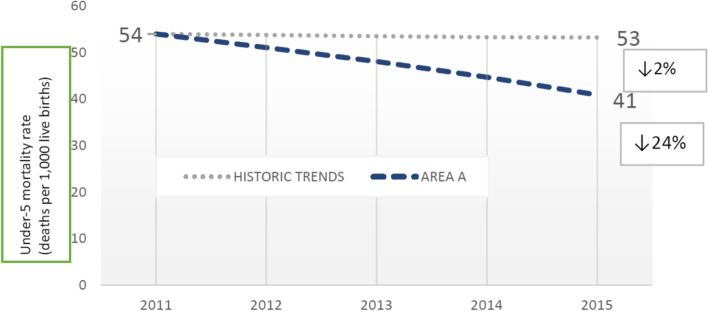
Findings: The leading causes of maternal and under-5 mortality were postpartum hemorrhage and pneumonia, respectively. Home births were associated with an eight-fold increased risk of both maternal (p = 0.01) and neonatal (p = 0.00) mortality. The analysis of vital events data indicated that maternal mortality declined from 632 deaths per 100,000 live births in Years 1 and 2 to 257 deaths per 100,000 live birth in Years 3 and 4, a decline of 59.1%. The vital events data revealed no observable decline in neonatal or under-5 mortality. However, the 12-59-month mortality rate declined from 9 deaths per 1000 live births in the first three years of the Project to 2 deaths per 1000 live births in the final year. The LiST model estimated a net decline of 12, 5, and 22% for maternal, neonatal and under-5 mortality, respectively.
Conclusion: The baseline maternal mortality ratio is one of the highest in the Western hemisphere. There is strong evidence of a decline in maternal mortality in the Project Area. The evidence of a decline in neonatal and under-5 mortality is less robust. Childhood pneumonia and neonatal conditions were the leading causes of under-5 mortality. Expanding access to evidence-based community-based interventions for (1) prevention of postpartum hemorrhage, (2) home-based neonatal care, and (3) management of childhood pneumonia could help further reduce mortality in the Project Area and in similar areas of Guatemala and beyond.
Keywords: Care Groups; Census-Based, Impact-Oriented Approach; Child health; Child mortality; Community birthing centers; Community health; Community-based primary health care; Curamericas Global; Curamericas/Guatemala; Equity; Guatemala; Implementation research; Maternal health; Maternal mortality; Mortality assessment; Primary health care.
© 2023. The Author(s).
Conflict of interest statement
The authors declare that they have no competing interests.
Figures




References
-
- Valdez M, Stollak I, Pfeiffer E, Lesnar B, Leach K, Modanlo N, et al. Reducing inequities in maternal and child health in rural Guatemala through the CBIO+ approach of Curamericas: 1. Introduction and project description. Int J Equity Health. 2023;21 Suppl 2. 10.1186/s12939-022-01752-y. - PMC - PubMed
-
- Blanco S, Valdez M, Stollak I, Westgate C, Herrea A, Perry H. Reducing inequities in maternal and child health in rural Guatemala through the CBIO+ approach of Curamericas: 3. Expansion of population coverage of key interventions. Int J Equity Health. 2023;21 Suppl 2. 10.1186/s12939-022-01755-9. - PMC - PubMed
-
- Perry H, Stollak I, Llanque R, Blanco S, Jordan-Bell E, Shindhelm A, et al. Reducing inequities in maternal and child health in rural Guatemala through the CBIO+ approach of Curamericas: 4. Nutrition-related activities and improvements in childhood nutritional status. Int J Equity Health. 2023;21 Suppl 2. 10.1186/s12939-022-01756-8. - PMC - PubMed
-
- Olivas E, Valdez M, Muffoletto B, Wallace J, Stollak I, Perry H. Reducing inequities in maternal and child health in rural Guatemala through the CBIO+ approach of Curamericas: 6. Management of pregnancy complications at community birthing centers (casas Maternas Rurales). Int J Equity Health. 2023;21 Suppl 2. 10.1186/s12939-022-01758-6. - PMC - PubMed
Publication types
MeSH terms
LinkOut - more resources
Full Text Sources
Medical
