


Ichthyosis linked to sphingosine 1-phosphate lyase insufficiency is due to aberrant sphingolipid and calcium regulation
- PMID: 36868360
- PMCID: PMC10123262
- DOI: 10.1016/j.jlr.2023.100351
Ichthyosis linked to sphingosine 1-phosphate lyase insufficiency is due to aberrant sphingolipid and calcium regulation
Abstract
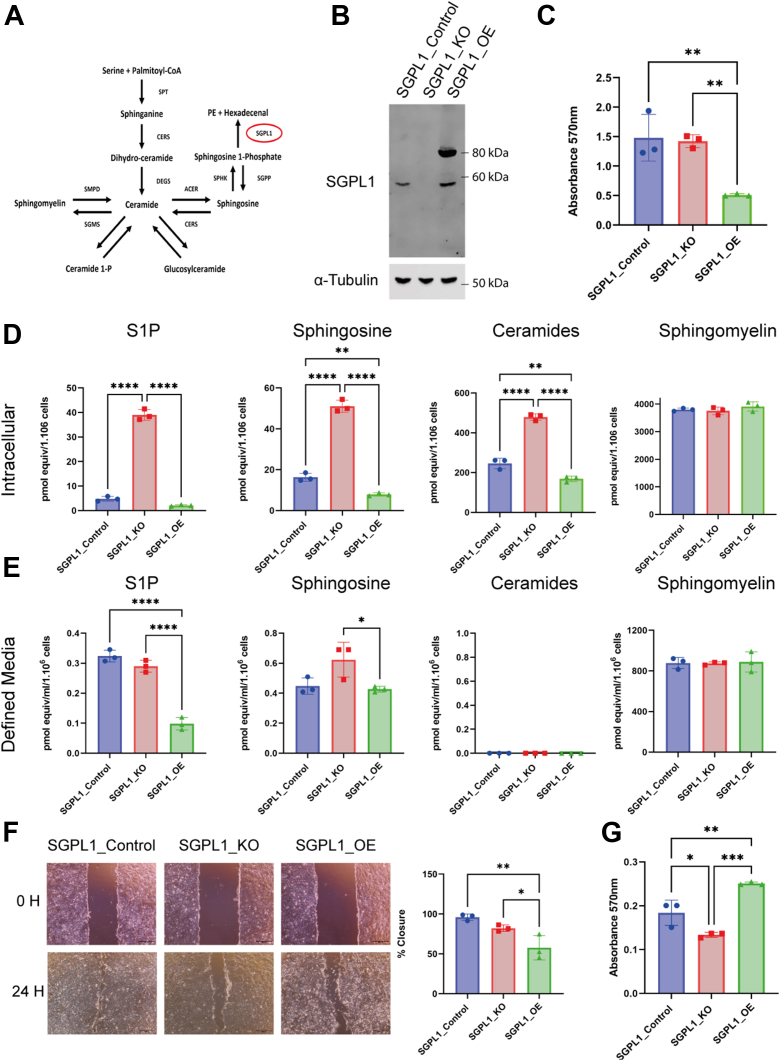
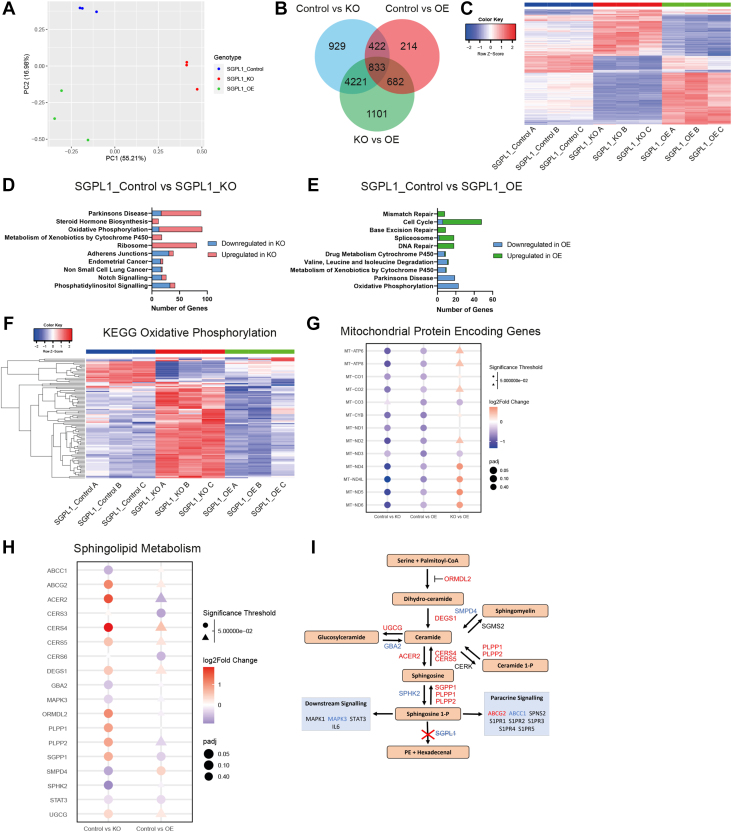
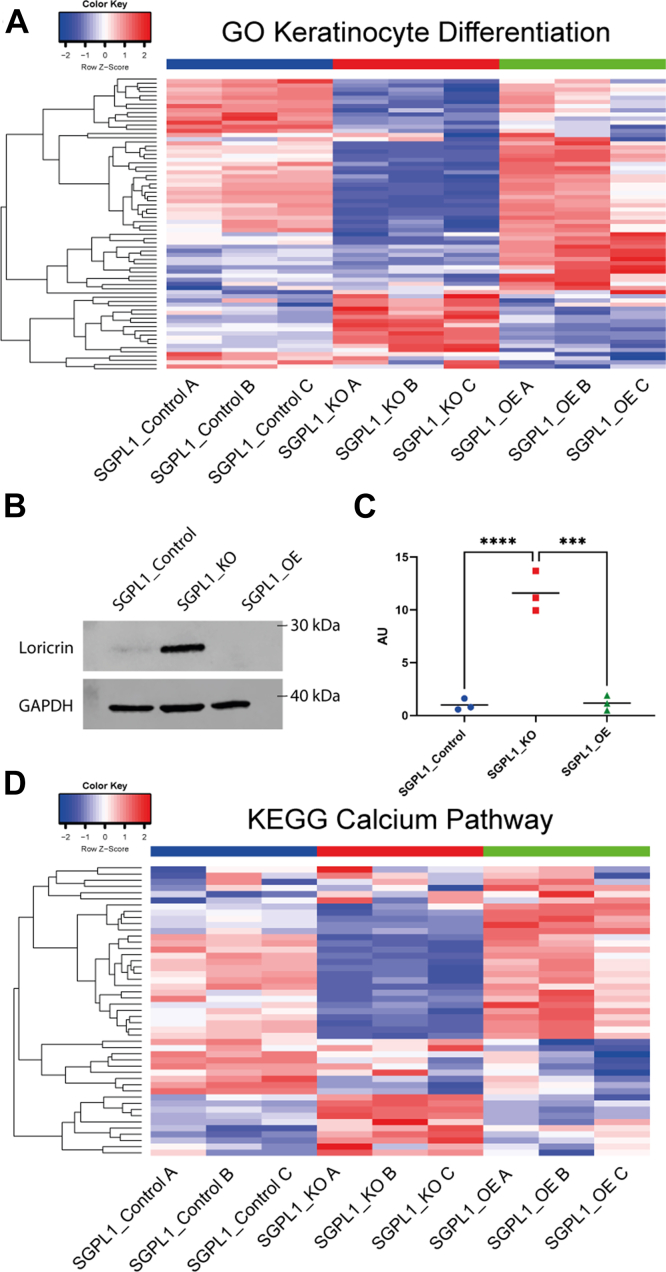
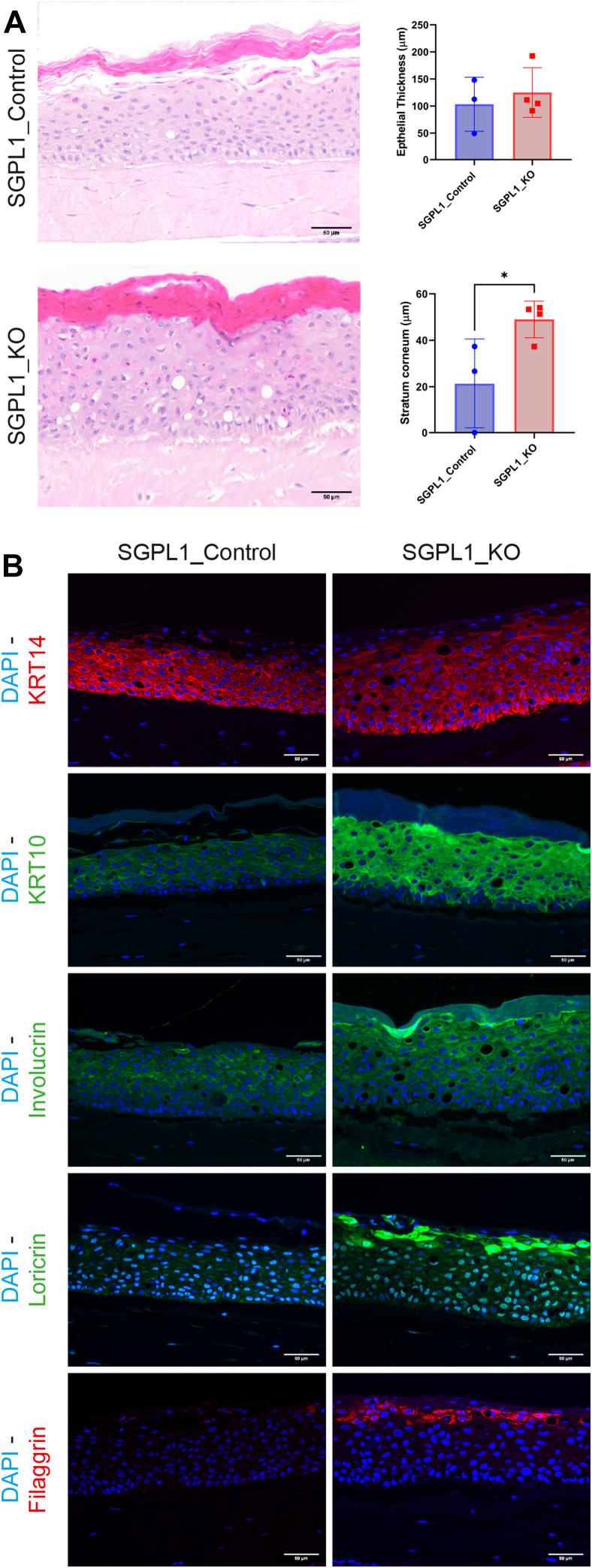
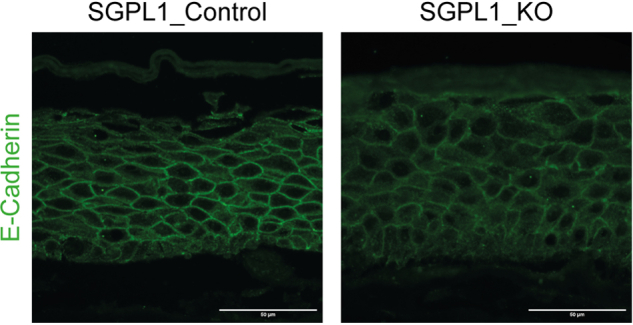
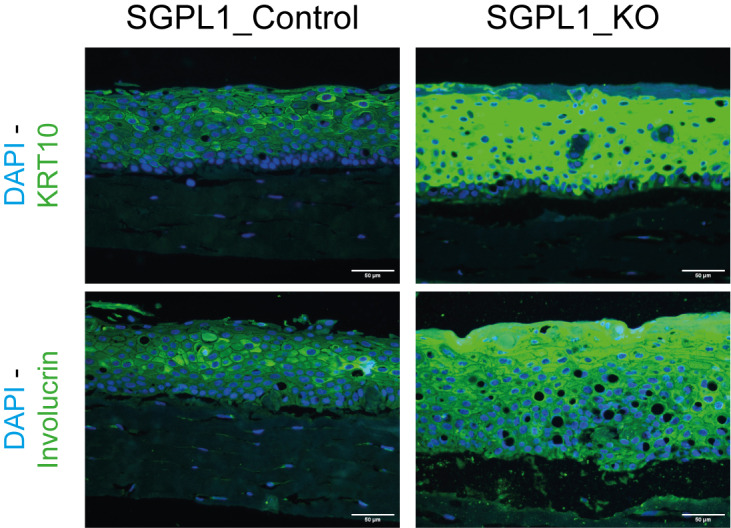
Sphingosine 1-phosphate lyase (SGPL1) insufficiency (SPLIS) is a syndrome which presents with adrenal insufficiency, steroid-resistant nephrotic syndrome, hypothyroidism, neurological disease, and ichthyosis. Where a skin phenotype is reported, 94% had abnormalities such as ichthyosis, acanthosis, and hyperpigmentation. To elucidate the disease mechanism and the role SGPL1 plays in the skin barrier we established clustered regularly interspaced short palindromic repeats-Cas9 SGPL1 KO and a lentiviral-induced SGPL1 overexpression (OE) in telomerase reverse-transcriptase immortalised human keratinocytes (N/TERT-1) and thereafter organotypic skin equivalents. Loss of SGPL1 caused an accumulation of S1P, sphingosine, and ceramides, while its overexpression caused a reduction of these species. RNAseq analysis showed perturbations in sphingolipid pathway genes, particularly in SGPL1_KO, and our gene set enrichment analysis revealed polar opposite differential gene expression between SGPL1_KO and _OE in keratinocyte differentiation and Ca2+ signaling genesets. SGPL1_KO upregulated differentiation markers, while SGPL1_OE upregulated basal and proliferative markers. The advanced differentiation of SGPL1_KO was confirmed by 3D organotypic models that also presented with a thickened and retained stratum corneum and a breakdown of E-cadherin junctions. We conclude that SPLIS associated ichthyosis is a multifaceted disease caused possibly by sphingolipid imbalance and excessive S1P signaling, leading to increased differentiation and an imbalance of the lipid lamellae throughout the epidermis.
Keywords: calcium signaling; ceramides; differentiation; epidermis; gene set enrichment analysis; keratinocytes; lipid lamellae imbalance; organotypics; pyridoxal 5′-phosphate-dependent aldehyde lyase; sphingolipid accumulation.
Copyright © 2023 The Authors. Published by Elsevier Inc. All rights reserved.
Conflict of interest statement
Conflict of interest The authors declare that there is no conflict of interest that could be perceived as prejudicing the impartiality of the research reported.
Figures
References
Publication types
MeSH terms
Substances
Grants and funding
LinkOut - more resources
Full Text Sources
Molecular Biology Databases
Research Materials
Miscellaneous
