


Association between high-mobility group box 1 levels and febrile seizures in children: a systematic review and meta-analysis
- PMID: 36869074
- PMCID: PMC9983536
- DOI: 10.1038/s41598-023-30713-w
Association between high-mobility group box 1 levels and febrile seizures in children: a systematic review and meta-analysis
Erratum in
-
Publisher Correction: Association between high-mobility group box 1 levels and febrile seizures in children: a systematic review and meta-analysis.Sci Rep. 2023 May 1;13(1):7082. doi: 10.1038/s41598-023-34109-8. Sci Rep. 2023. PMID: 37127795 Free PMC article. No abstract available.
Abstract
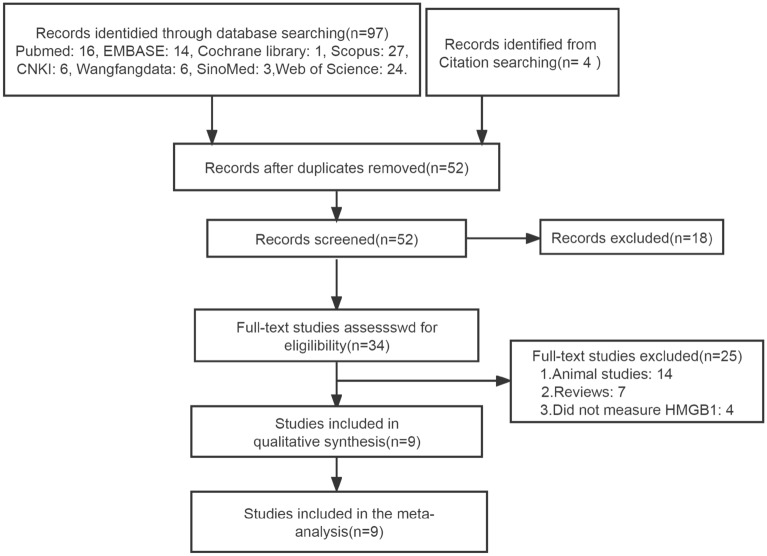
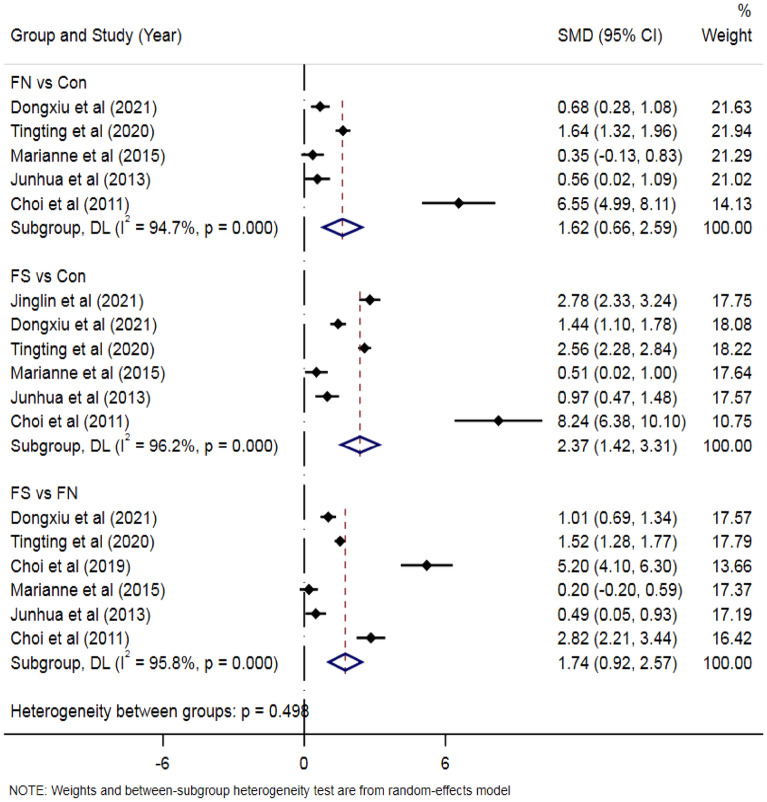
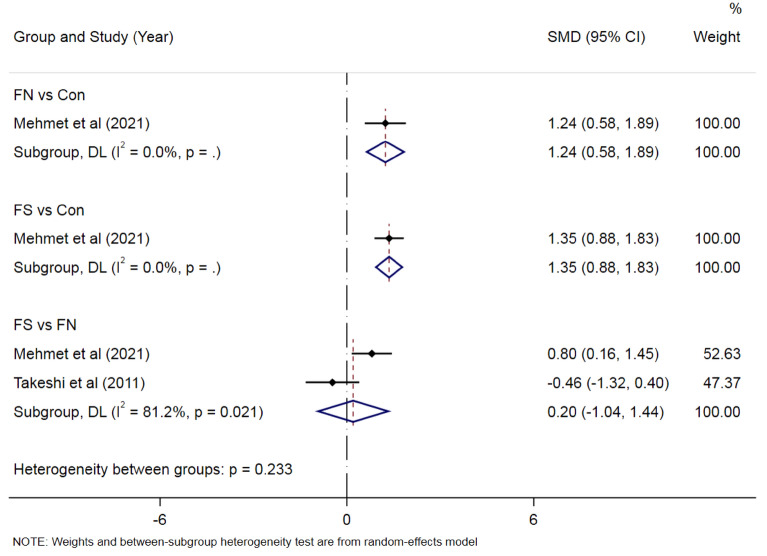
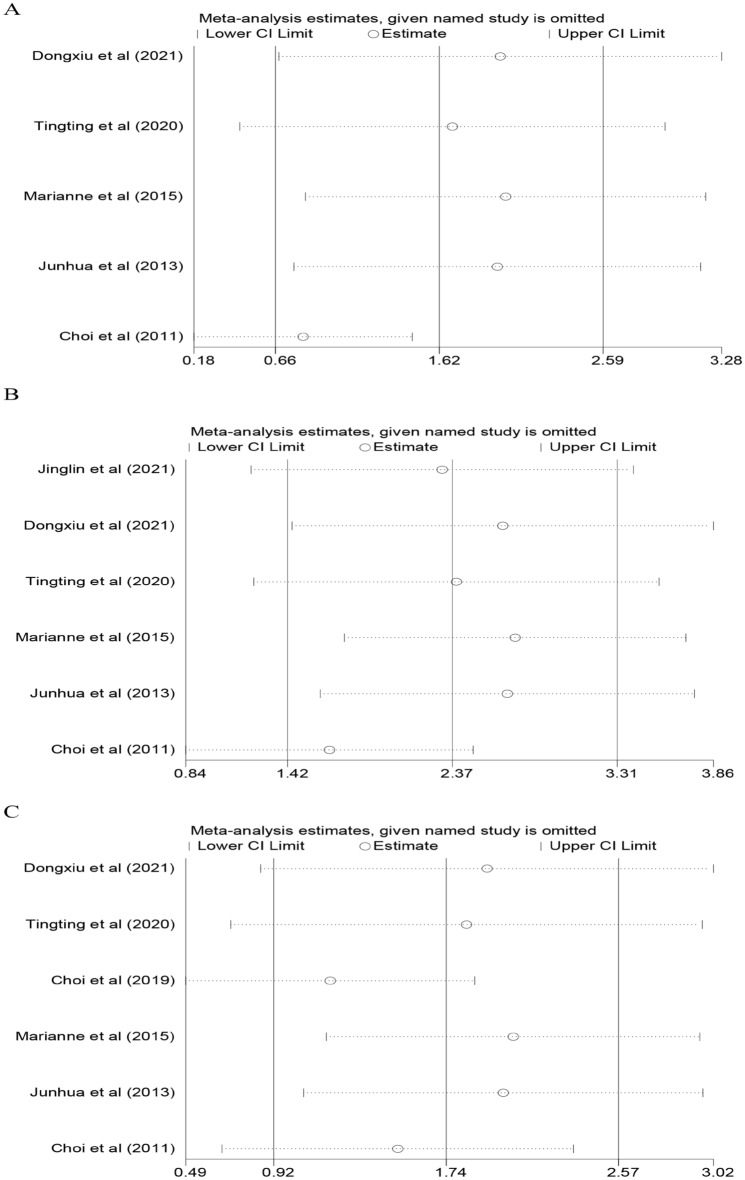
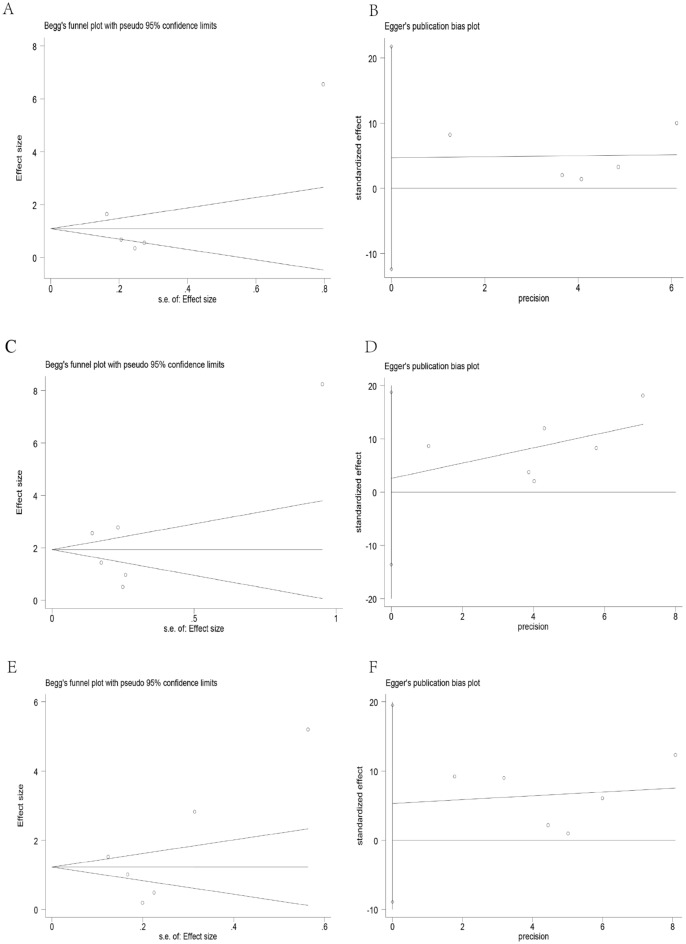
The relationship between High-mobility group box 1 (HMGB1) and febrile seizures (FS) in children remains unclear. This study aimed to apply meta-analysis to reveal the correlation between HMGB1 levels and FS in children. Databases including PubMed, EMBASE, Web of science, Cochrane library, CNKI, SinoMed and WanFangData were searched for relevant studies. Pooled standard mean deviation and 95% confidence interval were calculated as effect size since the random-effects model was used when I2 > 50%. Meanwhile, between-study heterogeneity was determined by performing subgroup and sensitivity analyses. A total of 9 studies were finally included. Meta-analysis showed that the children with FS had significantly higher HMGB1 levels compared with healthy children and children with fever but no seizures (P<0.05). Additionally, subgroup analysis showed that the HMGB1 level in children with complex FS was higher than those with simple FS (P<0.05), and children with duration >15 min were higher than those with duration ≤15min (P<0.05). There were no statistical differences between children with or without a family history of FS (P>0.05). Finally, children with FS who converted to epilepsy exhibited higher HMGB1 levels than those who did not convert to epilepsy (P<0.05). The level of HMGB1 may be implicated in the prolongation, recurrence and development of FS in children. Thus, it was necessary to evaluate the precise concentrations of HMGB1 in FS patients and to further determine the various activities of HMGB1 during FS by well-designed, large-scale, and case-controlled trials.
© 2023. The Author(s).
Conflict of interest statement
The authors declare no competing interests.
Figures
References
Publication types
MeSH terms
Substances
LinkOut - more resources
Full Text Sources
