


Effects of regional cerebral oxygen saturation monitoring on postoperative cognitive dysfunction in older patients: a systematic review and meta-analysis
- PMID: 36879186
- PMCID: PMC9987102
- DOI: 10.1186/s12877-023-03804-6
Effects of regional cerebral oxygen saturation monitoring on postoperative cognitive dysfunction in older patients: a systematic review and meta-analysis
Abstract
Background: Postoperative cognitive dysfunction (POCD) is common after surgery and anesthesia, particularly in older patients. It has been reported that regional cerebral oxygen saturation (rSO2) monitoring potentially influences the occurrence of POCD. However, its role in the prevention of POCD remains controversial in older patients. Additionally, the quality of evidence on this topic is still relatively poor.
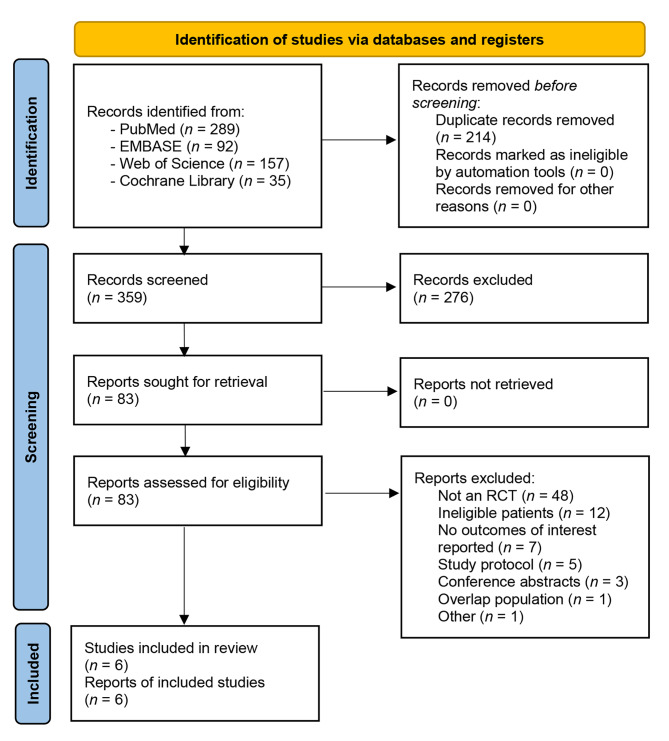
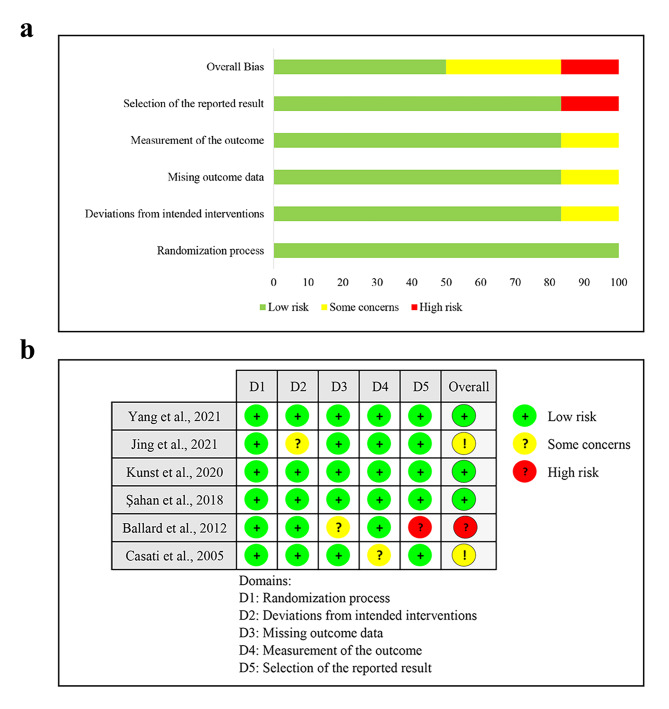
Methods: The electronic databases PubMed, EMBASE, Web of Science, and Cochrane Library were systematically searched using the indicated keywords from their inception to June 10, 2022. We limited our meta-analysis to randomized controlled trials (RCTs) that assessed the effects of rSO2 monitoring on POCD in older patients. Methodological quality and risk of bias were assessed. The primary outcome was the incidence of POCD during hospitalization. The secondary outcomes were postoperative complications and the length of hospital stay (LOS). Odds ratios (OR) and 95% confidence intervals (CI) were calculated to determine the incidence of POCD and postoperative complications. The standardized mean difference (SMD) instead of the raw mean difference and 95% CI were calculated for LOS.
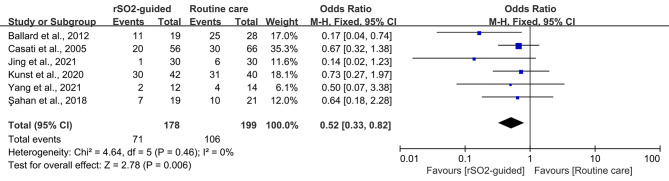
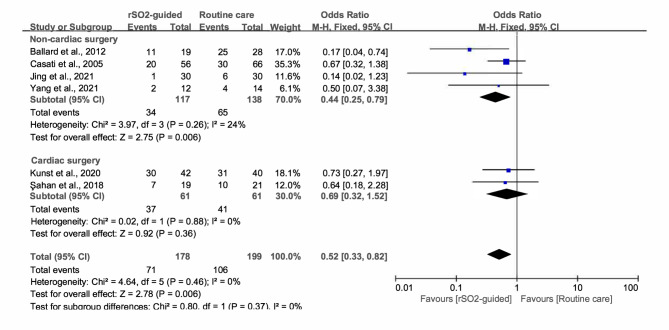
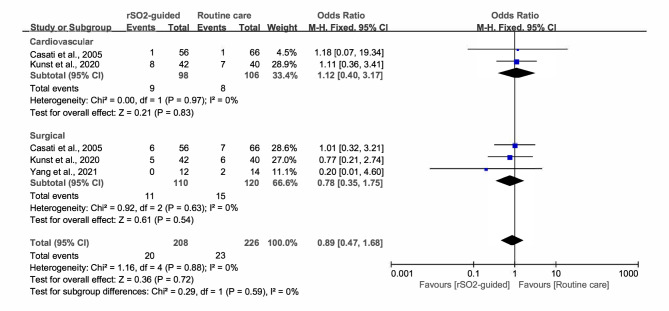
Results: Six RCTs, involving 377 older patients, were included in this meta-analysis. The incidence of POCD ranges from 17 to 89%, with an overall prevalence of 47% in our pooled analysis. Our results demonstrated that rSO2-guided intervention could reduce the incidence of POCD in older patients undergoing non-cardiac surgery (OR, 0.44; 95% CI, 0.25 to 0.79; P = 0.006) rather than cardiac surgery (OR, 0.69; 95% CI, 0.32 to 1.52; P = 0.36). Intraoperative rSO2 monitoring was also associated with a significantly shorter LOS in older patients undergoing non-cardiac surgery (SMD, -0.93; 95% CI, -1.75 to -0.11; P = 0.03). Neither the incidence of postoperative cardiovascular (OR, 1.12; 95% CI, 0.40 to 3.17; P = 0.83) nor surgical (OR, 0.78; 95% CI, 0.35 to 1.75; P = 0.54) complications were affected by the use of rSO2 monitoring.
Conclusion: The use of rSO2 monitoring is associated with a lower risk of POCD and a shorter LOS in older patients undergoing non-cardiac surgery. This may have the potential to prevent POCD in high-risk populations. Further large RCTs are still warranted to support these preliminary findings.
Keywords: Meta-analysis; Older patients; Postoperative cognitive dysfunction; Regional cerebral oxygen saturation.
© 2023. The Author(s).
Conflict of interest statement
The authors declare that they have no competing interests.
Figures



References
Publication types
MeSH terms
Grants and funding
LinkOut - more resources
Full Text Sources
