


The Efficacy of GLP-1 Analogues on Appetite Parameters, Gastric Emptying, Food Preference and Taste Among Adults with Obesity: Systematic Review of Randomized Controlled Trials
- PMID: 36890965
- PMCID: PMC9987242
- DOI: 10.2147/DMSO.S387116
The Efficacy of GLP-1 Analogues on Appetite Parameters, Gastric Emptying, Food Preference and Taste Among Adults with Obesity: Systematic Review of Randomized Controlled Trials
Abstract
Background: Obesity is an epidemiological issue that negatively affects public health and has led to a high global burden on the healthcare system. Several approaches to control and overcome the obesity crisis have been established. However, Nobel discoverers found that glucagon-like peptide-1 analogues (GLP-1 analogues) positively regulate appetite and food intake, eventually leading to weight loss.
Objective: The present systematic review aims to summarize the currently available evidence of the impact of GLP-1 analogues on appetite, gastric emptying, taste sensitivity, and food preferences among adults with obesity without other chronic diseases.
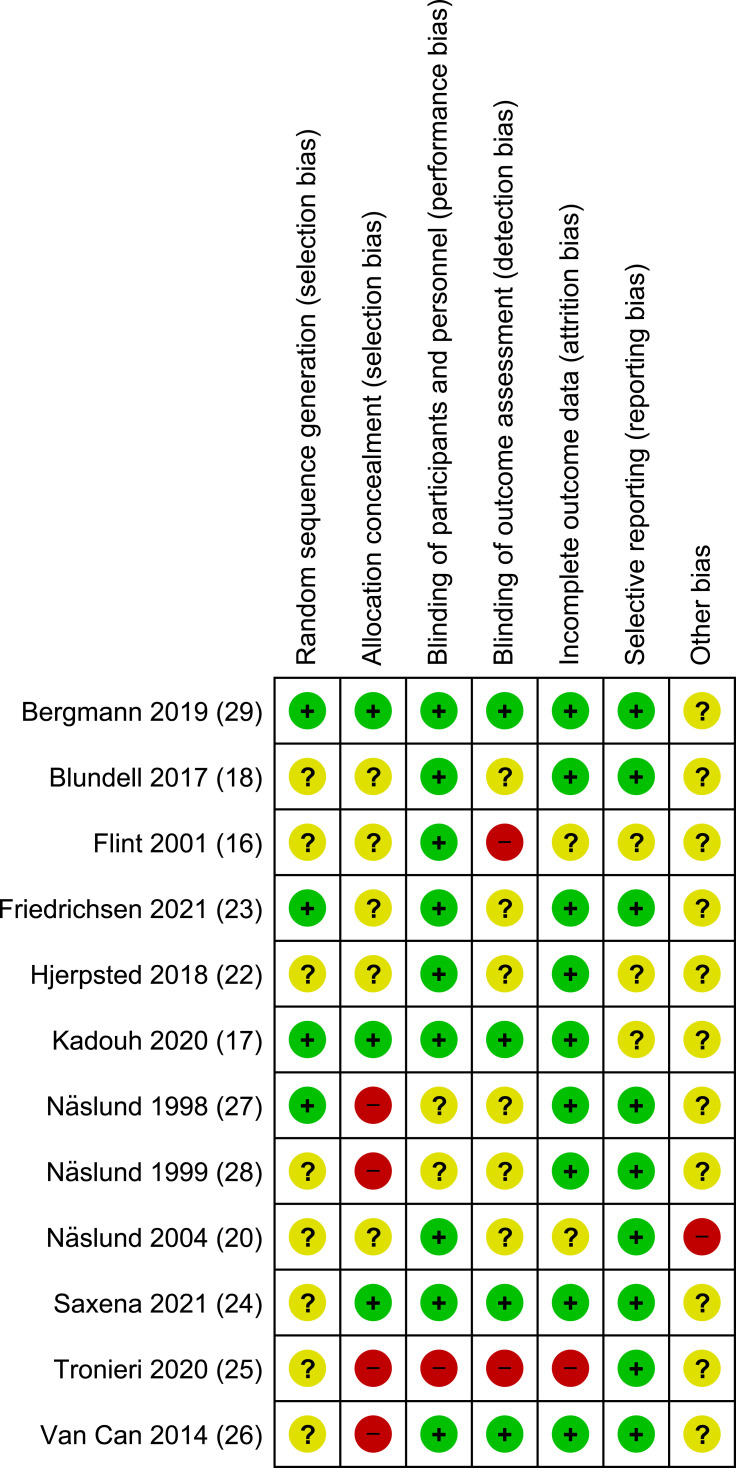
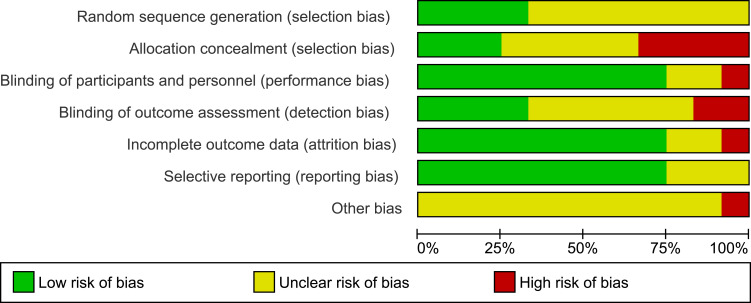
Methods: A systematic literature search was conducted from October 2021 to December 2021 from three electronic databases (PubMed, Scopus, and ScienceDirect), including only randomized clinical trials (RCTs). Studies were based on the use of GLP-1 analogues, of any dosage and duration among adults with obesity without other medical diseases; studies measured appetite, gastric emptying, food preferences, and taste as a primary or secondary outcome. The risk of publication bias in each study was assessed independently using the updated Cochrane risk-of-bias tool (RoB2).
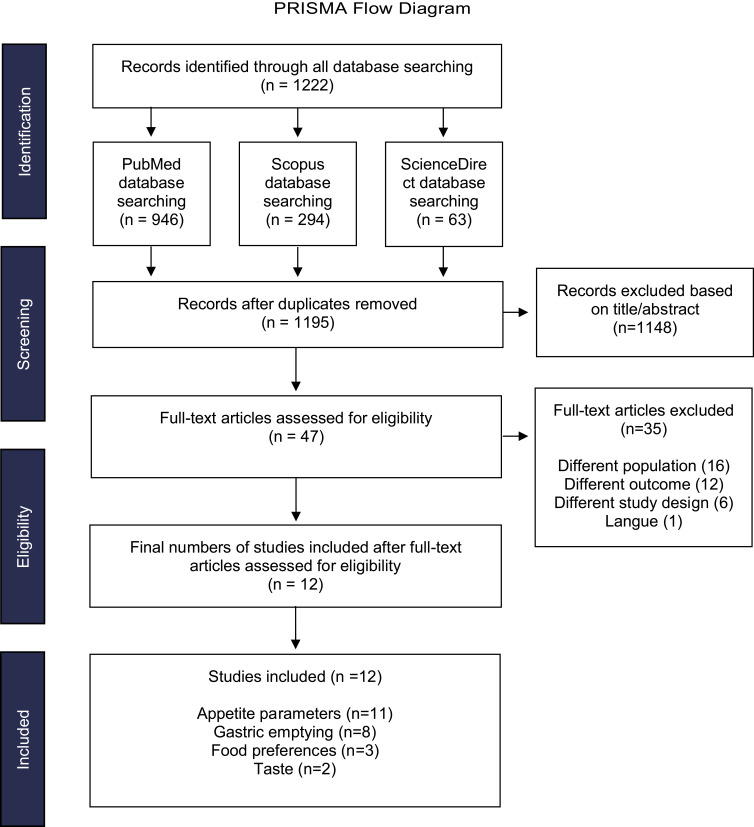
Results: Twelve studies met the inclusion criteria with a total sample size of 445 participants. All the included studies measured at least one or more of the primary outcomes. The promising effect was evidenced by most studies showing appetite suppression, delayed gastric emptying, and changes in taste and food preferences.
Conclusion: GLP-1 analogues are effective obesity management therapy that could decrease food intake and eventually reduce weight by suppressing appetite, reducing hunger, decreasing gastric emptying, and altering food preferences and taste. However, high-quality, long-term, large sample size studies are crucial to examine the efficacy and effective dose of GLP-1 analogues intervention.
Keywords: GLP-1 analogues; Liraglutide; Semaglutide; appetite; gastric emptying; palatability; satiety.
© 2023 Aldawsari et al.
Conflict of interest statement
The authors report no conflicts of interest in this work.
Figures
References
-
- Garvey WT, Mechanick JI, Brett EM, et al. American Association of Clinical Endocrinologists and American College of Endocrinology comprehensive clinical practice guidelines for medical care of patients with obesity. Endocr Pract. 2016;22:1–203. doi:10.4158/EP161365.GL - DOI - PubMed
Publication types
LinkOut - more resources
Full Text Sources
Other Literature Sources
Miscellaneous
