


Scoliosis Causing Cervical Dystonia in a Chiropractic Office
- PMID: 36891176
- PMCID: PMC9986506
- DOI: 10.7759/cureus.35802
Scoliosis Causing Cervical Dystonia in a Chiropractic Office
Abstract
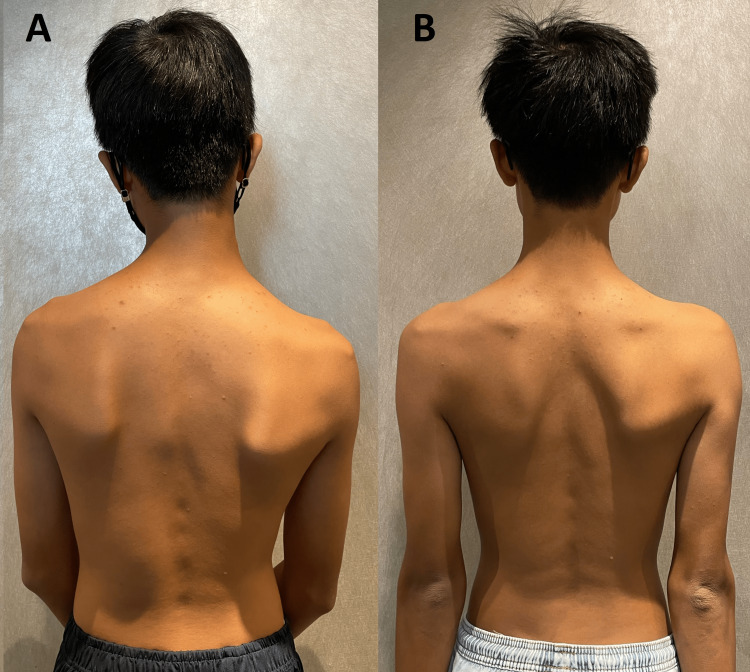
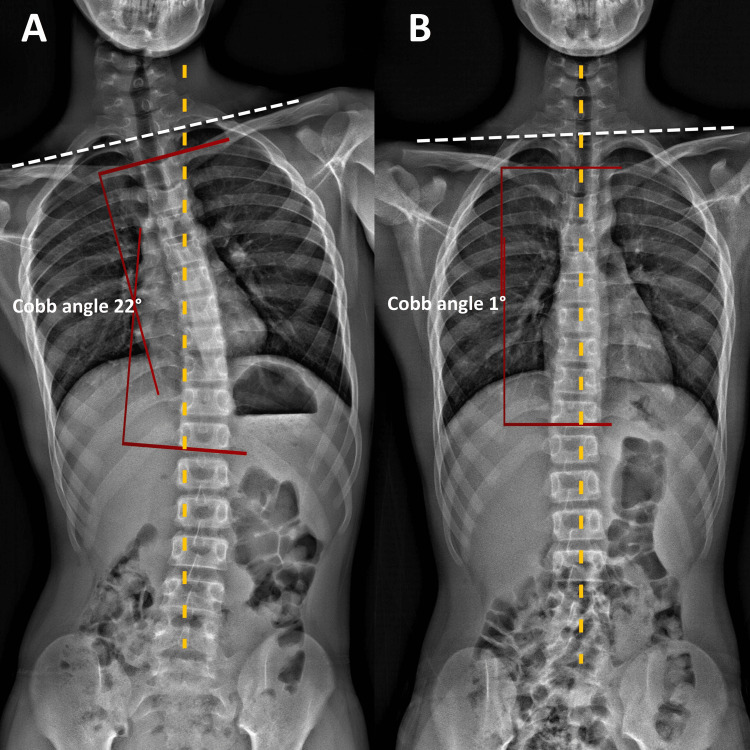
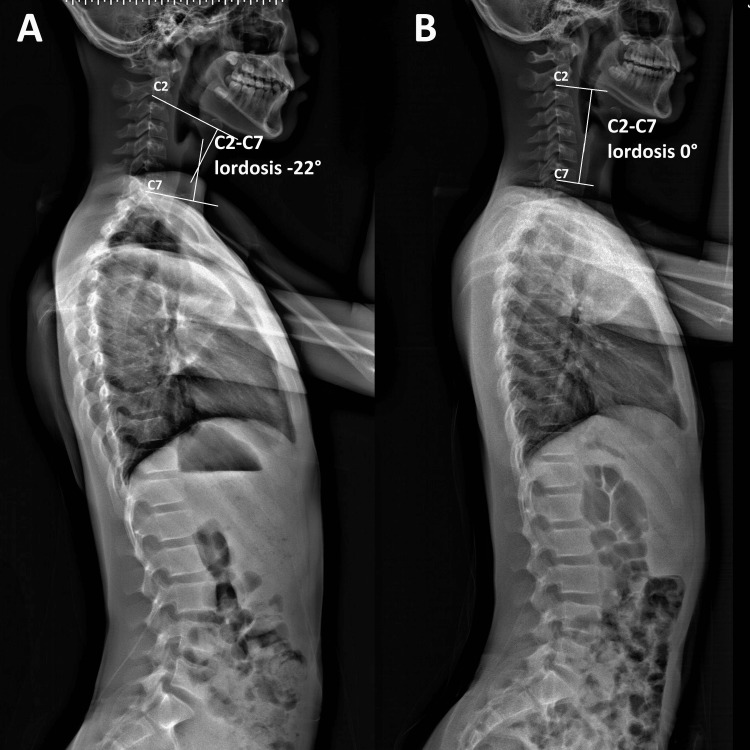
Cervical dystonia is a movement disorder characterized by continuous and involuntary muscular contractions that result in aberrant head and neck motions or postures. A recent study indicates that persons with a history of scoliosis may be at a higher risk of acquiring cervical dystonia later in life. Although muscular tension and contraction abnormalities are linked in both illnesses, the pathophysiological pathways linking these two ailments are not entirely understood. A 13-year-old boy previously diagnosed with adolescent idiopathic scoliosis developed symptoms of cervical dystonia, including moderate neck pain, left-sided migraines, and tingling in the neck and shoulders. During the course of three months, the patient attended 16 chiropractic therapy sessions. He reported slow but considerable improvements in his symptoms, such as the recovery of normal cervical range of motion, decreases in neck discomfort and accompanying headaches as well as paresthesia, and enhancements in sleep quality, daily functioning, and learning capacities. The patient's clinical and radiographic improvements show that chiropractic spinal manipulation may assist in reducing pain and improving spine alignment and mobility in these circumstances. To further investigate the efficacy and safety of chiropractic therapy for the treatment of cervical dystonia, particularly in the setting of associated scoliosis, more study with bigger patient populations is required.
Keywords: adolescent idiopathic scoliosis (ais); cervical dysonia; chiropractic therapy; focal dystonia; idiopathic scoliosis; primary dystonia.
Copyright © 2023, Chu et al.
Conflict of interest statement
The authors have declared that no competing interests exist.
Figures
References
-
- Repeatability over time of posture, radiograph positioning, and radiograph line drawing: an analysis of six control groups. Harrison DE, Harrison DD, Colloca CJ, Betz J, Janik TJ, Holland B. J Manipulative Physiol Ther. 2003;26:87–98. - PubMed
-
- Primary cervical dystonia and scoliosis: a multicenter case-control study. Defazio G, Abbruzzese G, Girlanda P, et al. Neurology. 2003;60:1012–1015. - PubMed
Publication types
LinkOut - more resources
Full Text Sources