


Identification of key genes involved in secondary metabolite biosynthesis in Digitalis purpurea
- PMID: 36893121
- PMCID: PMC9997893
- DOI: 10.1371/journal.pone.0277293
Identification of key genes involved in secondary metabolite biosynthesis in Digitalis purpurea
Abstract
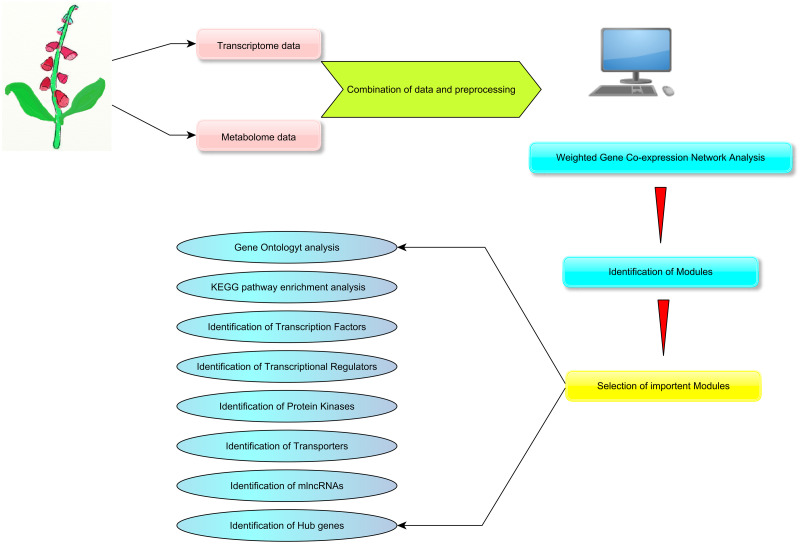
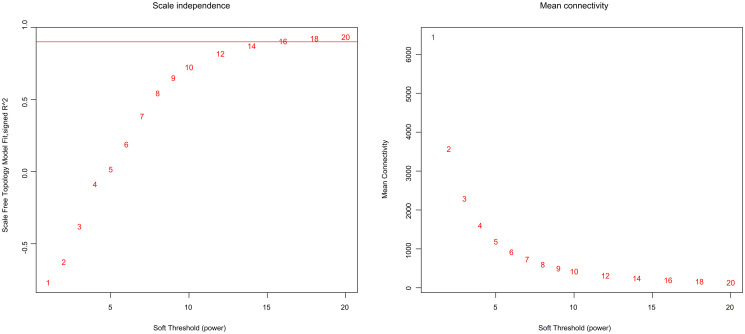
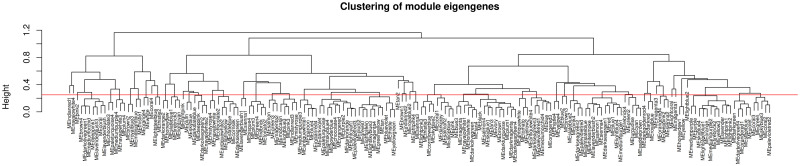
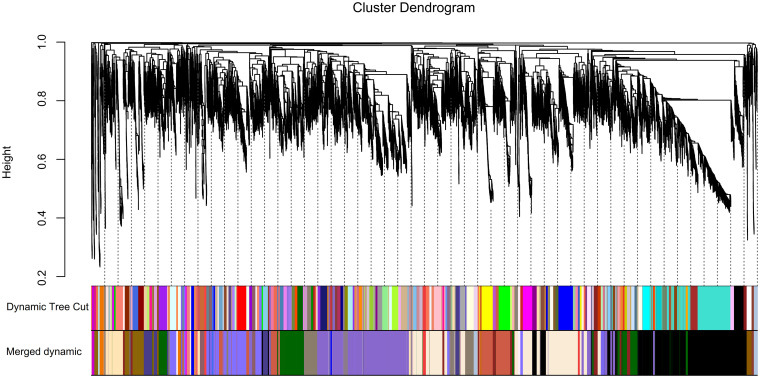
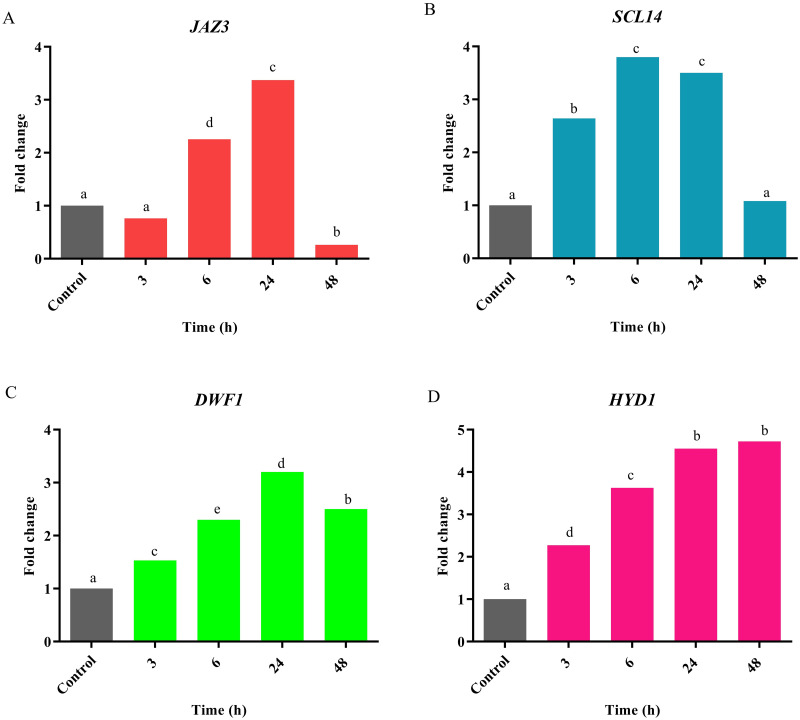
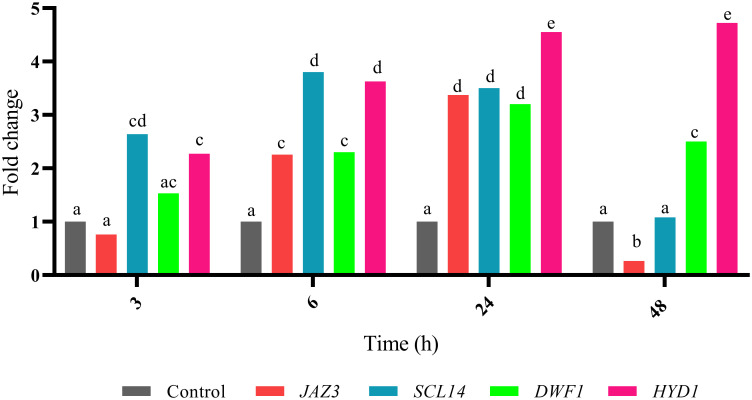
The medicinal plant Digitalis purpurea produces cardiac glycosides that are useful in the pharmaceutical industry. These bioactive compounds are in high demand due to ethnobotany's application to therapeutic procedures. Recent studies have investigated the role of integrative analysis of multi-omics data in understanding cellular metabolic status through systems metabolic engineering approach, as well as its application to genetically engineering metabolic pathways. In spite of numerous omics experiments, most molecular mechanisms involved in metabolic pathways biosynthesis in D. purpurea remain unclear. Using R Package Weighted Gene Co-expression Network Analysis, co-expression analysis was performed on the transcriptome and metabolome data. As a result of our study, we identified transcription factors, transcriptional regulators, protein kinases, transporters, non-coding RNAs, and hub genes that are involved in the production of secondary metabolites. Since jasmonates are involved in the biosynthesis of cardiac glycosides, the candidate genes for Scarecrow-Like Protein 14 (SCL14), Delta24-sterol reductase (DWF1), HYDRA1 (HYD1), and Jasmonate-ZIM domain3 (JAZ3) were validated under methyl jasmonate treatment (MeJA, 100 μM). Despite early induction of JAZ3, which affected downstream genes, it was dramatically suppressed after 48 hours. SCL14, which targets DWF1, and HYD1, which induces cholesterol and cardiac glycoside biosynthesis, were both promoted. The correlation between key genes and main metabolites and validation of expression patterns provide a unique insight into the biosynthesis mechanisms of cardiac glycosides in D. purpurea.
Copyright: © 2023 Amiri et al. This is an open access article distributed under the terms of the Creative Commons Attribution License, which permits unrestricted use, distribution, and reproduction in any medium, provided the original author and source are credited.
Conflict of interest statement
The authors have declared that no competing interests exist.
Figures
References
-
- Kumar A, Jnanesha A. Cultivation, Utilization and Role of Medicinal Plants in Tradition Medicine in Deccan Eco-climate. International Journal on Agricultural Sciences. 2017;8(1):98–103.
-
- Tamboli FA, More HN, Khairmode SS, Patil DR, Tambare PD, Shinde AJ, et al. Importance Of Medicinal Plants And Herbs As An Immunity Booster For Pandemic COVID-19. Tropical Journal of Pharmaceutical and Life Sciences (TJPLS Journal). 2021;8(1):01–9.
Publication types
MeSH terms
Substances
LinkOut - more resources
Full Text Sources
Research Materials
