. 2023 Mar 10;9(10):eade1463.
doi: 10.1126/sciadv.ade1463. Epub 2023 Mar 10.

Mechanism of KMT5B haploinsufficiency in neurodevelopment in humans and mice

Sarah E Sheppard  1   2 Laura Bryant  1 Rochelle N Wickramasekara  3   4 Courtney Vaccaro  1 Brynn Robertson  3 Jodi Hallgren  3 Jason Hulen  3 Cynthia J Watson  3 Victor Faundes  5   6 Yannis Duffourd  7 Pearl Lee  8 M Celeste Simon  8 Xavier de la Cruz  9   10 Natália Padilla  9 Marco Flores-Mendez  11 Naiara Akizu  11   12 Jacqueline Smiler  1   13 Renata Pellegrino Da Silva  1 Dong Li  1 Michael March  1 Abdias Diaz-Rosado  1 Isabella Peixoto de Barcelos  1 Zhao Xiang Choa  14   15 Chin Yan Lim  14   15 Christèle Dubourg  16 Hubert Journel  17 Florence Demurger  18 Maureen Mulhern  19   20 Cigdem Akman  20 Natalie Lippa  21 Marisa Andrews  22 Dustin Baldridge  22 John Constantino  23 Arie van Haeringen  24 Irina Snoeck-Streef  25 Penny Chow  26 Anne Hing  26 John M Graham Jr  27 Margaret Au  27 Laurence Faivre  28   29 Wei Shen  30   31 Rong Mao  30 Janice Palumbos  30 David Viskochil  30 William Gahl  32 Cynthia Tifft  32 Ellen Macnamara  32 Natalie Hauser  33 Rebecca Miller  33 Jessica Maffeo  33 Alexandra Afenjar  34 Diane Doummar  34 Boris Keren  35 Pamela Arn  36 Sarah Macklin-Mantia  37 Ilse Meerschaut  38 Bert Callewaert  38   39 André Reis  40 Christiane Zweier  40   41 Carole Brewer  42 Anand Saggar  43 Marie F Smeland  44   45 Ajith Kumar  46 Frances Elmslie  47 Charu Deshpande  48 Mathilde Nizon  49 Benjamin Cogne  49   50 Yvette van Ierland  51 Martina Wilke  51 Marjon van Slegtenhorst  51 Suzanne Koudijs  52 Jin Yun Chen  53 David Dredge  54 Danielle Pier  53 Saskia Wortmann  54   55 Erik-Jan Kamsteeg  54 Johannes Koch  54 Devon Haynes  56 Lynda Pollack  56 Hannah Titheradge  57 Kara Ranguin  58 Anne-Sophie Denommé-Pichon  7   28 Sacha Weber  58 Rubén Pérez de la Fuente  59 Jaime Sánchez Del Pozo  59 Jose Miguel Lezana Rosales  59 Pascal Joset  60 Katharina Steindl  60 Anita Rauch  60   61   62   63   64 Davide Mei  65 Francesco Mari  65 Renzo Guerrini  65 James Lespinasse  66 Frédéric Tran Mau-Them  7   28 Christophe Philippe  7   28 Benjamin Dauriat  67 Laure Raymond  68 Sébastien Moutton  68 Anna M Cueto-González  69   70 Tiong Yang Tan  71   72 Cyril Mignot  73 Sarah Grotto  73 Florence Renaldo  74 Theodore G Drivas  75   76 Laura Hennessy  76 Anna Raper  76 Ilaria Parenti  77 Frank J Kaiser  77   78 Alma Kuechler  77 Øyvind L Busk  79 Lily Islam  57 Jacob A Siedlik  80 Lindsay B Henderson  81 Jane Juusola  81 Richard Person  81 Rhonda E Schnur  81   82 Antonio Vitobello  7   28 Siddharth Banka  5 Elizabeth J Bhoj  1 Holly A F Stessman  3
Affiliations

Mechanism of KMT5B haploinsufficiency in neurodevelopment in humans and mice

Sarah E Sheppard et al. Sci Adv. .

Abstract

Pathogenic variants in KMT5B, a lysine methyltransferase, are associated with global developmental delay, macrocephaly, autism, and congenital anomalies (OMIM# 617788). Given the relatively recent discovery of this disorder, it has not been fully characterized. Deep phenotyping of the largest (n = 43) patient cohort to date identified that hypotonia and congenital heart defects are prominent features that were previously not associated with this syndrome. Both missense variants and putative loss-of-function variants resulted in slow growth in patient-derived cell lines. KMT5B homozygous knockout mice were smaller in size than their wild-type littermates but did not have significantly smaller brains, suggesting relative macrocephaly, also noted as a prominent clinical feature. RNA sequencing of patient lymphoblasts and Kmt5b haploinsufficient mouse brains identified differentially expressed pathways associated with nervous system development and function including axon guidance signaling. Overall, we identified additional pathogenic variants and clinical features in KMT5B-related neurodevelopmental disorder and provide insights into the molecular mechanisms of the disorder using multiple model systems.


Figures
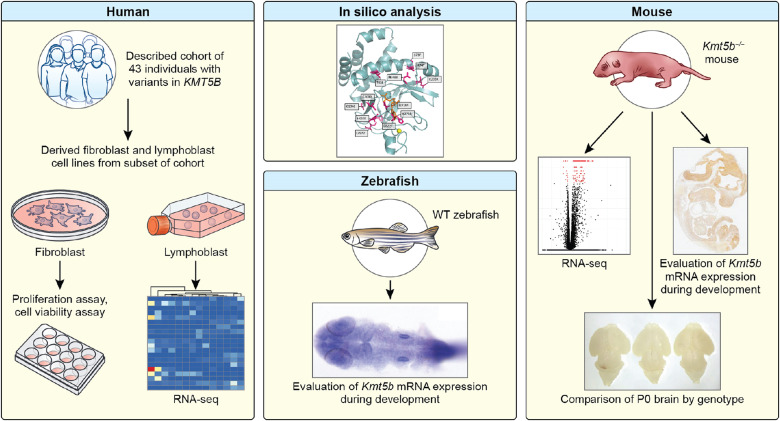
Fig. 1.
Fig. 1.. Visual summary of experiments.
Here, we evaluate a cohort of 43 individuals with pathogenic variants in KMT5B. We perform experiments in patient-derived fibroblasts and lymphoblasts, zebrafish, and a knockout mouse model, as well as in silico analysis of the missense variants.
Fig. 2.
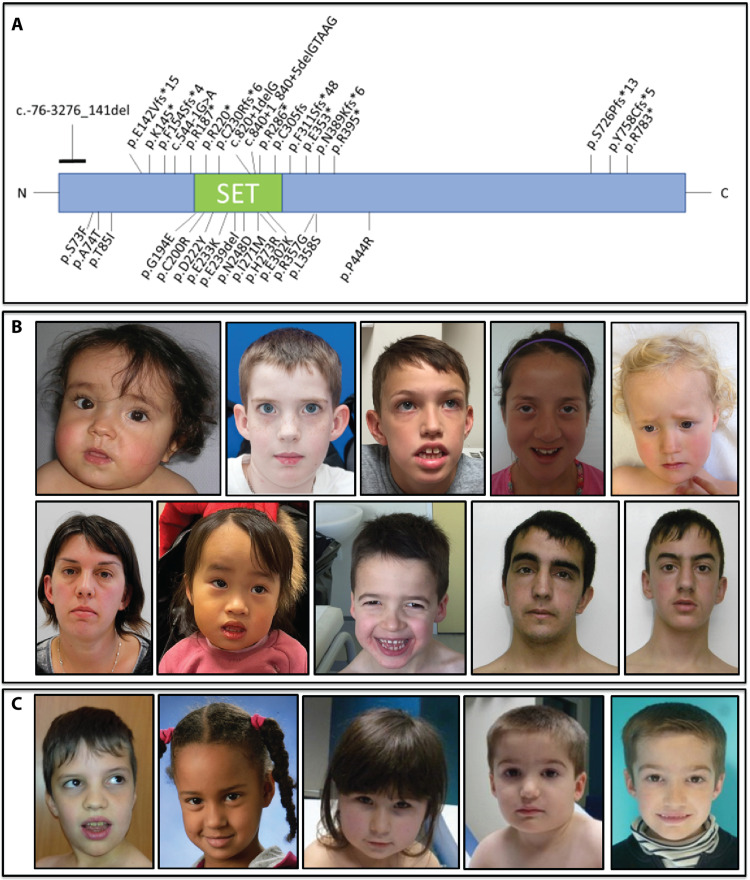
Fig. 2.. Location of KMT5B variants and pictures of affected patients.
In (A), we show the location of all variants aligned to NM_017635.5 in this patient cohort. Loss-of-function (pLOF) variants are shown on top, and missense variants are shown below. Photos of patients with (B) pLOF variants and (C) missense variants are shown. Some common features are long face, arched eyebrows, wide-spaced eyes with upslanting palpebral fissures, prominent ears, and mild prognathism. The final two photos are of the same patient at two different ages.
Fig. 3.
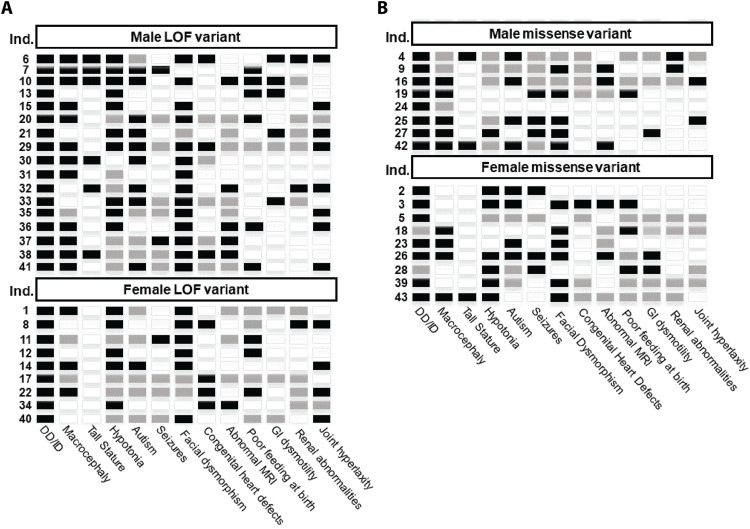
Fig. 3.. KMT5B patient phenotype summary.
Primary phenotypes are shown for each patient (row) in the study. Individuals with pLOF variants are in (A), and individuals with missense variants are in (B). Black indicates that the feature is present; white indicates that the feature is absent, and gray indicates that the status of the feature is unknown or not applicable. All individuals for which information was available had DD or ID. Sixty-three percent (24 of 38) had macrocephaly, but only 21% (9 of 43) had tall stature. Sixty-two percent (18 of 29) were diagnosed with autism. Eighty-one percent (22 of 27) had hypotonia. Thirty-one percent (9 of 29) had seizures. Facial dysmorphism is one of the most common features in the phenotype, affecting 79% (31 of 39) of individuals in the cohort. Twenty-seven percent (8 of 30) had congenital heart defects including atrial or ventricular septal defects. A full clinical summary can be found for each patient in table S1.
Fig. 4.
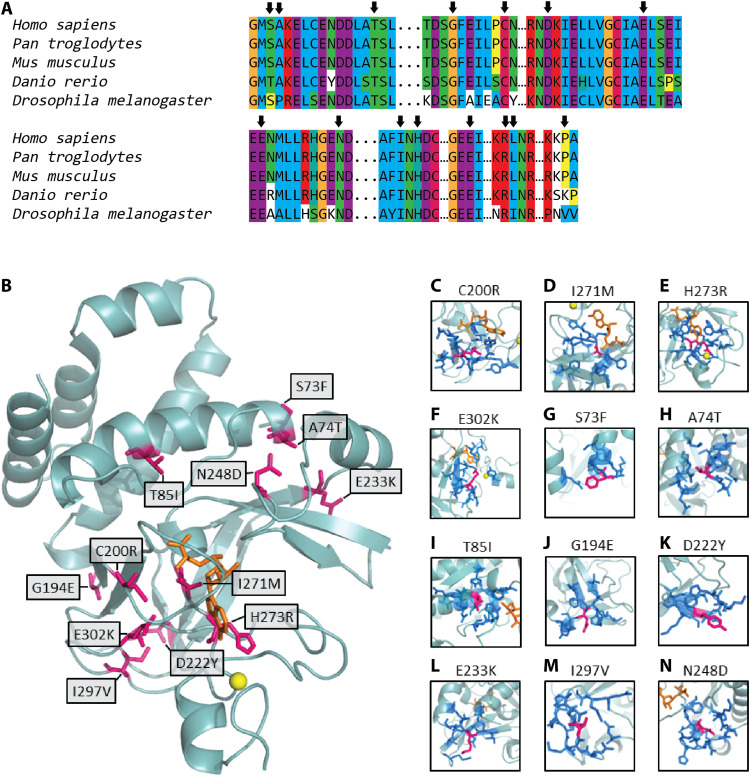
Fig. 4.. Structural analyses of KMT5B variants.
In (A), we evaluated the evolutionary conservation of the residues altered by the missense variants in our cohort. Arrows indicate the locations of the missense variants. In (B), we show the location of the missense variants (pink) in the structure of the SET domain of KMT5B (light blue ribbon). The cofactor SAM is shown in orange, and the zinc atom is shown as a yellow sphere. (C to N) Local environment of each variant residue (pink). Neighbors (dark blue) are defined as those residues with at least one interatomic contact (atom-atom distance, <5 Å) with the variant residue. A homology model was built and used for each variant.
Fig. 5.
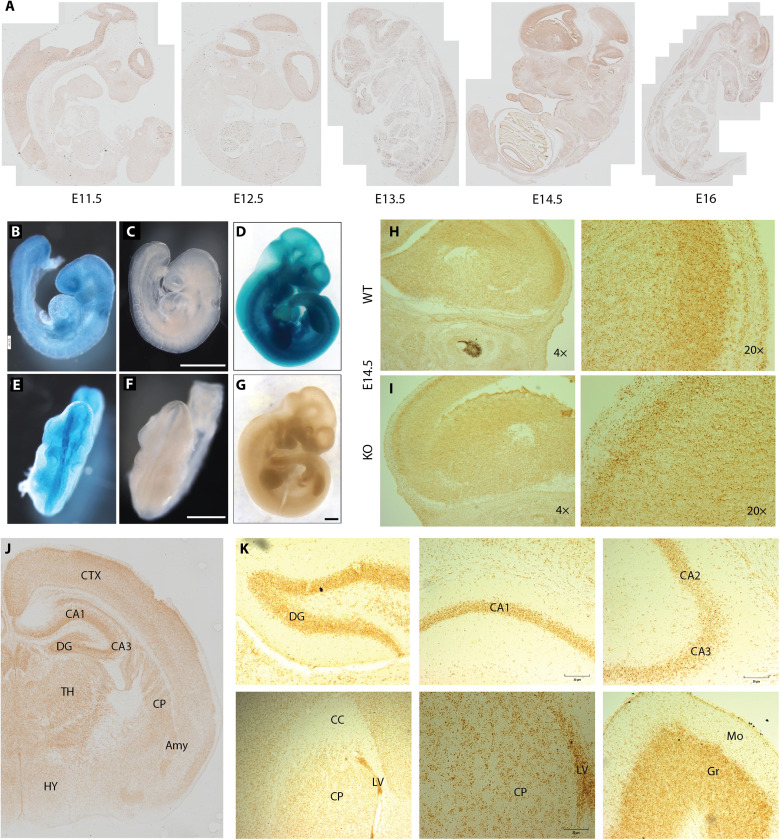
Fig. 5.. Expression of Kmt5b over mouse development.
(A) RNAscope in situ hybridization using a Kmt5b probe is shown in representative samples over an embryonic developmental time course (E11.5 to E16). (B to G) Whole-mount β-galactosidase staining of HET (B to D) or WT (E to G) embryos at E8.75 (B, C, E, and F) and E10.5 (D and G). Scale bars, 0.8 mm. Matched Kmt5b RNAscope images are shown in E14.5 (H) WT and (I) KO brains at 4× and 20× resolution. Representative regions from RNAscope on postnatal brains collected at (J) P1 to P2 and (K) P56 are shown. Qualitative Kmt5b expression is compared in tables S3 and S4. DG, dentate gyrus; CA, hippocampal fields 1, 2, and 3; CC, corpus callosum; LV, lateral ventricle; CP, caudoputamen; Mo, molecular layer; Gr, granular layer; CTX, cortex; TH, thalamus; HY, hypothalamus; Amy, amygdala.
Fig. 6.
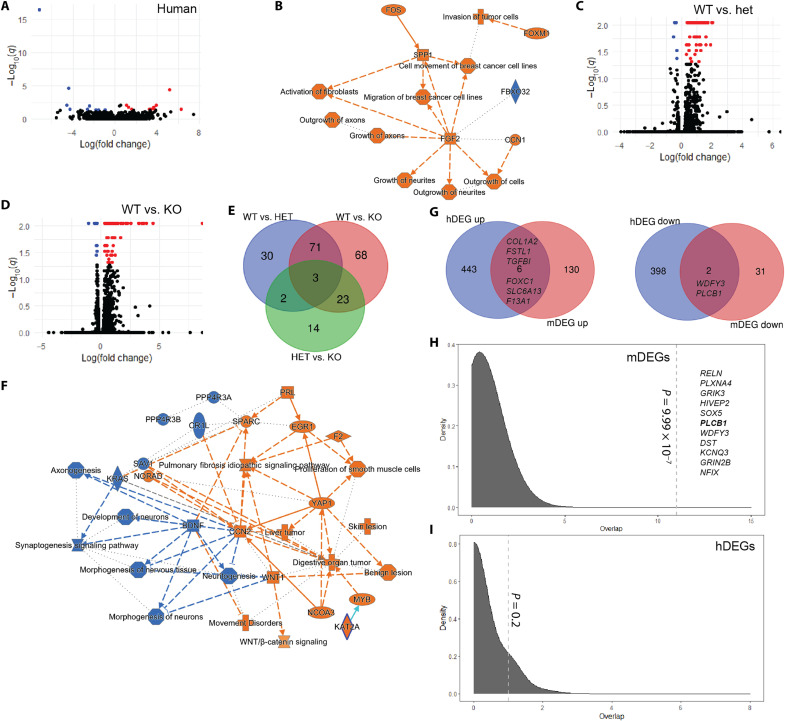
Fig. 6.. RNA-seq results from human and mouse models of KMT5B haploinsufficiency.
(A, C, and D) Volcano plots illustrate the genes that are significantly up- (red) or down-regulated (blue) in the (A) human and (C and D) mouse datasets. HET, heterozygous; KO, homozygous knockout; black dots, nonsignificant genes. A functional enrichment summary is shown for the human dataset (hDEGs, P < 0.05) in (B) and for the KO mouse (mDEGs, q < 0.05) in (F). Orange, activated; blue, inhibited. Venn diagrams show (E) the number of mDEGs that overlap between the genotypes tested and (G) genes that overlapped between the hDEG and mDEG datasets. (F) Simulation testing for gene overlaps between the (H) mDEG and (I) hDEG down-regulated genes and high-risk autism genes from SFARI Gene. Dashed line, observed overlap. Gene in bold was found in both the human and mouse datasets (q < 0.05).
Fig. 7.
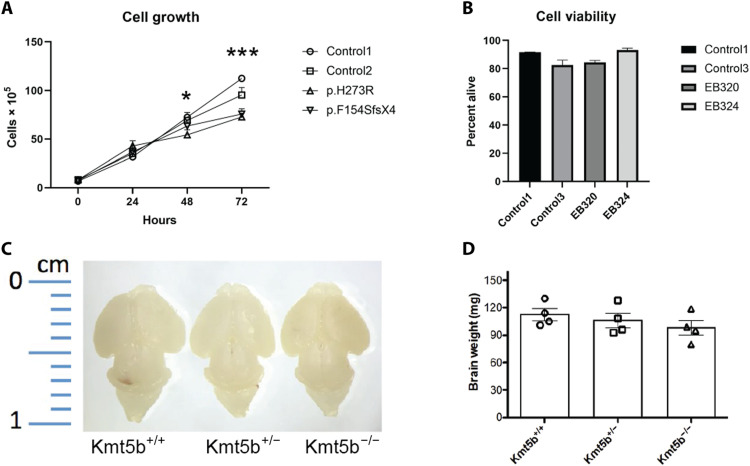
Fig. 7.. Cell growth and death in human fibroblasts and mouse brains.
(A) Cell growth was measured for primary fibroblast lines derived from unaffected individuals and two individuals with heterozygous KMT5B variants and was repeated three times for all cell lines. Cell growth was significantly different between control lines and lines from affected individuals at 48 hours (P < 0.05) and 72 hours (P < 0.001) as determined by Student’s t test. (B) Cell viability for primary fibroblast cell lines was measured using annexin V/propidium iodide staining and evaluated using flow cytometry. There was no significant difference between the lines determined by Student’s t test. (C and D) Brains from P0 mouse pups were weighed. There was no statistically significant difference in the mouse brain weight of the different genotype determined by Student’s t test.

References

    1. M. Podobinska, I. Szablowska-Gadomska, J. Augustyniak, I. Sandvig, A. Sandvig, L. Buzanska, Epigenetic modulation of stem cells in neurodevelopment: The role of methylation and acetylation. Front. Cell. Neurosci. 11, 23 (2017). - PMC - PubMed
    1. Y. J. Loke, A. J. Hannan, J. M. Craig, The role of epigenetic change in autism spectrum disorders. Front. Neurol. 6, 107 (2015). - PMC - PubMed
    1. S. Rangasamy, S. R. D'Mello, V. Narayanan, Epigenetics, autism spectrum, and neurodevelopmental disorders. Neurotherapeutics 10, 742–756 (2013). - PMC - PubMed
    1. M. S. Fallah, D. Szarics, C. M. Robson, J. H. Eubanks, Impaired regulation of histone methylation and acetylation underlies specific neurodevelopmental disorders. Front. Genet. 11, 613098 (2020). - PMC - PubMed
    1. Z. Wu, J. Connolly, K. K. Biggar, Beyond histones—The expanding roles of protein lysine methylation. FEBS J. 284, 2732–2744 (2017). - PubMed

Publication types