


E6/E7 mRNA Expression of the Most Prevalent High-Risk HPV Genotypes in Cervical Samples from Serbian Women
- PMID: 36900061
- PMCID: PMC10000477
- DOI: 10.3390/diagnostics13050917
E6/E7 mRNA Expression of the Most Prevalent High-Risk HPV Genotypes in Cervical Samples from Serbian Women
Abstract
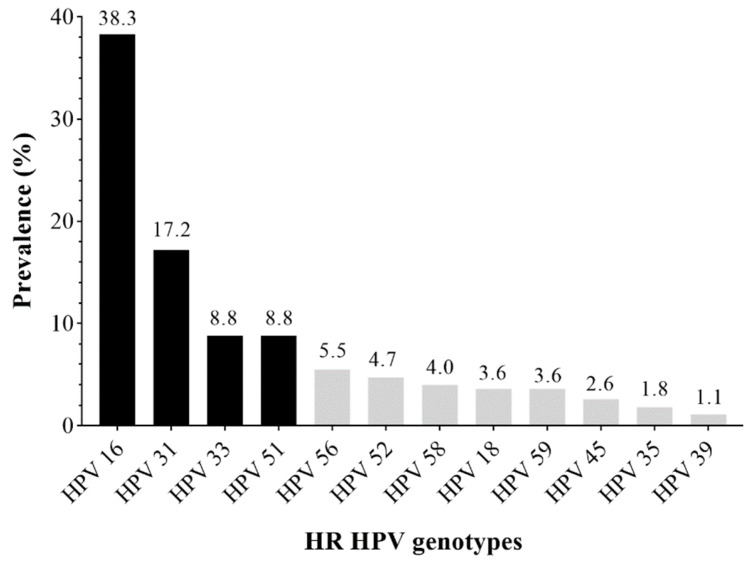
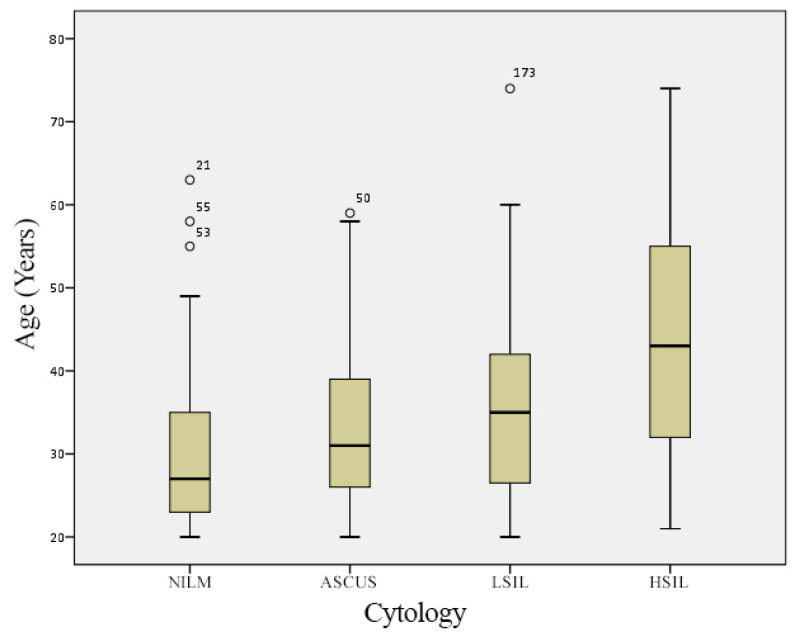
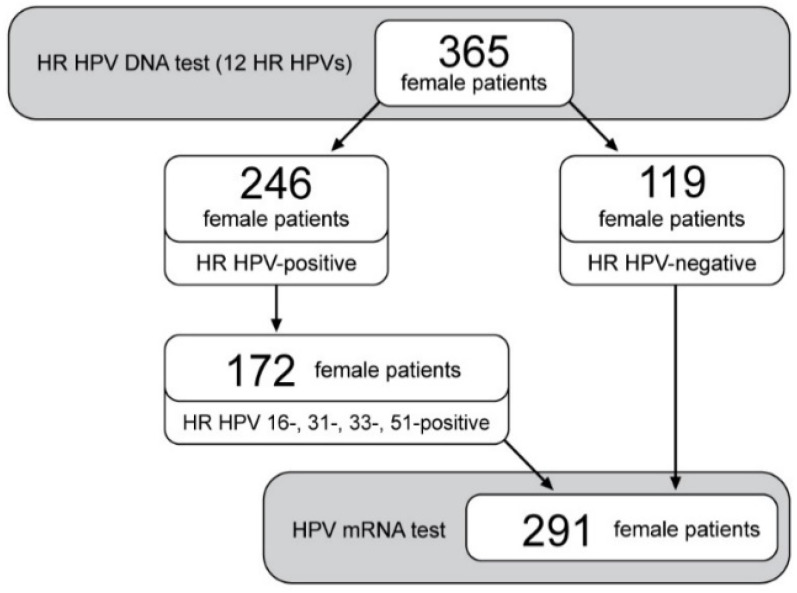
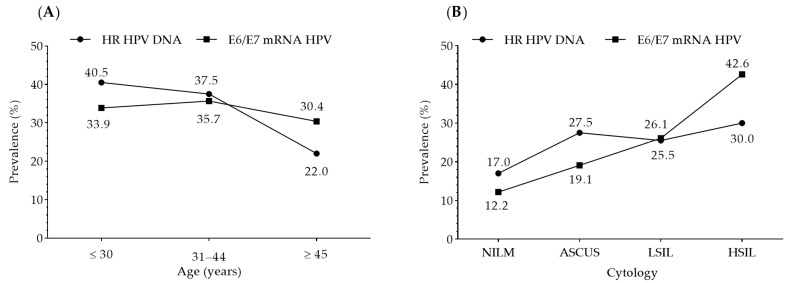
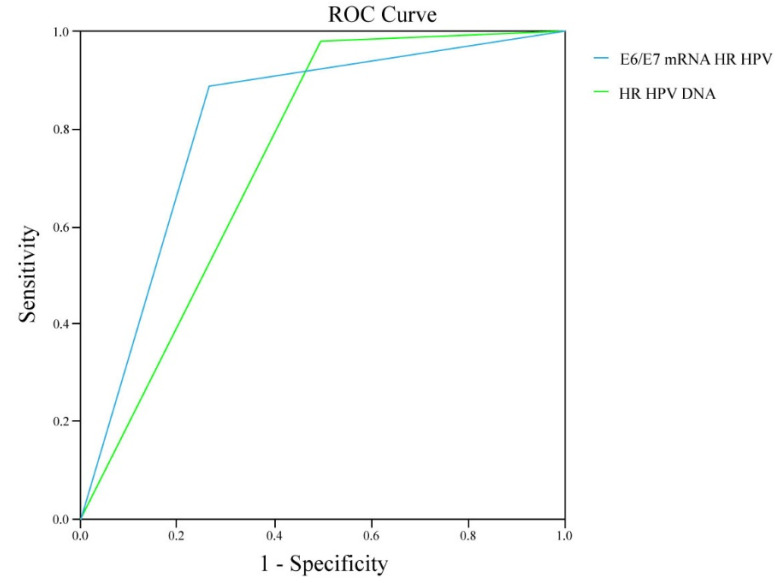
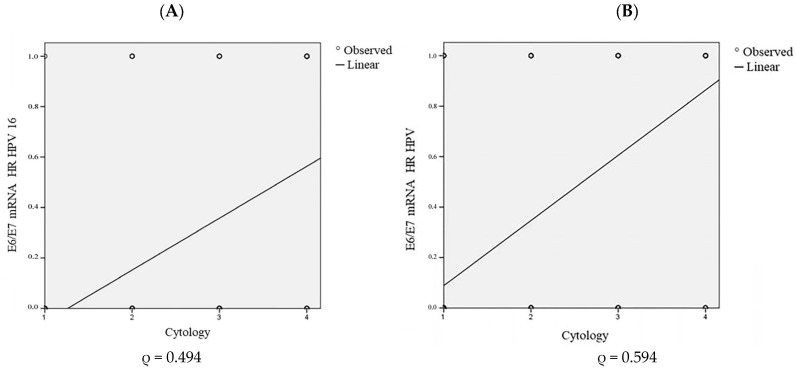
Cervical cancer caused by persistent infection with HR HPV genotypes is the second leading cause of death in women aged 15 to 44 in Serbia. The expression of the E6 and E7 HPV oncogenes is considered as a promising biomarker in diagnosing high-grade squamous intraepithelial lesions (HSIL). This study aimed to evaluate HPV mRNA and DNA tests, compare the results according to the severity of the lesions, and assess the predictive potential for the diagnosis of HSIL. Cervical specimens were obtained at the Department of Gynecology, Community Health Centre Novi Sad, Serbia, and the Oncology Institute of Vojvodina, Serbia, during 2017-2021. The 365 samples were collected using the ThinPrep Pap test. The cytology slides were evaluated according to the Bethesda 2014 System. Using a real-time PCR test, HPV DNA was detected and genotyped, while the RT-PCR proved the presence of E6 and E7 mRNA. The most common genotypes in Serbian women are HPV 16, 31, 33, and 51. Oncogenic activity was demonstrated in 67% of HPV-positive women. A comparison of the HPV DNA and mRNA tests to assess the progression of cervical intraepithelial lesions indicated that higher specificity (89.1%) and positive predictive value (69.8-78.7%) were expressed by the E6/E7 mRNA test, while higher sensitivity was recorded when using the HPV DNA test (67.6-88%). The results determine the higher probability of detecting HPV infection by 7% provided by the mRNA test. The detected E6/E7 mRNA HR HPVs have a predictive potential in assessing the diagnosis of HSIL. The oncogenic activity of HPV 16 and age were the risk factors with the strongest predictive values for the development of HSIL.
Keywords: E6; E7; HPV; Serbia; biomarker; cervical intraepithelial lesion.
Conflict of interest statement
The authors declare no conflict of interest.
Figures
References
-
- Mehta K., Lamins L. High-Risk Human Papillomaviruses and DNA Repair. In: Wu T.-C., Chang M.-H., Jeang K.-T., editors. Viruses and Human Cancer: From Basic Science to Clinical Prevention (Recent Results in Cancer Research) Springer Nature; Cham, Switzerland: 2021. pp. 141–155. - PubMed
-
- Rancic N.K., Miljkovic P.M., Deljanin Z.M., Marinkov-Zivkovic E.M., Stamenkovic B.N., Bojanovic M.R., Jovanovic M.M., Miljkovic D.P., Stankovic S.M., Otasevic S.A. Knowledge about HPV Infection and the HPV Vaccine among Parents in Southeastern Serbia. Medicina. 2022;58:1–11. doi: 10.3390/medicina58121697. - DOI - PMC - PubMed
LinkOut - more resources
Full Text Sources
Research Materials
