. 2023 May:110:222-236.
doi: 10.1016/j.bbi.2023.03.003. Epub 2023 Mar 10.

Timing matters: Sex differences in inflammatory and behavioral outcomes following repetitive blast mild traumatic brain injury

Affiliations

Timing matters: Sex differences in inflammatory and behavioral outcomes following repetitive blast mild traumatic brain injury

Britahny M Baskin et al. Brain Behav Immun. 2023 May.

Abstract

Background: Repetitive blast-related mild traumatic brain injury (mTBI) caused by exposure to high explosives is increasingly common among warfighters as well as civilians. While women have been serving in military positions with increased risk of blast exposure since 2016, there are few published reports examining sex as a biological variable in models of blast mTBI, greatly limiting diagnosis and treatment capabilities. As such, here we examined outcomes of repetitive blast trauma in female and male mice in relation to potential behavioral, inflammatory, microbiome, and vascular dysfunction at multiple timepoints.

Methods: In this study we utilized a well-established blast overpressure model to induce repetitive (3x) blast-mTBI in both female and male mice. Acutely following repetitive exposure, we measured serum and brain cytokine levels, blood-brain barrier (BBB) disruption, fecal microbial abundance, and locomotion and anxiety-like behavior in the open field assay. At the one-month timepoint, in female and male mice we assessed behavioral correlates of mTBI and PTSD-related symptoms commonly reported by Veterans with a history of blast-mTBI using the elevated zero maze, acoustic startle, and conditioned odorant aversion paradigms.

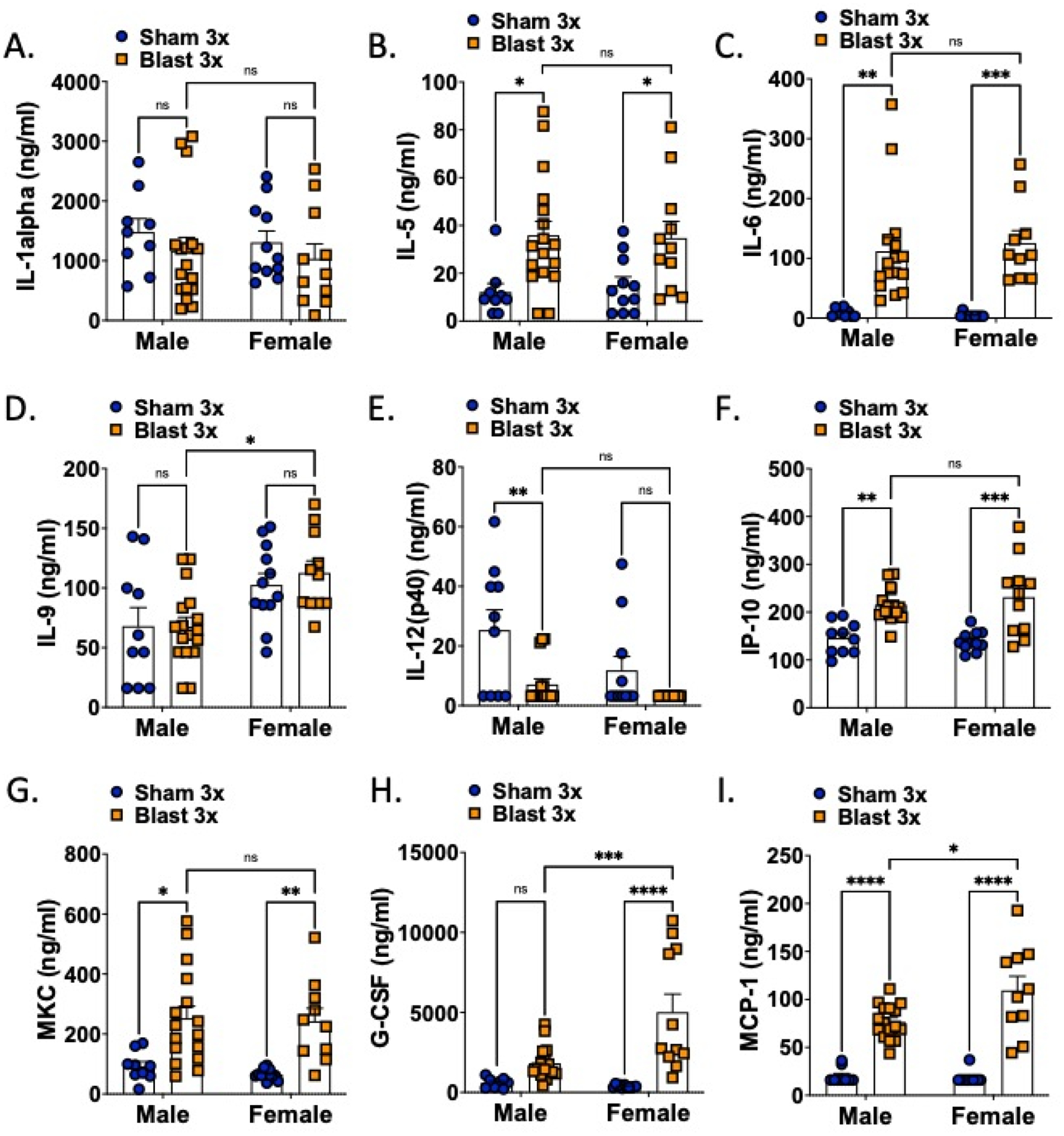
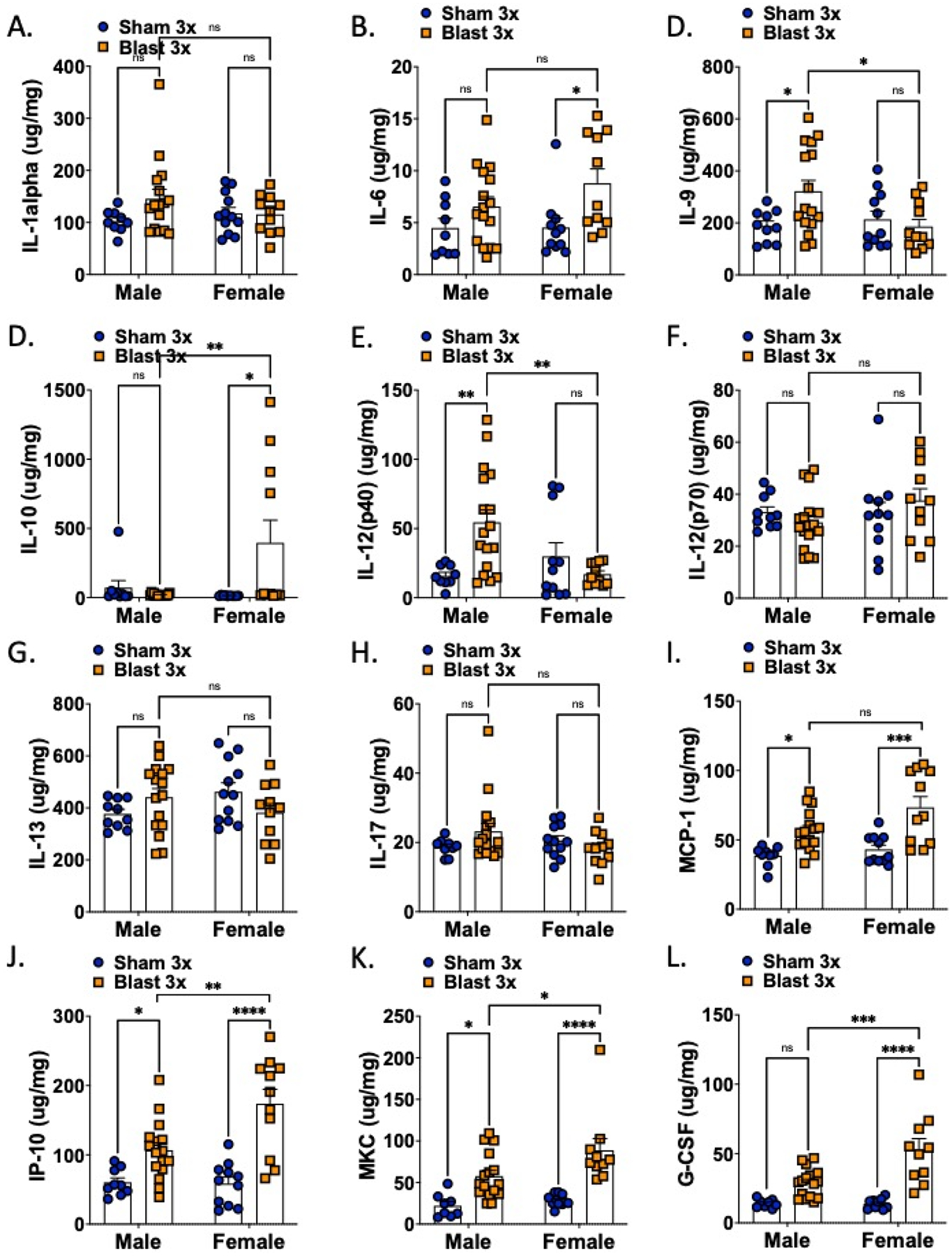
Results: Repetitive blast exposure resulted in both similar (e.g., increased IL-6), and disparate (e.g., IL-10 increase only in females) patterns of acute serum and brain cytokine as well as gut microbiome changes in female and male mice. Acute BBB disruption following repetitive blast exposure was apparent in both sexes. While female and male blast mice both exhibited acute locomotor and anxiety-like deficits in the open field assay, only male mice exhibited adverse behavioral outcomes that lasted at least one-month.

Discussion: Representing a novel survey of potential sex differences following repetitive blast trauma, our results demonstrate unique similar yet divergent patterns of blast-induced dysfunction in female vs. male mice and highlight novel targets for future diagnosis and therapeutic development.

Keywords: Blast overpressure; Blood brain barrier; Microbiome; Mild traumatic brain injury; Neuroinflammation; Posttraumatic stress disorder; Sex as a biological variable.


Conflict of interest statement

Declaration of Competing Interest The authors declare that they have no known competing financial interests or personal relationships that could have appeared to influence the work reported in this paper.

Figures
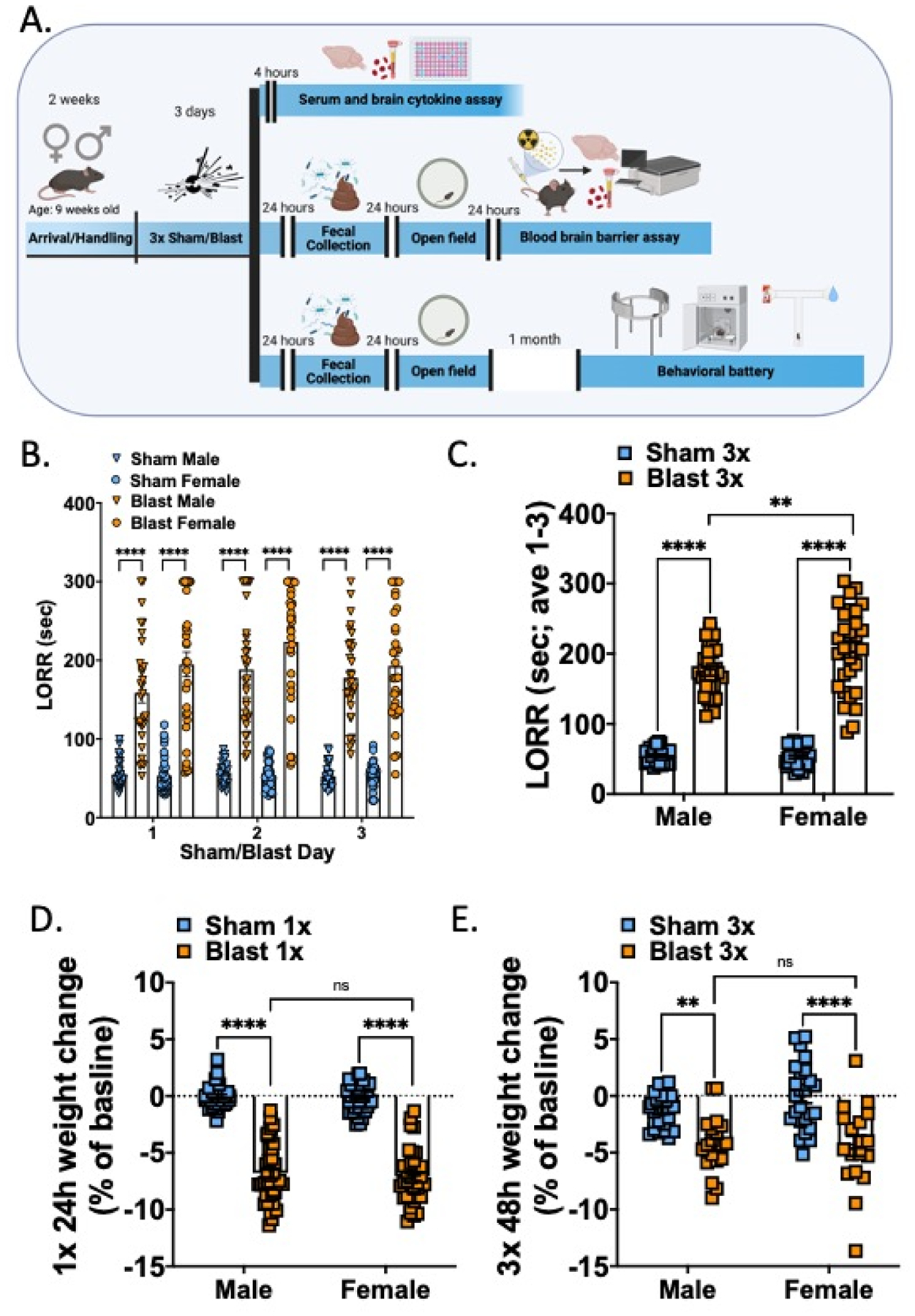
Figure 1.
Figure 1.
Female and male mice both display increased LORR and weight loss acutely following repetitive blast exposure. (A) Experimental timelines. Three groups of female and male mice were used. (B) LORR is increased acutely following each blast exposure in female and male mice. (C) Mean LORR across days 1–3 of blast exposure is increased in female and male mice and female blast mice are significantly higher than male blast mice. (D) Both female and male mice lose weight to a similar extent 24 hours following a single blast exposure. (E). Both female and male mice lose weight to a similar extent 48 hours following final repetitive (3x) blast exposure. n=19–26 per group. Two-way ANOVA, Šídák’s multiple comparison post-hoc. **p ≤ 0.01, ****p ≤ 0.0001, ns = not significant. Values represent mean ± SEM.
Figure 2.
Figure 2.
Serum cytokine levels are acutely affected by blast in both female and male mice. n=10–15. Two-way ANOVA Šídák’s multiple comparison post-hoc. *p ≤ 0.05, **p ≤ 0.01, ***p ≤ 0.001, ****p ≤ 0.0001, ns = not significant. Values represent mean ± SEM.
Figure 3.
Figure 3.
Brain cytokine levels are acutely affected by blast in both female and male mice. n=10–15. Two-way ANOVA Šídák’s multiple comparison post-hoc. *p ≤ 0.05, **p ≤ 0.01, ***p ≤ 0.001, ****p ≤ 0.0001, ns = not significant. Values represent mean ± SEM.
Figure 4.
Figure 4.
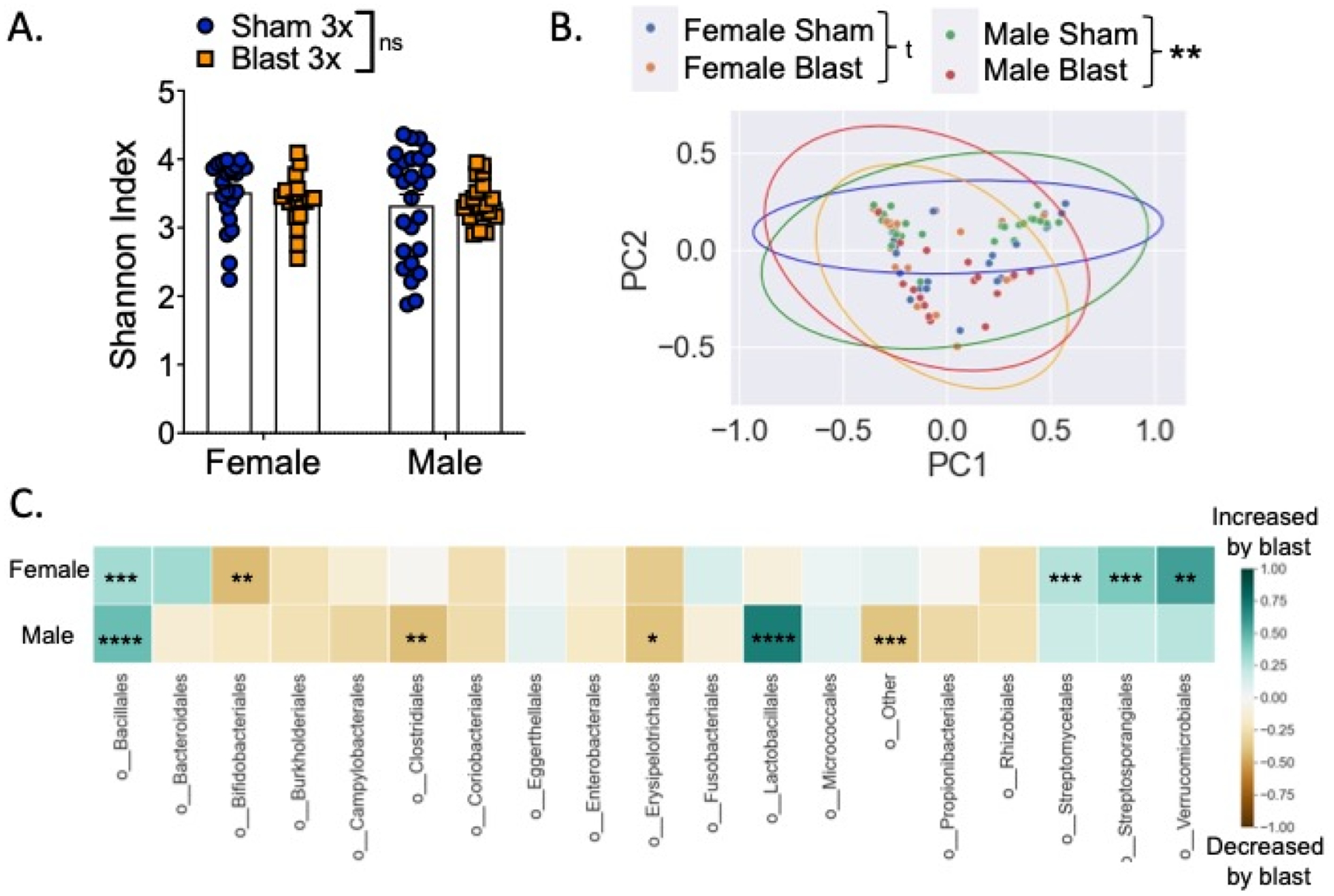
Differential effects of repetitive blast on acute gut microbiome changes in female vs. male mice. (A). No difference in Shannon (alpha) diversity as a function of exposure type or sex. (B) PCoA on Bray-Curtis dissimilarity distances (beta diversity) among the four groups examined. Each point represents an individual sample colored according to group. Principle Component 1 (PC1): 44.6% explained variance; Principle Component 1 (PC2): 19.3% explained variance. Ellipses represent 95% CI around cluster centroid for each experimental group. (C) Differences between female sham vs. blast mice (top row) and male sham vs. blast mice (bottom row) at the order level, expressed as mean relative abundance z score (z score computed separately for female and male mice). n=18–25. Kruskal-Wallis test followed by Mann-Whitney U test for individual group by group comparison if Kruskal-Wallis was significant at FDR p<0.1 (A, C). Analysis of similarities (ANOSIM) (B). *p ≤ 0.05, **p ≤ 0.01, ***p ≤ 0.001, ****p ≤ 0.0001, ns = not significant. Values represent mean ± SEM.
Figure 5.
Figure 5.
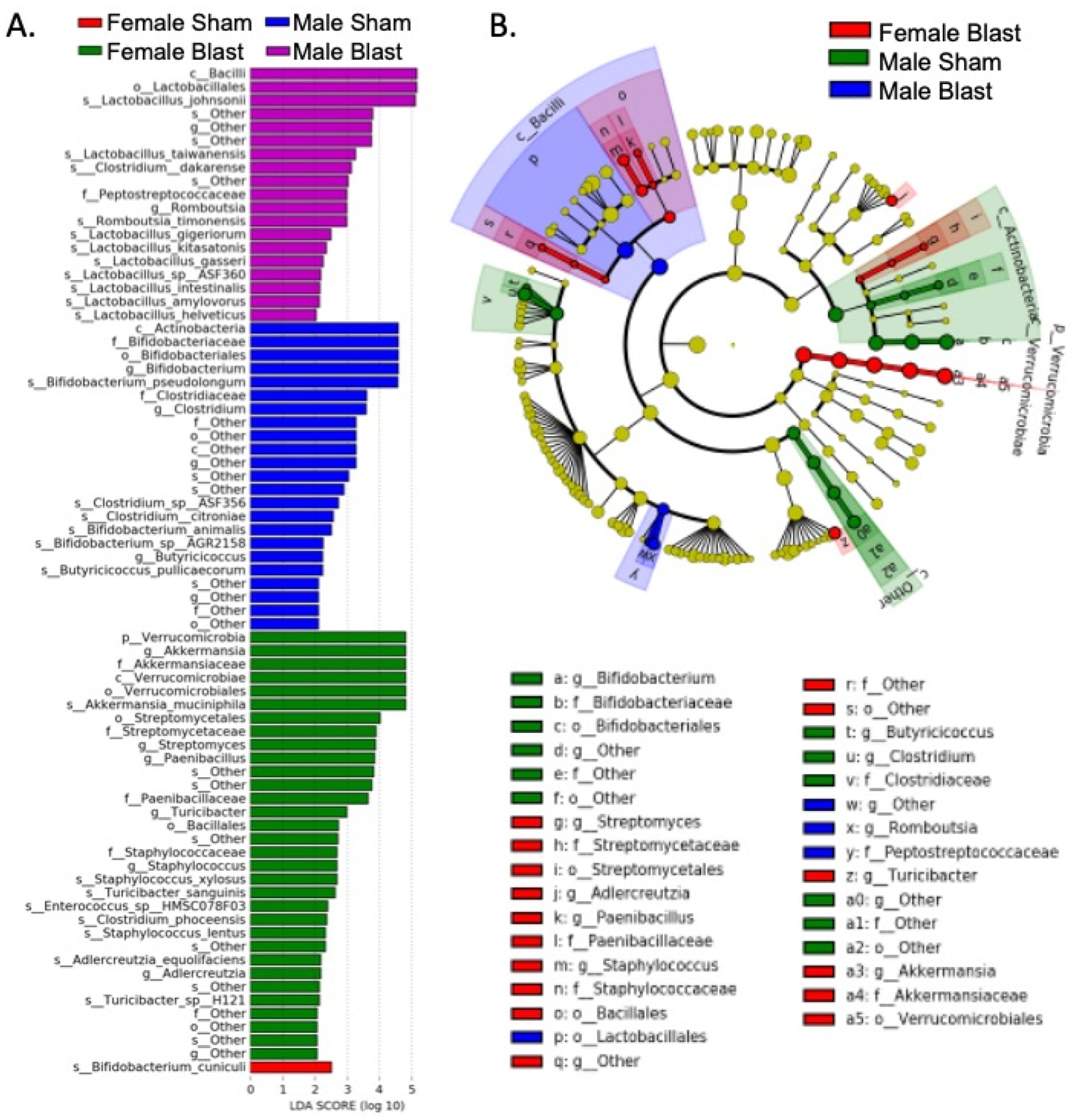
LEfSe analysis of the gut microbial taxonomy. (A). Enriched species (LDA score > 2) in female sham (red), female blast (green), male sham (blue), and male blast (purple). (B) Taxonomic representation of statistically and biologically consistent differences in the four groups. Differences are represented by the color of the most abundant class. Circle diameter is in proportion to that taxon’s abundance.
Figure 6.
Figure 6.
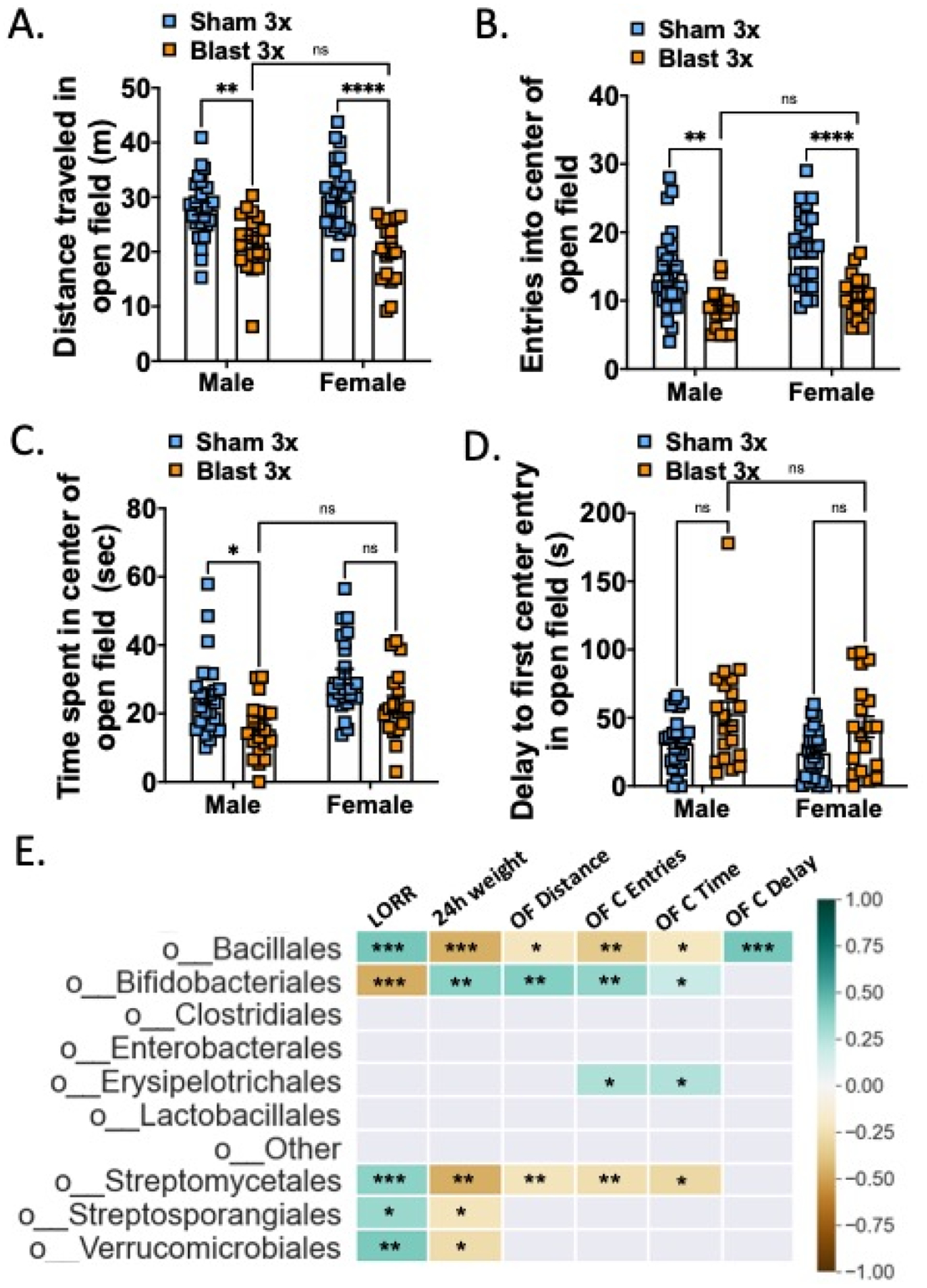
Blast exposure increases acute anxiety-like open field behaviors in both female and male mice. (A) Distance traveled in open field. (B) Entries into center of open field. (C) Time spent in center of open field. (D) Delay to first entry into center of open field. (E) Pearson correlation between bacterial taxa (taxa order that were significantly different between groups from Figure 4) and open field parameters. n=18–25. Two-way ANOVA Šídák’s multiple comparison post-hoc. *p ≤ 0.05, **p ≤ 0.01, ****p ≤ 0.0001, ns = not significant. Values represent mean ± SEM.
Figure 7.
Figure 7.
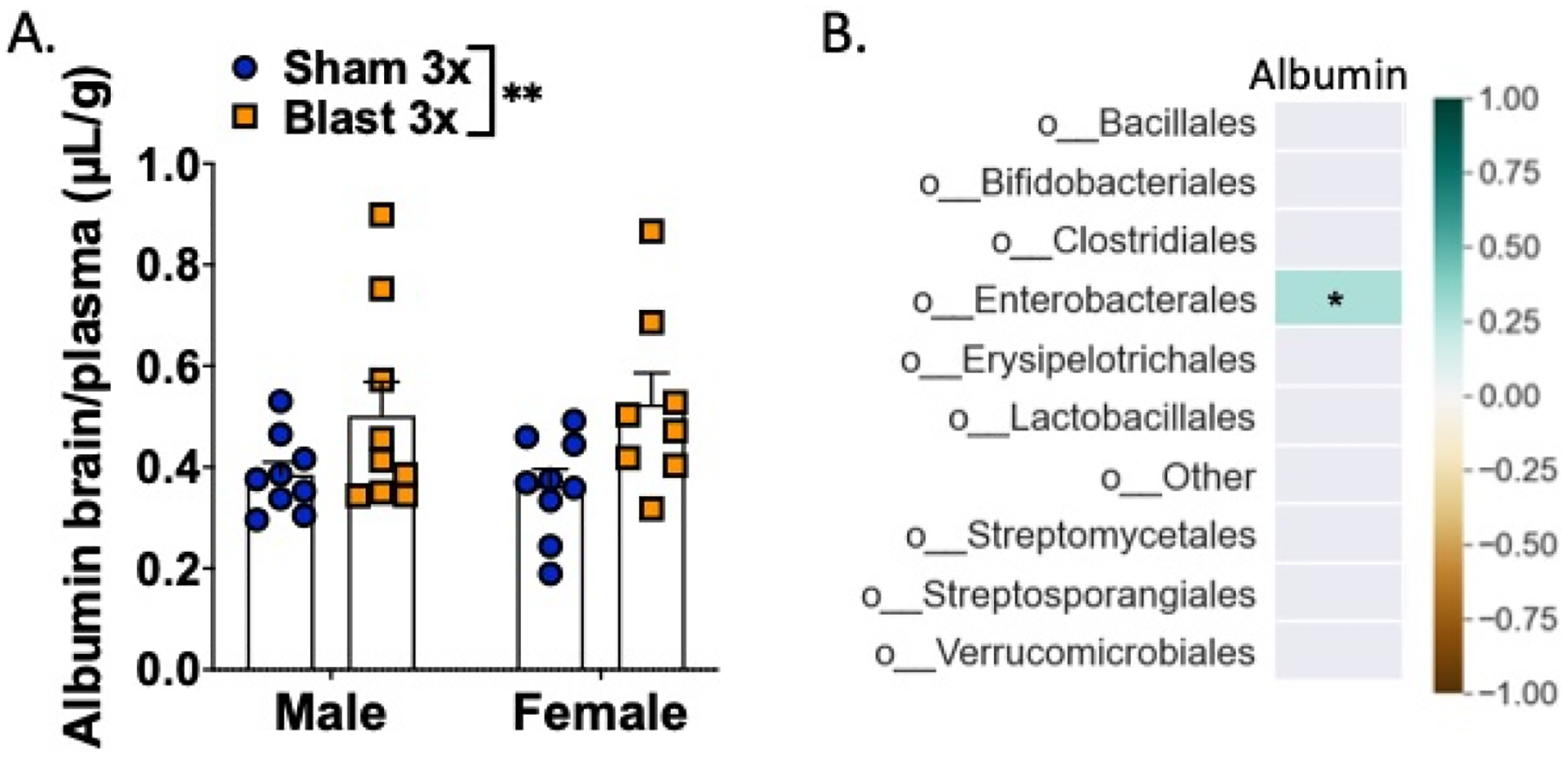
BBB disruption in female and male mice acutely following repetitive blast exposure. (A) Blast increases brain/serum (μl/g) radiolabeled albumin 72 h after final blast. Brain/serum ratios were calculated by dividing the cpm per brain by the cpm per microliter in the corresponding serum and then by the weight of the brain. (B) Pearson correlation between bacterial taxa (taxa order that were significantly different between groups from Figure 4) and albumin BBB permeability. n=8–10. Two-way ANOVA Šídák post-hoc analysis. **p ≤ 0.01, ns = not significant. Values represent means ± SEM and are expressed as microliters per gram of brain tissue.
Figure 8.
Figure 8.
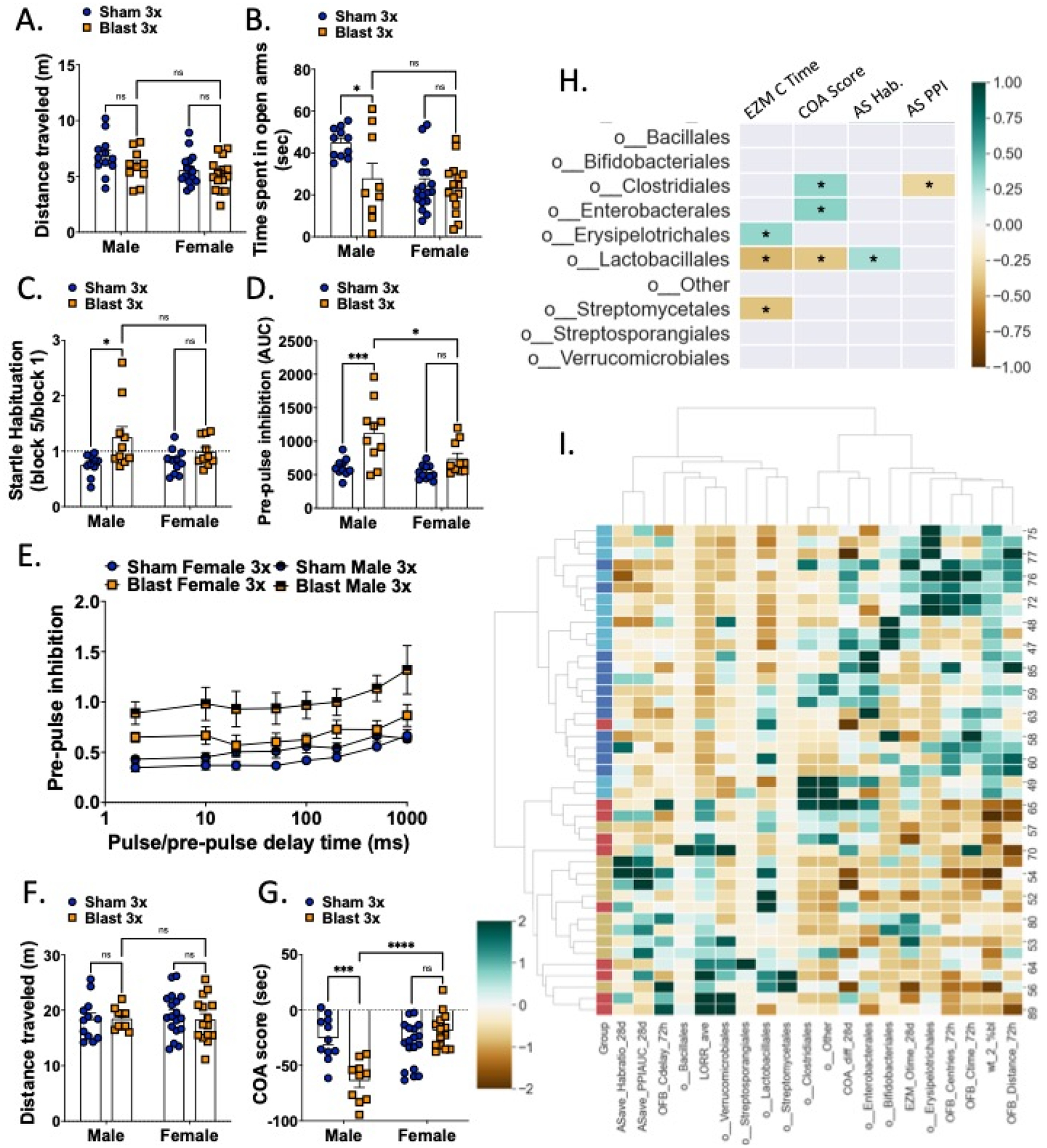
Male but not female mice exhibit blast-induced behavioral deficits at the one-month timepoint. Male and female mice did not differ on total distance traveled on the elevated zero maze 1-month post-blast exposure (A) but male blast mice spent significantly less time than their sham controls in the open arms (B). Only male blast mice showed impaired startle habituation (C) and prepulse inhibition (D, E) on the acoustic startle task. Male and female mice did not differ on total distance traveled in the conditioned odorant aversion posttest (F) but male blast showed an aversion to an odorant previously paired with blast-exposures (G). (H) Pearson correlation between bacterial taxa (taxa order that were significantly different between groups from Figure 4) and one-month behavioral parameters. (I) Heatmap of hierarchical clustering between individual mice vs. behavioral and microbiota composition (taxa order that were significantly different between groups from Figure 4). Each row is a mouse, each column is a parameter. Group column colors: sham female – dark blue; blast female – red; sham male – light blue; blast male yellow. Heatmap colors represent z-score for each parameter computed from all mice. n=12–18. Two-way ANOVA Šídák post-hoc analysis (A-G). *p ≤ 0.05, **p ≤ 0.01, ****p ≤ 0.0001, ns = not significant. Values represent mean ± SEM.

References

    1. Adamson DM, Burnam MA, Burns RM, Caldarone LB, Cox RA, D’Amico EJ, Diaz C, Eibner C, Fisher G, Helmus TC, Karney B, Kilmer B, Marshall GN, Martin LT, Meredith LS, Metscher KN, Osilla KC, Pacula RL, Ramchand R, … Jaycox LH (2008). Invisible Wounds of War: Psychological and Cognitive Injuries, Their Consequences, and Services to Assist Recovery. RAND Corporation. https://www.rand.org/pubs/monographs/MG720.html
    1. Agoston DV (2017). Modeling the Long-Term Consequences of Repeated Blast-Induced Mild Traumatic Brain Injuries. Journal of Neurotrauma, 34(S1), S44–S52. 10.1089/neu.2017.5317 - DOI - PMC - PubMed
    1. Ahmed FA, Kamnaksh A, Kovesdi E, Long JB, & Agoston DV (2013). Long-term consequences of single and multiple mild blast exposure on select physiological parameters and blood-based biomarkers. Electrophoresis, 34(15), 2229–2233. 10.1002/elps.201300077 - DOI - PubMed
    1. Angoa-Pérez M, Zagorac B, Anneken JH, Briggs DI, Winters AD, Greenberg JM, Ahmad M, Theis KR, & Kuhn DM (2020). Repetitive, mild traumatic brain injury results in a progressive white matter pathology, cognitive deterioration, and a transient gut microbiota dysbiosis. Scientific Reports, 10(1), 8949. 10.1038/s41598-020-65972-4 - DOI - PMC - PubMed
    1. Arun P, Wilder DM, Eken O, Urioste R, Batuure A, Sajja S, Van Albert S, Wang Y, Gist ID, & Long JB (2020). Long-Term Effects of Blast Exposure: A Functional Study in Rats Using an Advanced Blast Simulator. Journal of Neurotrauma, 37(4), 647–655. 10.1089/neu.2019.6591 - DOI - PubMed

Publication types