


Antibiotics versus placebo for acute bacterial conjunctivitis
- PMID: 36912752
- PMCID: PMC10014114
- DOI: 10.1002/14651858.CD001211.pub4
Antibiotics versus placebo for acute bacterial conjunctivitis
Abstract
Background: Acute bacterial conjunctivitis is an infection of the conjunctiva and is one of the most common ocular disorders in primary care. Antibiotics are generally prescribed on the basis that they may speed recovery, reduce persistence, and prevent keratitis. However, many cases of acute bacterial conjunctivitis are self-limited, resolving without antibiotic therapy. This Cochrane Review was first published in The Cochrane Library in 1999, then updated in 2006, 2012, and 2022.
Objectives: To assess the benefits and side effects of antibiotic therapy in the management of acute bacterial conjunctivitis.
Search methods: We searched CENTRAL (which contains the Cochrane Eyes and Vision Group Trials Register) (The Cochrane Library 2022, Issue 5), MEDLINE (January 1950 to May 2022), Embase (January 1980 to May 2022), the metaRegister of Controlled Trials (mRCT) (www.controlled-trials.com), ClinicalTrials.gov (www.
Clinicaltrials: gov), and the WHO International Clinical Trials Registry Platform (ICTRP) (www.who.int/ictrp/search/en). We did not use any date or language restrictions in the electronic searches for trials. We last searched the electronic databases in May 2022. SELECTION CRITERIA: We included randomized controlled trials (RCTs) in which any form of antibiotic treatment, with or without steroid, had been compared with placebo/vehicle in the management of acute bacterial conjunctivitis. This included topical and systemic antibiotic treatments.
Data collection and analysis: Two authors independently reviewed the titles and abstracts of identified studies. We assessed the full text of all potentially relevant studies and determined the included RCTs, which were further assessed for risk of bias using Cochrane methodology. We performed data extraction in a standardized manner and conducted random-effects meta-analyses using RevMan Web.
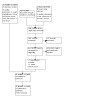
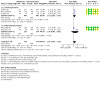
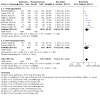
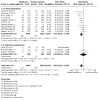
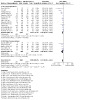
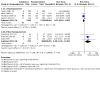
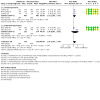
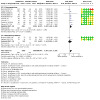
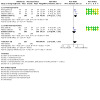
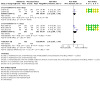
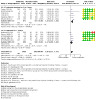
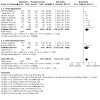
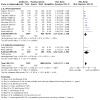
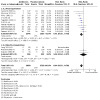
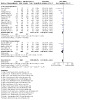
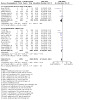
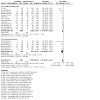
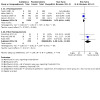
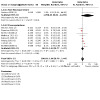
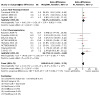
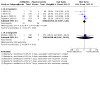
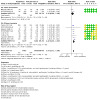
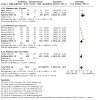
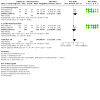
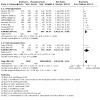
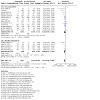
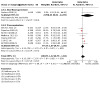
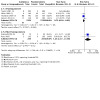
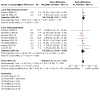
Main results: We included 21 eligible RCTs, 10 of which were newly identified in this update. A total of 8805 participants were randomized. All treatments were topical in the form of drops or ointment. The trials were heterogeneous in terms of their eligibility criteria, the nature of the intervention (antibiotic drug class, which included fluoroquinolones [FQs] and non-FQs; dosage frequency; duration of treatment), the outcomes assessed and the time points of assessment. We judged one trial to be of high risk of bias, four as low risk of bias, and the others as raising some concerns. Based on intention-to-treat (ITT) population, antibiotics likely improved clinical cure (resolution of clinical symptoms or signs) by 26% (RR 1.26, 95% CI 1.09 to 1.46; 5 trials, 1474 participants; moderate certainty) as compared with placebo. Subgroup analysis showed no differences by antibiotic class (P = 0.67) or treatment duration (P = 0.60). In the placebo group, 55.5% (408/735) of participants had spontaneous clinical resolution by days 4 to 9 versus 68.2% (504/739) of participants treated with an antibiotic. Based on modified ITT population, in which participants were analyzed after randomization on the basis of positive microbiological culture, antibiotics likely increased microbiological cure (RR 1.53, 95% CI 1.34 to 1.74; 10 trials, 2827 participants) compared with placebo at the end of therapy; there were no subgroup differences by drug class (P = 0.60). No study evaluated the cost-effectiveness of antibiotic treatment. Patients receiving antibiotics had a lower risk of treatment incompletion than those in the placebo group (RR 0.64, 95% CI 0.52 to 0.78; 13 trials, 5573 participants; moderate certainty) and were 27% less likely to have persistent clinical infection (RR 0.73, 95% CI 0.65 to 0.81; 19 trials, 5280 participants; moderate certainty). There was no evidence of serious systemic side effects reported in either the antibiotic or placebo group (very low certainty). When compared with placebo, FQs (RR 0.70, 95% CI 0.54 to 0.90) but not non-FQs (RR 4.05, 95% CI 1.36 to 12.00) may result in fewer participants with ocular side effects. However, the estimated effects were of very low certainty.
Authors' conclusions: The findings of this update suggest that the use of topical antibiotics is associated with a modestly improved chance of resolution in comparison to the use of placebo. Since no evidence of serious side effects was reported, use of antibiotics may therefore be considered to achieve better clinical and microbiologic efficacy than placebo. Increasing the proportion of participants with clinical cure or increasing the speed of recovery or both are important for individual return to work or school, allowing people to regain quality of life. Future studies may examine antiseptic treatments with topical antibiotics for reasons of cost and growing antibiotic resistance.
Copyright © 2023 The Cochrane Collaboration. Published by John Wiley & Sons, Ltd.
Conflict of interest statement
Figures

Update of
-
Antibiotics versus placebo for acute bacterial conjunctivitis.Cochrane Database Syst Rev. 2012 Sep 12;(9):CD001211. doi: 10.1002/14651858.CD001211.pub3. Cochrane Database Syst Rev. 2012. Update in: Cochrane Database Syst Rev. 2023 Mar 13;3:CD001211. doi: 10.1002/14651858.CD001211.pub4. PMID: 22972049 Updated.
References
References to studies included in this review
Abelson 2008 {published data only}
-
- Abelson MB, Heller W, Shapiro AM, Si E, Hsu P, Bowman LM. Clinical cure of bacterial conjunctivitis with azithromycin 1%: vehicle-controlled, double-masked clinical trial. American Journal of Ophthalmology 2008;145:959-65. - PubMed
-
- NCT00105534. Evaluation of clinical and microbial efficacy and safety of Azasite compared to vehicle for bacterial conjunctivitis (C-01-401-003). clinicaltrials.gov/ct2/show/NCT00105534 (first received 16 Mar 2005).
C‐00‐02 {published data only}
-
- Center for Drug Evaluation and Research. Medical Officer's Review of NDA - Application Number 21-598. www.accessdata.fda.gov/drugsatfda_docs/nda/2003/21-598_Vigamox_medr.PDF (accessed 23 May 2022).
-
- Kodjikian L, Lafuma A, Khoshnood B, Laurendeau C, Berdeaux G. [Efficacy of moxifloxacin in treating bacterial conjunctivitis: a meta-analysis]. Journal of French Ophthalmology 2010;33(4):227-33. - PubMed
C‐00‐55 {published data only}
-
- Alcon Pharma GmbH. Moxifloxacin Alcon Eye drops, solution - DE/H/1588/001/DC. regroup-production.s3.amazonaws.com/documents/ReviewReference/496258225/... (accessed 01 June 2022).
-
- Center for Drug Evaluation and Research. Medical Officer's Review of NDA - Application Number 21-598. www.accessdata.fda.gov/drugsatfda_docs/nda/2003/21-598_Vigamox_medr.PDF (accessed 23 May 2022).
-
- Kodjikian L, Lafuma A, Khoshnood B, Laurendeau C, Berdeaux G. [Efficacy of moxifloxacin in treating bacterial conjunctivitis: a meta-analysis]. Journal of French Ophthalmology 2010;33(4):227-33. - PubMed
C‐01‐66 {published data only}
-
- Kodjikian L, Lafuma A, Khoshnood B, Laurendeau C, Berdeaux G. [Efficacy of moxifloxacin in treating bacterial conjunctivitis: a meta-analysis]. Journal of French Ophthalmology 2010;33(4):227-33. - PubMed
Comstock 2012 {published data only}
-
- Comstock Tl, Paterno MR, Bateman KM, Decory HH, Gearinger M. Safety and tolerability of loteprednol etabonate 0.5% and tobramycin 0.3% ophthalmic suspension in pediatric subjects. Paediatric Drugs 2012;14(2):119‐30. - PubMed
DeLeon 2012 {published data only}
-
- DeLeon J, Silverstein BE, Allaire C, Gearinger LS, Bateman KM, Morris TW, Comstock TL. Besifloxacin ophthalmic suspension 0.6% administered twice daily for 3 days in the treatment of bacterial conjunctivitis in adults and children. Clinical Drug Investigation 2012;32(5):303‐17. - PubMed
-
- Haas W, Gearinger LS, Hesje CJ, Sanfilippo CM, Morris TW. Microbiological etiology and susceptibility of bacterial conjunctivitis isolates from clinical trials with ophthalmic, twice-daily besifloxacin. Advances in Therapy 2012;29(5):442‐55. - PubMed
-
- NCT00972777. Efficacy of besifloxacin ophthalmic suspension in the treatment of bacterial conjunctivitis. www.clinicaltrials.gov/ct2/show/NCT00972777 (first received 9 September 2009).
-
- Silverstein BE, Allaire C, Bateman KM, Gearinger LS, Morris TW, Comstock TL. Efficacy and tolerability of besifloxacin ophthalmic suspension 0.6% administered twice daily for 3 days in the treatment of bacterial conjunctivitis: a multicenter, randomized, double-masked, vehicle-controlled, parallel-group study in adults and children. Clinical Therapeutics 2011;33(1):13-26. - PubMed
Gigliotti 1984 {published data only}
-
- Gigliotti F, Hendley JO, Morgan J, Michaels R, Dickens M, Lohr J. Efficacy of topical antibiotic therapy in acute conjunctivitis in children. Journal of Pediatrics 1984;104:623-6. - PubMed
Gross 2003 {published data only}
-
- Gross RD, Lichtenstein SJ, Schlech BA, Gower LA, Potts SL. Early clinical and microbiological responses in the treatment of bacterial conjunctivitis with moxifloxacin ophthalmic solution 0.5% (Vigamox TM) using b.i.d dosing. Today's Therapeutic Trends 2003;21(2):227-37.
Hwang 2003 {published data only}
Karpecki 2009 {published data only}
-
- Karpecki P, DePaolis M, Hunter JA, White EM, Rigel L, Brunner LS, et al. Besifloxacin ophthalmic suspension 0.6% in patients with bacterial conjunctivitis: a multicenter, prospective, randomized, double-masked, vehicle-controlled, 5-day efficacy and safety study. Clinical Therapeutics 2009;31(3):514-26. - PubMed
-
- NCT00622908. Clinical and microbial efficacy of ISV403 in bacterial conjunctivitis. clinicaltrials.gov/ct2/show/NCT00622908 (first received 25 February 2008).
Leibowitz 1991 {published data only}
-
- Leibowitz HM. Antibacterial effectiveness of ciprofloxacin 0.3% ophthalmic solution in the treatment of bacterial conjunctivitis. American Journal of Ophthalmology 1991;112:29S-33S. - PubMed
Malhotra 2013 {published data only}
-
- NCT01175590. Safety of Besivance™ (Besifloxacin ophthalmic suspension) 0.6% compared to vehicle. clinicaltrials.gov/ct2/show/NCT01175590 (first received 5 August 2010).
Miller 1992 {published data only}
-
- Miller IM, Wittreich J, Vogel R, Cook TJ. The safety and efficacy of topical norfloxacin compared with placebo in the treatment of acute, bacterial conjunctivitis. European Journal of Ophthalmology 1992;2:58-66. - PubMed
NCT00509873 {published data only}
-
- Heller W, Cruz M, Bhagat Yr, De Leon Jm, Felix C, Villanueva L, et al. Gatifloxacin 0.5% administered twice daily for the treatment of acute bacterial conjunctivitis in patients one year of age or older. Journal of Ocular Pharmacology and Therapeutics 2014;30(10):815-22. - PubMed
-
- NCT00509873. A study of the safety and efficacy of gatifloxacin in patients with bacterial conjunctivitis. clinicaltrials.gov/ct2/show/NCT00509873 (first received 1 August 2007).
NCT00518089 {published data only}
-
- Heller W, Cruz M, Bhagat Yr, De Leon Jm, Felix C, Villanueva L, et al. Gatifloxacin 0.5% administered twice daily for the treatment of acute bacterial conjunctivitis in patients one year of age or older. Journal of Ocular Pharmacology and Therapeutics 2014;30(10):815‐22. - PubMed
-
- NCT00518089. A study of the safety and efficacy of gatifloxacin in patients with bacterial conjunctivitis. clinicaltrials.gov/ct2/show/NCT00518089 (first received 20 August 2007).
NCT01740388 {published data only}
-
- NCT01740388. Clinical and microbial efficacy of besifloxacin ophthalmic suspension, 0.6% in the treatment of bacterial conjunctivitis. clinicaltrials.gov/ct2/show/NCT01740388 (first received 4 December 2012).
Rietveld 2005 {published data only}
Rose 2005 {published data only}
-
- Rose PW, Harnden A, Brueggemann AB, Perera R, Sheikh A, Crook D, et al. Chloramphenicol treatment for acute infective conjunctivitis in children in primary care: a randomised double-blind placebo-controlled trial. Lancet 2005;366:37-43. - PubMed
Tauber 2011 {published data only}
-
- NCT00759148. Moxifloxacin AF ophthalmic solution for treatment of bacterial conjunctivitis. clinicaltrials.gov/ct2/show/NCT00759148 (first received 25 September 2008).
-
- Tauber S, Cupp G, Garber R, Bartell J, Vohra F, Stroman D. Microbiological efficacy of a new ophthalmic formulation of moxifloxacin dosed twice-daily for bacterial conjunctivitis. Advances in Therapy 2011;28(7):566-74. - PubMed
Tepedino 2009 {published data only}
-
- NCT00347932. A study to determine if 0.6% ISV-403 is safe and effective in the treatment of bacterial conjunctivitis. clinicaltrials.gov/ct2/show/NCT00347932 (first received 4 July 2006).
-
- Tepedino ME, Heller WH, Usher DW, Brunner LS, Morris TW, Haas W, et al. Phase III efficacy and safety study of besifloxacin ophthalmic suspension 0.6% in the treatment of bacterial conjunctivitis. Current Medical Research and Opinion 2009;25(5):1159-69. - PubMed
Yang 2013 {published data only}
-
- Yang SS, Pan XJ, Wang HG, Zhao GQ. A randomized, double-blind and placebo-controlled clinical trail of topical administration of 1% azithromycin eye drops for acute bacterial conjunctivitis. Zhonghua Shiyan Yanke Zazhi [Chinese Journal of Experimental Ophthalmology] 2013;31(2):182‐5.
References to studies excluded from this review
Belfort 2012 {published data only}
-
- Belfort R Jr, Gabriel L, Martins Bispo PJ, Muccioli C, Zacharias Serapicos PC, Clark L, et al. Safety and efficacy of moxifloxacin-dexamethasone eyedrops as treatment for bacterial ocular infection associated with bacterial blepharitis. Advances in Therapy 2012;29(5):416-26. - PubMed
Bremond‐Gignac 2010 {published data only}
-
- Bremond-Gignac D, Mariani-Kurkdjian P, Beresniak A, El Fekih L, Bhagat Y, Pouliquen P, et al. Efficacy and safety of azithromycin 1.5% eye drops for purulent bacterial conjunctivitis in pediatric patients. Pediatric Infectious Disease Journal 2010;29(3):222-6. - PubMed
Bremond‐Gignac 2014 {published data only}
Bremond‐Gignac 2015 {published data only}
-
- Bremond-Gignac D, Messaoud R, Lazreg S, Speeg-Schatz C, Renault D, Chiambaretta F, et al. A 3-day regimen with azithromycin 1.5% eyedrops for the treatment of purulent bacterial conjunctivitis in children: efficacy on clinical signs and impact on the burden of illness. Clinical Ophthalmology 2015;9:725-32. - PMC - PubMed
Denis 2008 {published data only}
-
- Denis F, Chaumeil C, Goldschmidt P, Delval L, Pouliquen P, Cochereau I, et al. Microbiological efficacy of 3-day treatment with azithromycin 1.5% eye-drops for purulent bacterial conjunctivitis. European Journal of Ophthalmology 2008;18(6):858-68. - PubMed
Everitt 2006 {published data only}
Granet 2008 {published data only}
-
- Granet DB, Dorfman M, Stroman D, Cockrum P. A multicenter comparison of polymyxin B sulfate/trimethoprim ophthalmic solution and moxifloxacin in the speed of clinical efficacy for the treatment of bacterial conjunctivitis. Journal of Pediatric Ophthalmology and Strabismus 2008;45(6):340-9. - PubMed
Leibowitz 1976 {published data only}
-
- Leibowitz HM, Pratt MV, Flagstad IJ, Berrospi AR, Kundsin R. Human conjunctivitis. II. Treatment. Archives of Ophthalmology 1976;94:1752-6. - PubMed
McDonald 2009 {published data only}
-
- McDonald MB, Protzko EE, Brunner LS, Morris TW, Haas W, Paterno MR, et al. Efficacy and safety of besifloxacin ophthalmic suspension 0.6% compared with moxifloxacin ophthalmic solution 0.5% for treating bacterial conjunctivitis. Ophthalmology 2009;116(9):1615-23. - PubMed
Mitsui 1986 {published data only}
-
- Mitsui Y, Matsuda H, Miyajima T, Tazawa, Kumagai S. Therapeutic effects of ofloxacin eye drops (DE-055) on external infection of the eye: multicentral double blind test. Japanese Review of Clinical Ophthalmology 1986;80:1813-28.
Robert 2010 {published data only}
-
- Robert PY, Bourcier T, Meddeb-Ouertani A, Khairallah M, Zaghloul K, Amraoui A, et al. Efficacy assessment of azithromycin 1.5% eye drops versus tobramycin 0.3% on clinical signs of purulent bacterial conjunctivitis [Evaluation de l'efficacité d'un collyre azithromycine 1,5% versus tobramycine 0,3% sur les signes cliniques de la conjonctivite bactérienne purulente]. Journal Français D'Ophtalmologie 2010;33(4):241-8. - PubMed
Szaflik 2009 {published data only}
-
- Szaflik J, Szaflik JP, Kaminska A, Levofloxacin Bacterial Conjunctivitis Dosage Study Group. Clinical and microbiological efficacy of levofloxacin administered three times a day for the treatment of bacterial conjunctivitis. European Journal of Ophthalmology 2009;19(1):1-9. - PubMed
Ta 2007 {published data only}
-
- Ta CN, Sinnar S, He L, Myung D, Mino De Kaspar H. Prospective randomized comparison of 1-day versus 3-day application of topical levofloxacin in eliminating conjunctival flora. European Journal of Ophthalmology 2007;17(5):689-95. - PubMed
Zhang 2019 {published data only}
-
- Zhang Y, He X, Yin Z, Wang L, Li L, Zhang H, et al. Efficacy and safety of pazufloxacin mesylate eye drops for bacterial conjunctivitis: a multicenter randomized, double-masked, parallel controlled clinical trial. Zhonghua Shiyan Yanke Zazhi [Chinese Journal of Experimental Ophthalmology] 2019;37(7):546‐52.
References to studies awaiting assessment
NCT02432807 {published data only}
-
- NCT02432807. Safety and efficacy of vancomycin ophthalmic ointment in patients with moderate to severe bacterial conjunctivitis. clinicaltrials.gov/ct2/show/NCT02432807 (first received 4 May 2015).
Ofloxacin 1990 {published data only}
-
- Oxfloxacin Study Group III. A placebo-controlled clinical study of the fluoroquinolone ofloxacin in patients with external ocular infection. Investigative Ophthalmology & Visual Science 1990;31:Abstract number 2803.
Additional references
Ahovuo‐Saloranta 2008
Ahovuo‐Saloranta 2014
Ballouz 2019
CDC 2019
-
- Centers for Disease Control and Prevention. Sinus infection (sinusitis). www.cdc.gov/antibiotic-use/sinus-infection.html (accessed 30 August 2022).
CDC 2021a
-
- Centers for Disease Control and Prevention. Ear infection. www.cdc.gov/antibiotic-use/ear-infection.html (accessed 30 August 2022).
CDC 2021b
-
- Centers for Disease Control and Prevention. Sore throat. www.cdc.gov/antibiotic-use/sore-throat.html (accessed 30 August 2022).
Covidence [Computer program]
-
- Covidence. Melbourne, Australia: Veritas Health Innovation, Accessed 27 April 2022. Available at covidence.org.
D'Oria 2023
-
- D'Oria F, Buonamassa R, Rizzo T, Boscia F, Alessio G, Guerriero S. Bacterial isolates and antimicrobial susceptibility pattern of ocular infection at a tertiary referral hospital in the South of Italy. European Journal of Ophthalmology 2023;33(1):370-6. - PubMed
Dart 1986
Deeks 2022
-
- Deeks JJ, Higgins JP, Altman DG. Chapter 10: Analysing data and undertaking meta-analyses. In: Higgins JPT, Thomas J, Chandler J, Cumpston M, Li T, Page MJ, et al (editors). Cochrane Handbook for Systematic Reviews of Interventions version 6.3 (updated February 2022). Cochrane, 2022. Available from www.training.cochrane.org/handbook.
Del Mar 2004
Everitt 2002
-
- Everitt H, Little P. How do GPs diagnose and manage acute infective conjunctivitis? A GP survey. Family Practice 2002;19(6):658-60. - PubMed
Falagas 2008
-
- Falagas ME, Giannopoulou KP, Vardakas KZ, Dimopoulos G, Karageorgopoulos DE. Comparison of antibiotics with placebo for treatment of acute sinusitis: a meta-analysis of randomised controlled trials. Lancet Infectious Diseases 2008;8(9):543-52. - PubMed
Glanville 2006
Glasziou 2004
Heller 2014
-
- Heller W, Cruz M, Bhagat YR, De Leon JM, Felix C, Villanueva L, et al. Gatifloxacin 0.5% administered twice daily for the treatment of acute bacterial conjunctivitis in patients one year of age or older. Journal of Ocular Pharmacology and Therapeutics 2014;30(10):815-22. - PubMed
Hesje 2009
-
- Hesje CK, Borsos SD, Blondeau JM. Benzalkonium chloride enhances anti-bacterial activity of gatifloxacin and reduces its propensity to select for fluoroquinolone-resistant strains. Journal of Ocular Pharmacology and Therapeutics 2009;25(4):329-34. - PubMed
Higgins 2022
-
- Higgins JPT, Savović J, Page MJ, Elbers RG, Sterne JAC. Chapter 8: Assessing risk of bias in a randomized trial. In: Higgins JPT, Thomas J, Chandler J, Cumpston M, Li T, Page MJ, et al (editors). Cochrane Handbook for Systematic Reviews of Interventions version 6.3 (updated February 2022). Cochrane, 2022. Available from www.training.cochrane.org/handbook.
Hlatky 2006
-
- Hlatky MA, Owens DK, Sanders GD. Cost-effectiveness as an outcome in randomized clinical trials. Clinical Trials 2006;3(6):543-51. - PubMed
Hovding 1991
-
- Hovding G, Bratland SZ, Digranes A. Rodt Oye - Praktisk Veiledning i Allmenn Praksis. Oslo: Lovens Kemiske Fabrik, 1991.
Hovding 2008
-
- Hovding G. Acute bacterial conjunctivitis. Acta Ophtalmologica 2008;86(1):5-17. - PubMed
Huang 2018
-
- Huang YC, Lin YT, Wang FD. Comparison of the therapeutic efficacy of fluoroquinolone and non-fluoroquinolone treatment in patients with Elizabethkingia meningoseptica bacteraemia. International Journal of Antimicrobial Agents 2018;51(1):47-51. - PubMed
Hurwitz 2005
Jefferis 2011
Kodjikian 2010
-
- Kodjikian L, Lafuma A, Khoshnood B, Laurendeau C, Berdeaux G. Efficacy of moxifloxacin in treating bacterial conjunctivitis: a meta-analysis [Efficacité de la moxifloxacine dans le traitement de la conjonctivite bactérienne aiguë: une méta-analyse]. Journal Francais D'Ophtalmologie 2010;33(4):227-33. - PubMed
Lancaster 1998
Lee 2022
-
- Lee T, Kuo IC. Survey of state conjunctivitis policies for school-aged students. Journal of American Association for Pediatric Ophthalmology and Strabismus 2022;26(3):115.e1-115.e5. - PubMed
Li 2022
-
- Li T, Higgins JPT, Deeks JJ. Chapter 5: Collecting data. In: Higgins JPT, Thomas J, Chandler J, Cumpston M, Li T, Page MJ, et al (editors). Cochrane Handbook for Systematic Reviews of Interventions version 6.3 (updated February 2022). Cochrane, 2022. Available from www.training.cochrane.org/handbook.
Mahvan 2014
-
- Mahvan TD, Hornecker JR, Buckley WA, Clark S. The role of besifloxacin in the treatment of bacterial conjunctivitis. Annals of Pharmacotherapy 2014;48(5):616-25. - PubMed
McCormick 1995
-
- McCormick A, Fleming D, Charlton J. Morbidity Statistics from General Practice. Fourth National Study 1991-2. London: HMSO, 1995.
McDonnell 1988
McKenzie 2022a
-
- McKenzie JE, Brennan SE, Ryan RE, Thomson HJ, Johnston RV. Chapter 9: Summarizing study characteristics and preparing for synthesis. In: Higgins JPT, Thomas J, Chandler J, Cumpston M, Li T, Page MJ, et al (editors). Cochrane Handbook for Systematic Reviews of Interventions version 6.3 (updated February 2022). Cochrane, 2022. Available from www.training.cochrane.org/handbook.
McKenzie 2022b
-
- McKenzie JE, Brennan SE. Chapter 12: Synthesizing and presenting findings using other methods. In: Higgins JPT, Thomas J, Chandler J, Cumpston M, Li T, Page MJ, et al (editors). Cochrane Handbook for Systematic Reviews of Interventions version 6.3 (updated February 2022). Cochrane, 2022. Available from www.training.cochrane.org/handbook.
McLean 2010
MECIR Standards 2022
-
- Higgins JPT, Lasserson T, Chandler J, Tovey D, Thomas J, Flemyng E, et al. Methodological Expectations of Cochrane Intervention Reviews (Cochrane: London, Version February 2022). community.cochrane.org/mecir-manual/key-points-and-introduction/how-cite... accessed prior to 5 March 2023.
NCT01175590
-
- NCT01175590. Safety of Besivance™ (Besifloxacin ophthalmic suspension) 0.6% compared to vehicle. clinicaltrials.gov/ct2/show/NCT01175590 (first received 5 August 2010).
NDA‐21‐598
-
- Center for Drug Evaluation and Research. Medical Officer's Review of NDA - Application Number 21-598. www.accessdata.fda.gov/drugsatfda_docs/nda/2003/21-598_Vigamox_medr.PDF (accessed 23 May 2022).
Peng 2018
Ramos 2019
RevMan Web [Computer program]
-
- Review Manager Web (RevMan Web). Version 4.2.1. The Cochrane Collaboration, 2022. Available at revman.cochrane.org.
RMS Public Assessment Report
-
- Alcon Pharma GmbH. Moxifloxacin Alcon Eye drops, solution - DE/H/1588/001/DC.. regroup-production.s3.amazonaws.com/documents/ReviewReference/496258225/... (accessed 01 June 2022).
Rose 2006
-
- Rose PW, Ziebland S, Harnden A, Mayon-White R, Mant D, Oxford Childhood Infection Study group (OXCIS). Why do general practitioners prescribe antibiotics for acute infective conjunctivitis in children? Qualitative interviews with GPs and a questionnaire survey of parents and teachers. Family Practice 2006;23(2):226-32. - PubMed
Rose 2007
-
- Rose P. Management strategies for acute infective conjunctivitis in primary care: a systematic review. Expert Opinion in Pharmacotherapy 2007;8(12):1903-21. - PubMed
Rosenfeld 2007
-
- Rosenfeld RM, Singer M, Jones S. Systematic review of antimicrobial therapy in patients with acute rhinosinusitis. Otolaryngology - Head and Neck Surgery 2007;137(3 Suppl):S32-S45. - PubMed
Schünemann 2022a
-
- Schünemann HJ, Higgins JP, Vist GE, Glasziou P, Akl EA, Skoetz N, et al. Chapter 14: Completing ‘Summary of findings’ tables and grading the certainty of the evidence. In: Higgins JPT, Thomas J, Chandler J, Cumpston M, Li T, Page MJ, et al (editors). Cochrane Handbook for Systematic Reviews of Interventions version 6.3 (updated February 2022). Cochrane, 2022. Available from www.training.cochrane.org/handbook.
Schünemann 2022b
-
- Schünemann HJ, Neumann I, Hultcrantz M, Brignardello-Petersen R, Zeng L, Murad MH, et al, for the GRADE Working Group. GRADE Guidance article 35: Update on rating imprecision for assessing contextualized certainty of evidence and making decisions. Journal of Clinical Epidemiology 2022 (Epub online). [DOI: ] - PubMed
Silverstein 2011
-
- Silverstein BE, Allaire C, Bateman KM, Gearinger LS, Morris TW, Comstock TL. Efficacy and tolerability of besifloxacin ophthalmic suspension 0.6% administered twice daily for 3 days in the treatment of bacterial conjunctivitis: a multicenter, randomized, double-masked, vehicle-controlled, parallel-group study in adults and children. Clinical Therapeutics 2011;33(1):13-26. - PubMed
Wald 1997
-
- Wald ER. Conjunctivitis in infants and children. Pediatric Infectious Diseases Journal 1997;16:S17-20. - PubMed
Walker 1998
-
- Walker S, Diaper CJ, Bowman R, Sweeney G, Seal DV, Kirkness CM. Lack of evidence for systemic toxicity following topical chloramphenicol use. Eye (London) 1998;12 (Pt 5):875-9. - PubMed
Wang 2019
WHO AWaRe 2021
-
- WHO Access, Watch, Reserve (AWaRe) classification of antibiotics for evaluation and monitoring of use, 2021 (Geneva: World Health Organization; 2021 (WHO/MHP/HPS/EML/2021.04)). Available at www.who.int/publications/i/item/2021-aware-classification (accessed prior to 5 March 2023).
References to other published versions of this review
Sheikh 2000
Sheikh 2006
Publication types
MeSH terms
Substances
Grants and funding
LinkOut - more resources
Full Text Sources
Medical
Research Materials
