


NAD+ precursor supplementation prevents mtRNA/RIG-I-dependent inflammation during kidney injury
- PMID: 36914909
- PMCID: PMC10230446
- DOI: 10.1038/s42255-023-00761-7
NAD+ precursor supplementation prevents mtRNA/RIG-I-dependent inflammation during kidney injury
Abstract
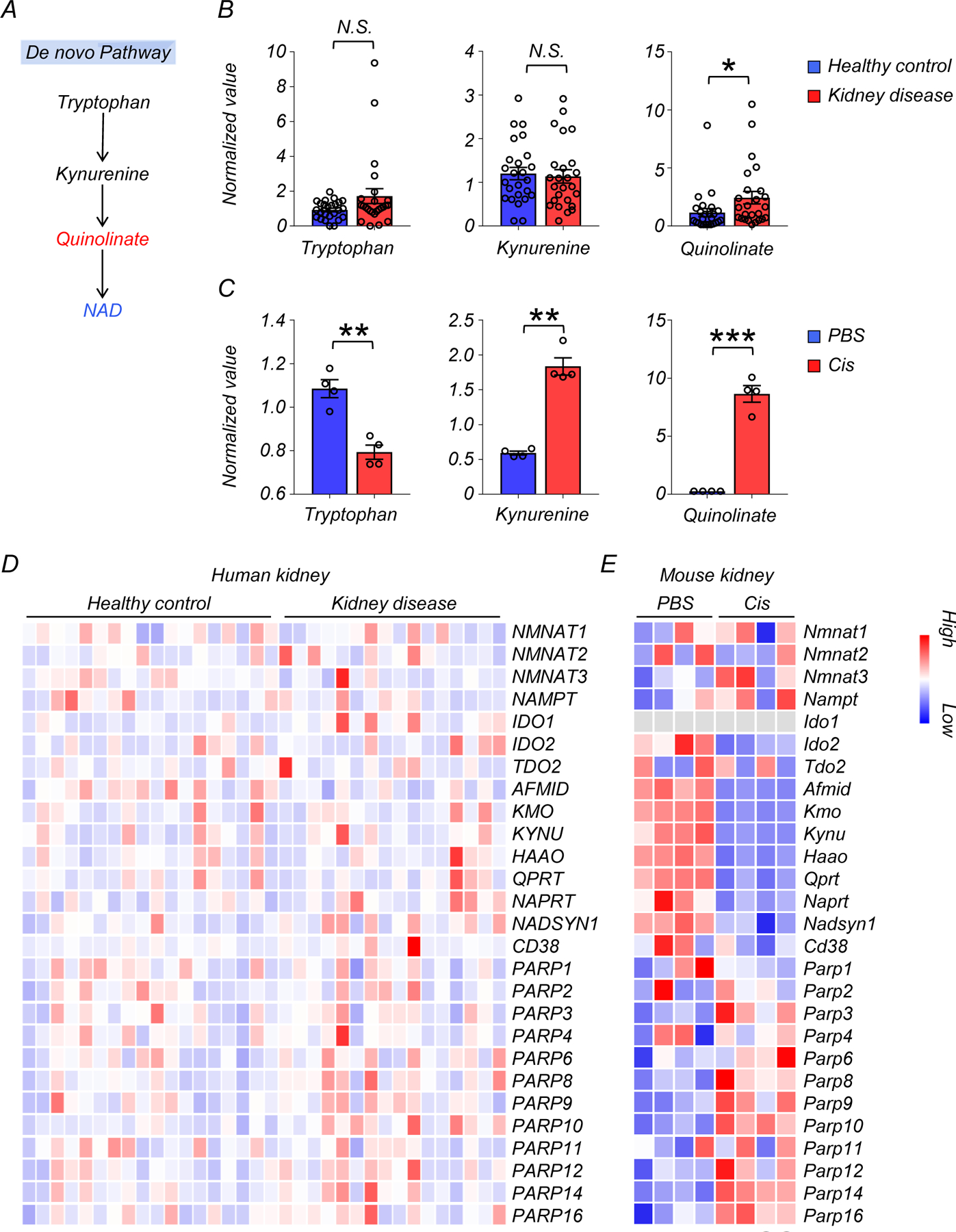
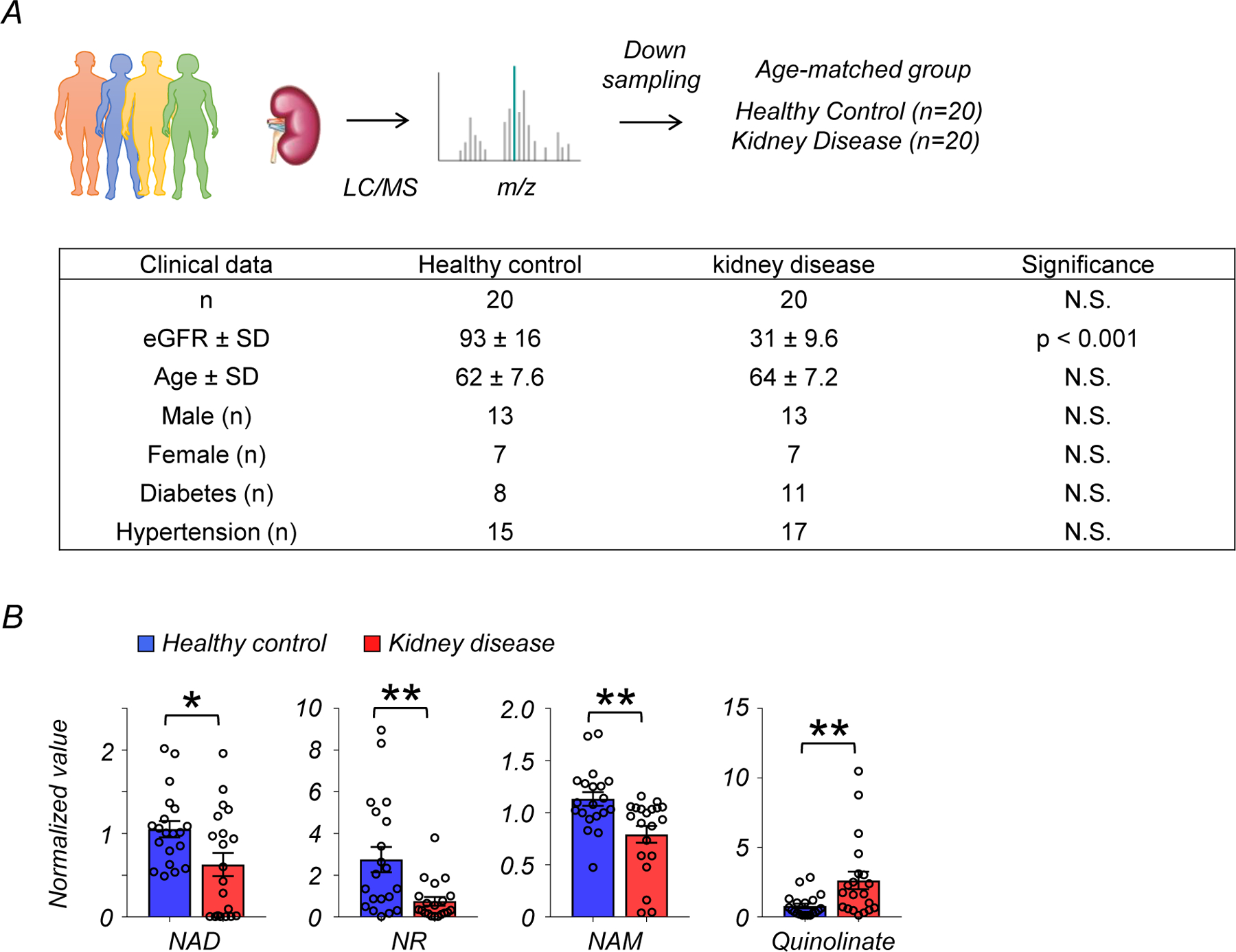
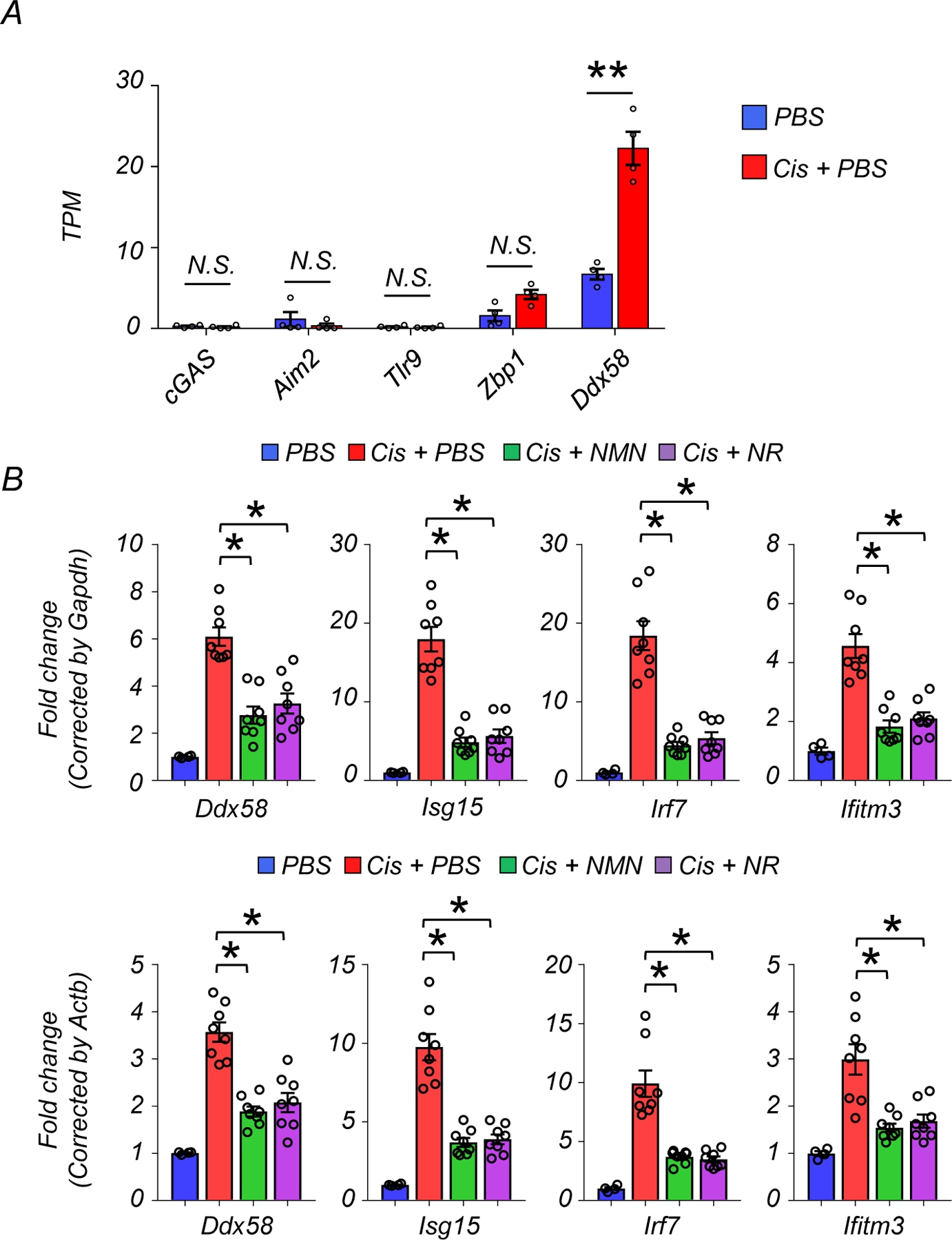
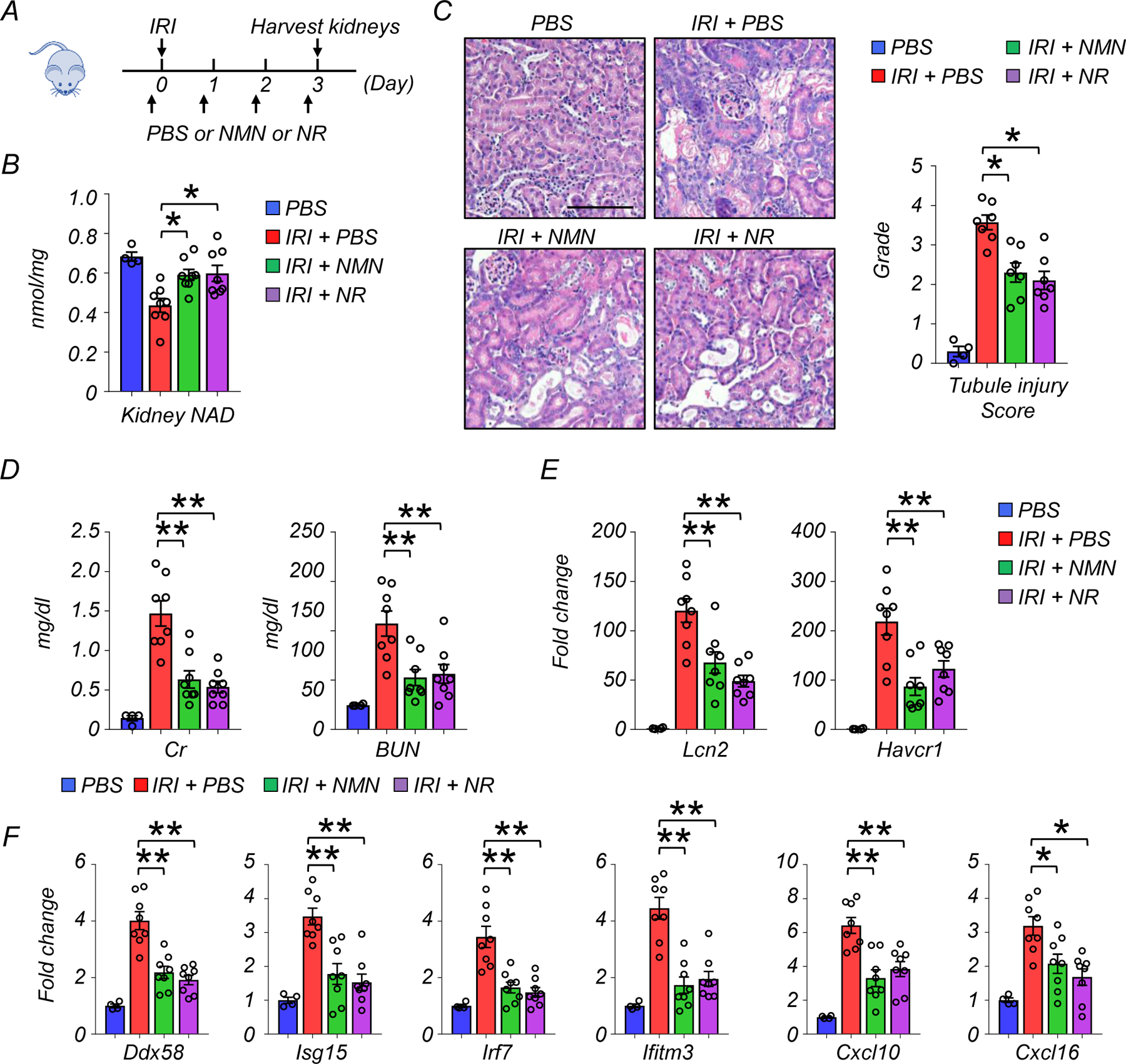
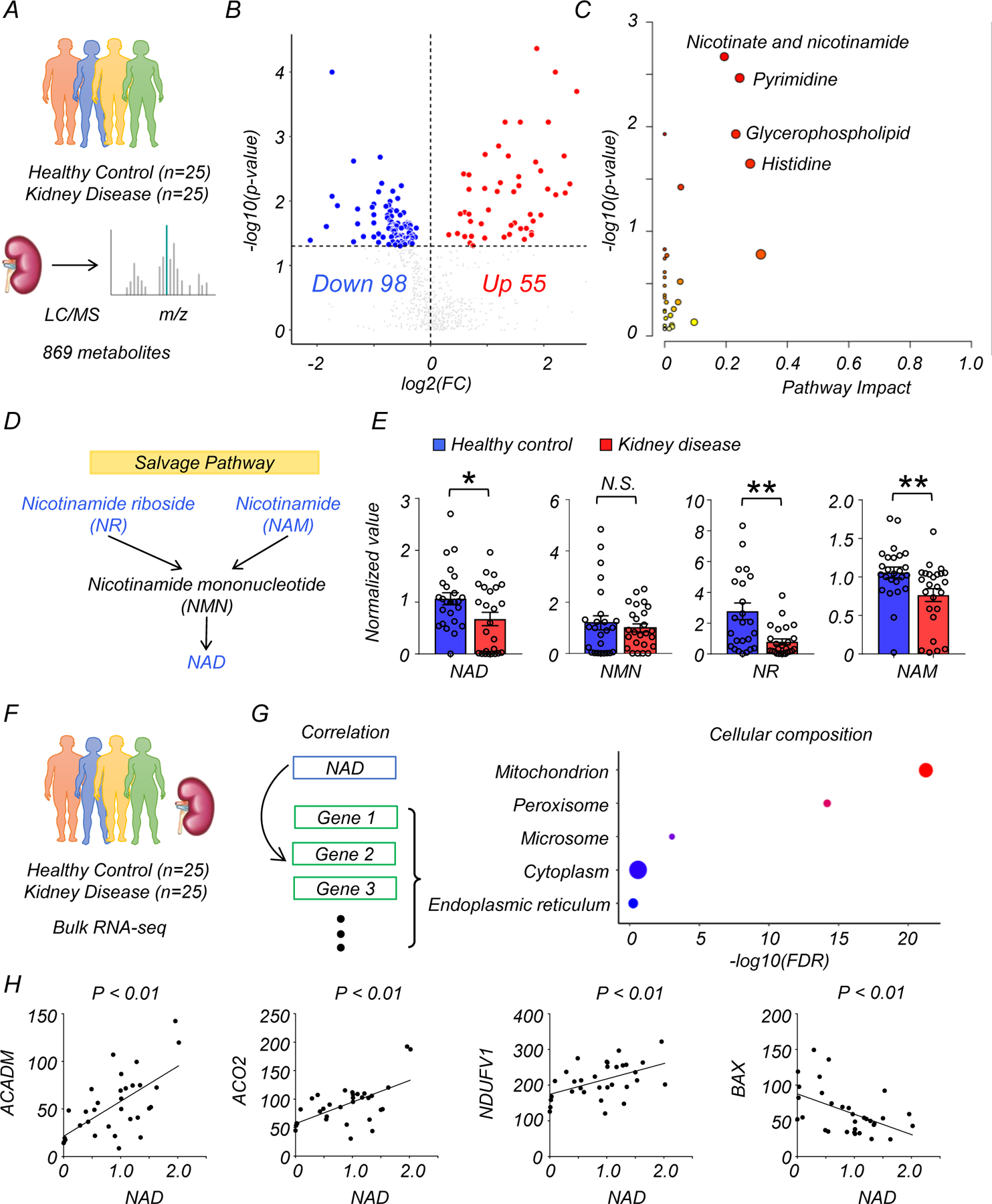
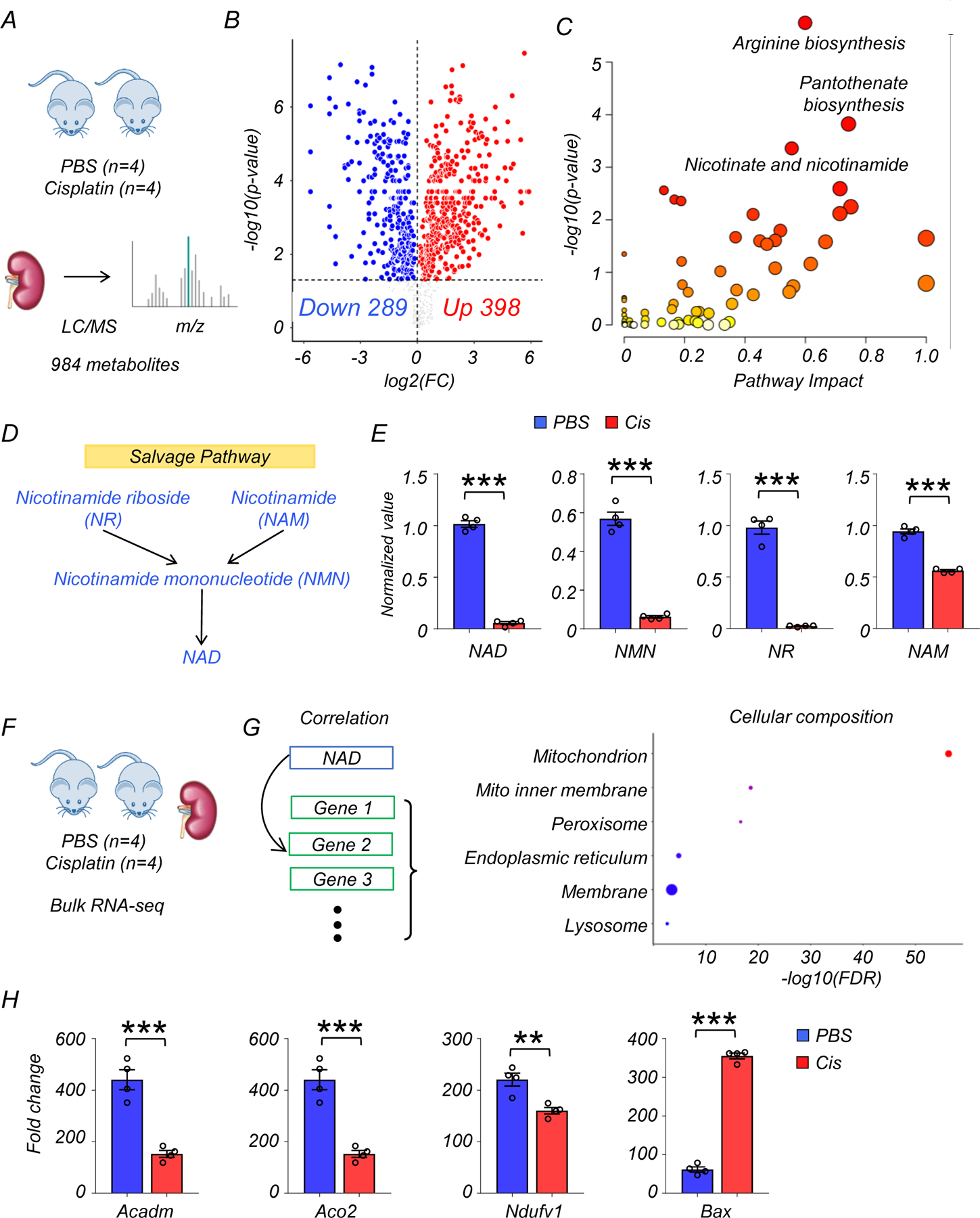
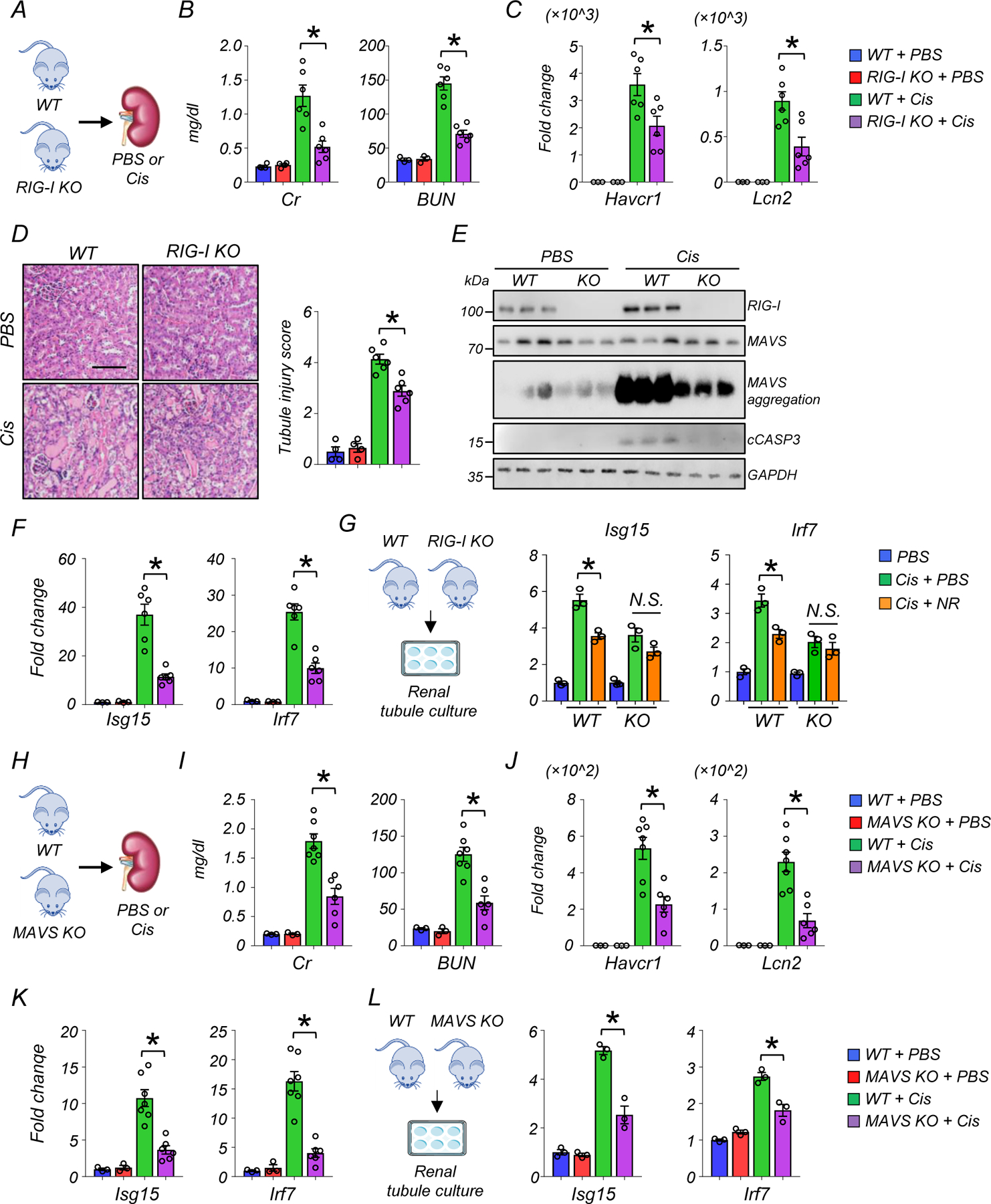
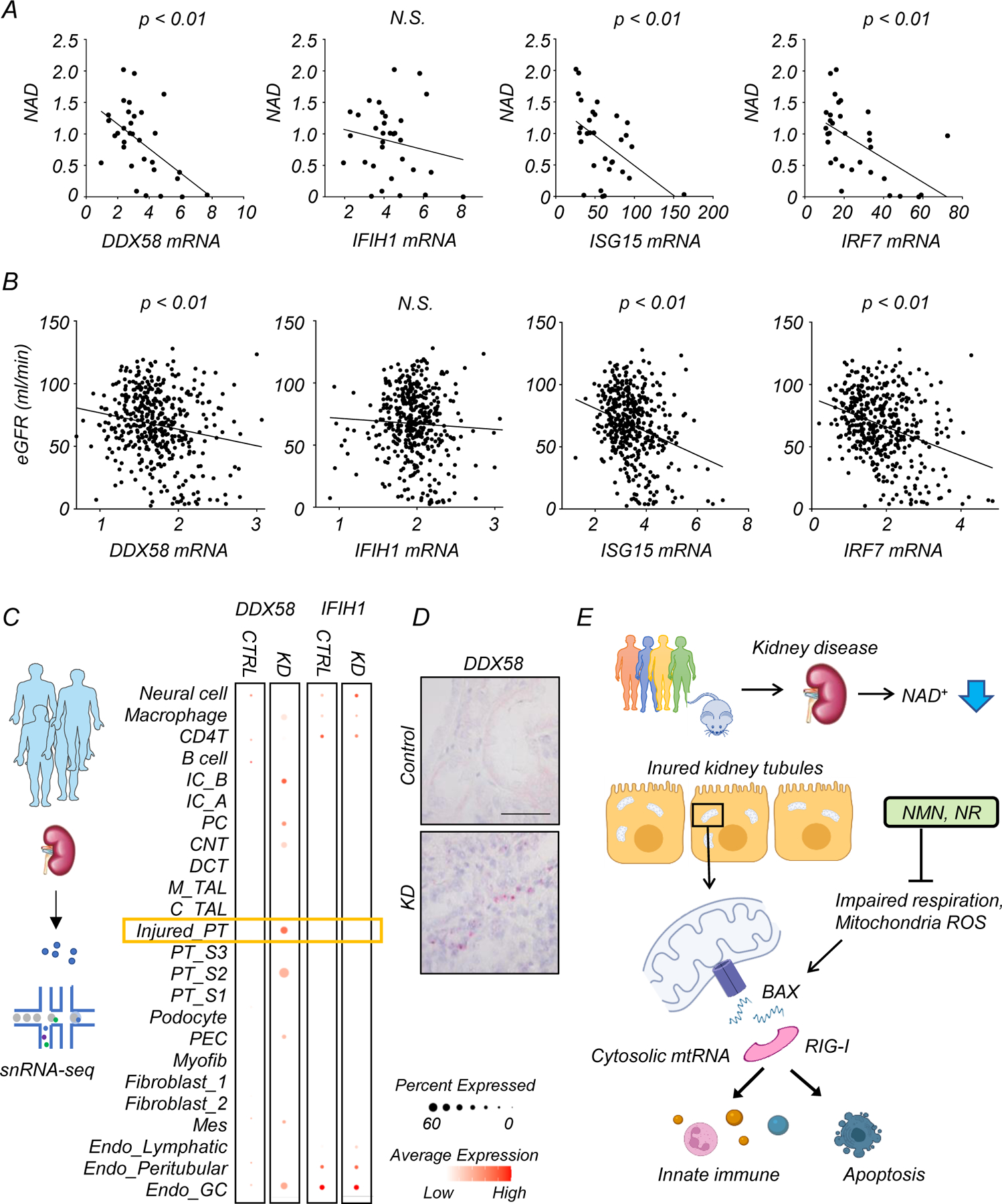
Our understanding of how global changes in cellular metabolism contribute to human kidney disease remains incompletely understood. Here we show that nicotinamide adenine dinucleotide (NAD+) deficiency drives mitochondrial dysfunction causing inflammation and kidney disease development. Using unbiased global metabolomics in healthy and diseased human kidneys, we identify NAD+ deficiency as a disease signature. Furthermore using models of cisplatin- or ischaemia-reperfusion induced kidney injury in male mice we observed NAD+ depletion Supplemental nicotinamide riboside or nicotinamide mononucleotide restores NAD+ levels and improved kidney function. We find that cisplatin exposure causes cytosolic leakage of mitochondrial RNA (mtRNA) and activation of the cytosolic pattern recognition receptor retinoic acid-inducible gene I (RIG-I), both of which can be ameliorated by restoring NAD+. Male mice with RIG-I knock-out (KO) are protected from cisplatin-induced kidney disease. In summary, we demonstrate that the cytosolic release of mtRNA and RIG-I activation is an NAD+-sensitive mechanism contributing to kidney disease.
© 2023. The Author(s), under exclusive licence to Springer Nature Limited.
Conflict of interest statement
Conflict of interest statement
Work in the Susztak lab is supported by Gilead, GSK, Boehringer, Regeneron, Novo Nordisk, Novartis, Calico, Astra Zeneca, Genentech, Ventus, and Maze biotech. J.A.B. is consultant to Pfizer and Cytokinetics, an inventor on a patent for using NAD+ precursors in liver injury and has received research funding and materials from Elysium Health and Metro International Biotech, both of which have an interest in NAD+ precursors. The remaining authors declare no competing interests.
Figures
Comment in
-
NAD+ and mtRNA sensing drive human kidney diseases.Nat Metab. 2023 Mar;5(3):357-359. doi: 10.1038/s42255-023-00762-6. Nat Metab. 2023. PMID: 36914910 No abstract available.
References
-
- Liu BC, Tang TT, Lv LL & Lan HY Renal tubule injury: a driving force toward chronic kidney disease. Kidney Int 93, 568–579 (2018). - PubMed
-
- Nadour Z et al. Validation of a liquid chromatography coupled to tandem mass spectrometry method for simultaneous quantification of tryptophan and 10 key metabolites of the kynurenine pathway in plasma and urine: Application to a cohort of acute kidney injury patients. Clinica chimica acta; international journal of clinical chemistry 534, 115–127 (2022). - PubMed
Publication types
MeSH terms
Substances
Grants and funding
LinkOut - more resources
Full Text Sources
Other Literature Sources
Molecular Biology Databases
Research Materials
