


The first detection of two Aeromonas strains in mice of the genus Apodemus
- PMID: 36922567
- PMCID: PMC10017686
- DOI: 10.1038/s41598-023-31306-3
The first detection of two Aeromonas strains in mice of the genus Apodemus
Abstract
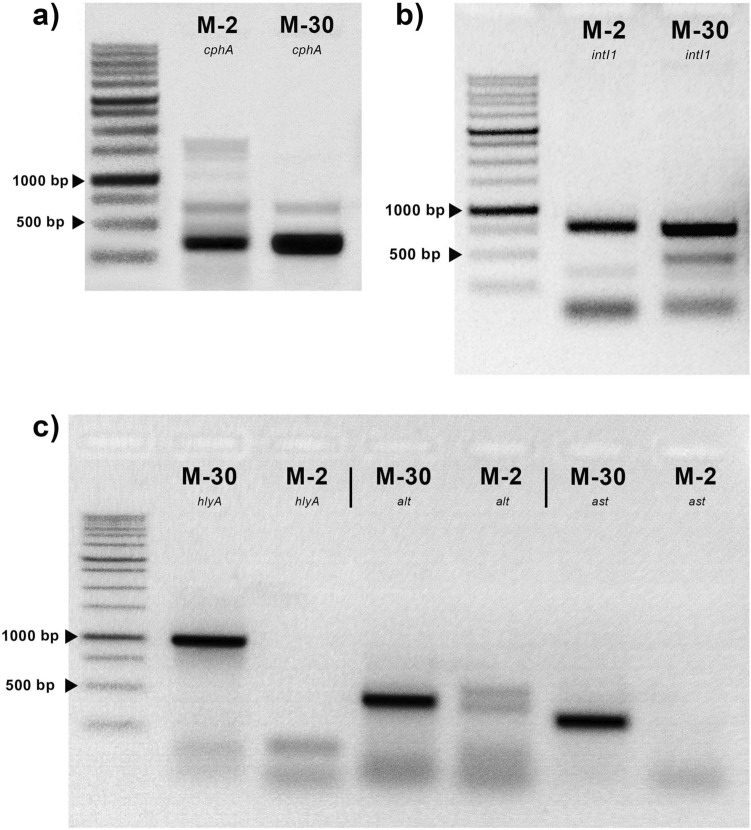
Aeromonas spp. are gram-negative facultatively anaerobic bacilli recovered mainly from aquatic environments. Aeromonas spp. were reported to be associated with infections primarily in aquatic and to a lesser extent in terrestrial animals as well as in humans. Up-to-date little is known about aeromonads associated with wild animals, especially with rodents. This study reported the first isolation and characterization of two Aeromonas spp. from internal organs of apparently healthy wild rodents Apodemus uralensis and Apodemus flavicollis captured in the wild environment in the European part of Russia. Isolates were identified as A. hydrophila M-30 and A. encheleia M-2 using the multilocus sequence analysis (MLSA) approach. The isolation of the A. encheleia from rodents is the first described case. Both strains demonstrated beta-hemolytic activity towards human erythrocytes. Antimicrobial susceptibility testing showed that both Aeromonas strains were resistant and intermediate to carbapenems and piperacillin-tazobactam, which was caused by the expression of the genus-specific CphA carbapenemases. A. hydrophila M-30 also demonstrated trimethoprim resistant phenotype. This is usually caused by the carriage of the dfrA or dfrB genes in aeromonads which are frequently associated with integron class I. The latter however was absent in both isolates. Our results expand our understanding of possible aeromonad reservoirs and demonstrate the likelihood of the formation of natural foci of Aeromonas infection and a new link in the chain of the spread of antimicrobial resistance as well.
© 2023. The Author(s).
Conflict of interest statement
The authors declare no competing interests.
Figures


References
-
- De Oliveira SD, et al. The occurrence of Aeromonas spp. in the bottled mineral water, well water and tap water from the municipal supplies. Brazilian Arch. Biol. Technol. 2008;51:1049–1055. doi: 10.1590/S1516-89132008000500022. - DOI
MeSH terms
Substances
LinkOut - more resources
Full Text Sources
Molecular Biology Databases
Miscellaneous
