


Longitudinal data support university-based biomedical entrepreneurship education programs
- PMID: 36922690
- PMCID: PMC10122420
- DOI: 10.1038/s41587-023-01701-2
Longitudinal data support university-based biomedical entrepreneurship education programs
Abstract
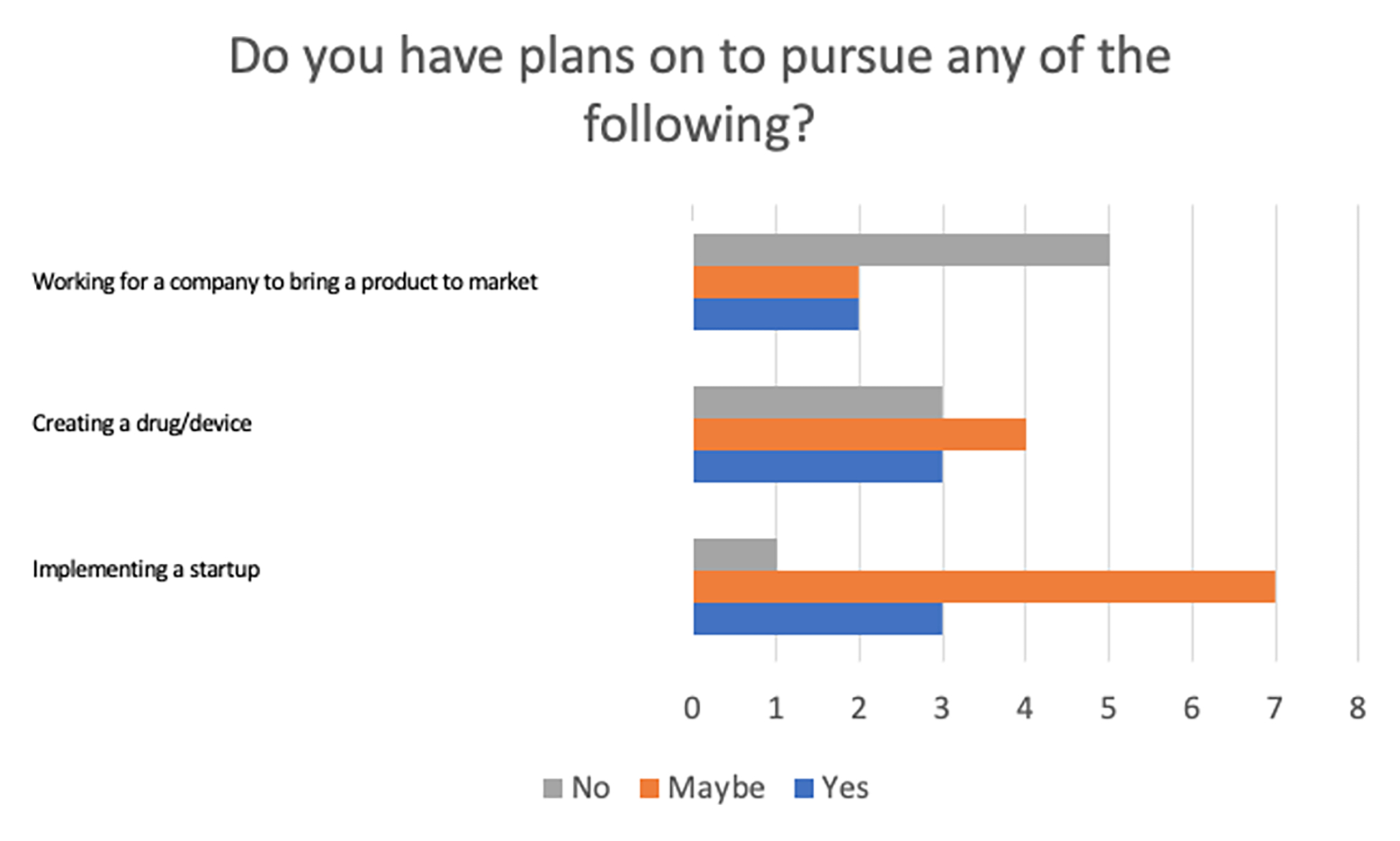
Increasing numbers of biomedical doctoral graduates enter the biotechnology and industry workforce, though most lack training in business concepts and entrepreneurship. Early-stage researchers can greatly benefit from education and skills development in venture creation and commercialization of discoveries. With support from NIDDK and NCATS, the Biomedical Entrepreneurship Educational Program (BEEP) was developed to fill the science of translation and innovation knowledge gap. Results of a 2 year post BEEP survey revealed that 70% of participants were either planning to form a biomedical startup, create a new drug, or bring a new medical device to market. 94% of participants indicated that the program was relevant to biomedical entrepreneurs at all career stages. The data show longer term success measures of BEEP and highlight the need to integrate such programs into standard biomedical curricula as well as enhance interdisciplinary collaborations.
Figures


References
-
- Lowe D (2010). Where Drugs Come from: The Numbers. Science. Retrieved from https://www.science.org/content/blog-post/where-drugs-come-numbers.
-
- Ozdemir D, Dabic M, Daim T, (2019) Entrepreneurship Education from a Croatian Medical Student’s Perspective. Technol. Soc, vol. 58, p.101–113
-
- Khanna I (2012). Drug discovery in Pharmaceutical Industry: Productivity Challenges and Trends.Drug Discov Today vol. 17, no. 19–20, p. 1088–1102. - PubMed
-
- Danielle K (2019) Exploring FDA Approval Pathways for Medical Devices. MassDevice. Retrieved from https://www.massdevice.com/exploring-fda-approval-pathways-for-medical-d....
MeSH terms
Grants and funding
LinkOut - more resources
Full Text Sources
Miscellaneous
