


Does telehealth affect the adherence to ART among patients with HIV? A systematic review and meta-analysis
- PMID: 36932376
- PMCID: PMC10022569
- DOI: 10.1186/s12879-023-08119-w
Does telehealth affect the adherence to ART among patients with HIV? A systematic review and meta-analysis
Abstract
Background: Several studies have shown different effects of telehealth interventions on adherence to Antiretroviral therapy (ART) among people living with HIV. This study conducted a meta-analysis of Randomized Controlled Trials (RCTs) to estimate the pooled effect of telehealth interventions on the treatment adherence of HIV patients.
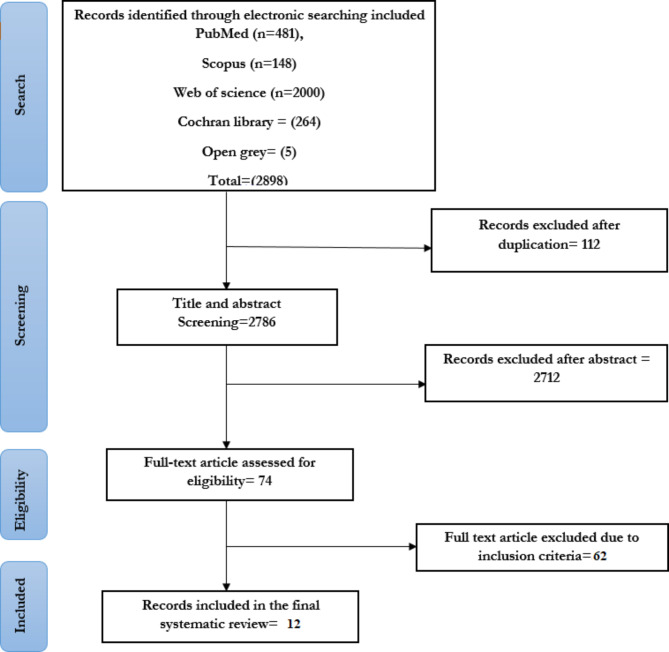
Methods: The researchers conducted literature searches in Scopus, PubMed, Web of Science, Google Scholar, and Cochrane Central Register of Controlled Trials databases. In addition, open grey was systematically searched until January 2022 for RCTs around the effects of telehealth on adherence to treatment ART among patients with HIV. Each study's methodological quality was assessed using the Cochrane Collaboration tool. Pooled Standard Mean Differences (SMD) and Risk Ratio (RR) with 95% CI were calculated using the random effects model.
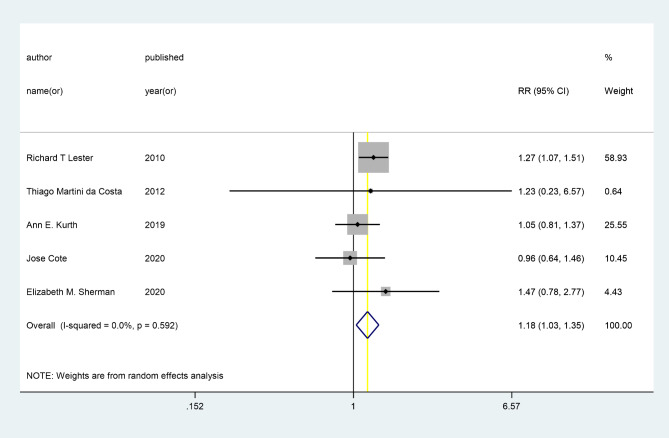
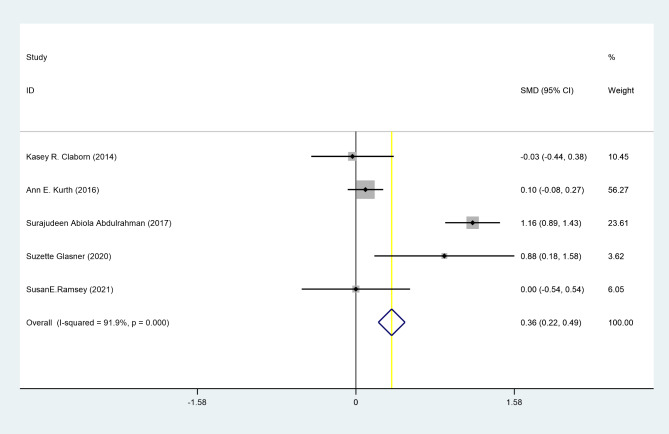
Results: In total, 12 eligible articles were considered in the present systematic review. A random-effects meta-analysis using 5 RCTs yielded the pooled RR estimate of 1.18 (95% CI: 1.03 to 1.35, p < 0.05); I2 = 0, suggesting the adherence to treatment among patients with HIV who received telehealth intervention was significantly 18% upper than control groups. Moreover, the random effects analysis of SMD showed a positive effect for telehealth with SMR = 0.36 (95% CI: 0.22 to 0.49, p < 0.05); I2 = 91.9%, indicating that telehealth intervention increased ART adherence to the treatment group compared to the control group.
Conclusion: Telehealth intervention as a new modality of health care service delivery could be a valuable strategy to improve ART adherence among patients with HIV. It can strengthen the capacity of HIV care services. On a large scale, telehealth can be utilized as a supplementary component for ART delivery and retention toward successful adherence to the therapy.
Keywords: Acquired immunodeficiency syndrome; Adherence; Antiretroviral therapy (ART); Digital Health; HIV; Meta-analysis; Telemedicine.
© 2023. The Author(s).
Conflict of interest statement
The authors have no competing interests to declare.
Figures
References
-
- Heidari M, Ghodusi Borujeni M, Naseh L. A comparative study on the Effects of Verbal and non-verbal education on the knowledge and attitude of soldiers regarding the transmission and Prevention of AIDS. J Military Med. 2014;16(3):169–77.
-
- Mehrabi TA, Esmi N, Khoubdel M. Soldirs’ Knowledge on hygiene status in military training course. J Military Med. 2009; 10(4):293–7.
-
- Hosseini-Shokouh S-J, Dabaghi P, Shahrabadi R. The effectiveness of AIDS Prevention Education Program on reducing risk factors with Community Based Approach in soldiers and military staff. J Mil Med. 2019;21(4):372–9.
-
- WHO. Global progress report on HIV, viral hepatitis and sexually transmitted infections, 2021: accountability for the global health sector strategies 2016–2021: actions for impact: web annex 2: data methods. 2021.
Publication types
MeSH terms
LinkOut - more resources
Full Text Sources
Medical
