


Fibrinolysis: an illustrated review
- PMID: 36942151
- PMCID: PMC10024051
- DOI: 10.1016/j.rpth.2023.100081
Fibrinolysis: an illustrated review
Abstract
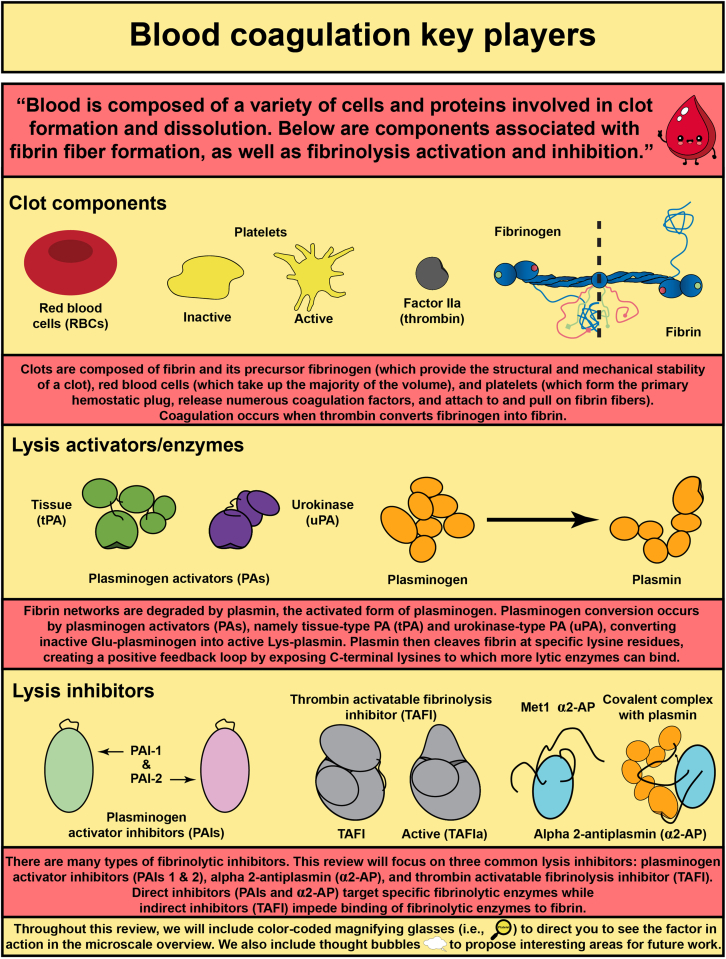
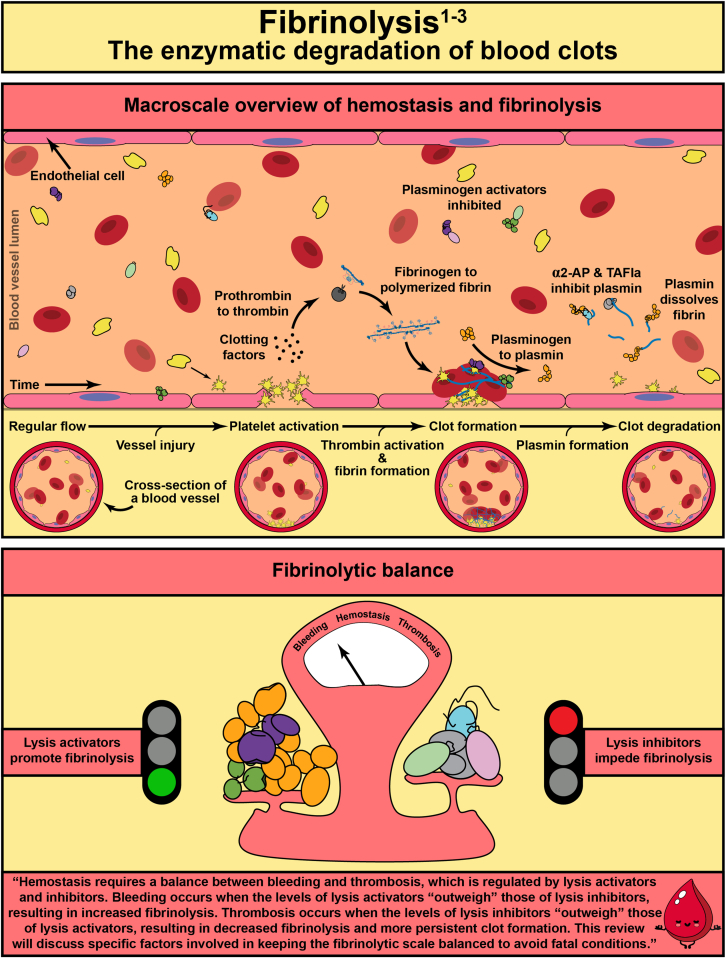
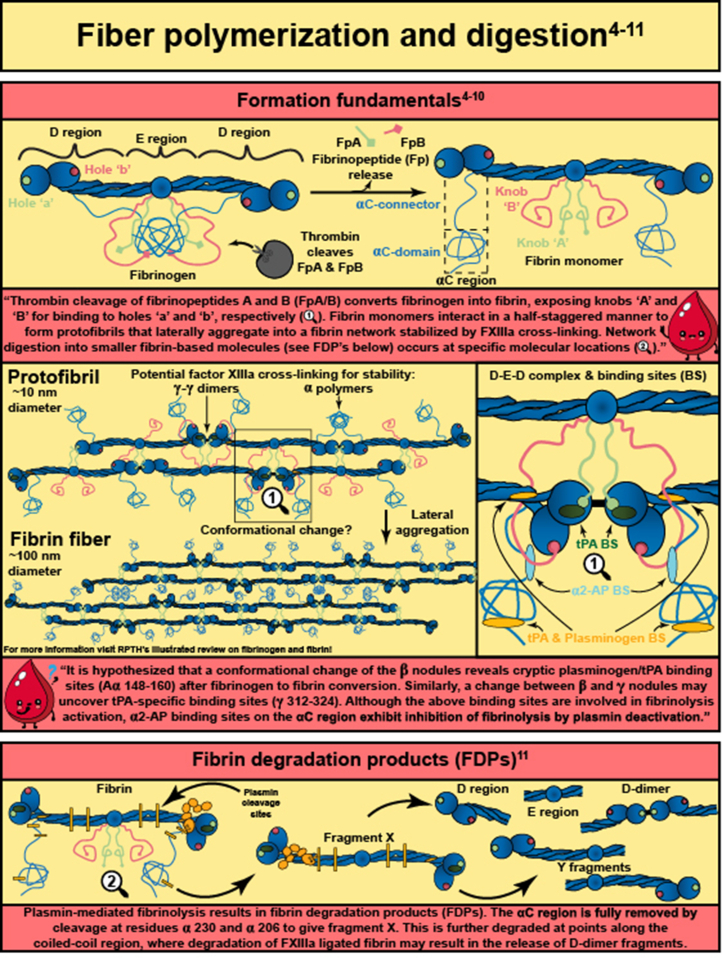
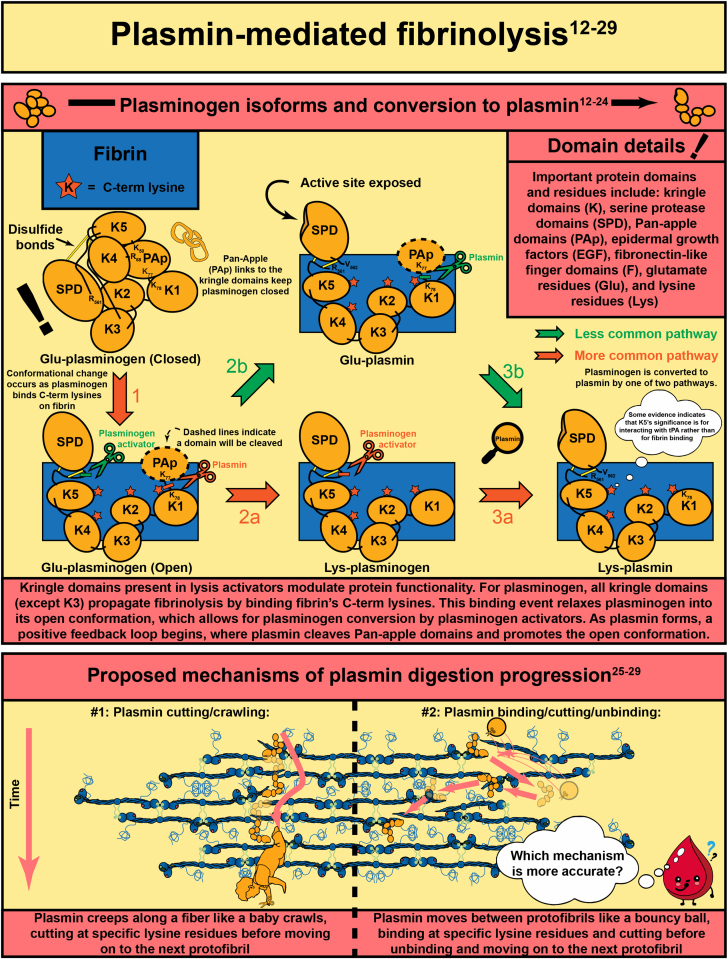
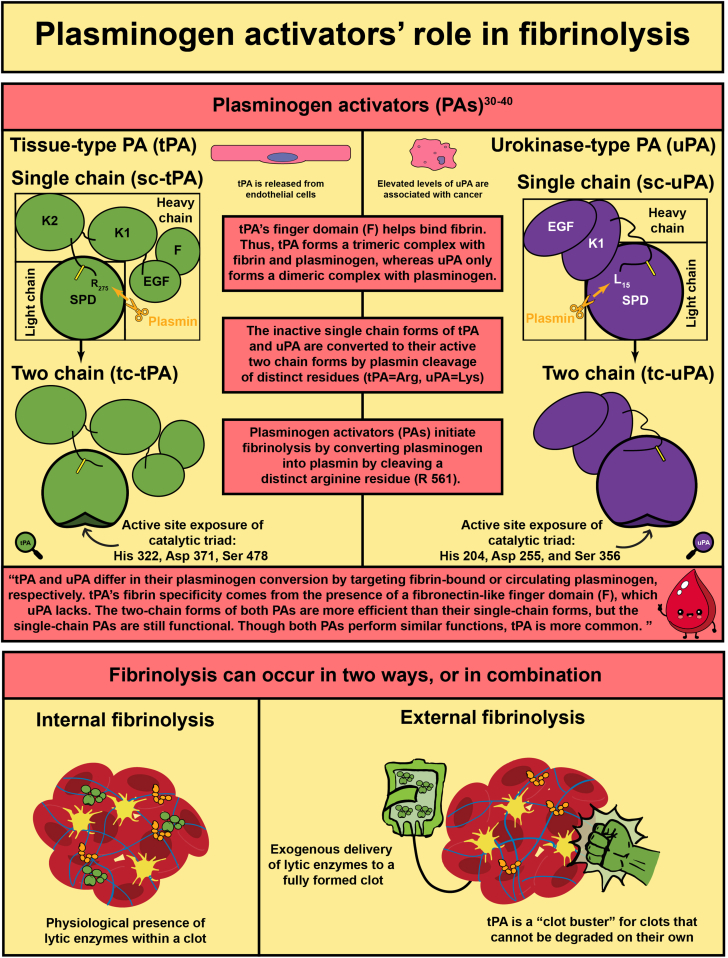
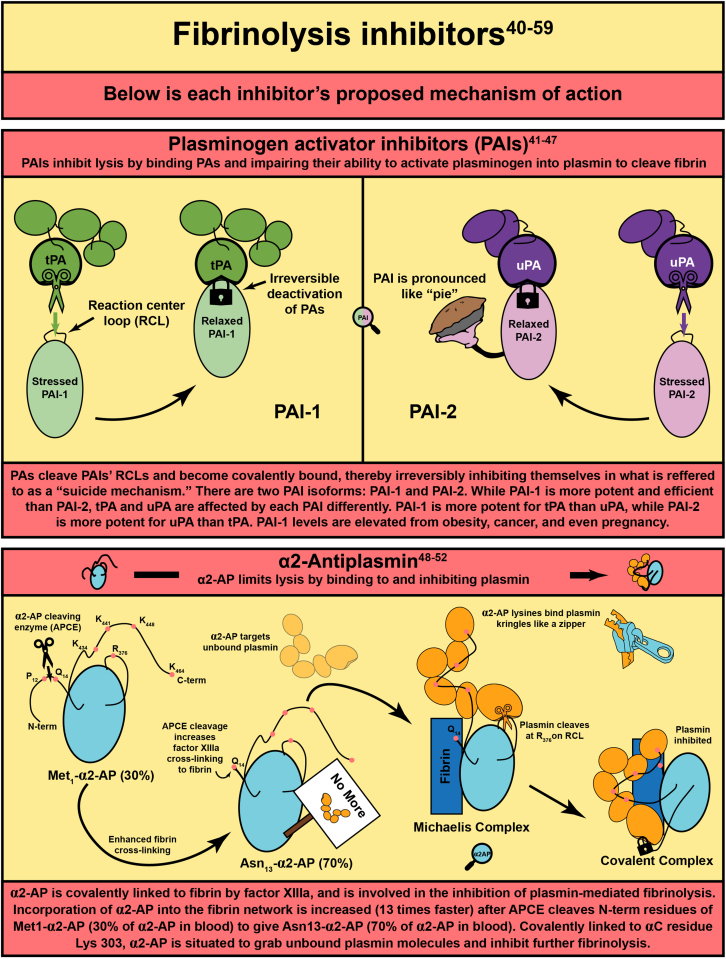
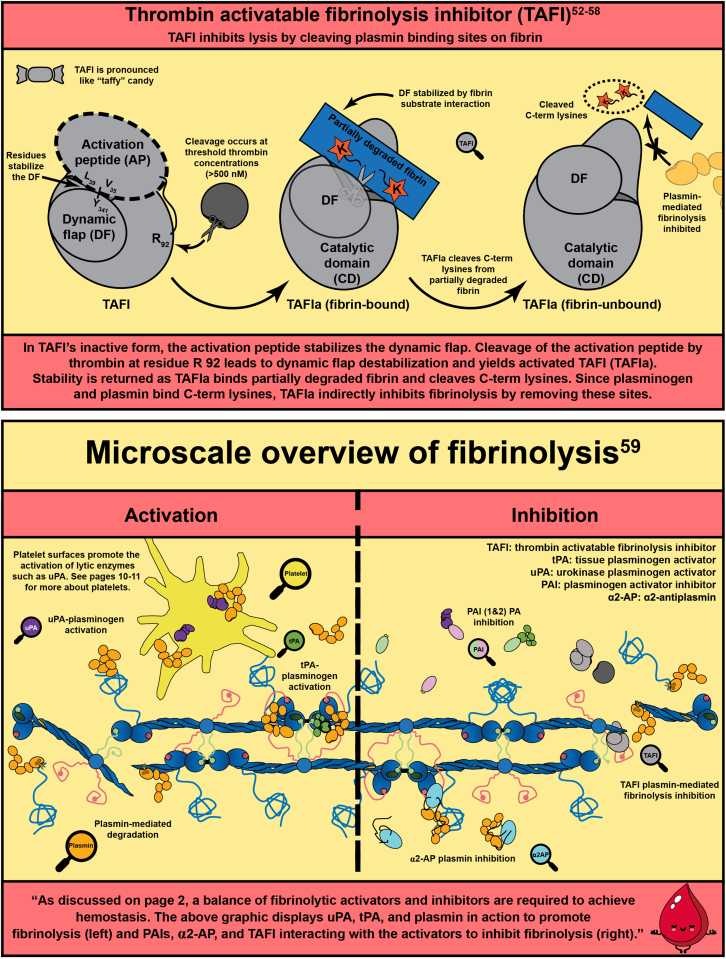
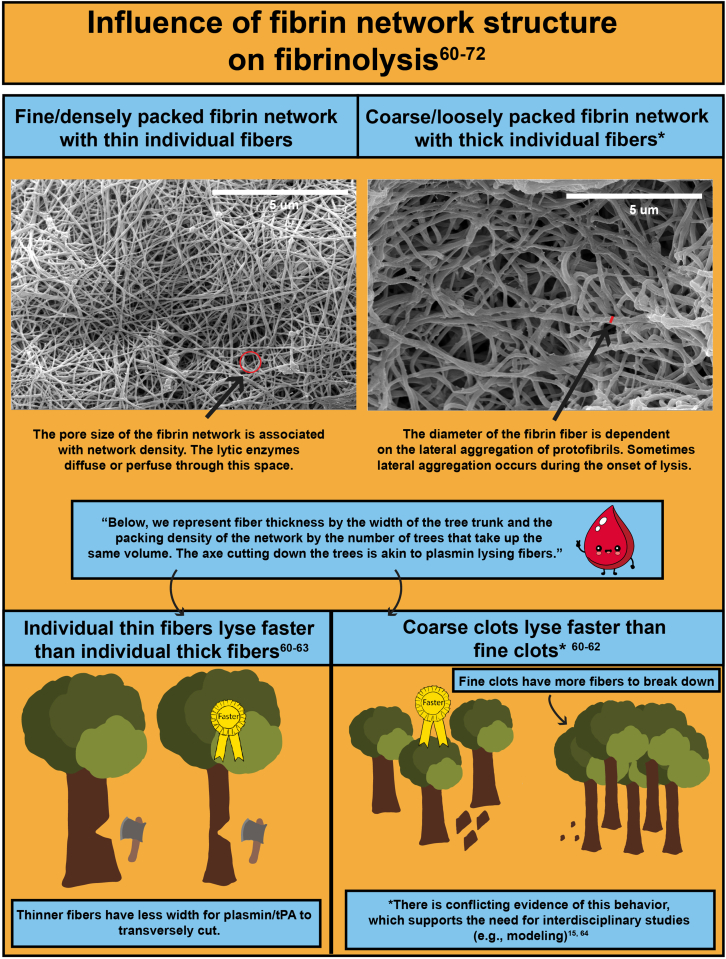
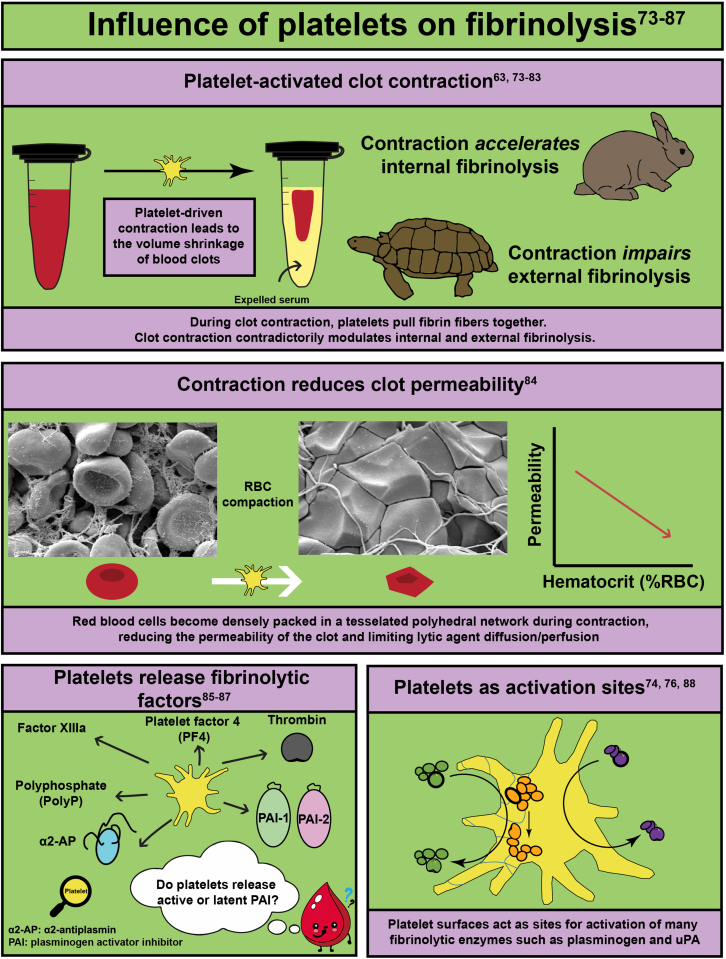
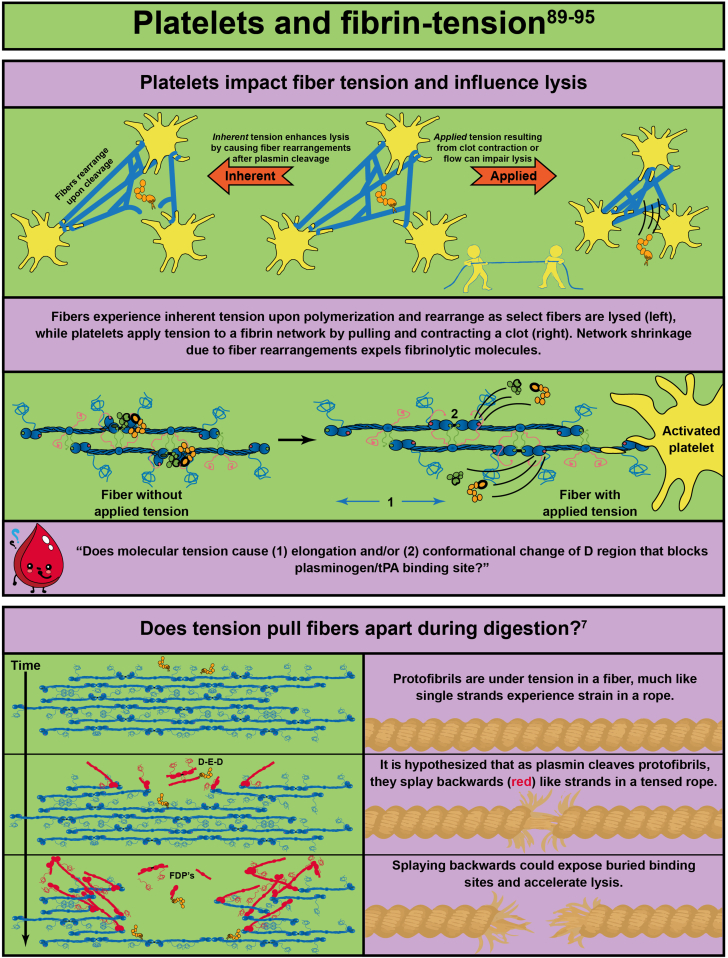
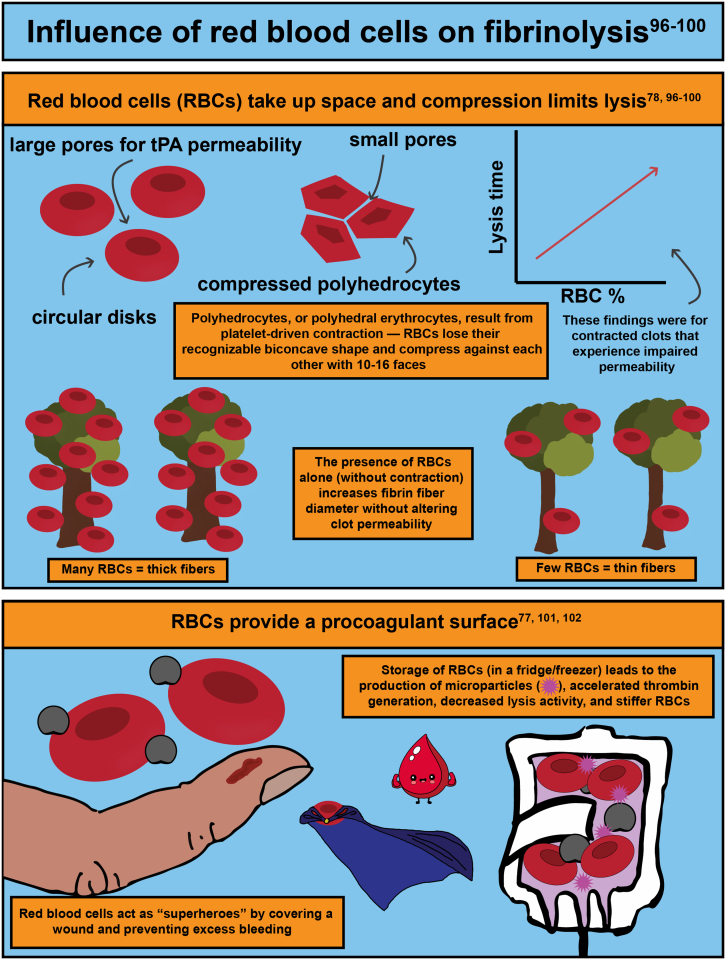
In response to vessel injury (or other pathological conditions), the hemostatic process is activated, resulting in a fibrous, cellular-rich structure commonly referred to as a blood clot. Succeeding the clot's function in wound healing, it must be resolved. This illustrated review focuses on fibrinolysis-the degradation of blood clots or thrombi. Fibrin is the main mechanical and structural component of a blood clot, which encases the cellular components of the clot, including platelets and red blood cells. Fibrinolysis is the proteolytic degradation of the fibrin network that results in the release of the cellular components into the bloodstream. In the case of thrombosis, fibrinolysis is required for restoration of blood flow, which is accomplished clinically through exogenously delivered lytic factors in a process called external lysis. Fibrinolysis is regulated by plasminogen activators (tissue-type and urokinase-type) that convert plasminogen into plasmin to initiate fiber lysis and lytic inhibitors that impede this lysis (plasminogen activator inhibitors, alpha 2-antiplasmin, and thrombin activatable fibrinolysis inhibitor). Furthermore, the network structure has been shown to regulate lysis: thinner fibers and coarser clots lyse faster than thicker fibers and finer clots. Clot contraction, a result of platelets pulling on fibers, results in densely packed red blood cells (polyhedrocytes), reduced permeability to fibrinolytic factors, and increased fiber tension. Extensive research in the field has allowed for critical advancements leading to improved thrombolytic agents. In this review, we summarize the state of the field, highlight gaps in knowledge, and propose future research questions.
Keywords: blood; blood clot; blood coagulation; clot lysis time; fibrin; fibrinolysis.
© 2023 The Author(s).
References
-
- Medved L., Nieuwenhuizen W. Molecular mechanisms of initiation of fibrinolysis by fibrin. Thromb Haemost. 2003;89:409–419. - PubMed
-
- Longstaff C., Kolev K. Basic mechanisms and regulation of fibrinolysis. J Thromb Haemost. 2015;13(Suppl 1):S98–S105. - PubMed
-
- Weisel J.W. Fibrinogen and fibrin. Adv Protein Chem. 2005;70:247–299. - PubMed
-
- Wolberg A.S. Plasma and cellular contributions to fibrin network formation, structure and stability. Haemophilia. 2010;16(Suppl 3):7–12. - PubMed
Publication types
Grants and funding
LinkOut - more resources
Full Text Sources
