


This is a preprint.
Generally-healthy individuals with aberrant bowel movement frequencies show enrichment for microbially-derived blood metabolites associated with reduced kidney function
- PMID: 36945445
- PMCID: PMC10028848
- DOI: 10.1101/2023.03.04.531100
Generally-healthy individuals with aberrant bowel movement frequencies show enrichment for microbially-derived blood metabolites associated with reduced kidney function
Update in
-
Aberrant bowel movement frequencies coincide with increased microbe-derived blood metabolites associated with reduced organ function.Cell Rep Med. 2024 Jul 16;5(7):101646. doi: 10.1016/j.xcrm.2024.101646. Cell Rep Med. 2024. PMID: 39019013 Free PMC article.
Abstract
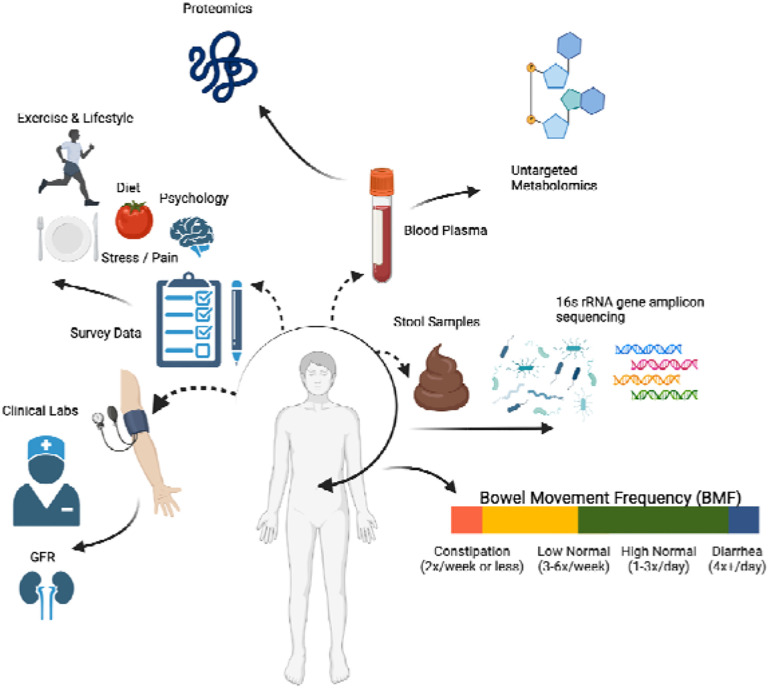
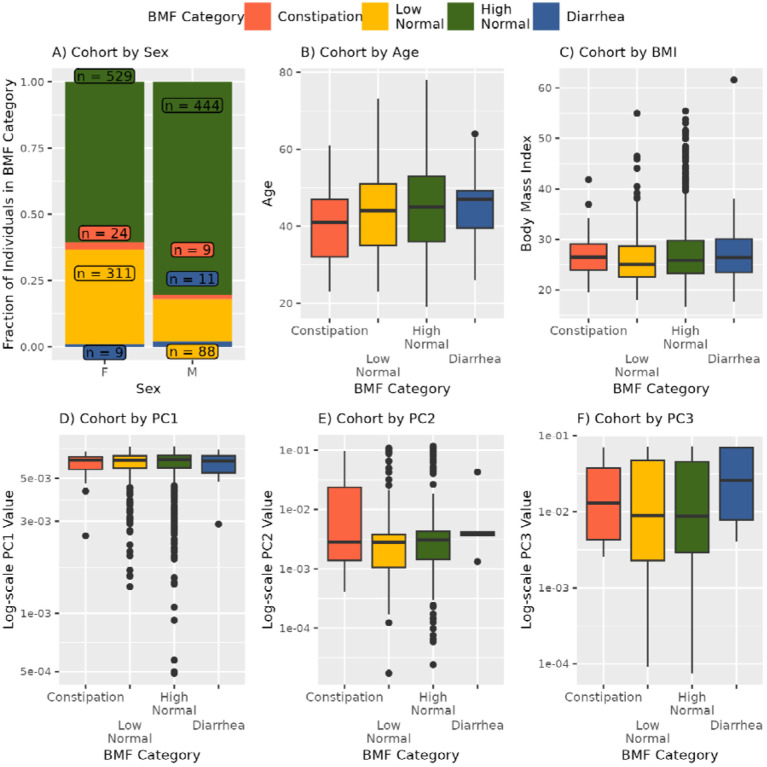
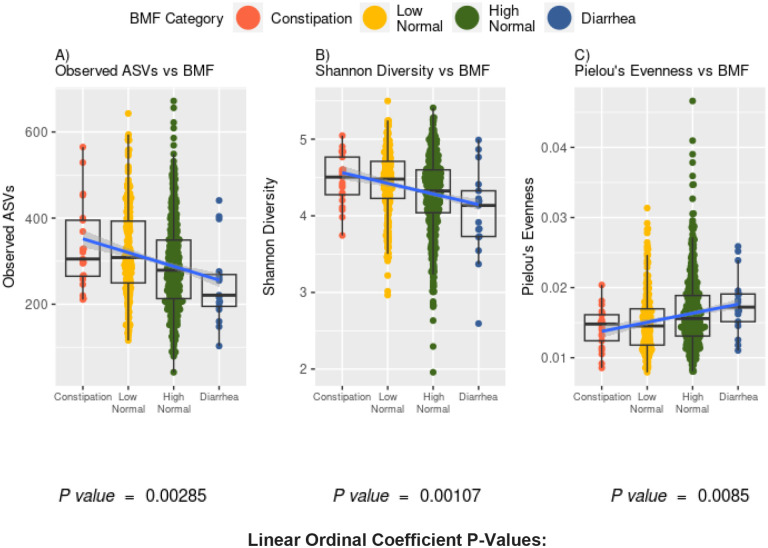
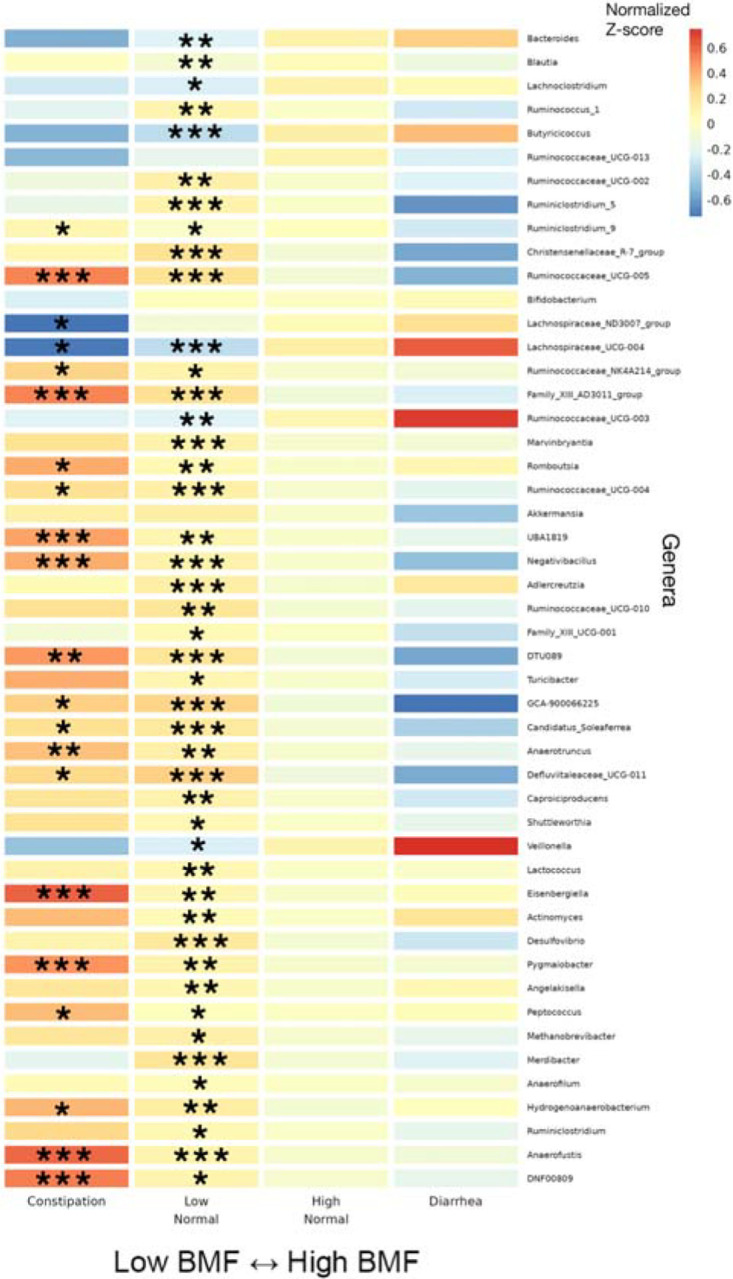
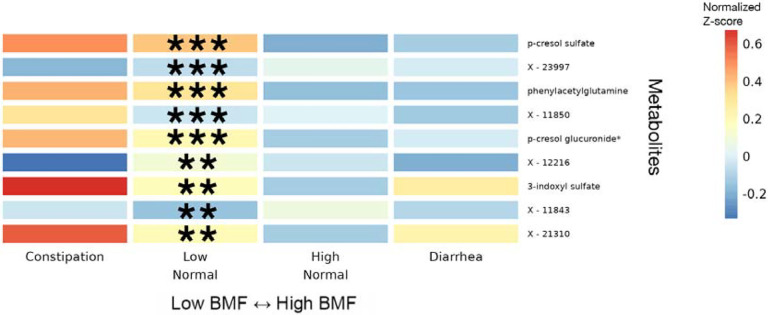
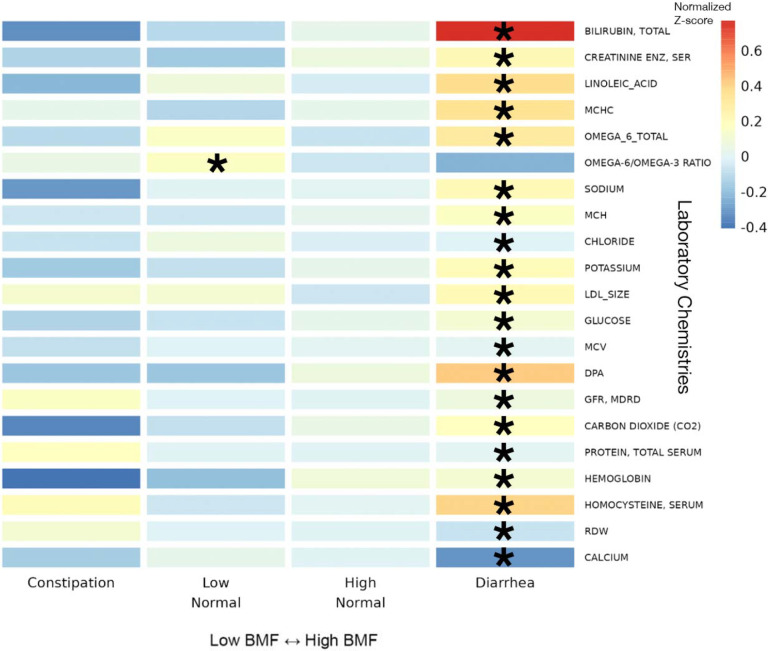
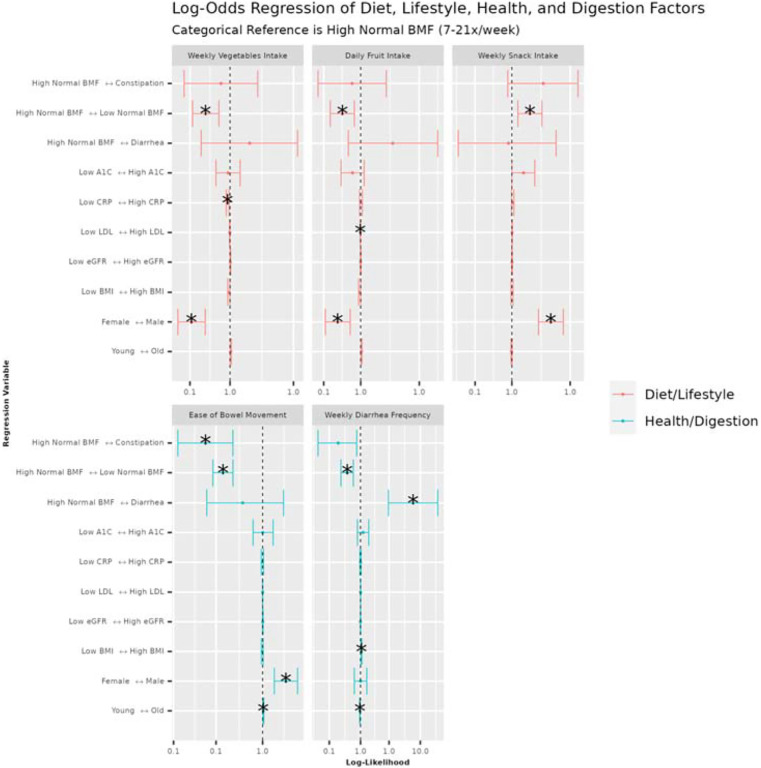
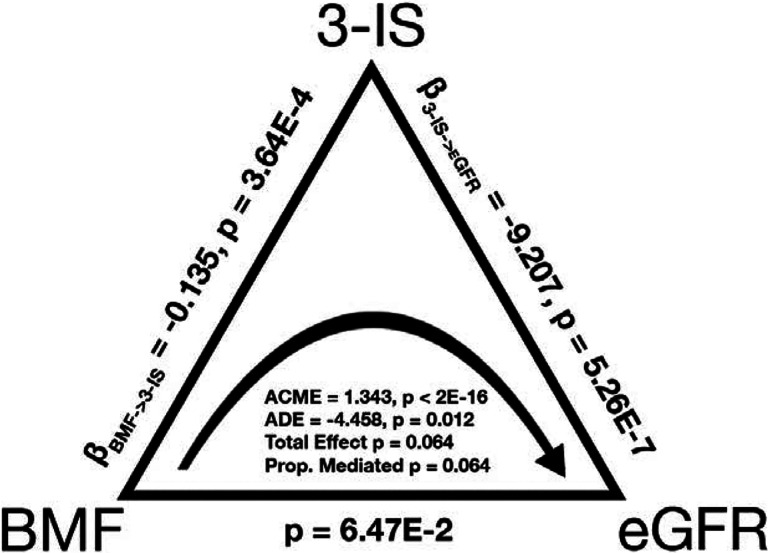
Bowel movement frequency (BMF) has been linked to changes in the composition of the human gut microbiome and to many chronic conditions, like metabolic disorders, neurodegenerative diseases, chronic kidney disease (CKD), and other intestinal pathologies like irritable bowel syndrome and inflammatory bowel disease. Lower BMF (constipation) can lead to compromised intestinal barrier integrity and a switch from saccharolytic to proteolytic fermentation within the microbiota, giving rise to microbially-derived toxins that may make their way into circulation and cause damage to organ systems. However, the connections between BMF, gut microbial metabolism, and the early-stage development and progression of chronic disease remain underexplored. Here, we examined the phenotypic impact of BMF variation in a cohort of generally-healthy, community dwelling adults with detailed clinical, lifestyle, and multi-omic data. We showed significant differences in microbially-derived blood plasma metabolites, gut bacterial genera, clinical chemistries, and lifestyle factors across BMF groups that have been linked to inflammation, cardiometabolic health, liver function, and CKD severity and progression. We found that the higher plasma levels of 3-indoxyl sulfate (3-IS), a microbially-derived metabolite associated with constipation, was in turn negatively associated with estimated glomerular filtration rate (eGFR), a measure of kidney function. Causal mediation analysis revealed that the effect of BMF on eGFR was significantly mediated by 3-IS. Finally, we identify self-reported diet, lifestyle, and psychological factors associated with BMF variation, which indicate several common-sense strategies for mitigating constipation and diarrhea. Overall, we suggest that aberrant BMF is an underappreciated risk factor in the development of chronic diseases, even in otherwise healthy populations.
Conflict of interest statement
DECLARATION OF INTERESTS L.H. is a former shareholder of Arivale. A.T.M. was a former employee of Arivale. Arivale is no longer a commercially operating company as of April 2019. The remaining authors report no competing interests.
Figures
References
Publication types
Grants and funding
LinkOut - more resources
Full Text Sources
Research Materials
Miscellaneous
