


Potentiality of algorithms and artificial intelligence adoption to improve medication management in primary care: a systematic review
- PMID: 36958780
- PMCID: PMC10040015
- DOI: 10.1136/bmjopen-2022-065301
Potentiality of algorithms and artificial intelligence adoption to improve medication management in primary care: a systematic review
Abstract
Objectives: The aim of this study is to investigate the effect of artificial intelligence (AI) and/or algorithms on drug management in primary care settings comparing AI and/or algorithms with standard clinical practice. Second, we evaluated what is the most frequently reported type of medication error and the most used AI machine type.
Methods: A systematic review of literature was conducted querying PubMed, Cochrane and ISI Web of Science until November 2021. The search strategy and the study selection were conducted according to the Preferred Reporting Items for Systematic Reviews and Meta-Analyses and the Population, Intervention, Comparator, Outcome framework. Specifically, the Population chosen was general population of all ages (ie, including paediatric patients) in primary care settings (ie, home setting, ambulatory and nursery homes); the Intervention considered was the analysis AI and/or algorithms (ie, intelligent programs or software) application in primary care for reducing medications errors, the Comparator was the general practice and, lastly, the Outcome was the reduction of preventable medication errors (eg, overprescribing, inappropriate medication, drug interaction, risk of injury, dosing errors or in an increase in adherence to therapy). The methodological quality of included studies was appraised adopting the Quality Assessment of Controlled Intervention Studies of the National Institute of Health for randomised controlled trials.
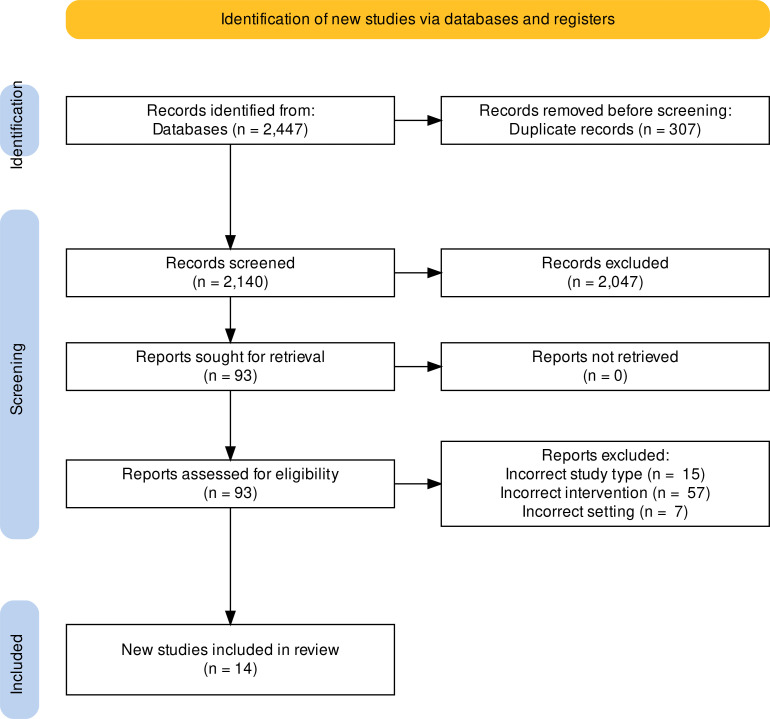
Results: Studies reported in different ways the effective reduction of medication error. Ten out of 14 included studies, corresponding to 71% of articles, reported a reduction of medication errors, supporting the hypothesis that AI is an important tool for patient safety.
Conclusion: This study highlights how a proper application of AI in primary care is possible, since it provides an important tool to support the physician with drug management in non-hospital environments.
Keywords: FORENSIC MEDICINE; PRIMARY CARE; PUBLIC HEALTH; Risk management.
© Author(s) (or their employer(s)) 2023. Re-use permitted under CC BY-NC. No commercial re-use. See rights and permissions. Published by BMJ.
Conflict of interest statement
Competing interests: None declared.
Figures
References
Publication types
MeSH terms
LinkOut - more resources
Full Text Sources
