


Caregivers' perception of risk for malaria, helminth infection and malaria-helminth co-infection among children living in urban and rural settings of Senegal: A qualitative study
- PMID: 36962392
- PMCID: PMC10021862
- DOI: 10.1371/journal.pgph.0000525
Caregivers' perception of risk for malaria, helminth infection and malaria-helminth co-infection among children living in urban and rural settings of Senegal: A qualitative study
Abstract
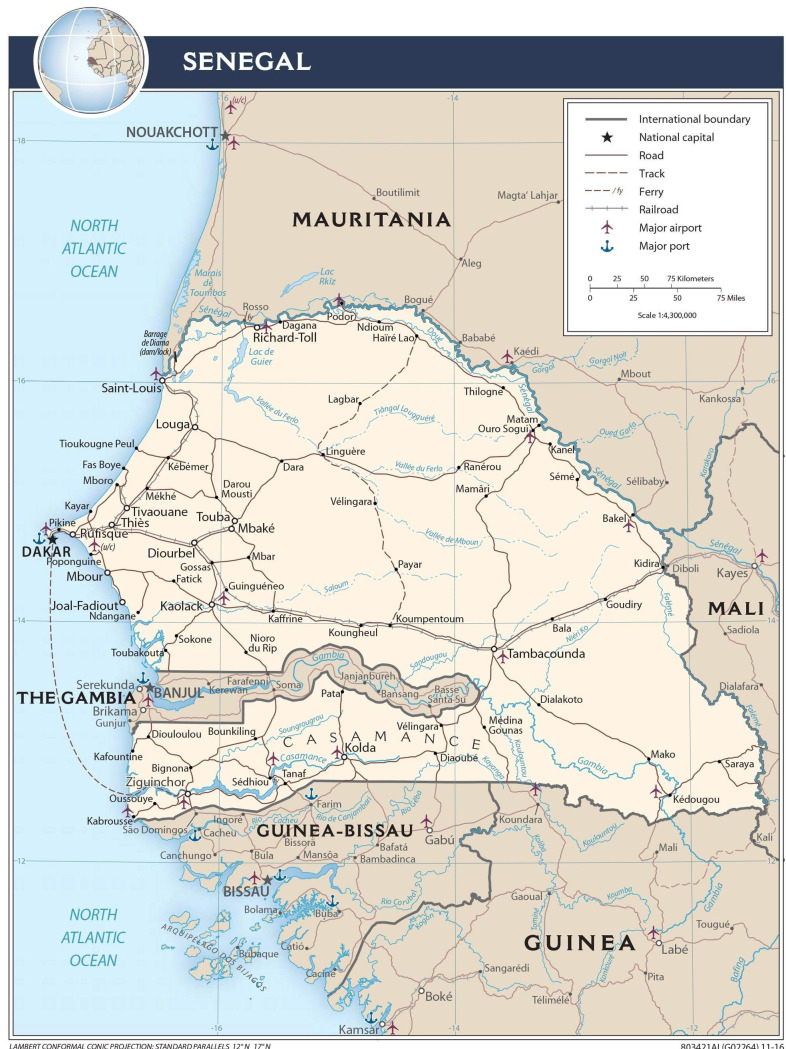
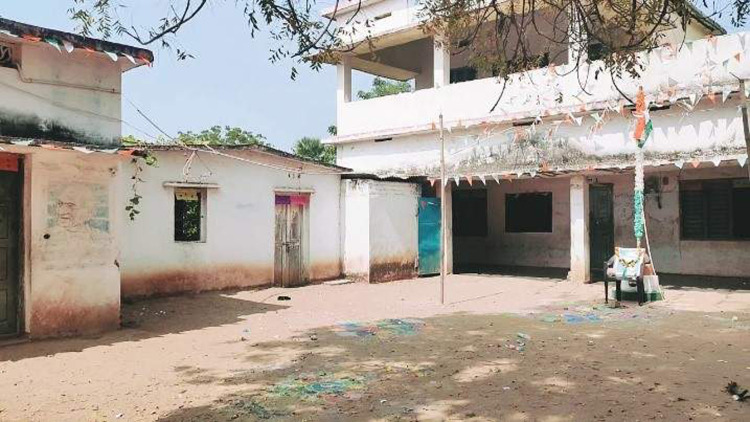
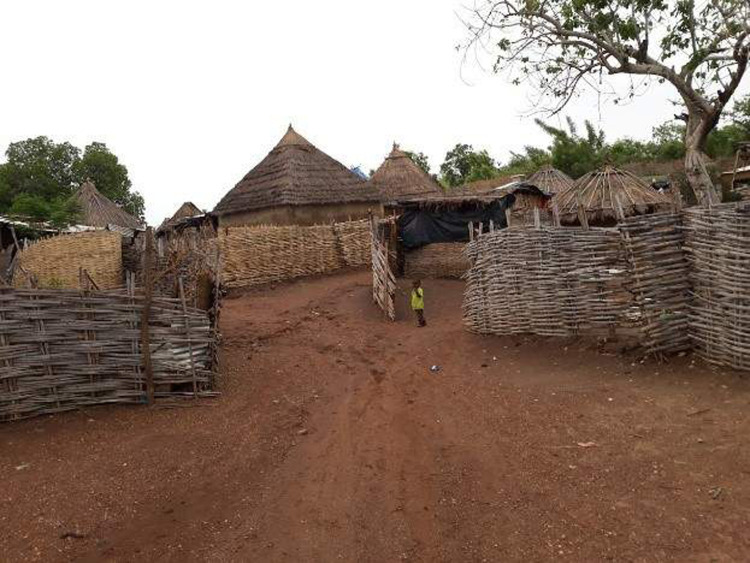
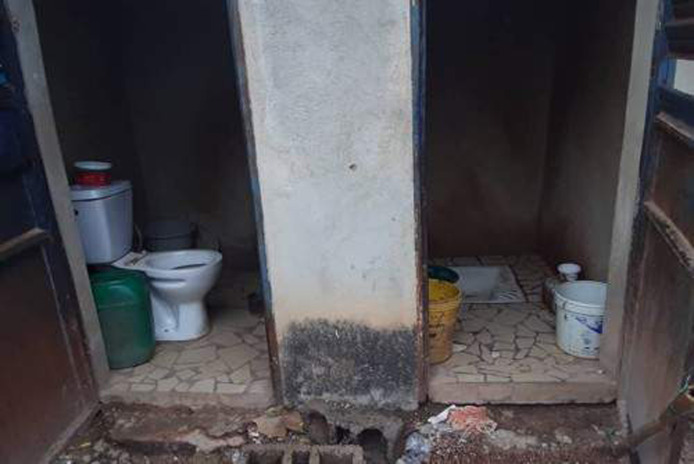
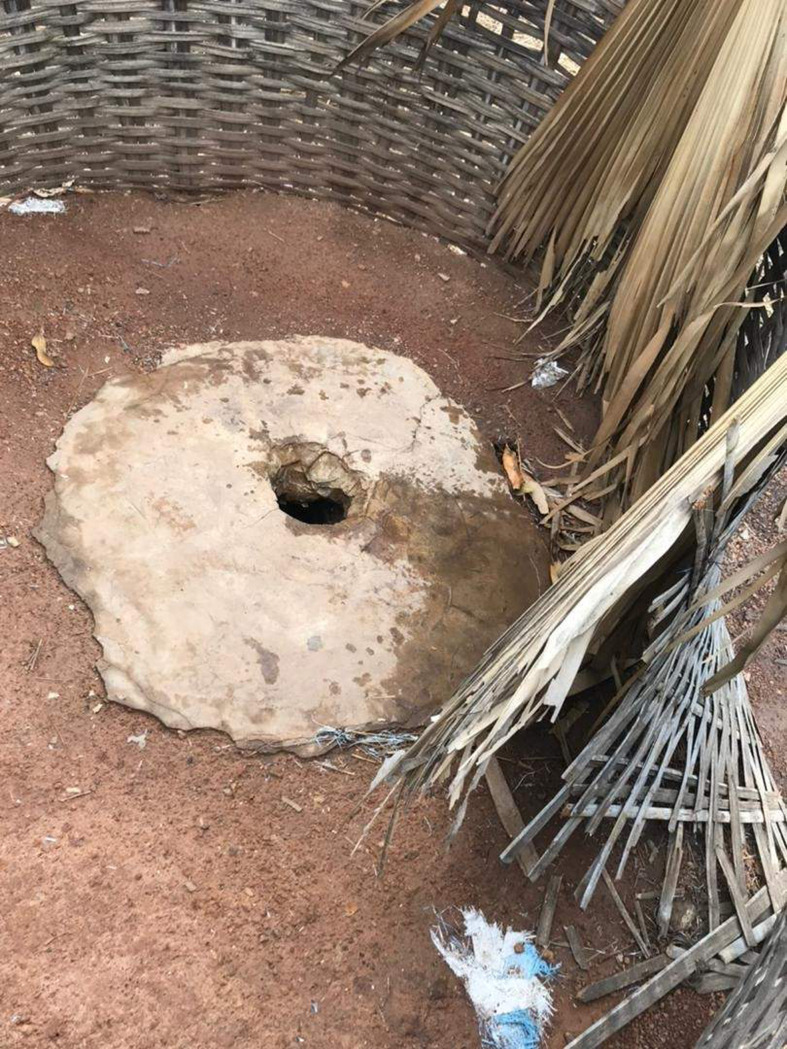
The parasites causing malaria, soil-transmitted helminthiasis and schistosomiasis frequently co-exist in children living in low-and middle-income countries, where existing vertical control programmes for the control of these diseases are not operating at optimal levels. This gap necessitates the development and implementation of strategic interventions to achieve effective control and eventual elimination of these co-infections. Central to the successful implementation of any intervention is its acceptance and uptake by caregivers whose perception about the risk for malaria-helminth co-infection has been little documented. Therefore, we conducted a qualitative study to understand the caregivers' perspectives about the risk as well as the behavioural and social risk factors promoting malaria-helminth co-infection among pre-school and school-age children living in endemic rural and urban communities in Senegal. In June and December 2021, we conducted individual and group interviews, and participant observations, among 100 primary caregivers of children recruited from Saraya villages in southeast Senegal and among leaders and teachers of Koranic schools in Diourbel, western Senegal. Our findings showed that a majority of the study participants in the two settings demonstrated a high level of perception of risk for malaria and acceptable awareness about handwashing practices, but had misconceptions that malaria-helminth co-infection was due to a combination of excessive consumption of sugary food and mosquito bites. Our observations revealed many factors in the house structures, toilet practices and handwashing with ashes and sands, which the caregivers did not consider as risks for malaria-helminth co-infections. These findings underscore the need to promote caregivers' awareness about the existence and risk of malaria-helminth co-infection in children. This approach would assist in addressing the caregivers' misconceptions about the occurrence of the co-infection and could enhance their uptake of the strategic interventions targeted at achieving control and subsequent elimination of malaria and helminth co-infection.
Copyright: © 2022 Afolabi et al. This is an open access article distributed under the terms of the Creative Commons Attribution License, which permits unrestricted use, distribution, and reproduction in any medium, provided the original author and source are credited.
Conflict of interest statement
The authors have declared that no competing interests exist.
Figures
References
-
- World malaria report 2021. Geneva: World Health Organization; 2021. Licence: CC BY-NC-SA 3.0 IGO. Retrieved from https://www.who.int/teams/global-malaria-programme/reports/world-malaria.... Accessed 7 Dec 2021.
-
- Degarege A, Veledar E, Degarege D, Erko B, Nacher M, Madhivanan P. Plasmodium falciparum and soil-transmitted helminth co-infections among children in sub-Saharan Africa: a systematic review and meta-analysis. Parasit Vectors. 2016;9(1):344. Epub 2016/06/17. doi: 10.1186/s13071-016-1594-2 ; PubMed Central PMCID: PMC4908807. - DOI - PMC - PubMed
-
- Degarege A, Degarege D, Veledar E, Erko B, Nacher M, Beck-Sague CM, et al. Plasmodium falciparum Infection Status among Children with Schistosoma in Sub-Saharan Africa: A Systematic Review and Meta-analysis. PLoS Negl Trop Dis. 2016;10(12):e0005193. Epub 2016/12/08. doi: 10.1371/journal.pntd.0005193 ; PubMed Central PMCID: PMC5142807. - DOI - PMC - PubMed
-
- Brooker S, Akhwale W, Pullan R, Estambale B, Clarke SE, Snow RW, et al. Epidemiology of Plasmodium-Helminth Co-Infection in Africa: Populations at Risk, Potential Impact on Anemia, and Prospects for Combining Control. The American Journal of Tropical Medicine and Hygiene. 2007;77(6_Suppl):88–98. doi: 10.4269/ajtmh.2007.77.88 - DOI - PMC - PubMed
Grants and funding
LinkOut - more resources
Full Text Sources
Miscellaneous