


Gastrointestinal conditions related to tooth wear
- PMID: 36964375
- PMCID: PMC10038793
- DOI: 10.1038/s41415-023-5677-0
Gastrointestinal conditions related to tooth wear
Abstract
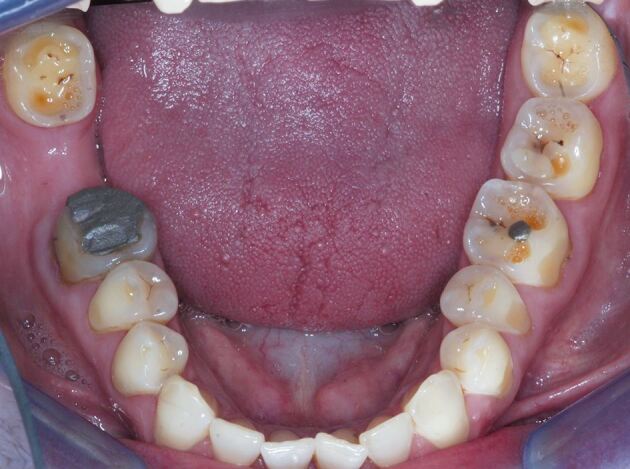
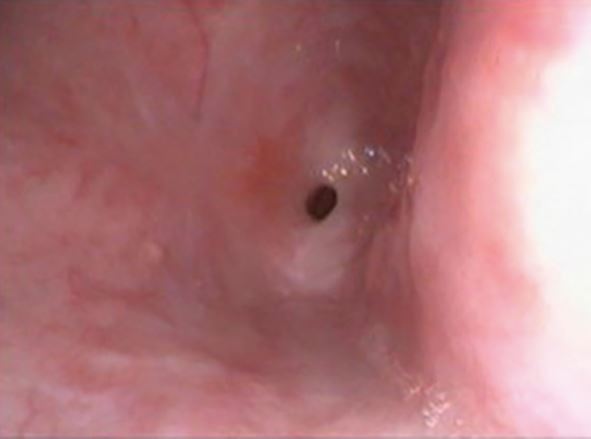
Gastro-oesophageal reflux disease (GORD) is a relatively common condition that occurs in adults and less commonly in children. It develops when the reflux of stomach contents into the oesophagus causes troublesome symptoms and/or complications. Signs and symptoms include heartburn, retrosternal discomfort, epigastric pain and hoarseness, dental erosion, chronic cough, burning mouth syndrome, halitosis and laryngitis. A proportion of patients will, however, have silent reflux. Strongly associated risk factors include family history, age, hiatus hernia, obesity and neurological conditions, such as cerebral palsy. There are different treatment options which may be considered for GORD, consisting of conservative, medical and surgical therapy. Dentists should be aware of the symptoms of GORD and dental signs of intrinsic erosion indicative of possible GORD so that they can question patients about this and, if appropriate, initiate a referral to a general medical practitioner.
© 2023. The Author(s).
Conflict of interest statement
The authors declare no conflicts of interests.
Figures






References
-
- O'Sullivan E, Toor I, Brown L, Watkins S. Clinical guidelines for dental erosion. pp 1-29. London: Faculty of Dental Surgery, the Royal College of Surgeons of England, 2021.
-
- Vakil N, van Zanten S V, Kahrilas P, Dent J, Jones R. The Montreal definition and classification of gastroesophageal reflux disease: a global evidence-based consensus. Am J Gastroenterol 2006; 101: 1900-1920. - PubMed
MeSH terms
LinkOut - more resources
Full Text Sources
Medical
