Review
. 2023 Mar 7;12(3):532.
doi: 10.3390/antibiotics12030532.

Conjugation as a Tool in Therapeutics: Role of Amino Acids/Peptides-Bioactive (Including Heterocycles) Hybrid Molecules in Treating Infectious Diseases

Affiliations
Review

Conjugation as a Tool in Therapeutics: Role of Amino Acids/Peptides-Bioactive (Including Heterocycles) Hybrid Molecules in Treating Infectious Diseases

Rohith Gattu et al. Antibiotics (Basel). .

Abstract

Peptide-based drugs are gaining significant momentum in the modern drug discovery, which is witnessed by the approval of new drugs by the FDA in recent years. On the other hand, small molecules-based drugs are an integral part of drug development since the past several decades. Peptide-containing drugs are placed between small molecules and the biologics. Both the peptides as well as the small molecules (mainly heterocycles) pose several drawbacks as therapeutics despite their success in curing many diseases. This gap may be bridged by utilising the so called 'conjugation chemistry', in which both the partners are linked to one another through a stable chemical bond, and the resulting conjugates are found to possess attracting benefits, thus eliminating the stigma associated with the individual partners. Over the past decades, the field of molecular hybridisation has emerged to afford us new and efficient molecular architectures that have shown high promise in medicinal chemistry. Taking advantage of this and also considering our experience in this field, we present herein a review concerning the molecules obtained by the conjugation of peptides (amino acids) to small molecules (heterocycles as well as bioactive compounds). More than 125 examples of the conjugates citing nearly 100 references published during the period 2000 to 2022 having therapeutic applications in curing infectious diseases have been covered.

Keywords: amino acids; bioactive molecules; conjugation chemistry; heterocycles; peptides.


Conflict of interest statement

The authors declare no conflict of interest.

Figures
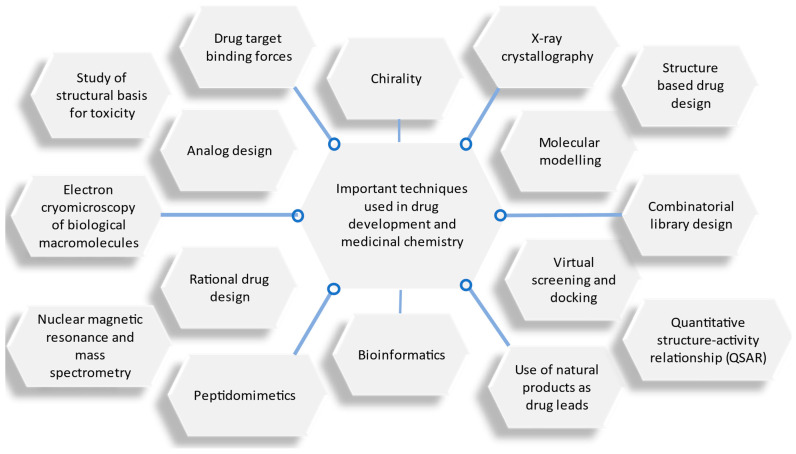
Figure 1
Figure 1
Various techniques used in drug discovery.
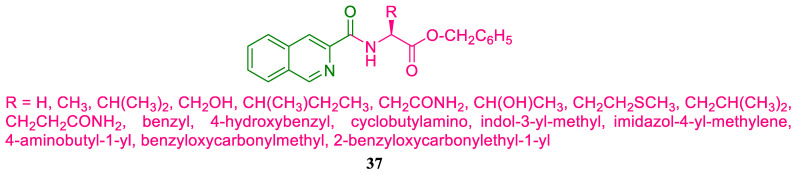
Figure 2
Figure 2
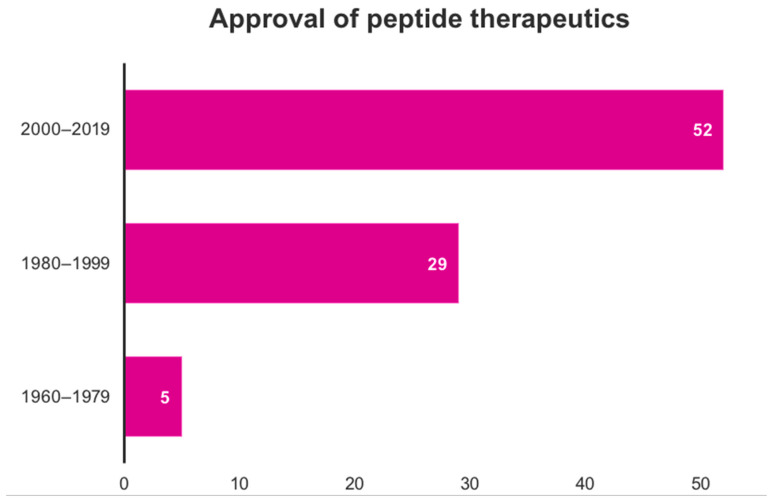
Increasing trend in peptide-based drugs.
Figure 3
Figure 3
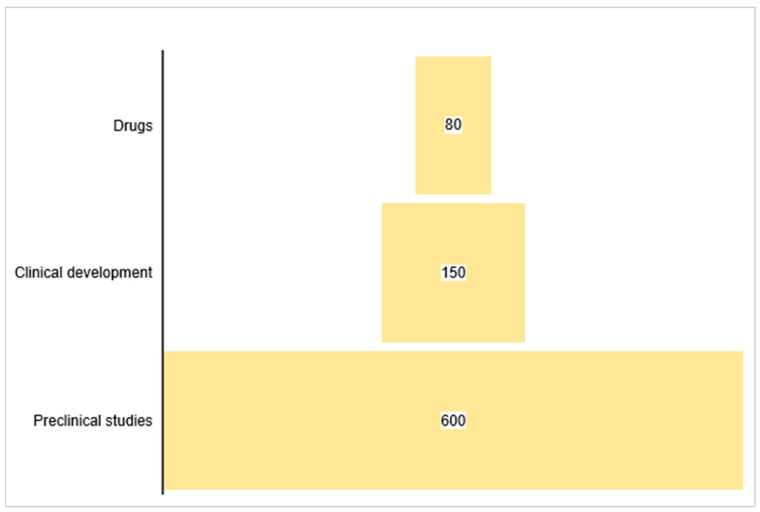
Total number of peptide-based drugs in different stages of drug discovery and development.
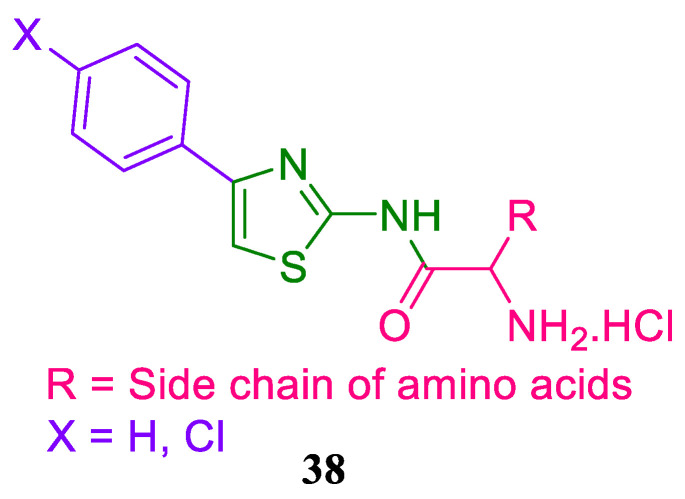
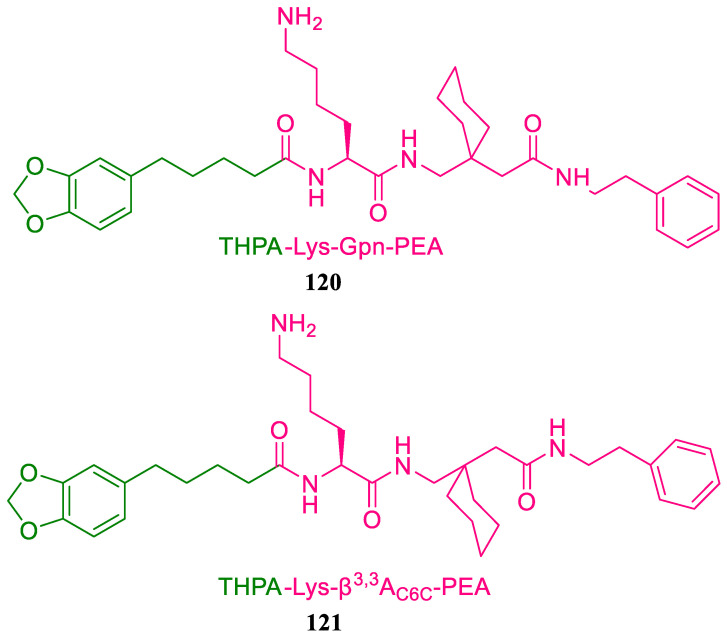
Figure 4
Figure 4
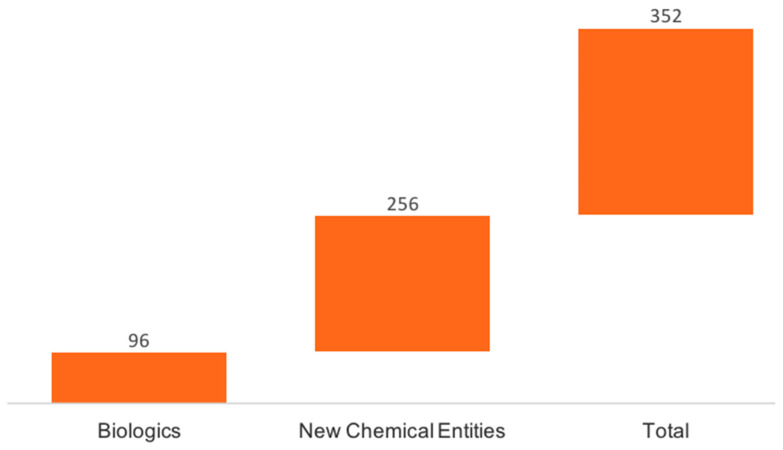
The US FDA approved drugs since 2014.
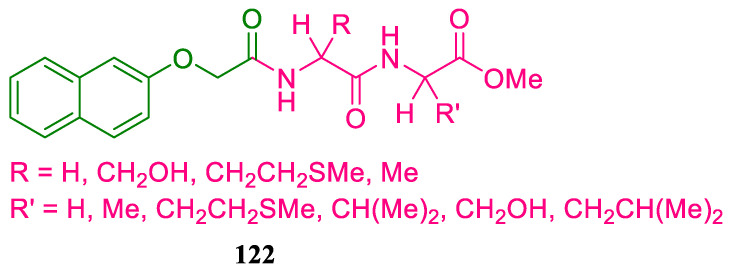
Figure 5
Figure 5
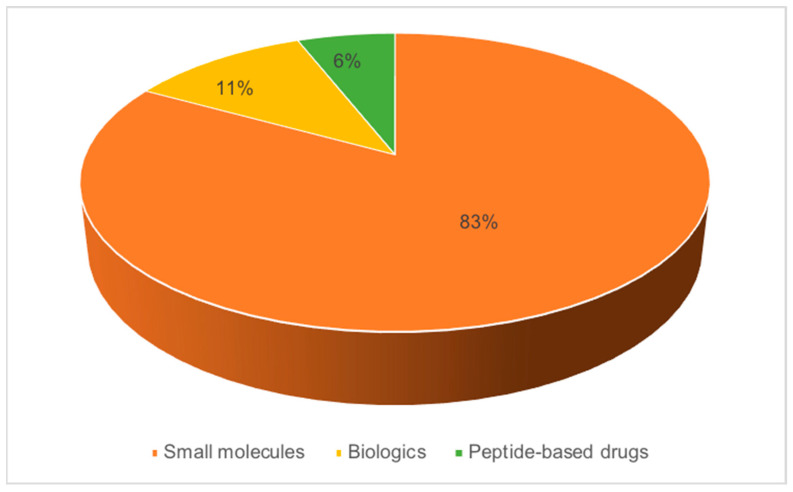
2022-based global pharmaceutical market.
Figure 6
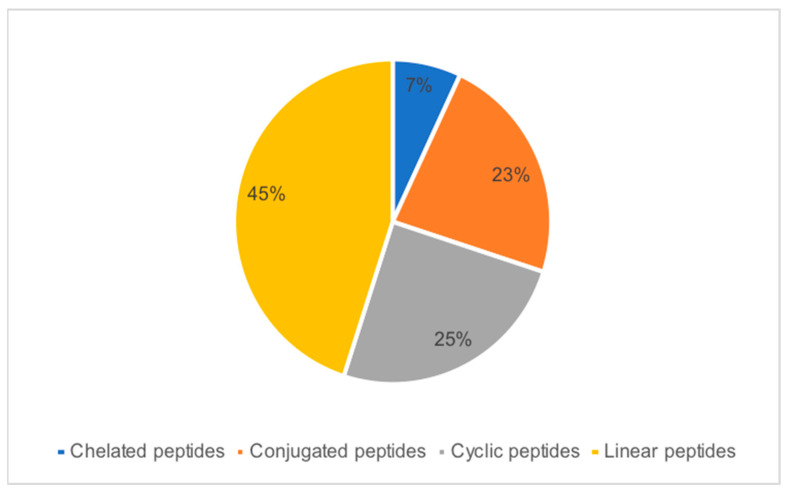
Figure 6
Different categories of peptide-based drugs.
Figure 7
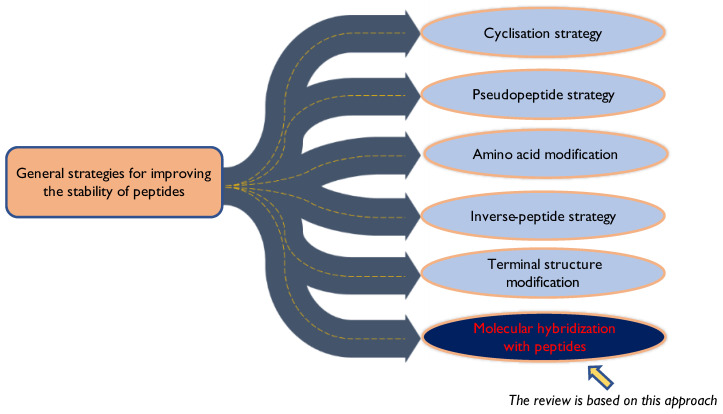
Figure 7
Different strategies used in peptidomimetics.
Figure 8
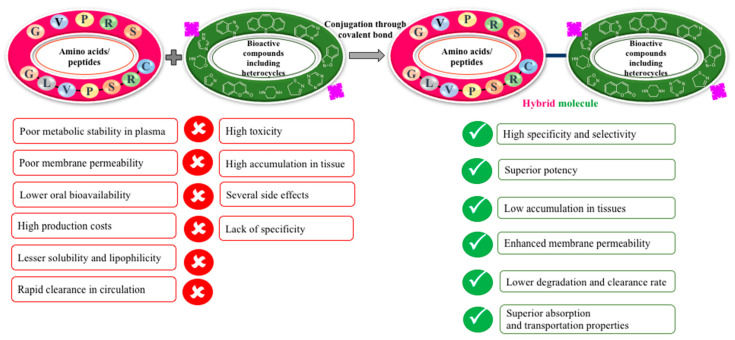
Figure 8
Pros and cons of amino acids/peptides and heterocycles in therapeutic development and the effect of their conjugation.
Figure 9
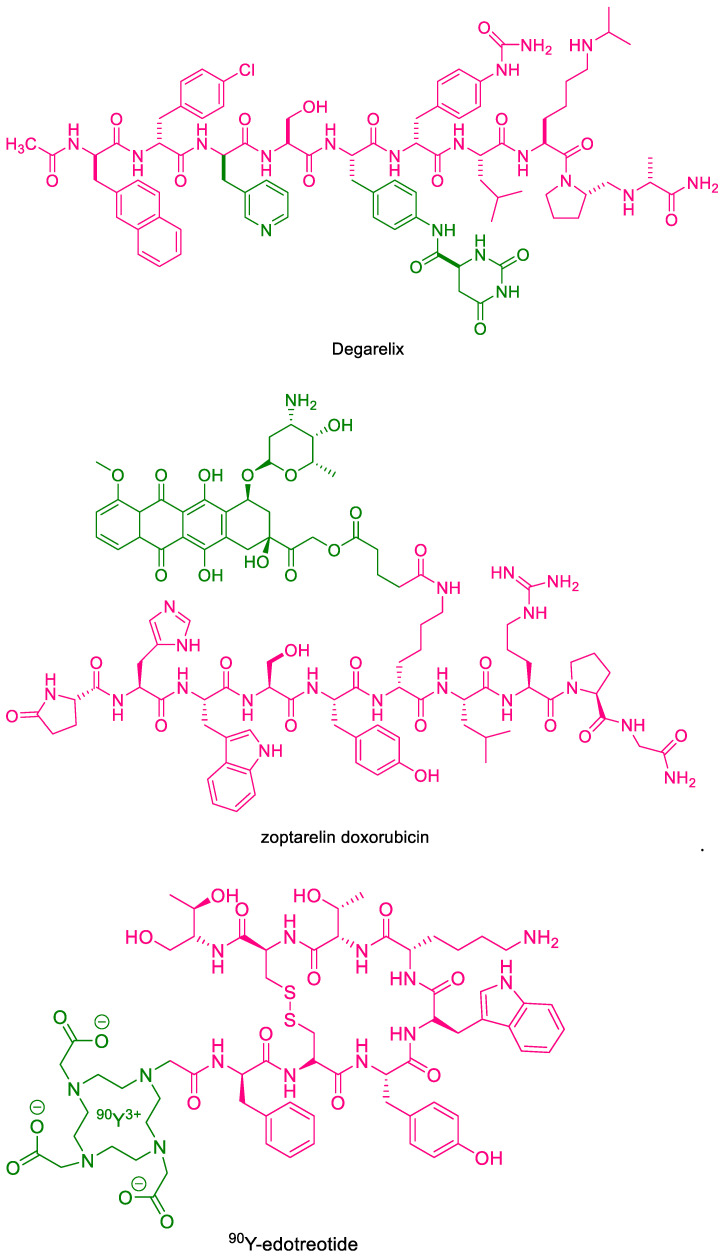
Figure 9
Some of the drugs in the market resulting from hybridisation of small molecules to peptides.
Figure 10
Figure 10
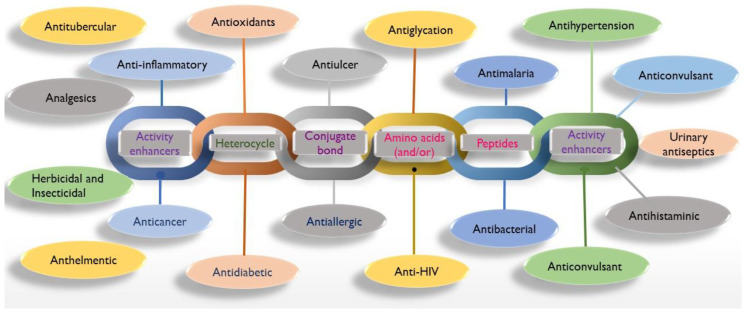
Different therapeutic applications of the conjugates.
Figure 11
Figure 11
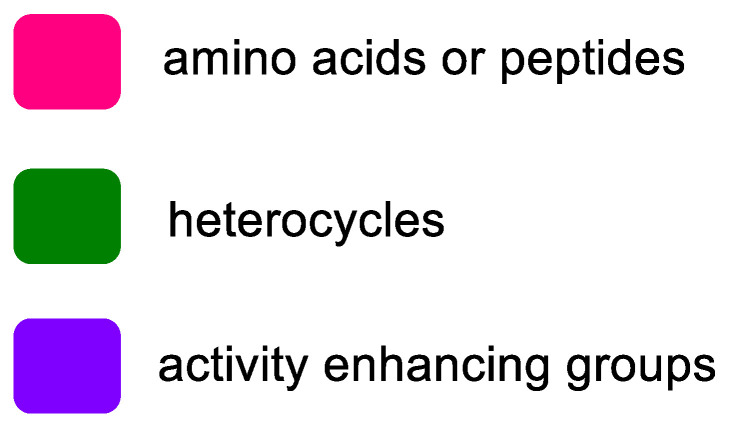
Colour coding used in this article.
Figure 12
Figure 12
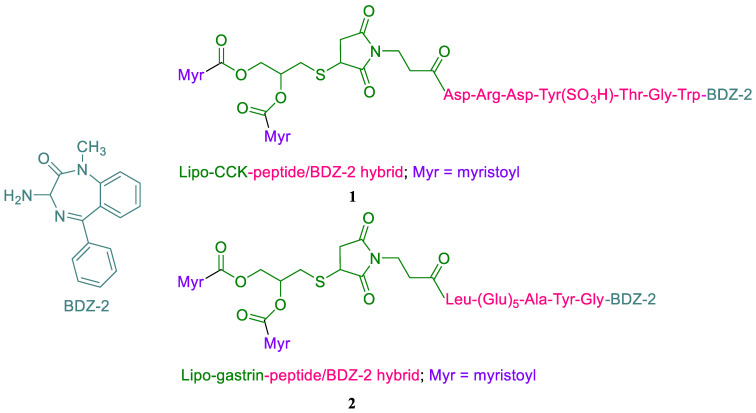
Peptides-benzodiazepine (BDZ-2) hybrid molecules.
Figure 13
Figure 13
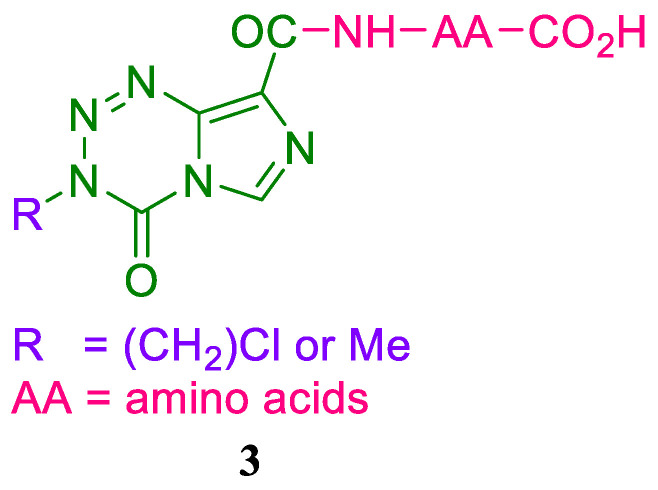
Amino acids/peptides-temozolomide and mitozolomide hybrid molecules.
Figure 14
Figure 14
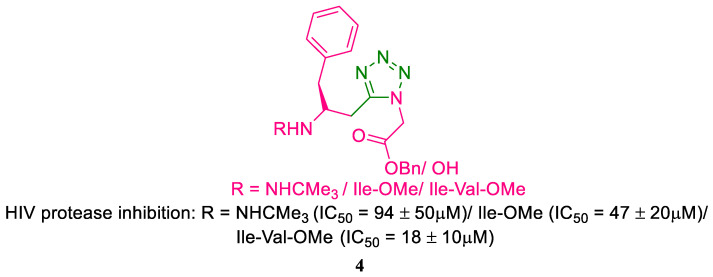
Tetrazole-based peptidomimetics.
Figure 15
Figure 15
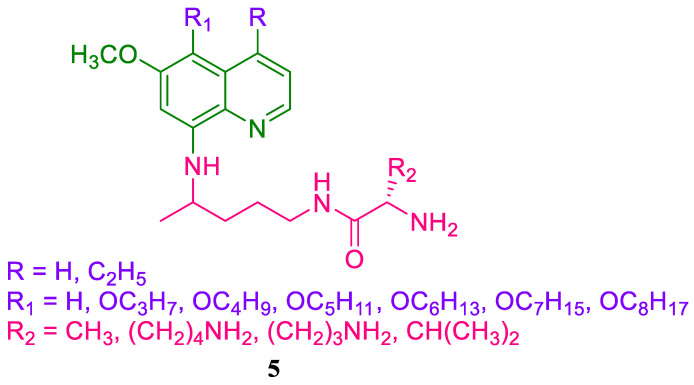
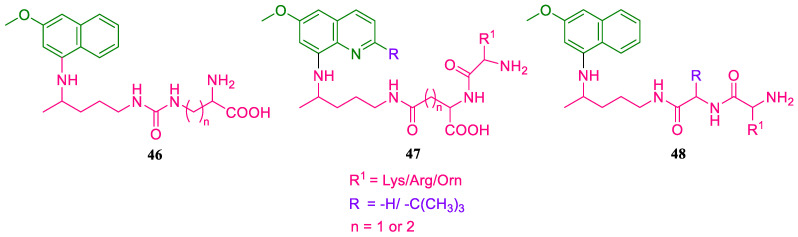
8-quinolinamine-amino acid conjugates.
Figure 16
Figure 16
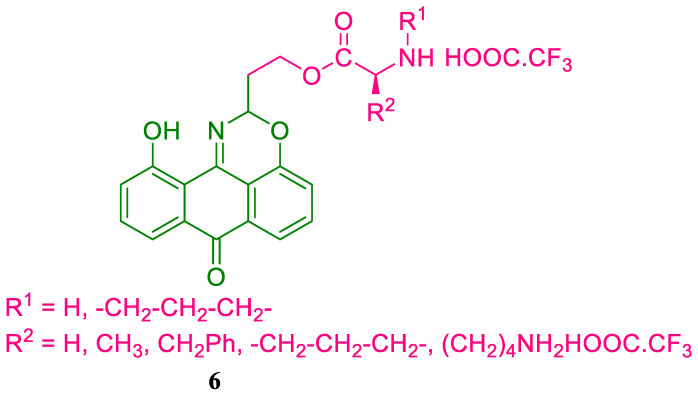
Amino acids-oxoazabenzo[de]anthracenes hybrid molecules.
Figure 17
Figure 17
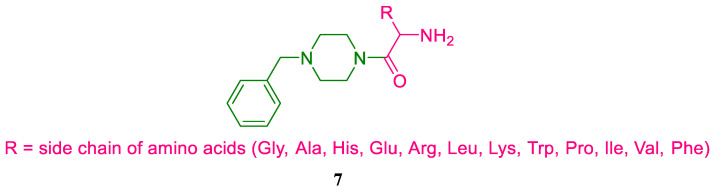
Amino acids conjugated to benzylpiperazine derivatives.
Figure 18
Figure 18
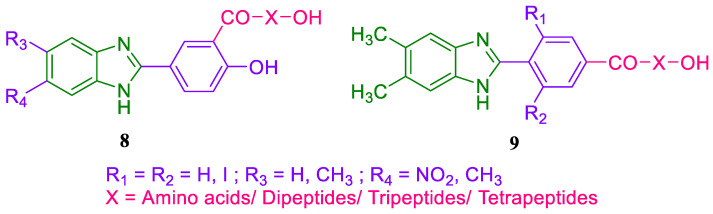
Benzimidazolo-peptide conjugates.
Figure 19
Figure 19
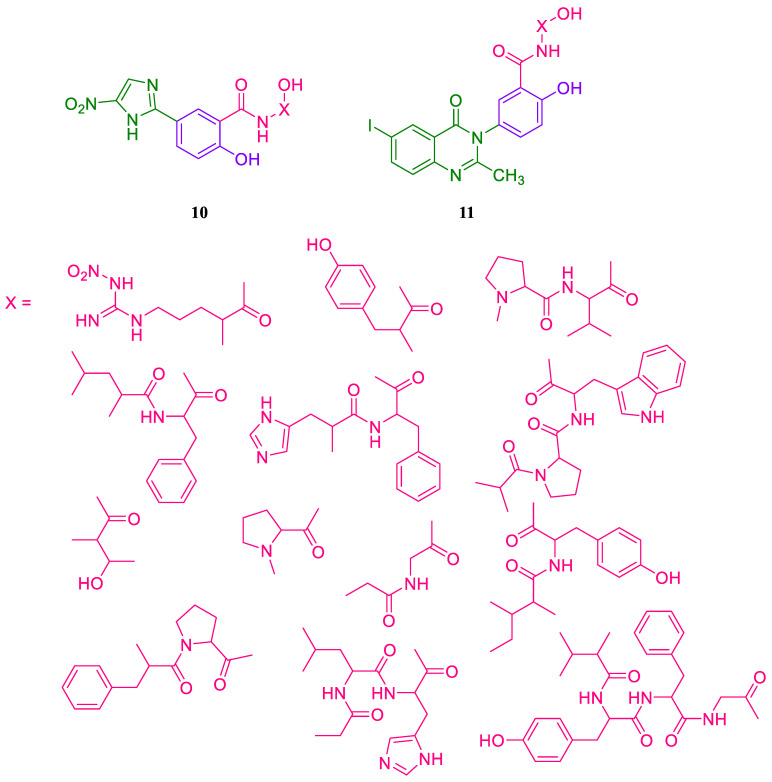
Imidazolo-/quinazolino-peptide derivatives.
Figure 20
Figure 20
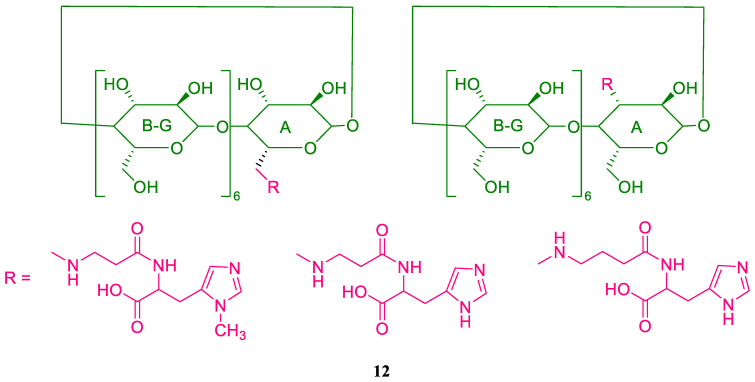
Glycosidic analogues of His dipeptides.
Figure 21
Figure 21
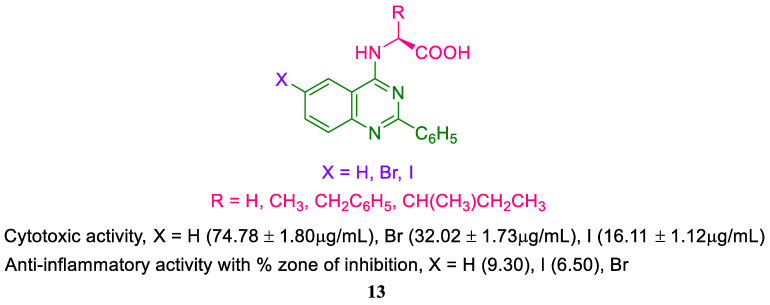
4,6-disubstituted quinazoline-α-amino acid hybrid molecules.
Figure 22
Figure 22
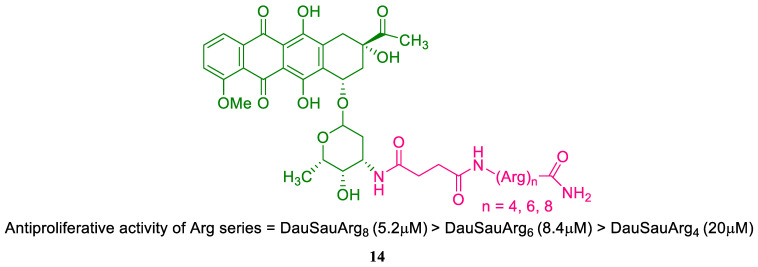
Oligoarginine-daunomycin conjugates.
Figure 23
Figure 23
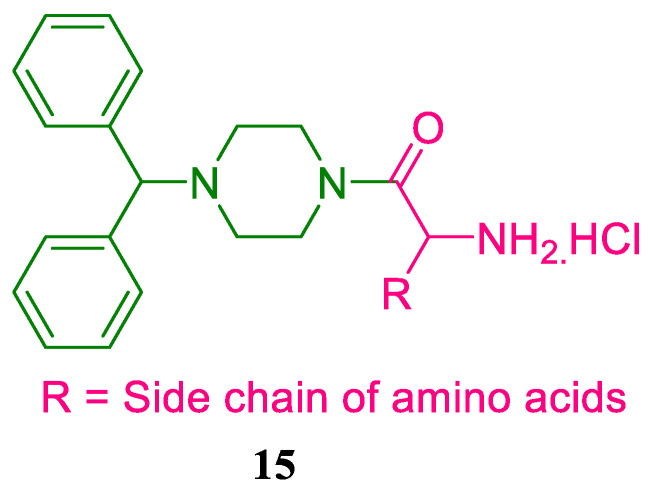
Amino acids-diphenylmethylpiperazine hybrid molecules.
Figure 24
Figure 24
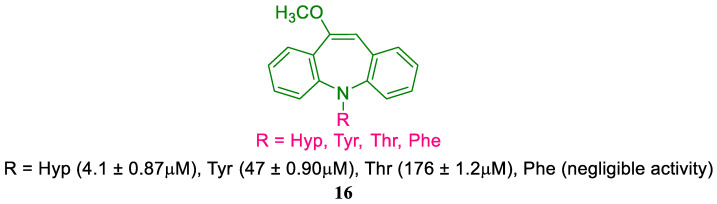
L-amino acids conjugated to 10-methoxy-dibenz[b,f]azepine.
Figure 25
Figure 25
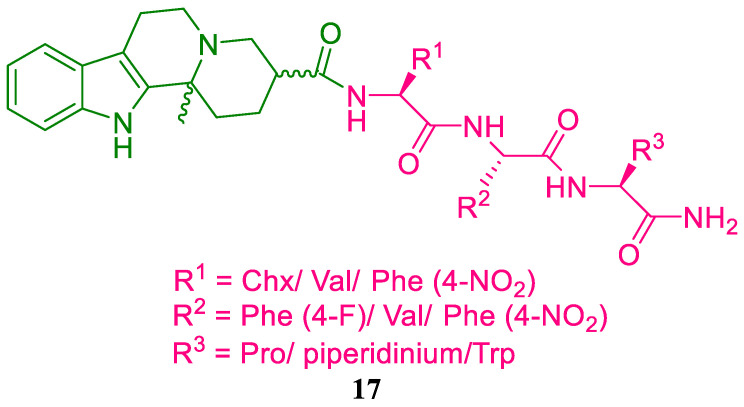
Indoloquinolizidine-peptide hybrids.
Figure 26
Figure 26
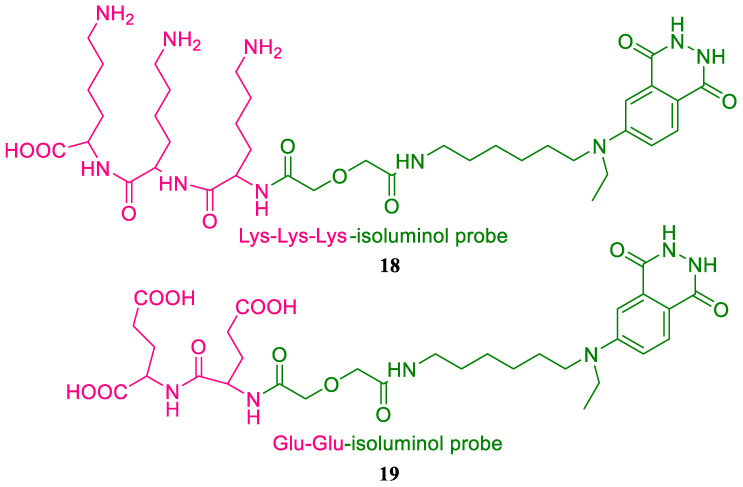
Isoluminol conjugated to amino acid derivatives.
Figure 27
Figure 27
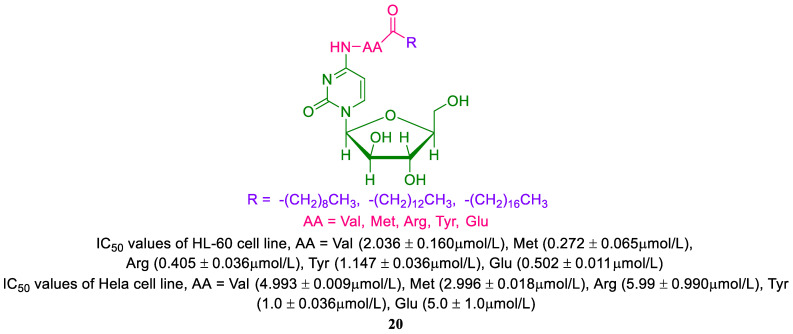
Amino acid conjugated to Ara-C (cytarabine) analogues.
Figure 28
Figure 28
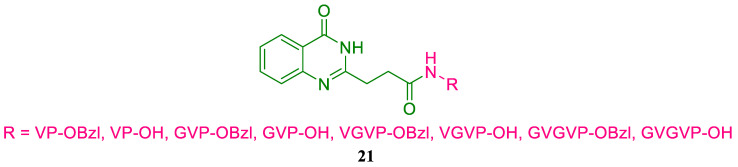
Quinazolinone conjugated to elastin-based peptide fragments.
Figure 29
Figure 29
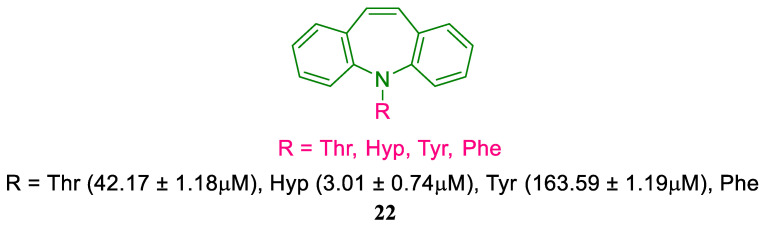
Amino acid conjugated to 5H-dibenz[b,f]azepine.
Figure 30
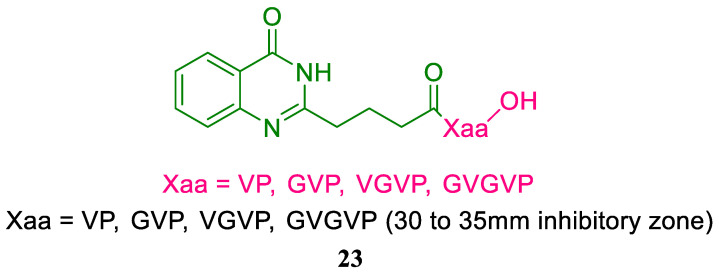
Figure 30
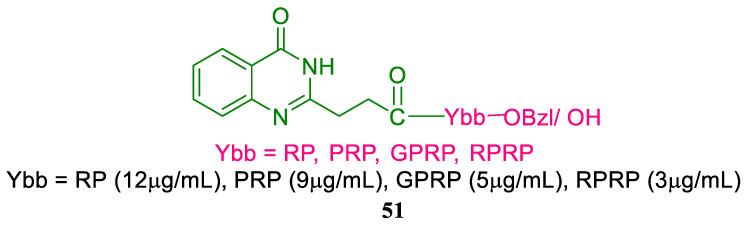
Peptides conjugated with 4-(4-oxo-3,4-dihydroquinazolin-2-yl) butanoic acid.
Figure 31
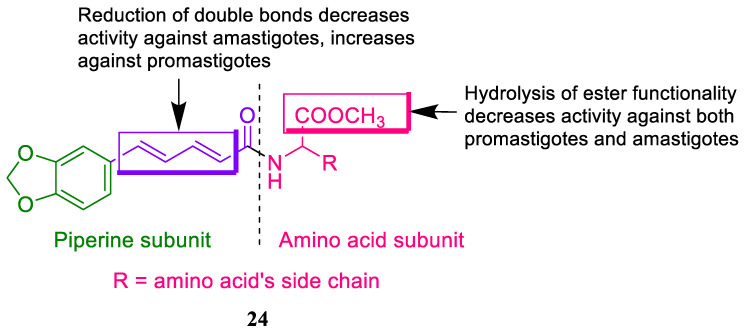
Figure 31
Amino acids conjugated to piperoyl derivatives.
Figure 32
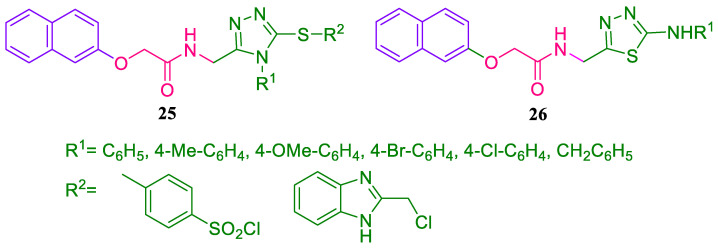
Figure 32
1,2,4-triazolo-naphthalene and thiadiazole analogues conjugated amino acid derivatives.
Figure 33
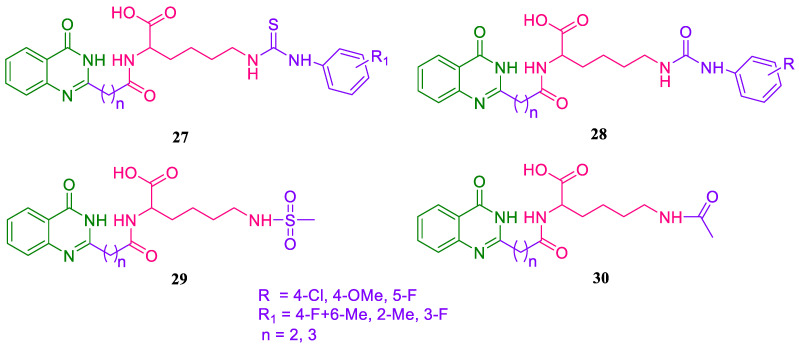
Figure 33
Lys-quinazolinone conjugates.
Figure 34
Figure 34
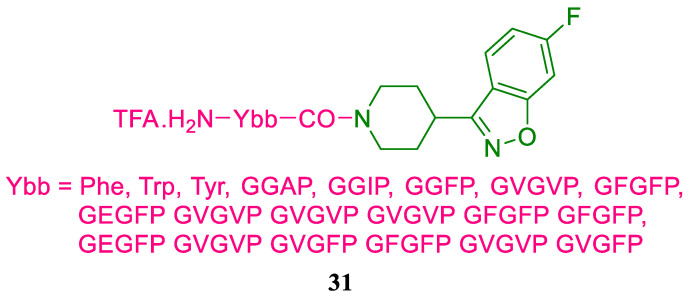
Amino acids conjugated to benzisoxazole derivatives.
Figure 35
Figure 35
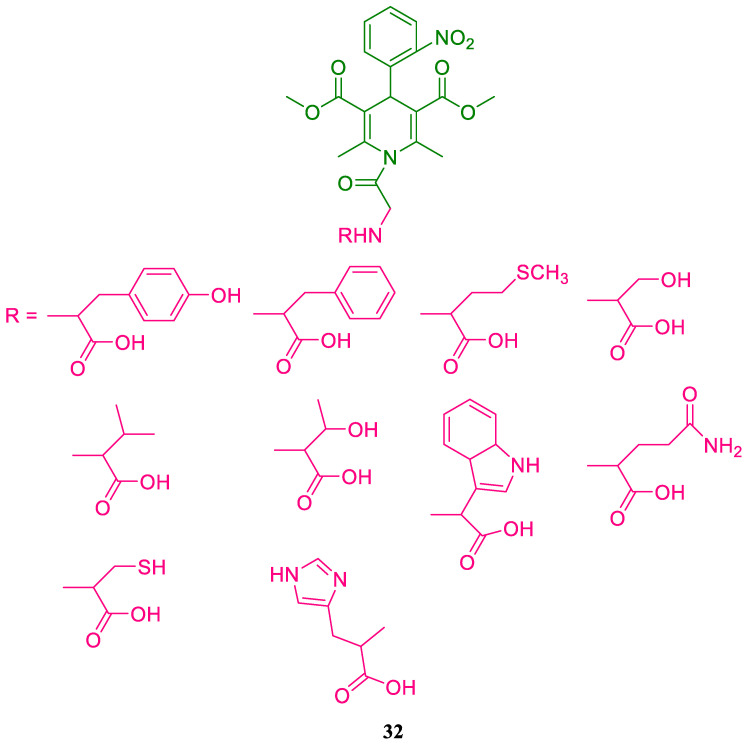
Amino acids conjugated to nifedipine.
Figure 36
Figure 36
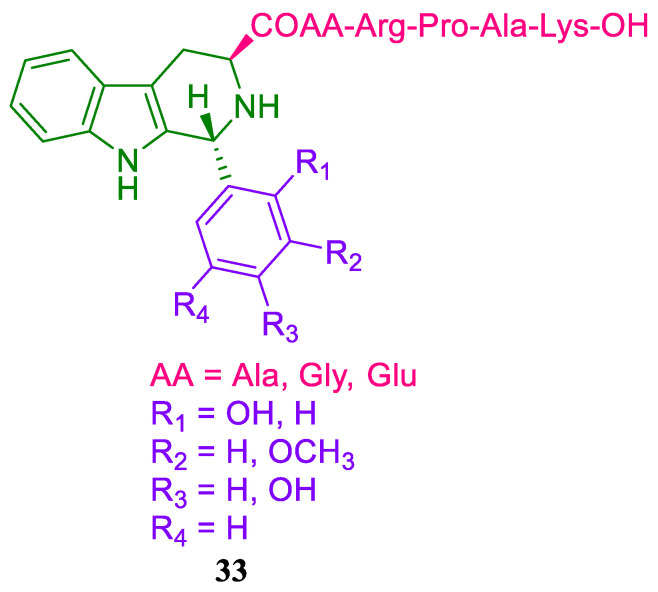
β-carboline alkaloid-peptide conjugates.
Figure 37
Figure 37
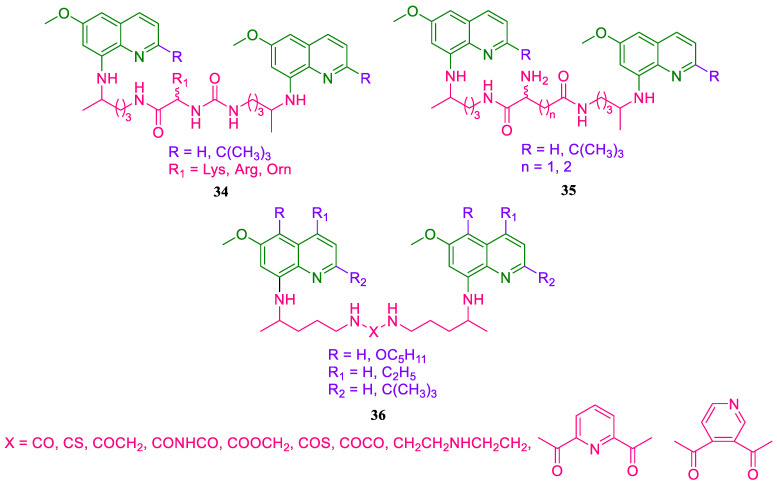
Amino acids/peptides conjugated bis-8-aminoquinolines.
Figure 38
Figure 38
Benzyl esters of N-isoquinoline-3-carbonyl-L-leucine and N-isoquinoline-3-carbonyl-L-threonine.
Figure 39
Figure 39
Amino acids-conjugated thiazoles.
Figure 40
Figure 40
Amino acid/peptides conjugated to heterocycles.
Figure 41
Figure 41
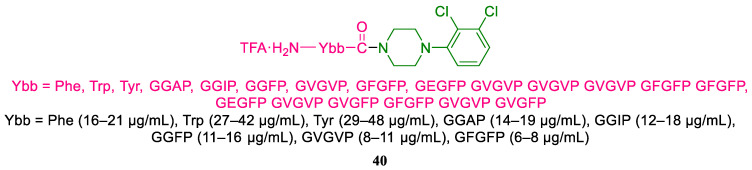
Elastin-based peptides conjugated to 1-(2,3-dichlorophenyl) piperazine.
Figure 42
Figure 42
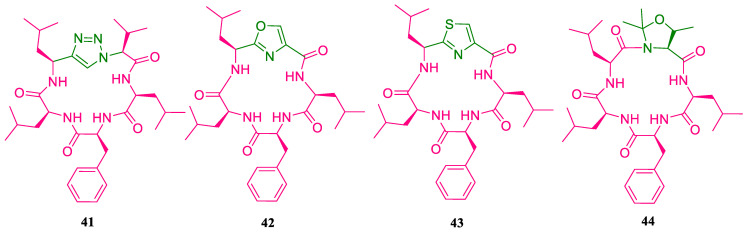
Sansalvamide A peptidomimetics.
Figure 43
Figure 43
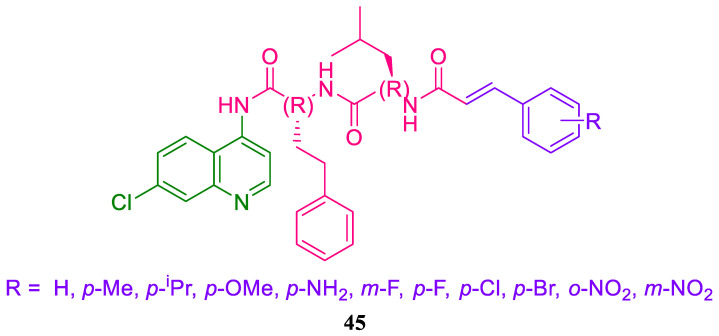
4-aminoquinoline/cinnamic acid conjugates.
Figure 44
Figure 44
8-aminoquinolines conjugated amino acids/dipeptides/pseudopeptides analogues.
Figure 45
Figure 45
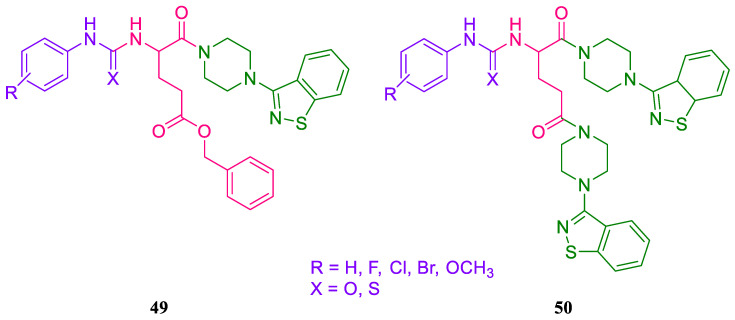
Glu conjugated to 3-(1-piperazinyl)-1,2-benzisothiazole.
Figure 46
Figure 46
Quinazolinone conjugated to shorter analogues of Bactenecin 7.
Figure 47
Figure 47
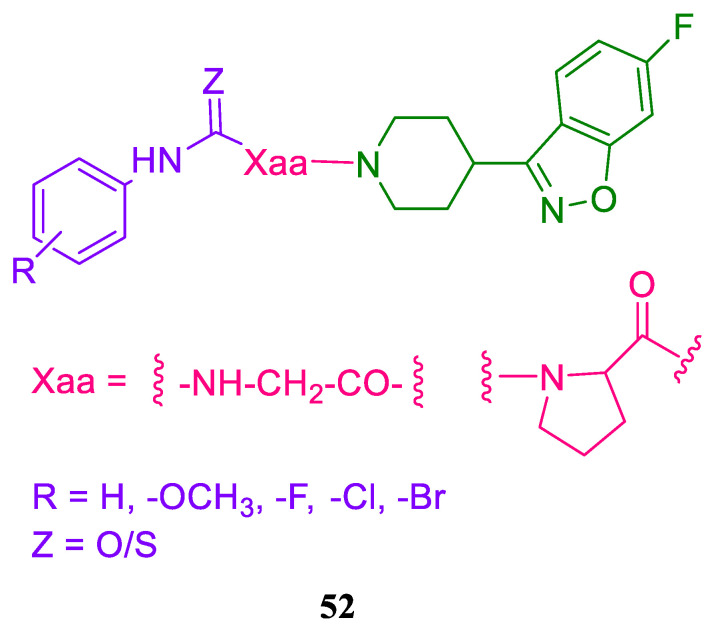
Pro/Gly conjugated with benzisoxazole derivatives.
Figure 48
Figure 48
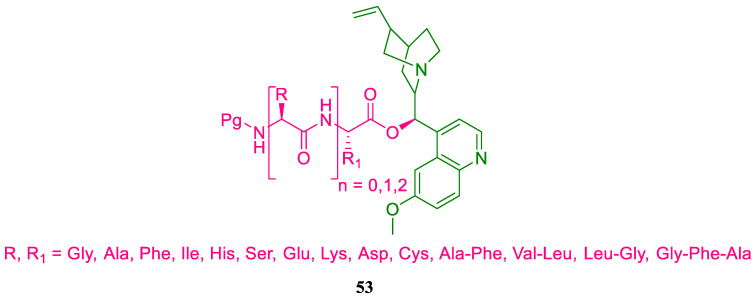
Amino acid conjugated to quinine.
Figure 49
Figure 49
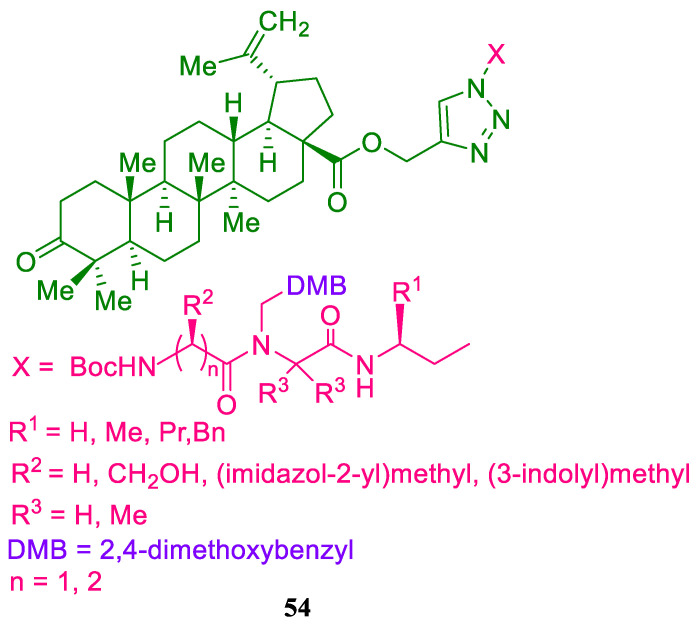
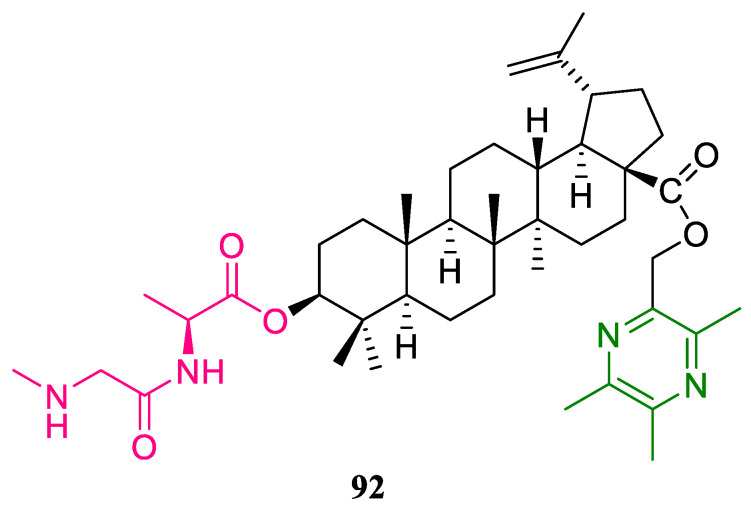
Peptides conjugated to betulonic acid derivatives.
Figure 50
Figure 50
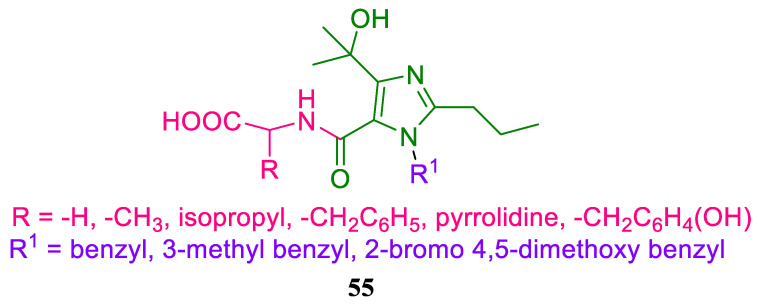
Imidazole-amino acids conjugates.
Figure 51
Figure 51
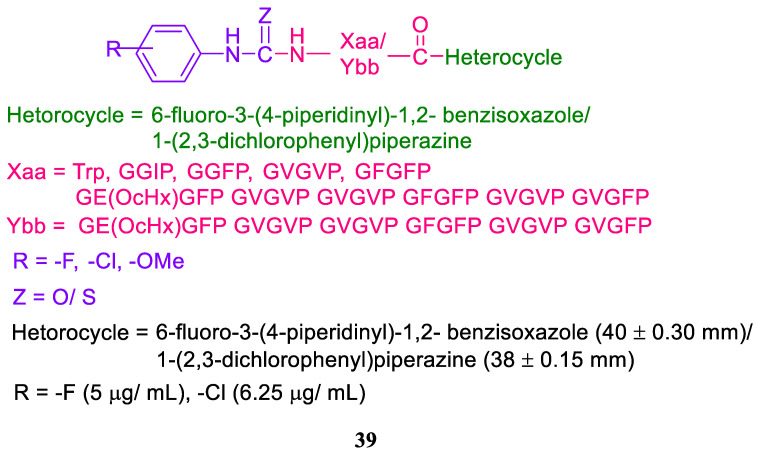
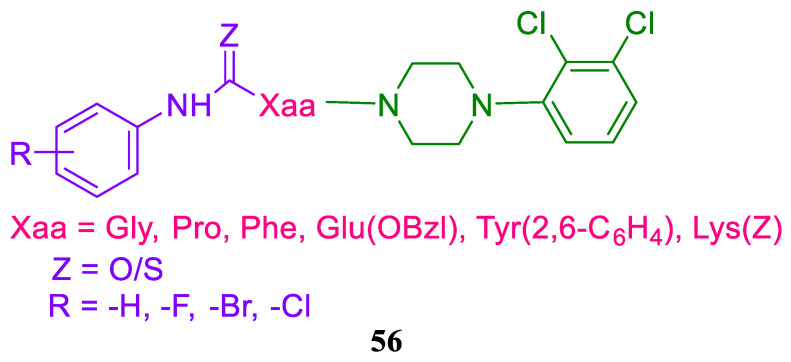
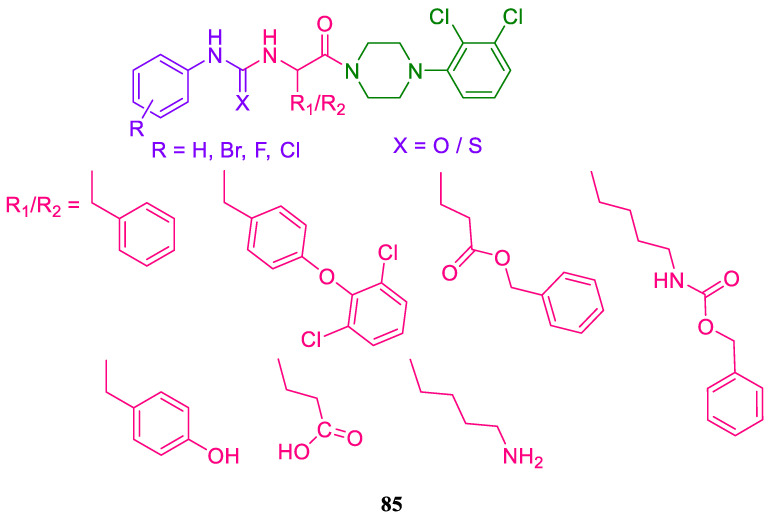
Urea/thiourea derivatives of amino acids conjugated 2,3-dichlorophenyl piperazine.
Figure 52
Figure 52
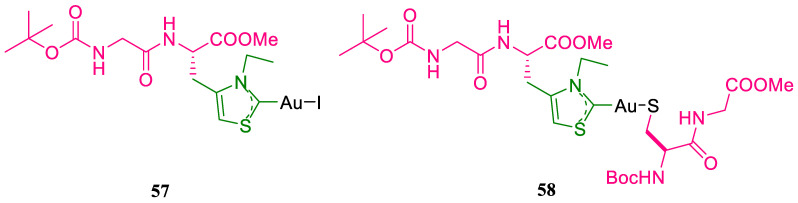
AuI N and S-heterocyclic carbenes (NSHC)-derived peptides.
Figure 53
Figure 53
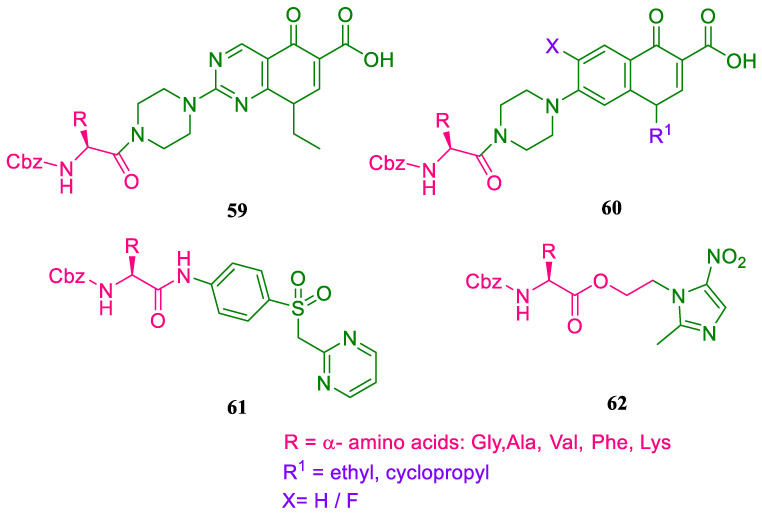
Amino acid conjugated to metronidazole/sulphadiazine/quinolone.
Figure 54
Figure 54
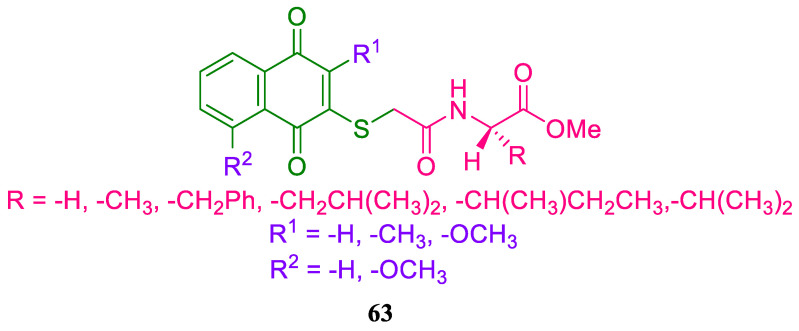
Naphthoquinone amide derivatives.
Figure 55
Figure 55
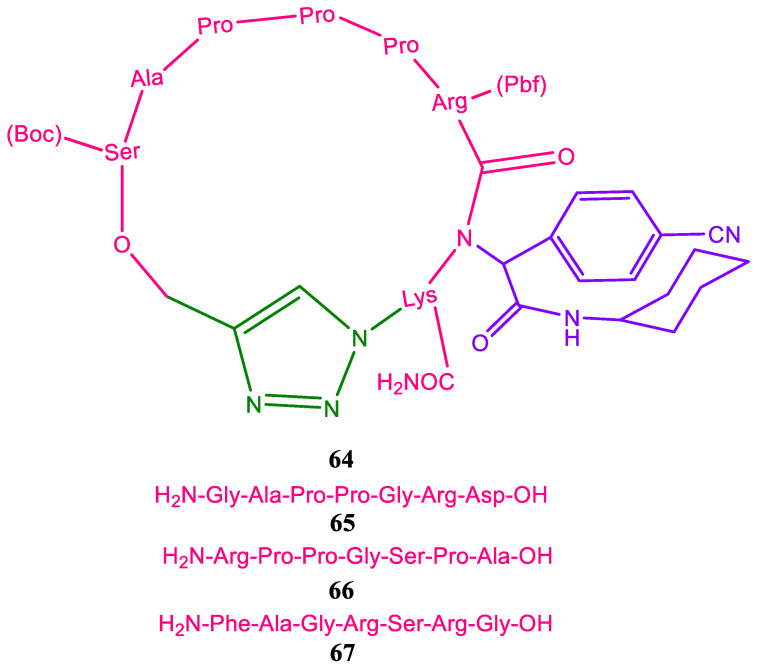
Triazole conjugated cycloheptapeptides.
Figure 56
Figure 56
Amino acids-[3-(4-piperidyl)-6-fluoro-1,2-benzisoxazole] conjugates.
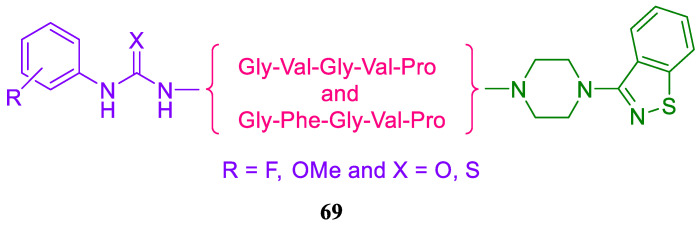
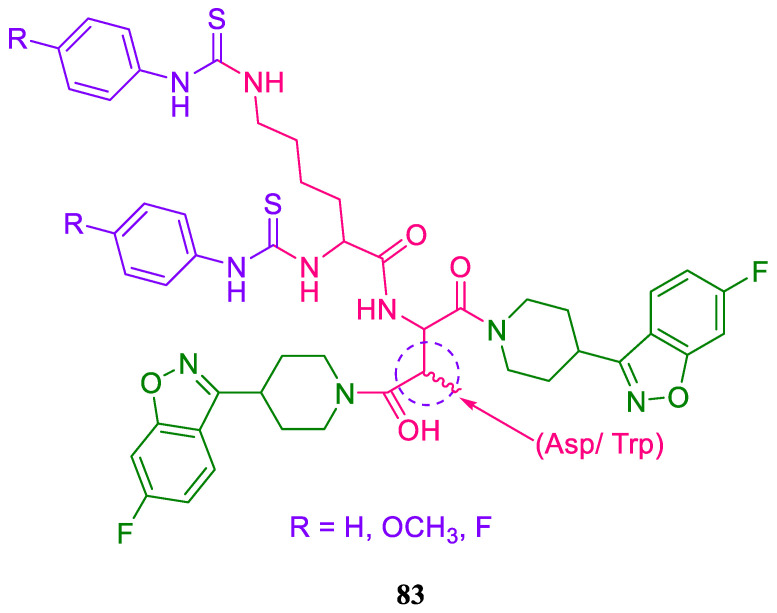
Figure 57
Figure 57
Pentapeptides conjugated to 3-(1-piperazinyl)-1,2-benzisothiazole.
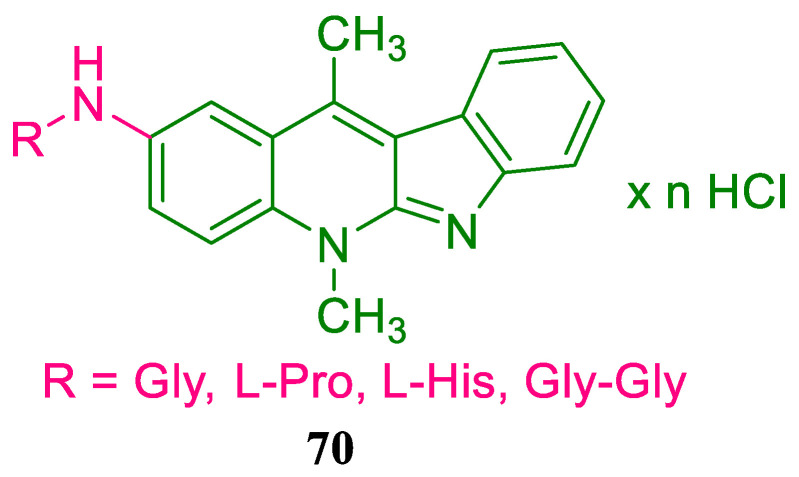
Figure 58
Figure 58
Neocryptolepine-amino acids analogues.
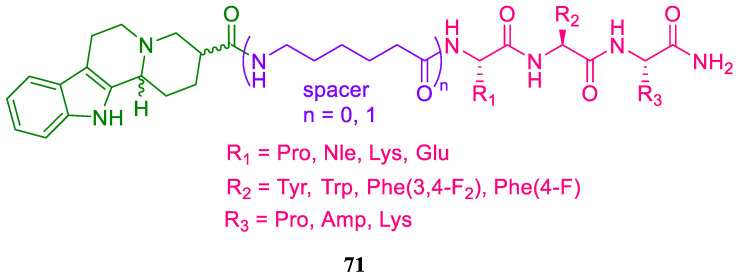
Figure 59
Figure 59
Peptides conjugated to indoloquinolizidine.
Figure 60
Figure 60
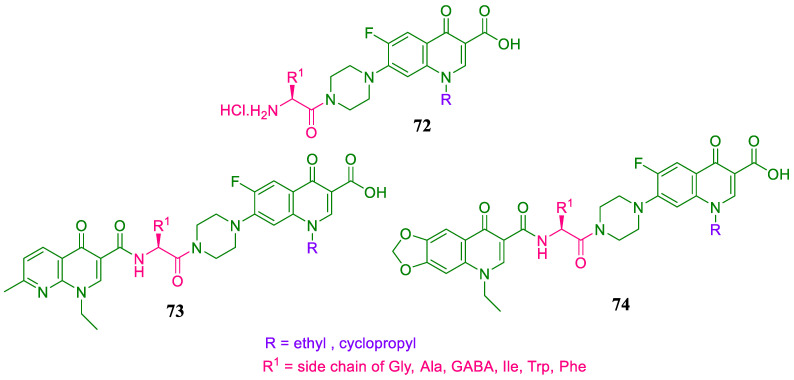
Amino acids conjugated to fluoroquinolone-quinolone.
Figure 61
Figure 61
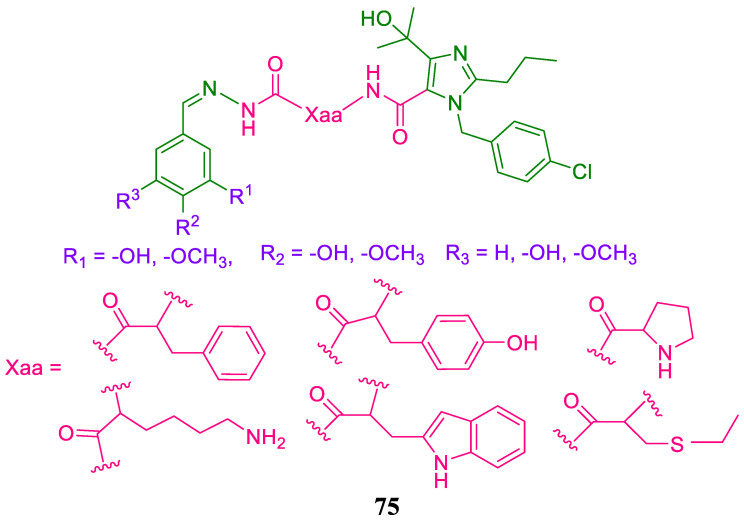
Amino acids–imidazole conjugates.
Figure 62
Figure 62
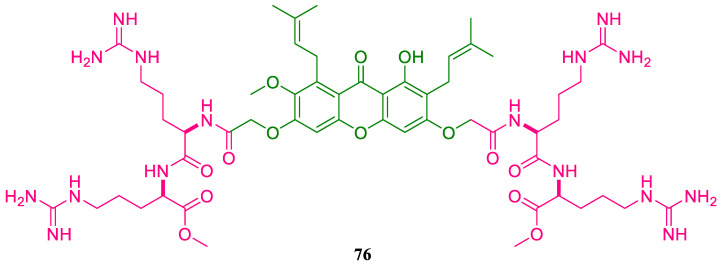
Amino acid-xanthone derivatives.
Figure 63
Figure 63
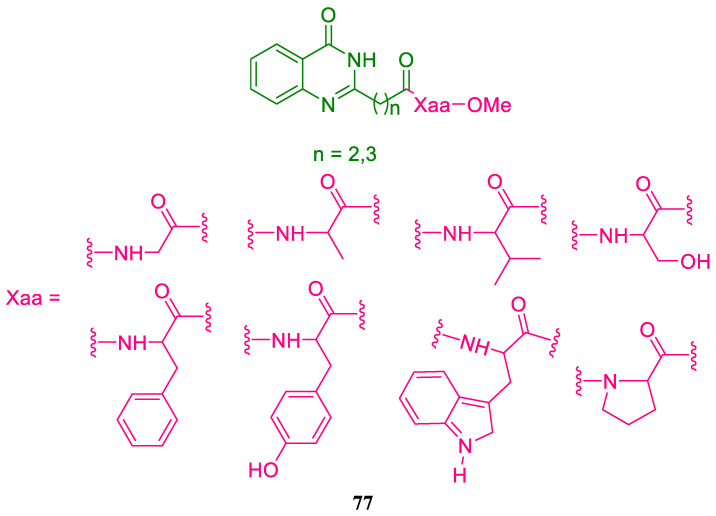
Amino acids linked quinazolinones.
Figure 64
Figure 64
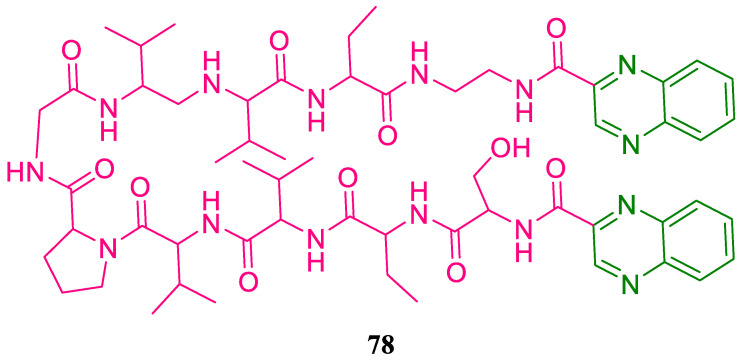
Quinoxaline conjugated to peptides.
Figure 65
Figure 65
Coumarin/quinolinone conjugated to N-protected amino acids.
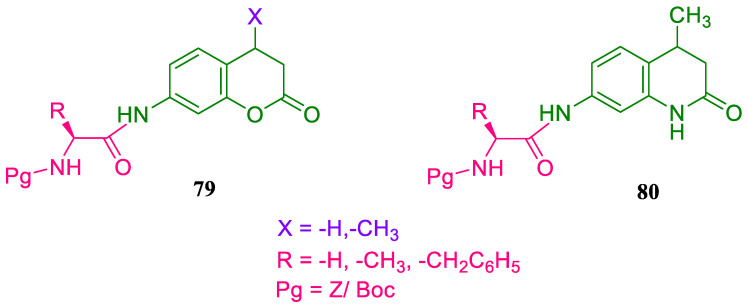
Figure 66
Figure 66
N-α-amino acids conjugated to phthalimide moieties.
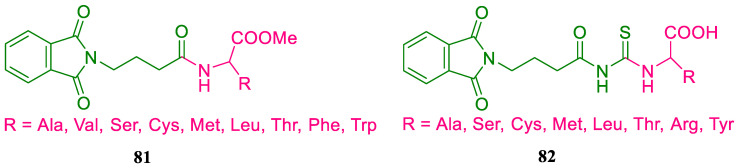
Figure 67
Figure 67
Peptides conjugated to 6-fluoro-3-(piperidin-4-yl) benzo[d]isoxazole.
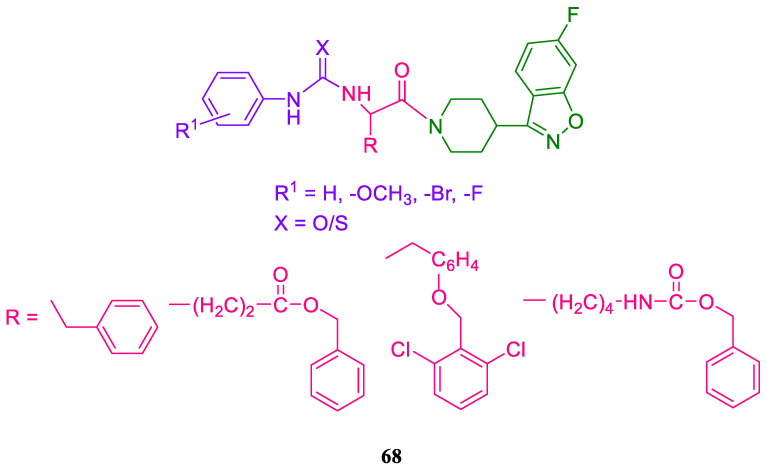
Figure 68
Figure 68
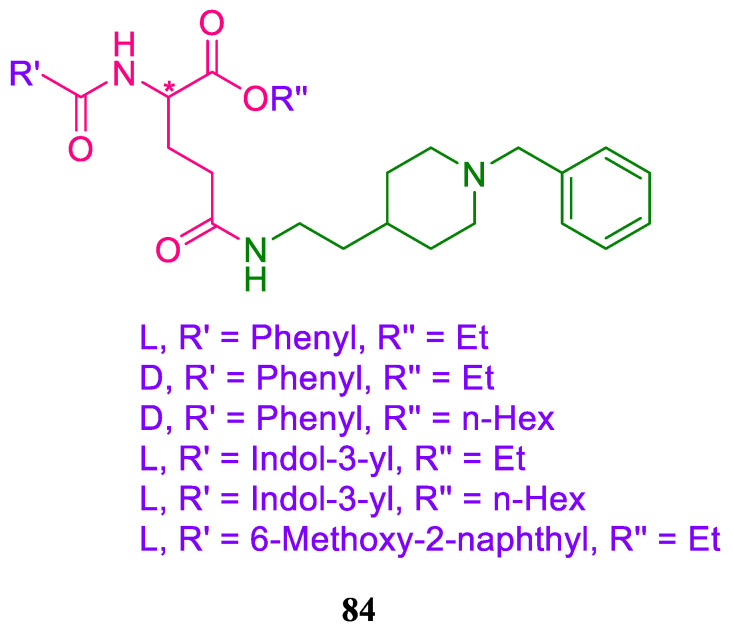
D- and L-Glu derivatives having N-benzylpiperidine.
Figure 69
Figure 69
Amino acids conjugated to 2,3-dichlorophenyl piperazine.
Figure 70
Figure 70
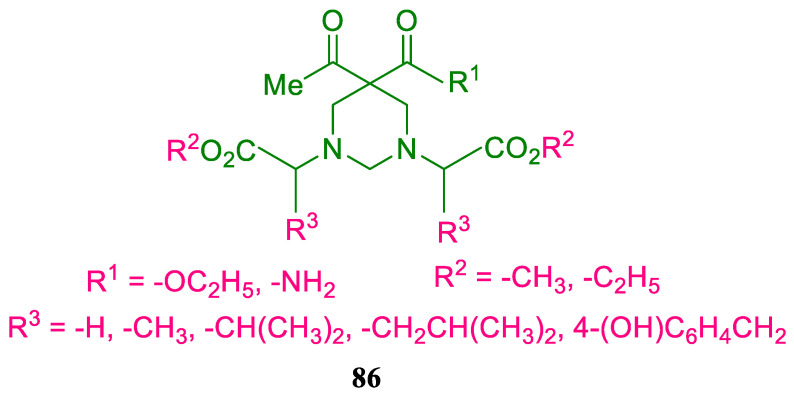
N-substituted α-amino acids analogues consisting hexahydropyrimidine moiety.
Figure 71
Figure 71
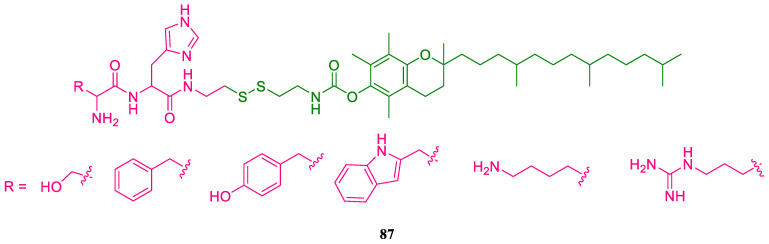
Tocopherol-based cationic lipids conjugated to peptides.
Figure 72
Figure 72
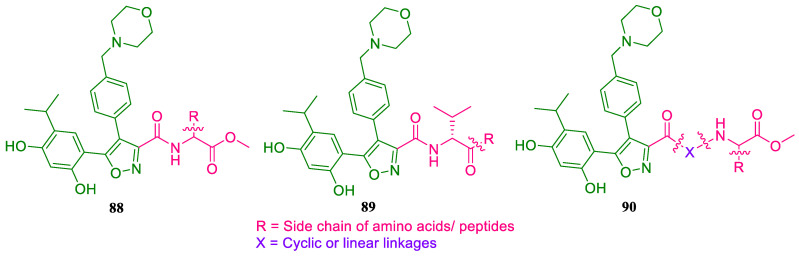
4,5-diarylisoxazoles conjugated to amino acids.
Figure 73
Figure 73
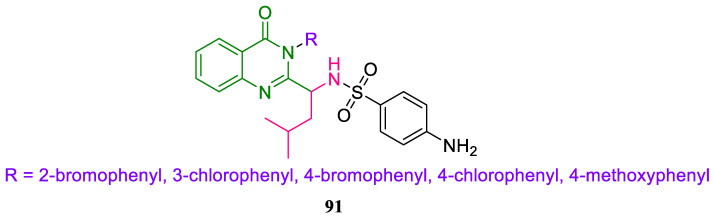
Leu linked sulphonamide-quinazolinone hybrid derivatives.
Figure 74
Figure 74
Peptide conjugates of pyrazine derivatives.
Figure 75
Figure 75
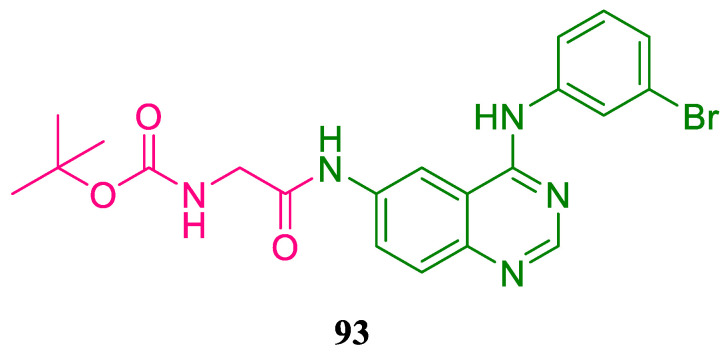
4-anilinoquinazoline-amino acid derivatives.
Figure 76
Figure 76
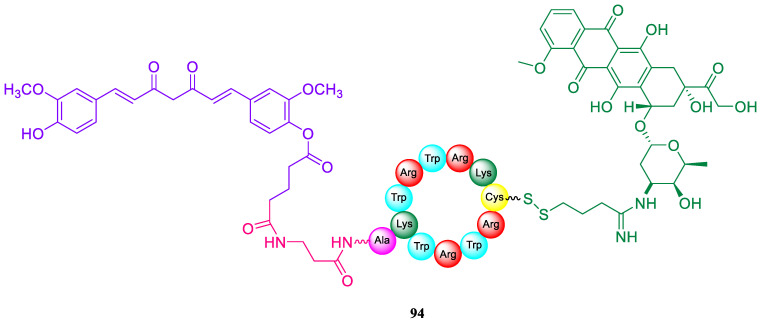
Doxorubicin-curcumin conjugated to cyclic peptide analogues.
Figure 77
Figure 77
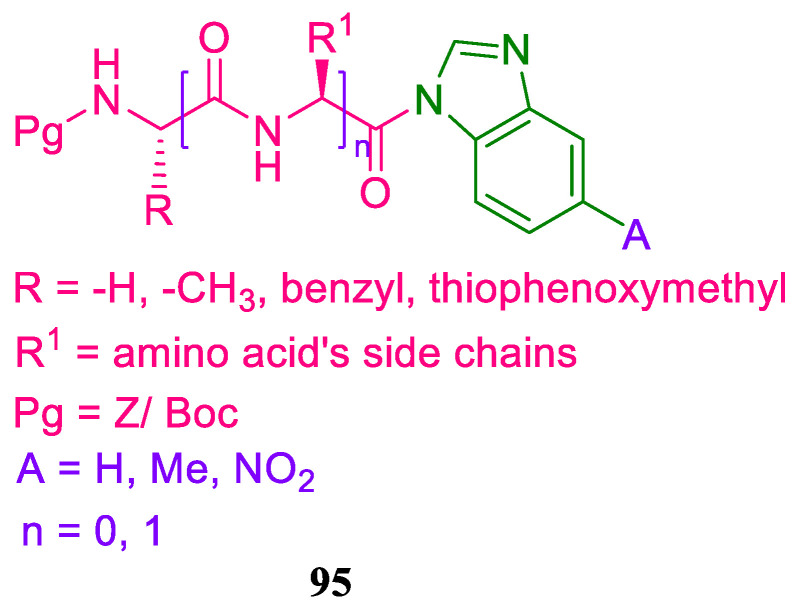
Amino acid/Peptides conjugated to benzimidazole derivatives.
Figure 78
Figure 78
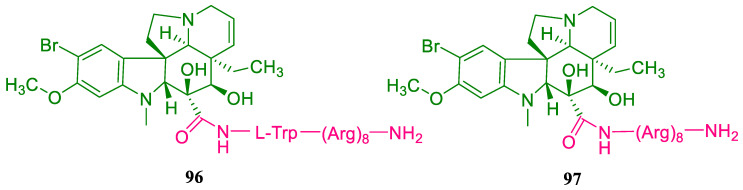
Oligoarginine conjugated to vindoline analogues.
Figure 79
Figure 79
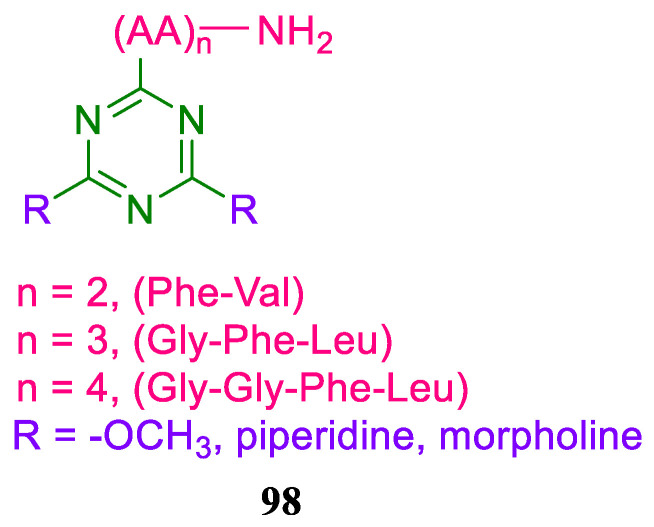
Dipeptides/tetrapeptides conjugated to s-triazine analogues.
Figure 80
Figure 80
Glycinocin analogues.
Figure 81
Figure 81
8-quinolinamines conjugated to amino acids.
Figure 82
Figure 82
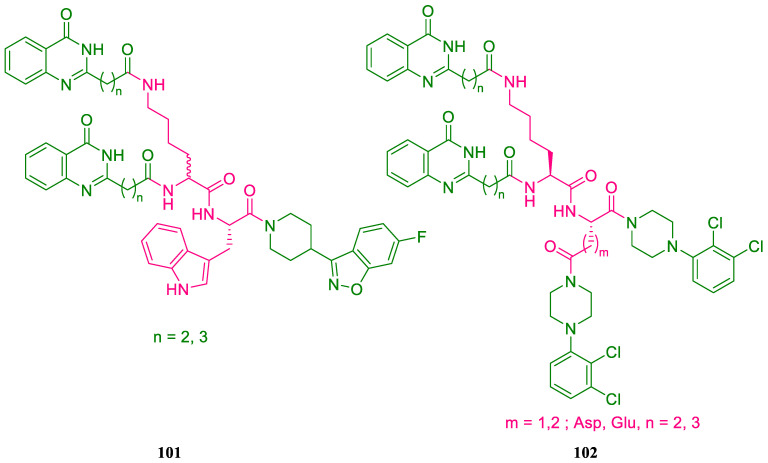
Amino acids conjugated to piperazine, benzisoxazole and quinazolinone derivatives.
Figure 83
Figure 83
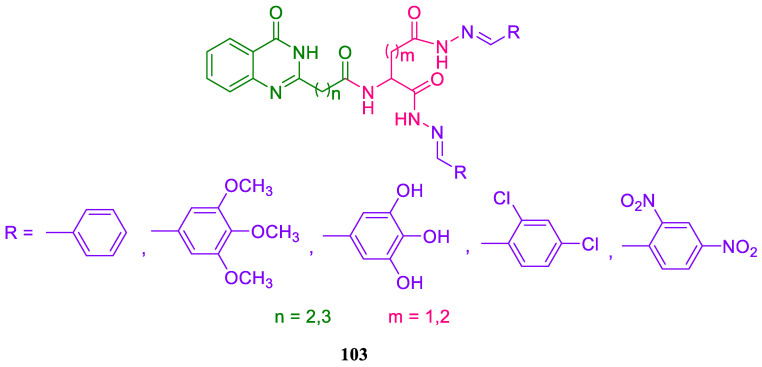
Amino acids (Glu and Asp) linked bis-hydrazones of quinazolinones.
Figure 84
Figure 84
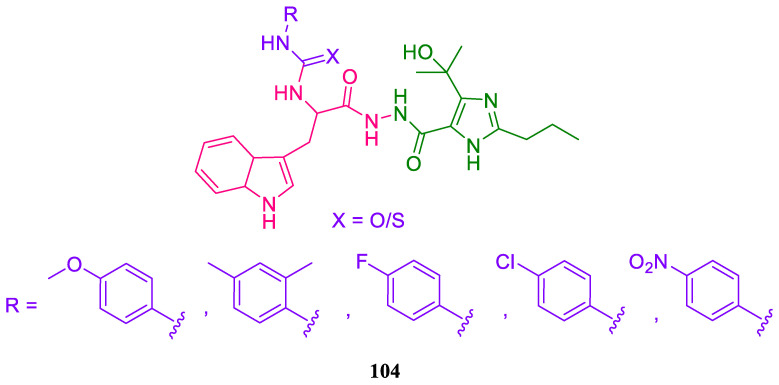
Tryptophan conjugated to imidazolo-derived thioureas/ureas.
Figure 85
Figure 85
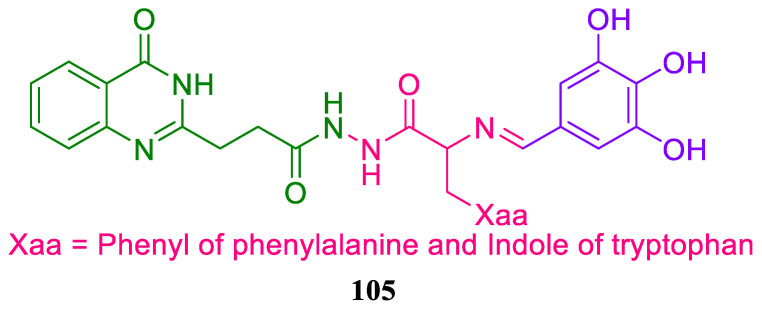
Amino acids-quinazolinone-Schiff bases.
Figure 86
Figure 86
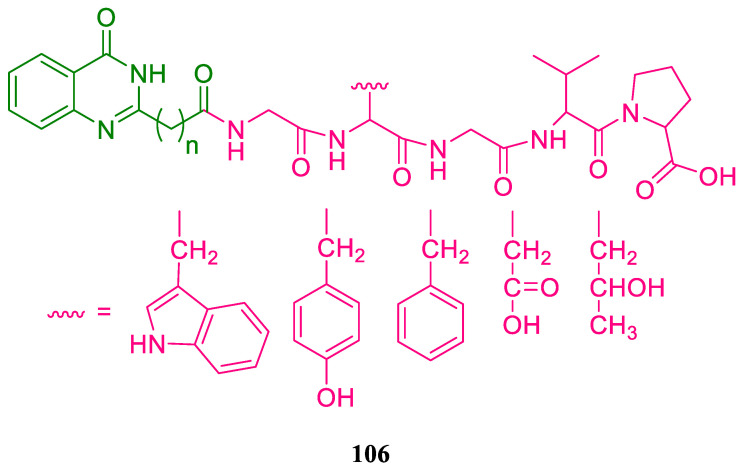
Peptides conjugated to quinazolinones.
Figure 87
Figure 87
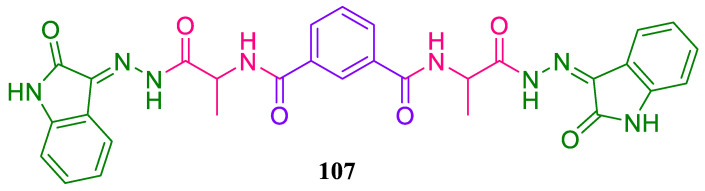
N1,N3-bis-(1-oxopropan-2-yl) isophthalamide-based derivatives.
Figure 88
Figure 88
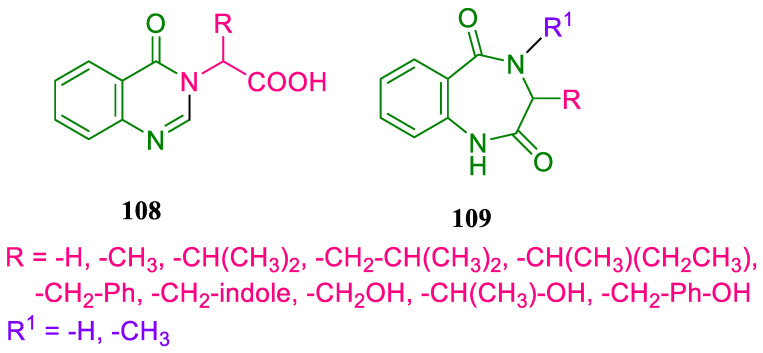
Quinazolinones and 1,4-benzodiazepine-2,5-diones conjugated to amino acids.
Figure 89
Figure 89
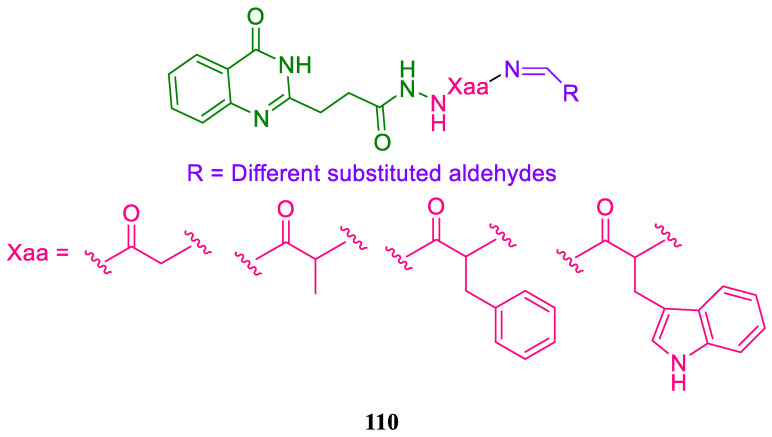
Amino acids conjugated to quinazolinone-Schiff bases.
Figure 90
Figure 90
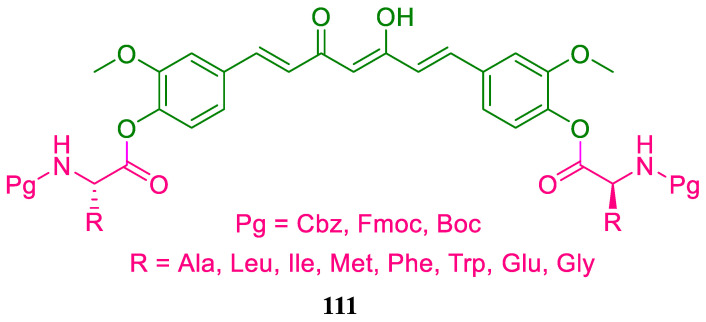
Curcumin bis-conjugates (111) of different N-protected amino acids.
Figure 91
Figure 91
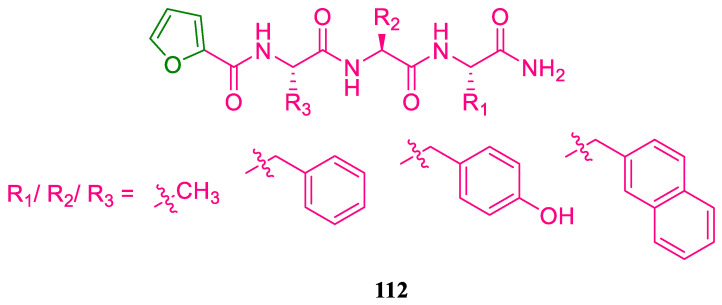
Furan-conjugated tripeptides.
Figure 92
Figure 92
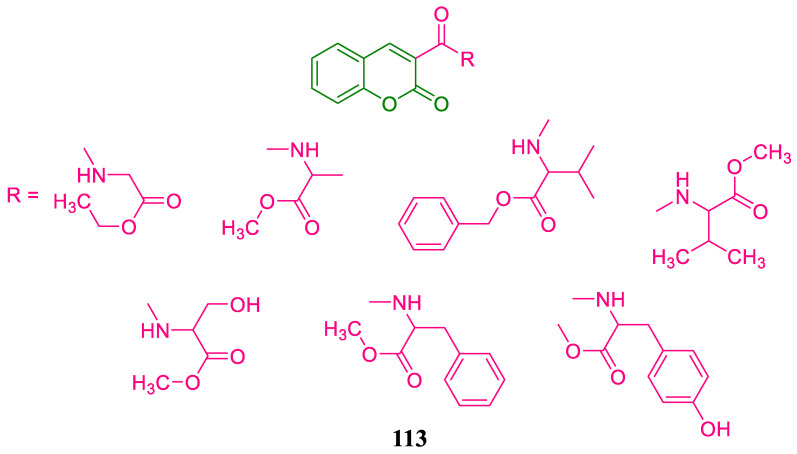
Coumarin-amino acid derivatives.
Figure 93
Figure 93
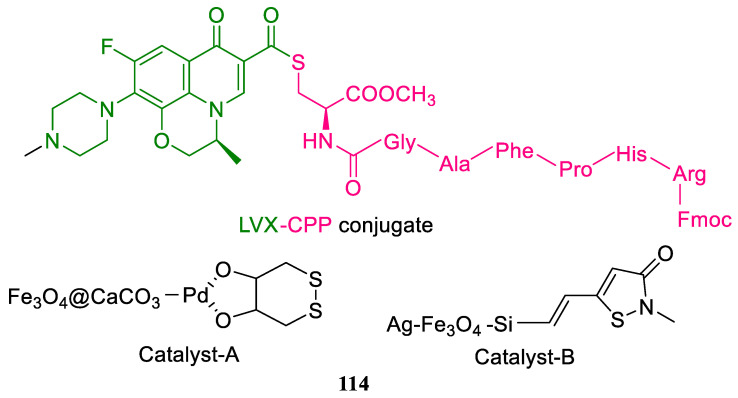
Levofloxacin (LVX) conjugated cell penetrating peptides.
Figure 94
Figure 94
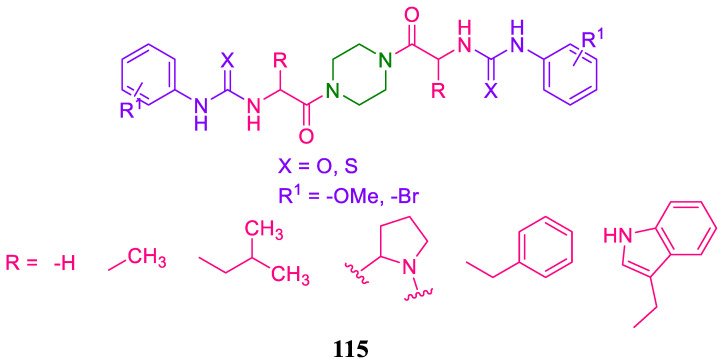
Piperazine-bridged pseudopeptidic thiourea/urea derivatives.
Figure 95
Figure 95
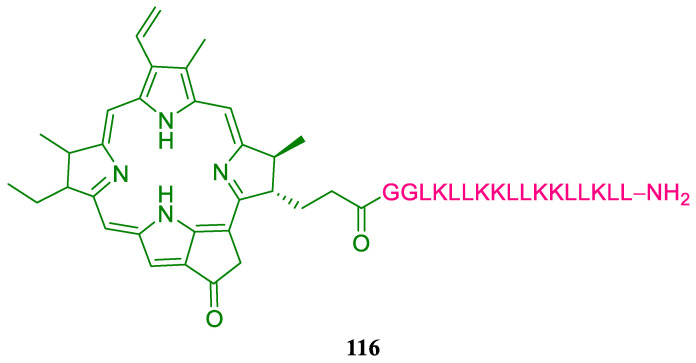
PPA conjugated to antimicrobial peptide.
Figure 96
Figure 96
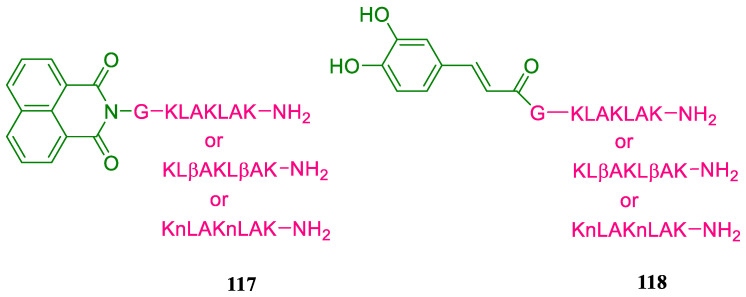
Analogues of (KLAKLAK)2-NH2 and their derivatives.
Figure 97
Figure 97
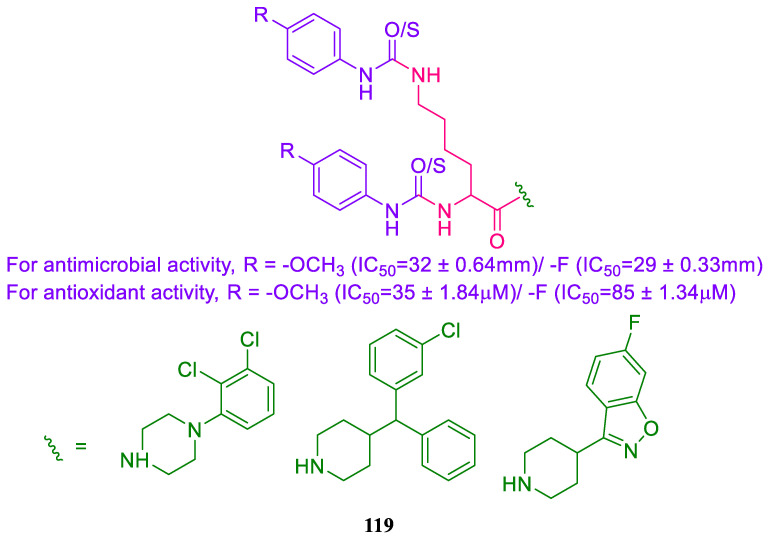
Lys-conjugated heterocycles.
Figure 98
Figure 98
Dipeptides conjugated to THPA.
Figure 99
Figure 99
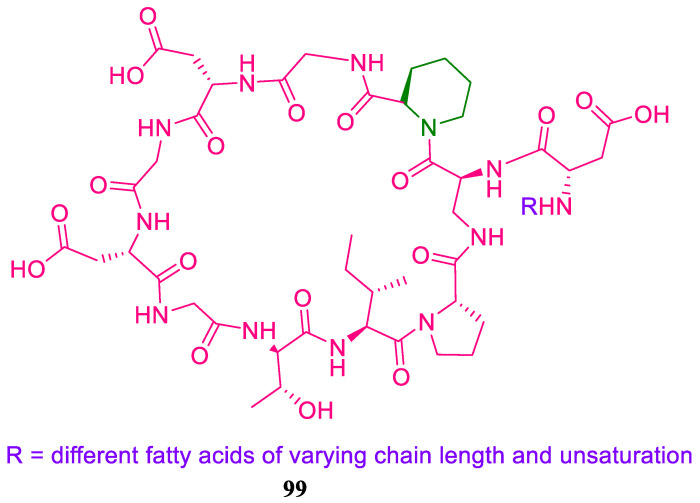
Peptide derivatives conjugated to naphthalene moiety.
Figure 100
Figure 100
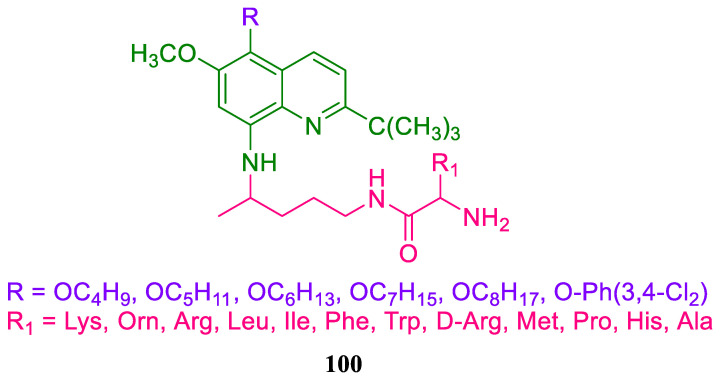
α-amino carboxamide derivatives.
Figure 101
Figure 101
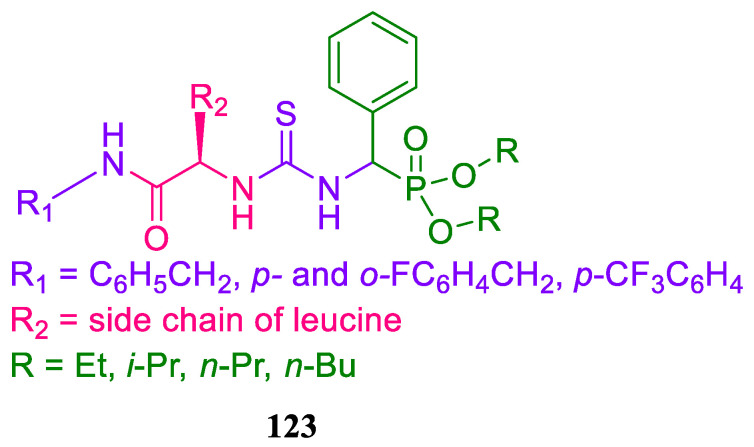
α-aminophosphonate analogues.
Figure 102
Figure 102
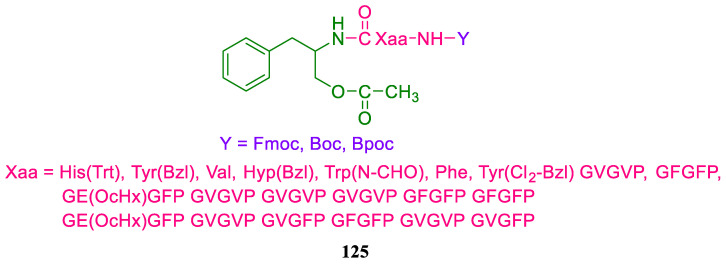
Aurantiamide acetate derivatives with amino acids/peptides.
Figure 103
Figure 103
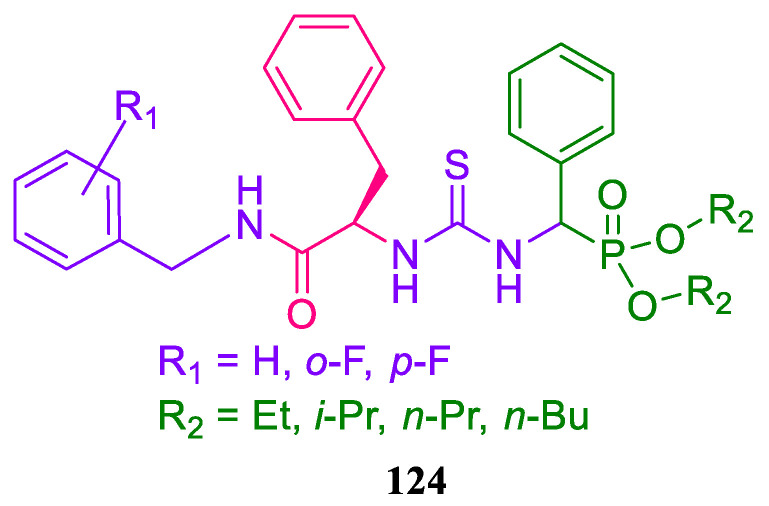
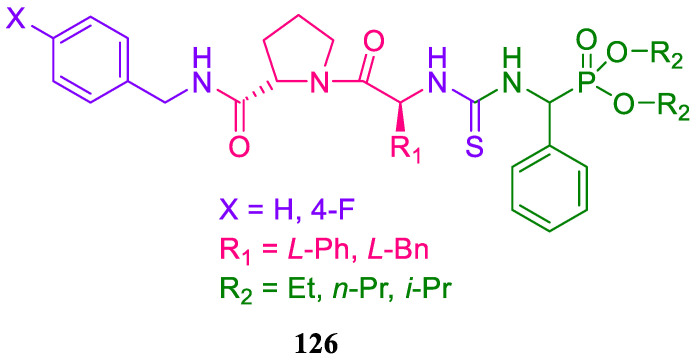
Chiral dipeptide thioureas containing α-amino phosphate analogues.
Figure 104
Figure 104
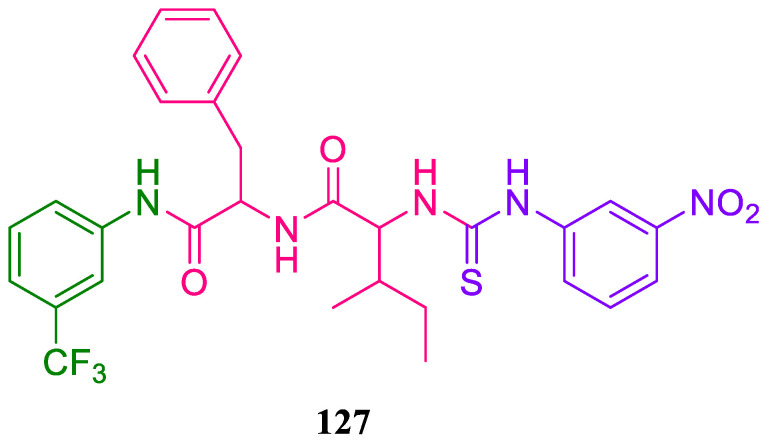
Terminal functionalised dipeptide derivatives.
Figure 105
Figure 105
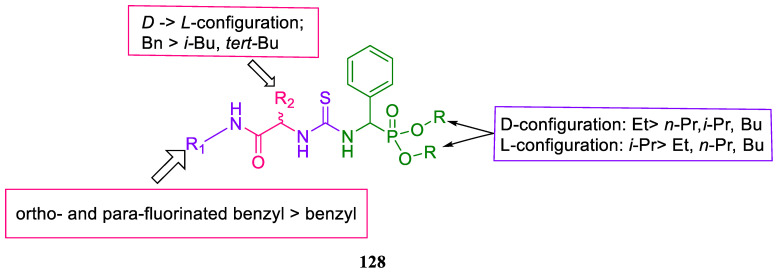
Phosphonate thioureas containing amino acids.

References

    1. Witebsky E. Ehrlich’s side-chain theory in the light of present immunology. Ann. N. Y. Acad. Sci. 1954;59:168–181. doi: 10.1111/j.1749-6632.1954.tb45929.x. - DOI - PubMed
    1. Ceresia G., Brusch C. An introduction to the history of medicinal chemistry. Am. J. Pharm. Sci. Support. Public Health. 1955;127:384–395. - PubMed
    1. Timmerman H. Comprehensive Medicinal Chemistry II. Volume 8. Elsevier; Amsterdam, The Netherlands: 2007. Reflections on Medicinal Chemistry Since the 1950s; pp. 7–15.
    1. AACP Institutional Members. [(accessed on 15 August 2011)]. Available online: http://www.aacp.org/about/membership/institutionalmembership/Pages/usins....
    1. Khan M.F., Deimling M.J., Philip A. Medicinal Chemistry and the Pharmacy Curriculum. Am. J. Pharm. Educ. 2011;75:161. doi: 10.5688/ajpe758161. - DOI - PMC - PubMed

LinkOut - more resources