


Sibling Relationship Dynamics in Families with a Child Diagnosed with a Chronic Mental Disorder versus a Somatic Condition
- PMID: 36980145
- PMCID: PMC10046914
- DOI: 10.3390/children10030587
Sibling Relationship Dynamics in Families with a Child Diagnosed with a Chronic Mental Disorder versus a Somatic Condition
Abstract
Background: Recent research still focuses on the psychological impact on siblings and the problematic relationships in families with children with chronic illnesses. Our study evaluates the dynamics in sibling relationships in families with a child diagnosed with a chronic disease.
Methods: We comparatively evaluated the degree of empathy, involvement, friendship, and rivalry in sibling relationships in two groups of families who have a child with a chronic pediatric disorder versus a chronic mental disorder.
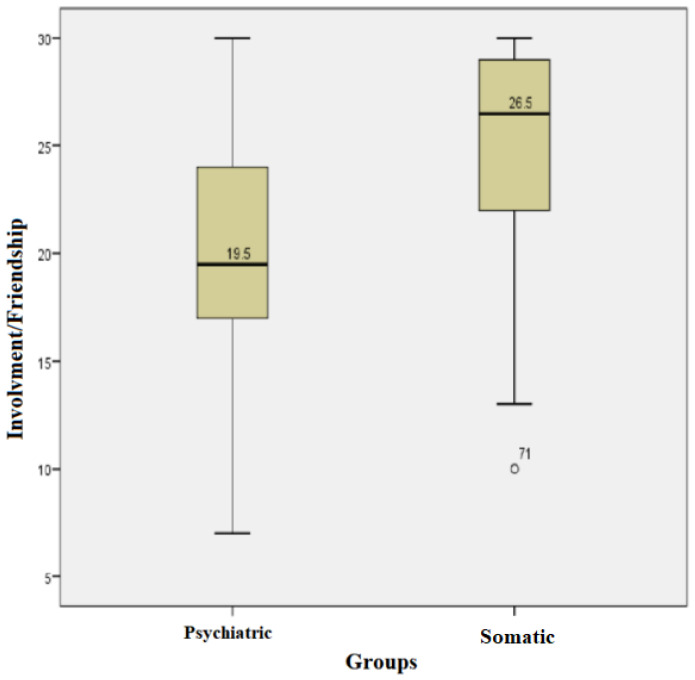
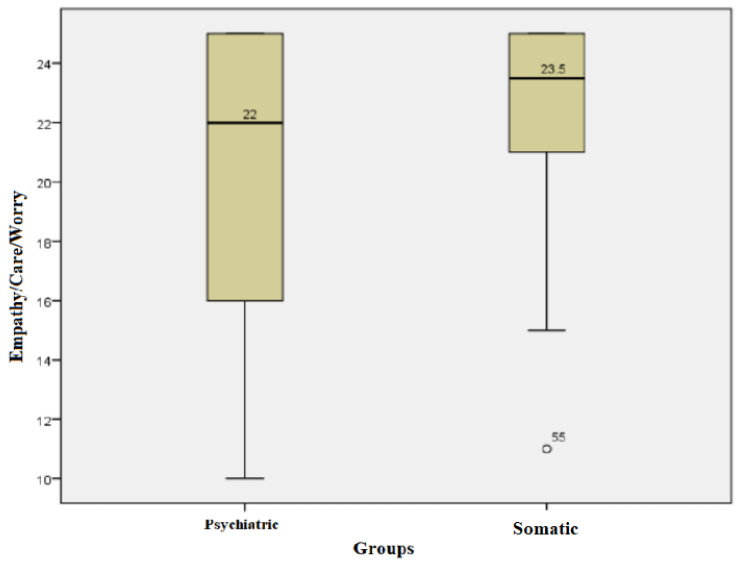
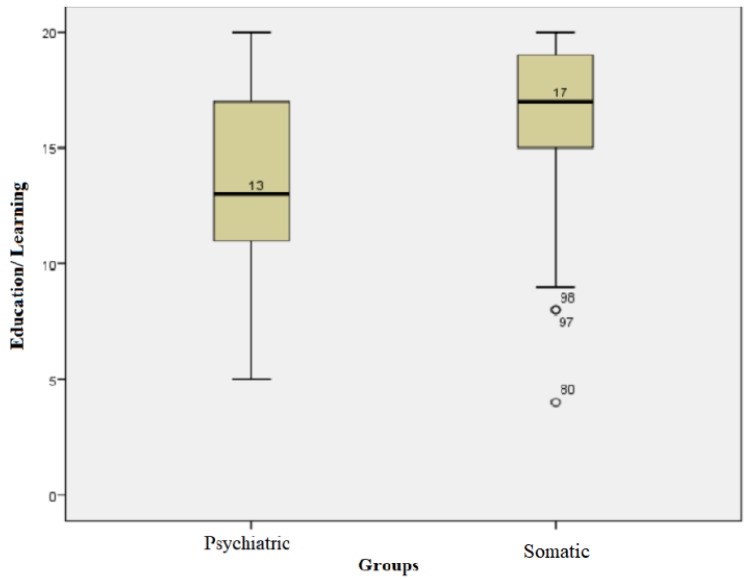
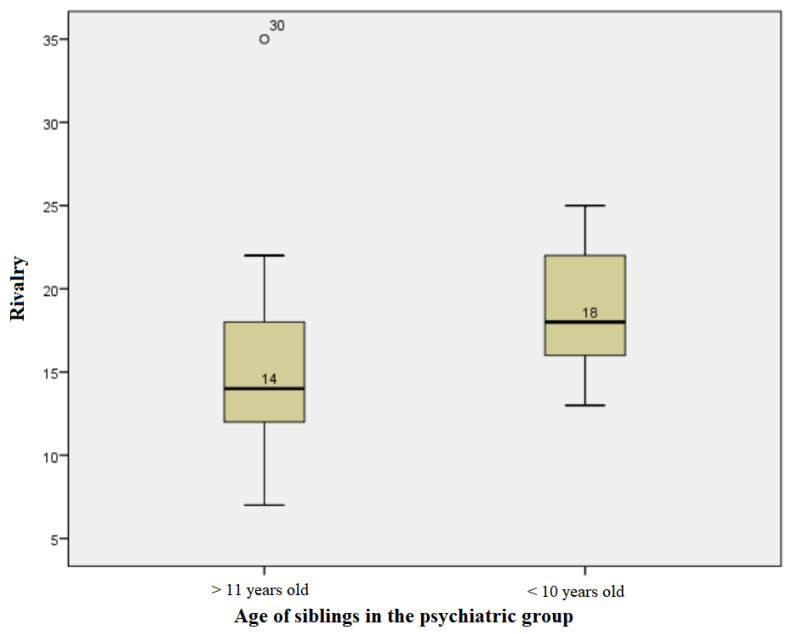
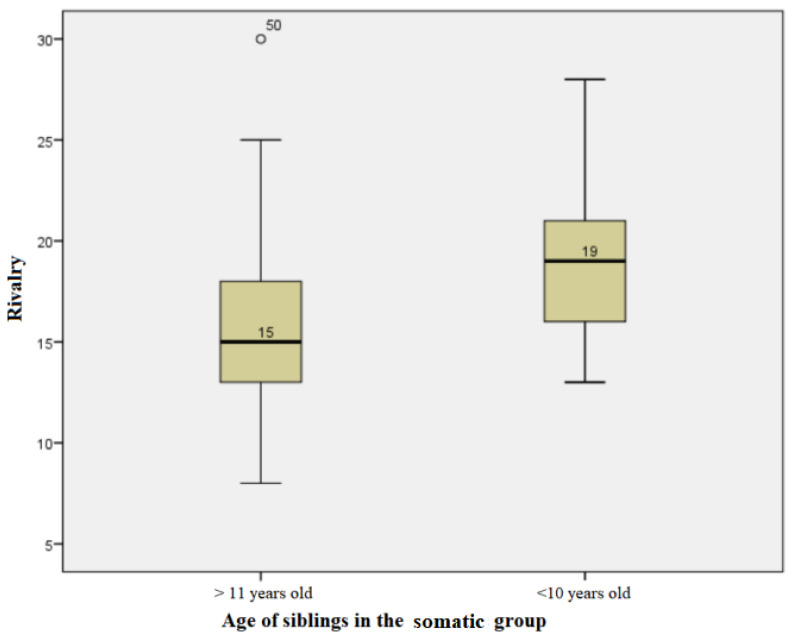
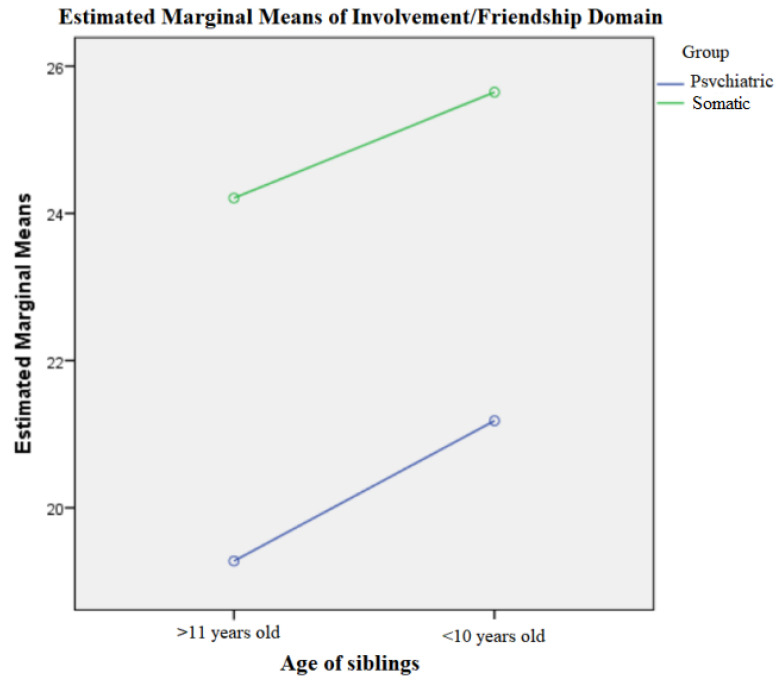
Results: The levels of involvement/friendship, empathy/care/concern, and education/learning were significantly higher in the pediatric group. Where there were siblings under the age of 10, rivalry scores tended to be higher in both groups.
Conclusions: Coping strategies, emphatic interactions, and implications in common activities are difficult to identify in the relationship between siblings when one of them has a chronic mental disorder. All of these negative aspects entail poor quality sibling relationships and draw alarm signals regarding the need for monitoring and intervention familial programs.
Keywords: chronic mental disorders; siblings; somatic conditions.
Conflict of interest statement
The authors declare no conflict of interest.
Figures
References
-
- Piaget J. In: The Moral Judgment of the Child. Gabain M., translator. Routledge & Kegan Paul.; London, UK: 1932.
-
- Turiel E. The development of morality. In: Damon W., Lerner R.M., Eisenberg N., editors. Handbook of Child Psychology. 6th ed. Volume 3 John Wiley & Sons; New York, NY, USA: 2006. Social, Emotional, and Personality Development.
LinkOut - more resources
Full Text Sources
