This is a preprint.
Type I interferon-dependent IFIT3 signaling is critical for viral clearance in airway neutrophils
- PMID: 36993474
- PMCID: PMC10055555
- DOI: 10.21203/rs.3.rs-1812836/v1
Type I interferon-dependent IFIT3 signaling is critical for viral clearance in airway neutrophils
Update in
-
Interferon-dependent signaling is critical for viral clearance in airway neutrophils.JCI Insight. 2023 May 22;8(10):e167042. doi: 10.1172/jci.insight.167042. JCI Insight. 2023. PMID: 37071484 Free PMC article.
Abstract
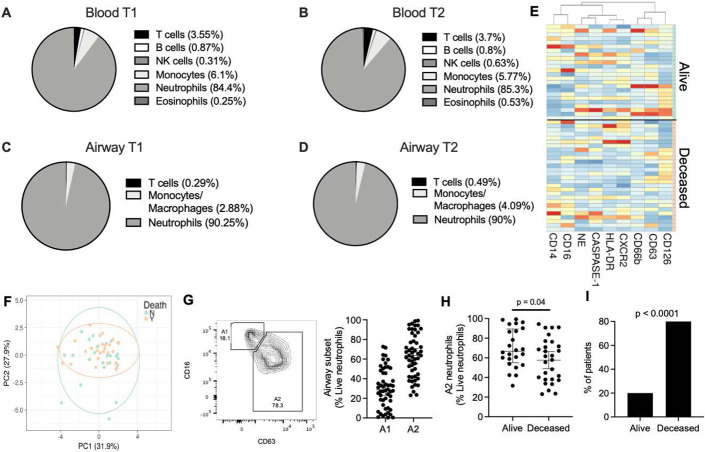
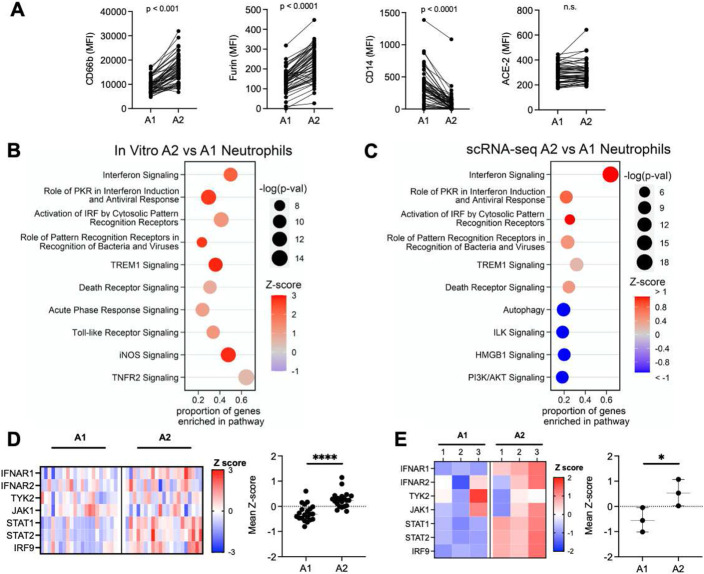
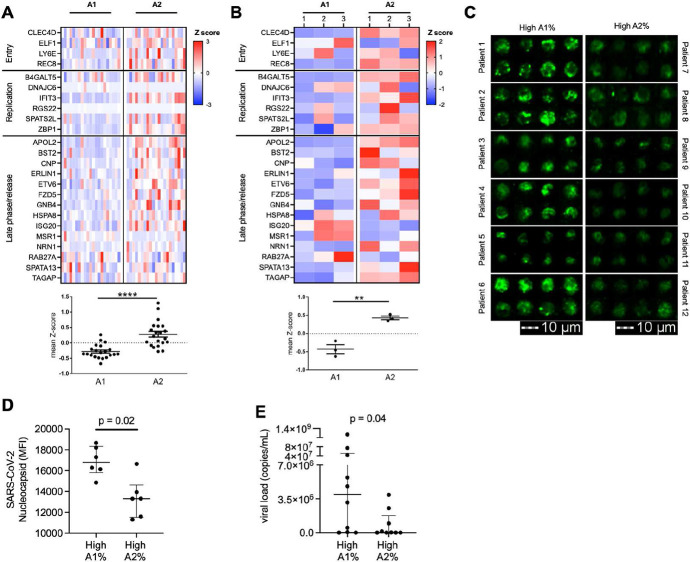
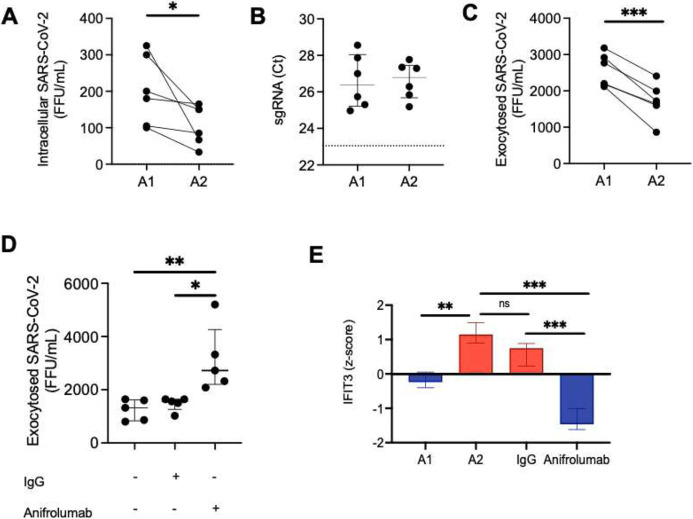
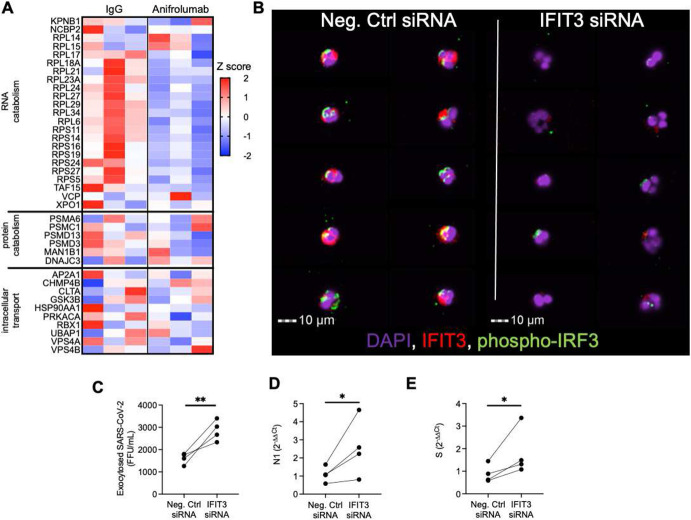
Neutrophilic inflammation characterizes several respiratory viral infections including COVID-19-related ARDS, although its contribution to disease pathogenesis remains poorly understood. Here, we identified two neutrophil subpopulations (A1 and A2) in the airway compartment of 52 severe COVID-19 subjects, where loss of the A2 subset correlated with increased viral burden and reduced 30-days survival. A2 neutrophils showcased a discrete antiviral response with an increased interferon signature. Blockade of type I interferon attenuated viral clearance in A2 neutrophils and downregulated IFIT3 and key catabolic genes, demonstrating direct antiviral neutrophil function. Knockdown of IFIT3 in A2 neutrophils led to loss of IRF3 phosphorylation with consequent reduced viral catabolism, providing the first discrete mechanism of type I interferon signaling in neutrophils. The identification of this novel neutrophil phenotype and its association with severe COVID-19 outcomes emphasizes its likely importance in other respiratory viral infections and potential for new therapeutic approaches in viral illness.
Conflict of interest statement
Figures
References
-
- Hariri L. & Hardin C.C. Covid-19, Angiogenesis, and ARDS Endotypes. N Engl J Med 383, 182–183 (2020). - PubMed
Publication types
Grants and funding
LinkOut - more resources
Full Text Sources