


Evaluating a clinical decision support point of care instrument in low resource setting
- PMID: 36998074
- PMCID: PMC10064719
- DOI: 10.1186/s12911-023-02144-0
Evaluating a clinical decision support point of care instrument in low resource setting
Abstract
Background: Clinical pathways are one of the main tools to manage the health care's quality and concerned with the standardization of care processes. They have been used to help frontline healthcare workers by presenting summarized evidence and generating clinical workflows involving a series of tasks performed by various people within and between work environments to deliver care. Integrating clinical pathways into Clinical Decision Support Systems (CDSSs) is a common practice today. However, in a low-resource setting (LRS), this kind of decision support systems is often not readily accessible or even not available. To fill this gap, we developed a computer aided CDSS that swiftly identifies which cases require a referral and which ones may be managed locally. The computer aided CDSS is designed primarily for use in primary care settings for maternal and childcare services, namely for pregnant patients, antenatal and postnatal care. The purpose of this paper is to assess the user acceptance of the computer aided CDSS at the point of care in LRSs.
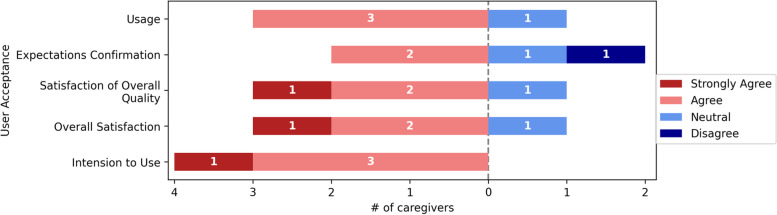
Methods: For evaluation, we used a total of 22 parameters structured in to six major categories, namely "ease of use, system quality, information quality, decision changes, process changes, and user acceptance." Based on these parameters, the caregivers from Jimma Health Center's Maternal and Child Health Service Unit evaluated the acceptability of a computer aided CDSS. The respondents were asked to express their level of agreement using 22 parameters in a think-aloud approach. The evaluation was conducted in the caregiver's spare-time after the clinical decision. It was based on eighteen cases over the course of two days. The respondents were then asked to score their level of agreement with some statements on a five-point scale: strongly disagree, disagree, neutral, agree, and strongly agree.
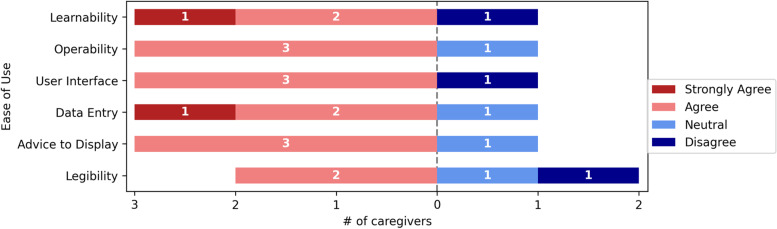
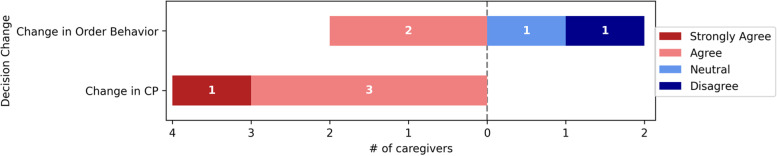
Results: The CDSS received a favorable agreement score in all six categories by obtaining primarily strongly agree and agree responses. In contrast, a follow-up interview revealed a variety of reasons for disagreement based on the neutral, disagree, and strongly disagree responses.
Conclusions: Though the study had a positive outcome, it was limited to the Jimma Health Center Maternal and Childcare Unit, and hence a wider scale evaluation and longitudinal measurements, including computer aided CDSS usage frequency, speed of operation and impact on intervention time are needed.
Keywords: Clinical decision support system; Clinical pathways; Computer aided decision support system; Evaluation; Low cost; Low resource settings; Point of care.
© 2023. The Author(s).
Conflict of interest statement
The authors declare that they have no competing interests.
Figures



References
-
- Azevedo MJ. The state of health system (s) in Africa: challenges and opportunities. Histor Perspect State Health Health Syst Africa. 2017;II:1–73.
MeSH terms
LinkOut - more resources
Full Text Sources
Miscellaneous
