


Antidepressants for the treatment of depression in people with cancer
- PMID: 36999619
- PMCID: PMC10065046
- DOI: 10.1002/14651858.CD011006.pub4
Antidepressants for the treatment of depression in people with cancer
Abstract
Background: Major depression and other depressive conditions are common in people with cancer. These conditions are not easily detectable in clinical practice, due to the overlap between medical and psychiatric symptoms, as described by diagnostic manuals such as the Diagnostic and Statistical Manual of Mental Disorders (DSM) and International Classification of Diseases (ICD). Moreover, it is particularly challenging to distinguish between pathological and normal reactions to such a severe illness. Depressive symptoms, even in subthreshold manifestations, have a negative impact in terms of quality of life, compliance with anticancer treatment, suicide risk and possibly the mortality rate for the cancer itself. Randomised controlled trials (RCTs) on the efficacy, tolerability and acceptability of antidepressants in this population are few and often report conflicting results.
Objectives: To evaluate the efficacy, tolerability and acceptability of antidepressants for treating depressive symptoms in adults (aged 18 years or older) with cancer (any site and stage).
Search methods: We used standard, extensive Cochrane search methods. The latest search date was November 2022.
Selection criteria: We included RCTs comparing antidepressants versus placebo, or antidepressants versus other antidepressants, in adults (aged 18 years or above) with any primary diagnosis of cancer and depression (including major depressive disorder, adjustment disorder, dysthymic disorder or depressive symptoms in the absence of a formal diagnosis).
Data collection and analysis: We used standard Cochrane methods. Our primary outcome was 1. efficacy as a continuous outcome. Our secondary outcomes were 2. efficacy as a dichotomous outcome, 3. Social adjustment, 4. health-related quality of life and 5. dropouts. We used GRADE to assess certainty of evidence for each outcome.
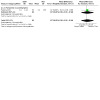
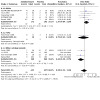
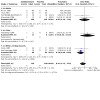
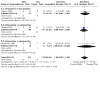
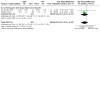
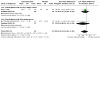
Main results: We identified 14 studies (1364 participants), 10 of which contributed to the meta-analysis for the primary outcome. Six of these compared antidepressants and placebo, three compared two antidepressants, and one three-armed study compared two antidepressants and placebo. In this update, we included four additional studies, three of which contributed data for the primary outcome. For acute-phase treatment response (six to 12 weeks), antidepressants may reduce depressive symptoms when compared with placebo, even though the evidence is very uncertain. This was true when depressive symptoms were measured as a continuous outcome (standardised mean difference (SMD) -0.52, 95% confidence interval (CI) -0.92 to -0.12; 7 studies, 511 participants; very low-certainty evidence) and when measured as a proportion of people who had depression at the end of the study (risk ratio (RR) 0.74, 95% CI 0.57 to 0.96; 5 studies, 662 participants; very low-certainty evidence). No studies reported data on follow-up response (more than 12 weeks). In head-to-head comparisons, we retrieved data for selective serotonin reuptake inhibitors (SSRIs) versus tricyclic antidepressants (TCAs) and for mirtazapine versus TCAs. There was no difference between the various classes of antidepressants (continuous outcome: SSRI versus TCA: SMD -0.08, 95% CI -0.34 to 0.18; 3 studies, 237 participants; very low-certainty evidence; mirtazapine versus TCA: SMD -4.80, 95% CI -9.70 to 0.10; 1 study, 25 participants). There was a potential beneficial effect of antidepressants versus placebo for the secondary efficacy outcomes (continuous outcome, response at one to four weeks; very low-certainty evidence). There were no differences for these outcomes when comparing two different classes of antidepressants, even though the evidence was very uncertain. In terms of dropouts due to any cause, we found no difference between antidepressants compared with placebo (RR 0.85, 95% CI 0.52 to 1.38; 9 studies, 889 participants; very low-certainty evidence), and between SSRIs and TCAs (RR 0.83, 95% CI 0.53 to 1.22; 3 studies, 237 participants). We downgraded the certainty of the evidence because of the heterogeneous quality of the studies, imprecision arising from small sample sizes and wide CIs, and inconsistency due to statistical or clinical heterogeneity.
Authors' conclusions: Despite the impact of depression on people with cancer, the available studies were few and of low quality. This review found a potential beneficial effect of antidepressants against placebo in depressed participants with cancer. However, the certainty of evidence is very low and, on the basis of these results, it is difficult to draw clear implications for practice. The use of antidepressants in people with cancer should be considered on an individual basis and, considering the lack of head-to-head data, the choice of which drug to prescribe may be based on the data on antidepressant efficacy in the general population of people with major depression, also taking into account that data on people with other serious medical conditions suggest a positive safety profile for the SSRIs. Furthermore, this update shows that the usage of the newly US Food and Drug Administration-approved antidepressant esketamine in its intravenous formulation might represent a potential treatment for this specific population of people, since it can be used both as an anaesthetic and an antidepressant. However, data are too inconclusive and further studies are needed. We conclude that to better inform clinical practice, there is an urgent need for large, simple, randomised, pragmatic trials comparing commonly used antidepressants versus placebo in people with cancer who have depressive symptoms, with or without a formal diagnosis of a depressive disorder.
Trial registration: ClinicalTrials.gov NCT00935675 NCT02246244 NCT00005805 NCT00129467 NCT00234195 NCT00352885 NCT00488072 NCT00536172 NCT00832520 NCT01219673 NCT01501396 NCT01725048.
Copyright © 2023 The Cochrane Collaboration. Published by John Wiley & Sons, Ltd.
Conflict of interest statement
GV: none.
BC: none.
FM: none.
CB: none.
GO: none.
Figures















Update of
-
Antidepressants for the treatment of depression in people with cancer.Cochrane Database Syst Rev. 2018 Apr 23;4(4):CD011006. doi: 10.1002/14651858.CD011006.pub3. Cochrane Database Syst Rev. 2018. Update in: Cochrane Database Syst Rev. 2023 Mar 31;3:CD011006. doi: 10.1002/14651858.CD011006.pub4. PMID: 29683474 Free PMC article. Updated.
References
References to studies included in this review
Cankurtaran 2008 {published data only}
Costa 1985 {published data only}
-
- Costa D, Mogos I, Toma T. Efficacy and safety of mianserin in the treatment of depression of women with cancer. Acta Psychiatrica Scandinavica 1985;72(Suppl 320):85-92. - PubMed
EUCTR2008‐002159‐25‐FR {unpublished data only}
-
- EUCTR2008-002159-25-FR. A randomized, double-blind, placebo-controlled trial of escitalopram for the treatment of emotional distress during treatment for head and neck cancer [Etude randomisée, en double aveugle, contre placebo, de l’Efficacité de l’ Escitalopram dans le traitement de la détresse émotionnelle des sujets atteints de cancer ORL en cours de traitement]. www.clinicaltrialsregister.eu/ctr-search/search?query=2008-002159-25 (first received 24 September 2008). [EUCTR2008-002159-25-FR]
Fisch 2003 {published data only}
Holland 1998 {published data only}
-
- Holland JC, Romano SJ, Heiligenstein JH, Tepner RG, Wilson MG. A controlled trial of fluoxetine and desipramine in depressed women with advanced cancer. Psycho-oncology 1998;7:291-300. - PubMed
Liu 2021 {published data only}
Musselman 2006 {published data only}
-
- Musselman DL, Somerset WI, Guo Y, Manatunga AK, Porter M, Penna S, et al. A double-blind, multicenter, parallel-group study of paroxetine, desipramine, or placebo in breast cancer patients (stages I, II, III, and IV) with major depression. Journal of Clinical Psychiatry 2006;67(2):288-96. - PubMed
Navari 2008 {published data only}
NCT00387348 {published data only}
-
- NCT00387348. Escitalopram in treating depression in patients with advanced lung or gastrointestinal cancer. clinicaltrials.gov/ct2/show/NCT00387348 (first received 13 October 2006). [NCT00387348]
Pezzella 2001 {published data only}
-
- Pezzella G, Moslinger-Gehmayr R, Contu A. Treatment of depression in patients with breast cancer: a comparison between paroxetine and amitriptyline. Breast Cancer Research and Treatment 2001;70:1-10. - PubMed
Razavi 1996 {published data only}
-
- Razavi D, Allilaire JF, Smith M, Salimpour A, Verra M, Desclaux B, et al. The effect of fluoxetine on anxiety and depression symptoms in cancer patients. Acta Psychiatrica Scandinavica 1996;94:205-10. - PubMed
Tavakoli Ardakani 2019 {published data only}
-
- Tavakoli Ardakani M, Mehrpooya M, Mehdizadeh M, Beiraghi N, Hajifathali A, Kazemi MH. Sertraline treatment decreased the serum levels of interleukin-6 and high-sensitivity C-reactive protein in hematopoietic stem cell transplantation patients with depression; a randomized double-blind, placebo-controlled clinical trial. Bone Marrow Transplantation 2020;55(4):830-2. [DOI: 10.1007/s12185-017-2309-y] [DOI: 10.1038/s41409-019-0623-0] - DOI - PubMed
Van Heeringen 1996 {published data only}
-
- Heeringen K, Zivkov M. Pharmacological treatment of depression in cancer patients. A placebo-controlled study of mianserin. British Journal of Psychiatry 1996;69:440-4. [10.1192/bjp.169.4.440] - PubMed
Wang 2020 {published data only}
-
- Wang J, Wang Y, Xu X, Peng S, Xu F, Liu P. Use of various doses of S-ketamine in treatment of depression and pain in cervical carcinoma patients with mild/moderate depression after laparoscopic total hysterectomy. Medical Science Monitoring 2020;26:e922028-1-6. [DOI: 10.12659/MSM.922028] - DOI - PMC - PubMed
References to studies excluded from this review
Amodeo 2012 {published data only}
Ashrafi 2018 {published data only}
Biglia 2005 {published data only}
-
- Biglia N, Torta R, Roagna R, Maggiorotto F, Cacciari F, Ponzone R, et al. Evaluation of low-dose venlafaxine hydrochloride for the therapy of hot flushes in breast cancer survivors. Maturitas 2005;52(1):78-85. [PMID: ] - PubMed
Biglia 2009 {published data only}
-
- Biglia N, Sgandurra P, Peano E, Moggio G, Spatola M, Palmisano D. Duloxetine and escitalopram for treatment of hot flushes in breast cancer survivors. Maturitas 2009;63(Suppl 1):S34.
Biglia 2018 {published data only}
-
- Biglia N, Bounous VE, Susini T, Pecchio S, Sgro LG, Tuninetti V, et al. Duloxetine and escitalopram for hot flushes: efficacy and compliance in breast cancer survivors. European Journal of Cancer Care 2018;27:1. - PubMed
Boekhout 2011 {published data only}
-
- Boekhout AH, Vincent AD, Dalesio OB, den Bosch J, Foekema-Töns JH, Adriaansz S, et al. Management of hot flashes in patients who have breast cancer with venlafaxine and clonidine: a randomized, double-blind, placebo-controlled trial. Journal of Clinical Oncology 2011;29(29):3862-8. [DOI: 10.1200/JCO.2010.33.1298] - DOI - PubMed
Caldera 2009 {published data only}
-
- Caldera PC, Amodeo L, Borio R, Ramonda E, Torta R. Algorithm-based treatment for depression in cancer outpatients: efficacy and tolerability evaluation of newer antidepressants. Psycho-oncology 2009;18(Suppl 2):S317. [DOI: 10.1002/pon.1594] - DOI
Capriglione 2016 {published data only}
-
- Capriglione S, Plotti F, Montera R, Luvero D, Lopez S, Scaletta G, et al. Role of paroxetine in the management of hot flashes in gynecological cancer survivors: results of the first randomized single-center controlled trial. Gynecological Oncology 2016;143(3):584-8. - PubMed
Capuron 2002 {published data only}
-
- Capuron L, Gumnick JF, Musselman DL, Lawson DH, Reemsnyder A, Nemeroff CB, et al. Neurobehavioral effects of interferon-alpha in cancer patients: phenomenology and paroxetine responsiveness of symptom dimensions. Neuropsychopharmacology 2002;26(5):643-52. [PMID: ] - PubMed
Capuron 2003 {published data only}
-
- Capuron L, Neurauter G, Musselman DL, Lawson DH, Nemeroff CB, Fuchs D, et al. Interferon-alpha-induced changes in tryptophan metabolism: relationship to depression and paroxetine treatment. Biological Psychiatry 2003;54(9):906-14. [DOI: ] - PubMed
Dai 2017 {published data only}
-
- Dai J, Liao N, Shi J, Tao JQ. Study of prevalence and influencing factors of depression in tumor patients and the therapeutic effects of fluoxetine. European Review for Medical and Pharmacological Sciences 2017;21(21):4966-74. [PMID: ] - PubMed
Del Carmen 1990 {published data only}
-
- Del Carmen L, Plancarte R, De La Fuente JR. Amitriptilin as coanalgesic in cancerous patients [La amitriptilina como coanalgesico en pacientes con cancer]. Salud Mental 1990;13(4):1-6.
Di 2019 {published data only}
-
- Di C, Xu D. Effect of concomitant administration of oxycontin and amitriptyline on patients with severe cancer pain and depression. Tropical Journal of Pharmaceutical Research 2019;18:129. [DOI: 10.4314/tjpr.v18i1.19.] - DOI
Durand 2012 {published data only}
-
- Durand JP, Deplanque G, Montheil V, Gornet JM, Scotte F, Mir O, et al. Efficacy of venlafaxine for the prevention and relief of oxaliplatin-induced acute neurotoxicity: results of EFFOX, a randomized, double-blind, placebo-controlled phase III trial. Annals of Oncology 2012;23(1):200-5. - PubMed
Ell 2010 {published data only}
-
- Ell K, Aranda MP, Xie B, Lee PJ, Chou CP. Collaborative depression treatment in older and younger adults with physical illness: pooled comparative analysis of three randomized clinical trials. American Journal of Geriatric Psychiatry 2010;18(6):520-30. [DOI: 10.1097/JGP.0b013e3181cc0350] - DOI - PMC - PubMed
Evans 1988 {published data only}
-
- Evans DL, McCartney CF, Haggerty JJ. Treatment of depression in cancer patients is associated with better life adaptation: a pilot study. Psychosomatic Medicine 1988;50:72-6. - PubMed
Griffiths 2016 {published data only}
-
- Griffiths RR, Johnson MW, Carducci MA, Umbricht A, Richards WA, Richards BD, et al. Psilocybin produces substantial and sustained decreases in depression and anxiety in patients with life-threatening cancer: a randomized double-blind trial. Journal of Psychopharmacology 2016;30(12):1181-97. [DOI: 10.1177/0269881116675513] - DOI - PMC - PubMed
Heras 2013 {published data only}
Hua 2009 {published data only}
-
- Hua X. Investigation and intervening therapy to depression of malignant hematological diseases Baixuebing, Linbaliu. Baixuebing, Linbaliu [Journal of Leukaemia and Lymphoma] 2009;18(7):432-6. [ETOCRN258368457]
Hunter 2021 {published data only}
-
- Hunter CN, Abdel-Aal HH, Elsherief WA, Farag DE, Riad NM, Alsirafy SA. Mirtazapine in cancer-associated anorexia and cachexia: a double-blind placebo-controlled randomized trial. Journal of Pain and Symptom Management 2021;62(6):1207-15. [PMID: ] - PubMed
ISRCTN51232664 {unpublished data only}
-
- ISRCTN51232664. A randomized controlled trial of venlafaxine versus placebo for depression amongst persons with lymphoma or leukaemia. www.isrctn.com/ISRCTN51232664 (first received 12 September 2003). [DOI: 10.1186/ISRCTN51232664] - DOI
JPRN‐UMIN000003383 {unpublished data only}
-
- JPRN-UMIN000003383. A study in the effects of sertraline on depressive symptoms of patients with inoperable advanced pancreatic cancer. University Hospital Medical Information Network (UMIN) Center - Controlled Trials Register 2010. [UMIN000003383]
Kalso 1996 {published data only}
-
- Kalso E, Tasmuth T, Neuvonen PJ. Amitriptyline effectively relieves neuropathic pain following treatment of breast cancer. Pain 1996;64(2):293-302. [PMID: ] - PubMed
Kamath 2010 {published data only}
-
- Kamath J, Banga A, Tannenbaum S, Claffey K, Zhang W, Winokur A. A randomized, double-blind placebo-controlled study evaluating the efficacy of Lovaza (omega-3-acid-ethyl esters) compared to placebo for the treatment of depressive and anxiety symptoms in patients with breast cancer. Psycho-oncology 2010;19(Suppl 2):s269. [DOI: 10.1002/pon.1776] - DOI
Kautio 2008 {published data only}
-
- Kautio AL, Haanpää M, Saarto T, Kalso E. Amitriptyline in the treatment of chemotherapy-induced neuropathic symptoms. Journal of Pain and Symptom Management 2008;35(1):31-9. [PMID: ] - PubMed
KCT0000076 {unpublished data only}
-
- KCT0000076. Effects of bupropion and escitalopram for depression in cancer patients. International Clinical Trials Registry Platform 2011. [KCT0000076]
Kimmick 2006 {published data only}
-
- Kimmick GG, Lovato J, McQuellon R, Robinson E, Muss HB. Randomized, double-blind, placebo-controlled, crossover study of sertraline (Zoloft) for the treatment of hot flashes in women with early stage breast cancer taking tamoxifen. Breast Journal 2006;12(2):114-22. - PubMed
Loibl 2007 {published data only}
-
- Loibl S, Schwedler K, Minckwitz G, Strohmeier R, Mehta KM, Kaufmann M. Venlafaxine is superior to clonidine as treatment of hot flashes in breast cancer patients – a double-blind, randomized study. Annals of Oncology 2007;18:689-93. [DOI: ] - PubMed
Lydiatt 2008 {published data only}
Marasanov 2013 {published data only}
-
- Marasanov SB, Mokhov EM, Gordeeva OA. Pharmacological correction of emotional status in breast cancer patients in the postoperative period [ФАРМАКОЛОГИЧЕСКАЯ КОРРЕКЦИЯ пСихоэмоционАльного и СТАТУСА У БОЛЬНЫХ РАКОМ МОЛОЧНОЙ ЖЕЛЕЗЫВ ПоСЛЕИПЕРАЦИоННоМ ПЕРИОДЕ]. ВОПРОСЫ онкологии (Oncology Questions) 2013;59(2):95-9. - PubMed
Morrow 2003 {published data only}
-
- Morrow GR, Hickok JT, Roscoe JA, Raubertas RF, Andrews PL, Flynn PJ, et al. Differential effects of paroxetine on fatigue and depression: a randomized, double-blind trial from the University of Rochester Cancer Center Community Clinical Oncology Program. Journal of Clinical Oncology 2003;21(24):4635-41. [DOI: 10.1200/JCO.2003.04.070] - DOI - PubMed
Musselman 2013 {published data only}
-
- Musselman D, Royster EB, Wang M, Long Q, Trimble LM, Mann TK, et al. The impact of escitalopram on IL-2-induced neuroendocrine, immune, and behavioral changes in patients with malignant melanoma: preliminary findings. Neuropsychopharmacology 2013;38(10):1921-8. [DOI: 10.1038/npp.2013.85] - DOI - PMC - PubMed
NCT00005805 {unpublished data only}
-
- NCT00005805. St. John's Wort in relieving fatigue in patients undergoing chemotherapy or hormone therapy for cancer. clinicaltrials.gov/ct2/show/NCT00005805 (first received 26 July 2004).
NCT00066859 {unpublished data only}
-
- NCT00066859. Sertraline compared with Hypericum perforatum (St. John's wort) in treating depression. clinicaltrials.gov/ct2/show/NCT00066859 (first received 7 August 2003).
NCT00129467 {unpublished data only}
-
- NCT00129467. Methylphenidate for depressed cancer patients receiving palliative care. clinicaltrials.gov/ct2/show/NCT00129467 (first received 11 August 2005).
NCT00234195 {unpublished data only}
-
- NCT00234195. Wellbutrin XL, major depressive disorder and breast cancer. clinicaltrials.gov/ct2/show/NCT00234195 (first received 6 October 2005).
NCT00302744 {published data only}
-
- NCT00302744. Effects of psilocybin in advanced-stage cancer patients with anxiety. clinicaltrials.gov/ct2/show/NCT00302744 (first received 14 March 2006). [CLINICALTRIALS.GOV: NCT00302744]
NCT00352885 {unpublished data only}
-
- NCT00352885. Evaluating the effectiveness of escitalopram in preventing or reducing depressive symptoms in people receiving interleukin-2 treatment. clinicaltrials.gov/ct2/show/NCT00352885 (first received 17 July 2006).
NCT00488072 {unpublished data only}
-
- NCT00488072. Effects of mirtazapine on appetite in advanced cancer patients. clinicaltrials.gov/ct2/show/NCT00488072 (first received 19 June 2007).
NCT00536172 {unpublished data only}
-
- NCT00536172. Evaluating the effectiveness of escitalopram to prevent depression in head and neck cancer patients receiving treatment (PROTECT). clinicaltrials.gov/ct2/show/NCT00536172 (first received 27 September 2007).
NCT00740571 {published data only}
-
- NCT00740571. Amitriptyline or pregabalin to treat neuropathic pain in incurable cancer (Off-label). clinicaltrials.gov/ct2/show/NCT00740571 (first received 25 August 2008). [NCT00740571]
NCT00832520 {unpublished data only}
-
- NCT00832520. Phase II study of Remeron for cancer patients losing more than 10% of their body weight. clinicaltrials.gov/ct2/show/NCT00832520 (first received 18 December 2012).
NCT00957359 {published data only}
-
- NCT00957359. Psilocybin cancer anxiety study. clinicaltrials.gov/ct2/show/NCT00957359 (first received 12 August 2009). [CLINICALTRIALS.GOV: NCT00957359]
NCT01219673 {unpublished data only}
-
- NCT01219673. Symptom burden in head and neck cancer. clinicaltrials.gov/ct2/show/NCT01219673 (first received 13 October 2010).
NCT01256008 {published data only}
-
- NCT01256008. Intervention study of depression in breast cancer patients. clinicaltrials.gov/ct2/show/NCT01256008 (first received 8 December 2010). [NCT01256008]
NCT01497548 {published data only}
-
- NCT01497548. Study of methylphenidate as add on therapy in depressed cancer patients. clinicaltrials.gov/ct2/show/NCT01497548 (first received 22 December 2011). [CLINICALTRIALS.GOV: NCT01497548]
NCT01501396 {unpublished data only}
-
- NCT01501396. Megestrol acetate with or without mirtazapine in treating cancer patients with weight loss or loss of appetite. clinicaltrials.gov/ct2/show/NCT01501396 (first received 29 December 2011).
NCT01598584 {unpublished data only}
-
- NCT01598584. Mirtazapine plus gemcitabine versus gemcitabine in metastasis pancreatic cancer. clinicaltrials.gov/ct2/show/NCT01598584 (first received 15 May 2012). [NCT01598584]
NCT01719861 {published data only}
-
- NCT01719861. Phase 2a desipramine in small cell lung cancer and other high-grade neuroendocrine tumors. clinicaltrials.gov/ct2/show/NCT01719861 (first received 1 November 2012). [NCT01719861]
NCT01725048 {unpublished data only}
-
- NCT01725048. Pilot study to evaluate individualized choice of antidepressants in patients with cancer. clinicaltrials.gov/ct2/show/NCT01725048 (first received 12 November 2012).
NCT02443194 {published data only}
-
- NCT02443194. The effect of duloxetine on mood, quality of life and cognitive functioning in glioblastoma patients. clinicaltrials.gov/ct2/show/NCT02443194 (first received 13 May 2015). [NCT02443194]
NCT02637466 {published data only}
-
- NCT02637466. Vortioxetine for MDD, cognition, and systemic inflammatory biomarkers. clinicaltrials.gov/ct2/show/NCT02637466 (first received 22 December 2015). [CLINICALTRIALS.GOV: NCT02637466]
NCT02650544 {published data only}
-
- NCT02650544. Efficacy and safety analyses of mirtazapine in NSCLC patients with depression. clinicaltrials.gov/ct2/show/NCT02650544 (first received 8 January 2016). [NCT02650544]
NCT03086148 {published data only}
-
- NCT03086148. Ketamine and postoperative depressive symptom. clinicaltrials.gov/ct2/show/NCT03086148 (first received 22 March 2017). [NCT03086148]
NCT03254173 {published data only}
-
- NCT03254173. Mirtazapine for treatment of cancer associated anorexia-cachexia (MCACS100). clinicaltrials.gov/ct2/show/NCT03254173 (first received 18 August 2017). [CLINICALTRIALS.GOV: NCT03254173]
NCT03935685 {published data only}
-
- NCT03935685. Pilot study of mirtazapine for the dual Tx of depression and CINV in high-grade glioma Pts on TMZ. clinicaltrials.gov/ct2/show/NCT03935685 (first received 2 May 2019). [CLINICALTRIALS.GOV: NCT03935685]
NCT03996265 {published data only}
-
- NCT03996265. Bupropion in Reducing Cancer Related Fatigue in Stage I-III Breast Cancer Survivors. clinicaltrials.gov/ct2/show/NCT03996265 (first received 24 June 2019). [CLINICALTRIALS.GOV: NCT03996265]
NCT04253678 {published data only}
-
- NCT04253678. Vortioxetine for Cancer Patients With Depression: An Observational Study. clinicaltrials.gov/ct2/show/NCT04253678 (first received 5 February 2020). [CLINICALTRIALS.GOV: 04253678]
Ng 2014 {published data only}
-
- Ng CG, Boks MP, Roes KC, Zainal NZ, Sulaiman AH, Tan SB, et al. Rapid response to methylphenidate as an add-on therapy to mirtazapine in the treatment of major depressive disorder in terminally ill cancer patients: a four-week, randomized, double-blinded, placebo-controlled study. European Neuropsychopharmacology 2014;24:491-8. [DOI: 10.1016/j.euroneuro.2014.01.016] - DOI - PubMed
Nunez 2013 {published data only}
-
- Nunez GR, Pinczowski H, Zanellato R, Tateyama L, Schindler F, Fonseca F, et al. Bupropion for control of hot flashes in breast cancer survivors: a prospective, double-blind, randomized, crossover, pilot phase II trial. Journal of Pain and Symptom Management 2013;45(6):969-79. [DOI: 10.1016/j.jpainsymman.2012.06.011] - DOI - PubMed
Palesh 2012 {published data only}
-
- Palesh OG, Mustian KM, Peppone LJ, Janelsins M, Sprod LK, Kesler S, et al. Impact of paroxetine on sleep problems in 426 cancer patients receiving chemotherapy: a trial from the University of Rochester Cancer Center Community Clinical Oncology Program. Sleep Medicine 2012;13(9):1184-90. [DOI: 10.1016/j.sleep.2012.06.001] - DOI - PMC - PubMed
Panerai 1990 {published data only}
-
- Panerai AE, Monza G, Movilia P, Bianchi M, Francucci BM, Tiengo M. A randomized, within-patient, cross-over, placebo-controlled trial on the efficacy and tolerability of the tricyclic antidepressants chlorimipramine and nortriptyline in central pain. Acta Neurologica Scandinavica 1990;82(1):34-8. [PMID: ] - PubMed
Panwar 2018 {published data only}
-
- Panwar A, Rieke K, Burke WJ, Sayles H, Lydiatt WM. Prevention of Depression in Patients Being Treated for Head and Neck Cancer Trial (PROTECT) study group. Identification of baseline characteristics associated with development of depression among patients with head and neck cancer: a secondary analysis of a randomized clinical trial. JAMA Otolaryngology – Head & Neck Surgery 2018;1(11):1004-10. [DOI: 10.1001/jamaoto.2018.2228] - DOI - PMC - PubMed
Peng 2021 {published data only}
Rodríguez 2011 {published data only}
Roscoe 2005 {published data only}
-
- Roscoe JA, Morrow GR, Hickok JT, Mustian KM, Griggs JJ, Matteson SE, et al. Effect of paroxetine hydrochloride (Paxilò) on fatigue and depression in breast cancer patients receiving chemotherapy. Breast Cancer Research and Treatment 2005;89(3):243-9. [PMID: ] - PubMed
Ross 2016 {published data only}
-
- Ross S, Bossis A, Guss J, Agin-Liebes G, Malone T, Cohen B, et al. Rapid and sustained symptom reduction following psilocybin treatment for anxiety and depression in patients with life-threatening cancer: a randomized controlled trial. Journal of Psychopharmacology 2016;30(12):1165-80. [DOI: 10.1177/0269881116675512] - DOI - PMC - PubMed
Ross 2021 {published data only}
-
- Ross S, Agin-Liebes G, Lo S, Zeifman RJ, Ghazal L, Benville J, et al. Acute and sustained reductions in loss of meaning and suicidal ideation following psilocybin-assisted psychotherapy for psychiatric and existential distress in life-threatening cancer. ACS Pharmacology & Translational Science 2021;4(2):553-62. [DOI: 10.1021/acsptsci.1c00020.] - DOI - PMC - PubMed
Stockler 2007 {published data only}
-
- Stockler MR, O'Connell R, Nowak AK, Goldstein D, Turner J, Wilcken NR, et al, Zoloft's Effects on Symptoms and Survival Time Trial Group. Effect of sertraline on symptoms and survival in patients with advanced cancer, but without major depression: a placebo-controlled double-blind randomised trial. Lancet Oncology 2007;8(7):603-12. [PMID: ] - PubMed
Sullivan 2017 {published data only}
-
- Sullivan DR, Mongoue-Tchokote S, Mori M, Goy E, Ganzini L. Randomized, double-blind, placebo-controlled study of methylphenidate for the treatment of depression in SSRI-treated cancer patients receiving palliative care. Psychooncology 2017;26(11):1763-9. [PMID: doi: 10.1002/pon.4220. Epub 2016 Aug 12. PMID: 27429350; PMCID: PMC5509522.] - PMC - PubMed
Taraz 2013 {published data only}
-
- Taraz M, Khatami MR, Dashti-Khavidaki S, Akhonzadeh S, Noorbala AA, Ghaeli P, et al. Sertraline decreases serum level of interleukin-6 (IL-6) in haemodialysis patients with depression: results of a randomized double-blind, placebo-controlled clinical trial. International Immunopharmacology 2013;17(3):917-23. [DOI: 10.1016/j.intimp.2013.09.020] - DOI - PubMed
Theobald 2002 {published data only}
-
- Theobald DE, Kirsh KL, Holtsclaw E, Donaghy K, Passik SD. An open-label, crossover trial of mirtazapine (15 and 30 mg) in cancer patients with pain and other distressing symptoms. Journal of Pain and Symptom Management 2002;23(5):442-7. [PMID: ] - PubMed
Tondlova 1997 {published data only}
-
- Tondlova H, Bagtecky J. Citalopram in the treatment of depression in patients suffering from simultaneous serious somatic disorders. European Neuropsychopharmacology 1997;7(2):188. [DOI: 10.1016/S0924-977X(97)88616-6] - DOI
Tondlova 2002 {published data only}
-
- Tondlová H, Baštecký J. Citalopram and dosulepine in adjuvant treatment of oncological pain [Citalopram a dosulepin v adjuv antním léčení nádorové bolesti]. Bolest 2002;4:0.
UKCCCR {unpublished data only}
-
- UK Co-ordinating Committee on Cancer Research (UKCCCR). Neuropathic Pain Trial I: a national randomised trial of amitriptyline versus placebo. controlled-trials.com 2007. [PA/NPS]
Vitolins 2013 {published data only}
Zhang 2003 {published data only}
-
- Zhang L. Paroxetine in treatment of cancer patients with anxiety and depression. Zhongguo zin li wei sheng za zhi (Chinese Mental Health Journal) 2003;17(7):482-3. [ETOCRN134568493]
Zhang 2011 {published data only}
-
- Zhang J, Fang F, Zhang C. Preliminary study of association between breast cancer and depression [乳腺癌与抑郁相关性的初步研究]. Tumor 2011;31(5):457-9. [DOI: 10.3781/j.issn.1000-7431.2011.05.015] - DOI
Zimmerman 2016 {published data only}
Zvukova 2010 {published data only}
-
- Zvukova EM, Mokhov EM, Marasanov SB. Pharmacological correction of psychoemotional states of patients with thyroid nodules in the preoperative period [ФАРМАКОЛОГИЧЕСКАЯ КОРРЕКЦИЯ ПСИХОЭМОЦИОНАЛЬНОГОСТАТУСА БОЛЬНЫХ С УЗЛОВЫМИ ОБРАЗОВАНИЯМИЩИТОВИДНОЙ ЖЕЛЕЗЫ В ПРЕДОПЕРАЦИОННОМ ПЕРИОДЕГоУ ВПО Тверская государственная медицинская академия]. Russian Journal of Medicine 2011;3c(6):31-3.
References to studies awaiting assessment
N0405078066 {unpublished data only}
-
- N0405078066. Randomised double-blind placebo controlled trial of venlafaxine in recently diagnosed lung cancer patients: effects on symptom profiles after 12 weeks. controlled-trials.com 2003. [N0405078066]
UMIN000008768 {unpublished data only}
-
- UMIN000008768. A randomized comparative study of efficacy and safety between mirtazapine and duloxetine hydrochloride in patients with cancer. UMIN Clinical Trials Registry 2012. [UMIN000008768]
References to ongoing studies
IRCT20210425051075N1 {unpublished data only}
-
- IRCT20220406054440N1. Comparison of the effectiveness of mirtazapine and citalopram on general health and quality of life in patients with major depression and breast cancer in the oncology ward. en.irct.ir/trial/63231 (first received 10 May 2022).
NCT04303325 {published data only}
-
- NCT04303325. Effect of esketamine on postoperative depression, gut microbiota, Bispectral Index data of depression patients undergoing breast cancer operation (ESPOD-BI) (ESPOD-BI). clinicaltrials.gov/ct2/show/record/NCT04303325 (first received 11 March 2020). [CLINICALTRIALS.GOV: NCT04303325]
NCT04763135 {published data only}
-
- NCT04763135. Mirtazapine in cancer-related poly-symptomatology (MIR-P). clinicaltrials.gov/ct2/show/record/NCT04763135 (first received 21 February 2021). [CLINICALTRIALS.GOV: NCT04763135]
NCT04818099 {published data only}
-
- NCT04818099. Vortioxetine in the treatment of depression associated with head and neck cancers undergoing radiotherapy. clinicaltrials.gov/ct2/show/record/NCT04818099 (first received 26 March 2021). [CLINICALTRIALS.GOV: NCT04818099]
Additional references
Aaronson 1993
-
- Aaronson NK, Ahmedzai S, Bergman B, Bullinger M, Cull A, Duez NJ, et al. The EORTC QLQ-C30: a quality of life instrument for use in international clinical trials in oncology. Journal of the National Cancer Institute 1993;85(5):365-75. - PubMed
Adam 2021
-
- Adam S, Thong MS, Martin-Diener E, Camey B, Egger Hayoz C, Konzelmann I, et al. Identifying classes of the pain, fatigue, and depression symptom cluster in long-term prostate cancer survivors-results from the multi-regional Prostate Cancer Survivorship Study in Switzerland (PROCAS). Supportive Care in Cancer 2021;29(11):6259-69. - PMC - PubMed
Ahmadian 2017
-
- Ahmadian E, Eftekhari A, Babaei H, Nayebi AM, Eghbal MA. Anti-cancer effects of citalopram on hepatocellular carcinoma cells occur via cytochrome C release and the activation of NF-kB. Anticancer Agents in Medicinal Chemistry 2017;17(11):1570-7. [DOI: 10.2174/1871520617666170327155930] - DOI - PubMed
Akechi 2008
Altman 1996
Anderson 2000
-
- Anderson IM, Nutt DJ, Deakin JF. Evidence-based guidelines for treating depressive disorders with antidepressants: a revision of the 1993 British Association for Psychopharmacology guidelines. Journal of Psychopharmacology (Oxford, England) 2000;14(1):3-20. - PubMed
Andrade 2012
Anwar 2017
APA 1980
-
- American Psychiatric Association. Diagnostic and Statistical Manual of Mental Disorders (DSM-III). 3rd edition. Washington (DC): American Psychiatric Association, 1980.
APA 1987
-
- American Psychiatric Association. Diagnostic and Statistical Manual of Mental Disorders (DSM-III-R). 3rd revised edition. Washington (DC): American Psychiatric Association, 1987.
APA 1994
-
- American Psychiatric Association. Diagnostic and Statistical Manual of Mental Disorders (DSM-IV). 4th edition. Washington (DC): American Psychiatric Association, 1994.
Arrieta 2013
-
- Arrieta O, Angulo LP, Núñez-Valencia C, Dorantes-Gallareta Y, Macedo EO, Martínez-López D, et al. Association of depression and anxiety on quality of life, treatment adherence, and prognosis in patients with advanced non-small cell lung cancer. Annals of Surgical Oncology 2013;20(6):1941-8. - PubMed
Barbui 2001
-
- Barbui C, Hotopf M. Amitriptyline v. the rest: still the leading antidepressant after 40 years of randomised controlled trials. British Journal of Psychiatry 2001;178:129-44. - PubMed
Barbui 2011
Beck 1961
-
- Beck AT, Ward CH, Mendelson M, Mock J, Erbaugh J. An inventory for measuring depression. Archives of General Psychiatry 1961;4:561-71. - PubMed
Bowinik 2014
Bradt 2015
Breitbart 2000
-
- Breitbart W, Rosenfeld B, Pessin H, Kaim M, Funesti-Esch J, Galietta M, et al. Depression, hopelessness, and desire for hastened death in terminally ill patients with cancer. JAMA 2000;284(22):2907-11. [PMID: ] - PubMed
Brenne 2013
Buscemi 2006
-
- Buscemi N, Hartling L, Vandermeer B, Tjosvold L, Klassen TP. Single data extraction generated more errors than double data extraction in systematic reviews. Journal of Clinical Epidemiology 2006;59:697-703. - PubMed
Caruso 2017
Carvalho 2014
Casey 2011
Cella 1993
-
- Cella D, Tulsky D, Gray G, Sarafian B, Linn E, Bonomi A, et al. The Functional Assessment of Cancer Therapy scale: development and validation of the general measure. Journal of Clinical Oncology 1993;11:570-9. - PubMed
Chan 2012
Chan 2017
Chockalingam 2019
-
- Chockalingam R, Gott BM, Conway CR. Tricyclic antidepressants and monoamine oxidase inhibitors: are they too old for a new look? Handbook of Experimental Pharmacology 2019;250:37-48. - PubMed
Chong 2011
-
- Chong WW, Aslani P, Chen TF. Effectiveness of interventions to improve antidepressant medication adherence: a systematic review. International Journal of Clinical Practice 2011;65(9):954-75. - PubMed
Cipriani 2009
-
- Cipriani A, Furukawa TA, Salanti G, Geddes JR, Higgins JP, Churchill R, et al. Comparative efficacy and acceptability of 12 new-generation antidepressants: a multiple-treatments meta-analysis. Lancet 2009;373:746-58. [DOI: 10.1016/S0140- 6736(09)60046-5] - PubMed
Colleoni 2000
-
- Colleoni M, Mandala M, Peruzzotti G, Robertson C, Bredart A, Goldhirsch A. Depression and degree of acceptance of adjuvant cytotoxic drugs. Lancet 2000;356(9238):1326-7. - PubMed
Cramer 2017
-
- Cramer H, Lauche R, Klose P, Lange S, Langhorst J, Dobos GJ. Yoga for improving health-related quality of life, mental health and cancer-related symptoms in women diagnosed with breast cancer. Cochrane Database of Systematic Reviews 2017, Issue 1. Art. No: CD010802. [DOI: 10.1002/14651858.CD010802.pub2] - DOI - PMC - PubMed
Cusin 2010
-
- Cusin C, Yang H, Yeung A, Fava M. Chapter 2. Rating scales for depression. In: Baer L, Blais MA, editors(s). Handbook of Clinical Rating Scales and Assessment in Psychiatry and Mental Health. Current Clinical Psychology. New York (NY): Humana Press, 2010:7-36. [PDF: rehabilitationpsychologist.org/resources/Handbook-of-Clinical-Rating-Sca...
Diaz‐Frutos 2016
Ebede 2017
Elbourne 2002
-
- Elbourne DR, Altman DG, Higgins JP, Curtin F, Worthington HV, Vail A. Meta-analyses involving cross-over trials: methodological issues. International Journal of Epidemiology 2002;31(1):140-9. - PubMed
Fitzgerald 2015
-
- Fitzgerald P, Lo C, Li M, Gagliese L, Zimmermann C, Rodin G. The relationship between depression and physical symptom burden in advanced cancer. BMJ Supportive & Palliative Care 2015;5(4):381-8. - PubMed
Furmaniak 2016
Furukawa 2006
-
- Furukawa TA, Barbui C, Cipriani A, Brambilla P, Watanabe N. Imputing missing standard deviations in meta-analyses can provide accurate results. Journal of Clinical Epidemiology 2006;59(1):7-10. - PubMed
Galway 2012
-
- Galway K, Black A, Cantwell M, Cardwell CR, Mills M, Donnelly M. Psychosocial interventions to improve quality of life and emotional wellbeing for recently diagnosed cancer patients. Cochrane Database of Systematic Reviews 2012, Issue 11. Art. No: CD007064. [DOI: 10.1002/14651858.CD007064.pub2] - DOI - PMC - PubMed
Gil‐Ad 2008
-
- Gil-Ad I, Zolokov A, Lomnitski L, Taler M, Bar M, Luria D, et al. Evaluation of the potential anti-cancer activity of the antidepressant sertraline in human colon cancer cell lines and in colorectal cancer-xenografted mice. International Journal of Oncology 2008;33(2):277-86. - PubMed
Gobin 2014
-
- Gobin V, Steendam K, Denys D, Deforce D. Selective serotonin reuptake inhibitors as a novel class of immunosuppressants. International immunopharmacology 2014;20(1):148-56. - PubMed
GRADEpro GDT [Computer program]
-
- GRADEpro GDT. Version accessed 1 August 2022. Hamilton (ON): McMaster University (developed by Evidence Prime). Available at gradepro.org.
Grassi 2018
Hamilton 1960
Hart 2012
Hartung 2017
-
- Hartung TJ, Brähler E, Faller H, Härter M, Hinz A, Johansen C, et al. The risk of being depressed is significantly higher in cancer patients than in the general population: prevalence and severity of depressive symptoms across major cancer types. European Journal of Cancer 2017;72:46-53. [DOI: 10.1016/j.ejca.2016.11.017] - DOI - PubMed
Henry 1995
Hickie 2011
Higgins 2003
Higgins 2022
-
- Higgins JP, Thomas J, Chandler J, Cumpston M, Li T, Page MJ, Welch VA. Cochrane Handbook for Systematic Reviews of Interventions Version 6.3 (updated February 2022). Cochrane, 2022. Available from www.cochrane-handbook.org. - PMC - PubMed
Iglay 2017
-
- Iglay K, Santorelli ML, Hirshfield KM, Williams JM, Rhoads GG, Lin Y, et al. Diagnosis and treatment delays among elderly breast cancer patients with pre-existing mental illness. Breast Cancer Research and Treatment 2017;166(1):267-75. - PubMed
Ioannidis 2008
-
- Ioannidis JP. Interpretation of tests of heterogeneity and bias in meta-analysis. Journal of Evaluation in Clinical Practice 2008;14(5):951-7. - PubMed
Iovieno 2011
-
- Iovieno N, Tedeschini E, Ameral VE, Rigatelli M, Papakostas GI. Antidepressants for major depressive disorder in patients with a co-morbid axis-III disorder: a meta-analysis of patient characteristics and placebo response rates in randomized controlled trials. International Clinical Psychopharmacology 2011;26:69-74. - PubMed
Irwin 2013
Jacobs 2017
Kathol 1981
-
- Kathol RG, Petty F. Relationship of depression to medical illness. A critical review. Journal of Affective Disorders 1981;3:111-21. - PubMed
Kelly 2010
Kennedy 2016
-
- Kennedy SH, Lam RW, McIntyre RS, Tourjman SV, Bhat V, Blier P, et al, CANMAT Depression Work Group. Canadian Network for Mood and Anxiety Treatments (CANMAT) 2016 clinical guidelines for the management of adults with major depressive disorder: section 3. Pharmacological treatments. Canadian Journal of Psychiatry 2016;61(9):540-60. [10.1177/0706743716659417] - PMC - PubMed
Kim 2010
-
- Kim Y, Spillers RL. Quality of life of family caregivers at 2 years after a relative's cancer diagnosis. Psycho-oncology 2010;19:431-40. - PubMed
Kim 2019
Laoutidis 2013
Lapidus 2013
Li 2012
-
- Li M, Fitzgerald P, Rodin G. Evidence-based treatment of depression in patients with cancer. Journal of Clinical Oncology 2012;30(11):1187-96. - PubMed
Lloyd‐Williams 2009
-
- Lloyd-Williams M, Shiels C, Taylor F, Dennis M. Depression – an independent predictor of early death inpatients with advanced cancer. Journal of Affective Disorders 2009;113:127-32. - PubMed
Lopresti 2012
-
- Lopresti AL, Hood SD, Drummond PD. Multiple antidepressant potential modes of action of curcumin: a review of its anti-inflammatory, monoaminergic, antioxidant, immune-modulating and neuroprotective effects. Journal of Psychopharmacology 2012;26(12):1512-24. [DOI: 10.1177/0269881112458732] - DOI - PubMed
Masson 2013
Mausbach 2015
McCaughan 2017
McFarland 2021
Mitchell 2011
-
- Mitchell AJ, Chan M, Bhatti H, Halton M, Grassi L, Johansen C, et al. Prevalence of depression, anxiety, and adjustment disorder in oncological, haematological, and palliative-care settings: a meta-analysis of 94 interview-based studies. Lancet Oncology 2011;12:160-74. - PubMed
Montgomery 1979
-
- Montgomery SA, Asberg M. A new depression scale designed to be sensitive to change. British Journal of Psychiatry 1979;134:382-9. - PubMed
Mottram 2009
Murrough 2017
-
- Murrough JW, Abdallah CG, Mathew SJ. Targeting glutamate signalling in depression: progress and prospects. Nature reviews. Drug discovery 2017;16(7):472-86. - PubMed
Ng 2011
-
- Ng CG, Boks MP, Zainal NZ, Wit NJ. The prevalence and pharmacotherapy of depression in cancer patients. Journal of Affective Disorders 2011;131:1-7. - PubMed
NICE 2009
-
- National Institute for Health and Clinical Excellence (NICE). Depression in adults with a chronic physical health problem. Treatment and management [CG91]. www.nice.org.uk/guidance/cg91 (accessed prior to 30 March 2023).
Nipp 2017
Nosé 2016
-
- Nosè M, Bighelli I, Castellazzi M, Martinotti G, Carrà G, Lucii C, et al: STAR Network Group. Prevalence and correlates of QTc prolongation in Italian psychiatric care: cross-sectional multicentre study. Epidemiology and Psychiatric Sciences 2016;25(6):532-40. [DOI: 10.1017/S2045796015000906] - DOI - PMC - PubMed
Oechsle 2019
Onitilo 2006
-
- Onitilo AA, Nietert PJ, Egede LE. Effect of depression on all-cause mortality in adults with cancer and differential effects by cancer site. General Hospital Psychiatry 2006;28:396-402. - PubMed
Ostuzzi 2015a
-
- Ostuzzi G, Benda L, Costa E, Barbui C. Efficacy and acceptability of antidepressants on the continuum of depressive experiences in patients with cancer: systematic review and meta-analysis. Cancer Treatment Reviews 2015;41(8):714-24. [10.1016/j.ctrv.2015.06.003] - PubMed
Oxman 1992
-
- Oxman AD, Guyatt GH. A consumer's guide to subgroup analyses. Annals of Internal Medicine 1992;116(1):78-84. - PubMed
Panjwani 2021
-
- Panjwani AA, Li M. Recent trends in the management of depression in persons with cancer. Current Opinion in Psychiatry 2021;34(5):448-59. - PubMed
Park 2020
-
- Park JH, Jung YS, Kim JY, Jo Y, Bae SH. Trajectories of health-related quality of life in breast cancer patients. Supportive Care in Cancer 2020;28(7):3381-9. - PubMed
Pederson 2016
Pilar‐Cuéllar 2013
Pinquart 2010
Prieto 2002
-
- Prieto JM, Blanch J, Atala J, Carreras E, Rovira M, Cirera E, et al. Psychiatric morbidity and impact on hospital length of stay among hematologic cancer patients receiving stem-cell transplantation. Journal of Clinical Oncology 2002;20(7):1907-17. - PubMed
Rabin 2022
Raison 2003
-
- Raison CL, Miller AH. Depression in cancer: new developments regarding diagnosis and treatment. Biological Psychiatry 2003;54(3):283-94. - PubMed
Rayner 2010
Rayner 2011a
-
- Rayner L, Price A, Evans A, Valsraj K, Hotopf M, Higginson IJ. Antidepressants for the treatment of depression in palliative care: systematic review and meta-analysis. Palliative Medicine 2011;25(1):36-51. - PubMed
Rayner 2011b
-
- Rayner L, Price A, Hotopf M, Higginson IJ. The development of evidence-based European guidelines on the management of depression in palliative cancer care. European Journal of Cancer 2011;47:702-12. - PubMed
Riblet 2014
-
- Riblet N, Larson R, Watts BV, Holtzheimer P. Reevaluating the role of antidepressants in cancer-related depression: a systematic review and meta-analysis. General Hospital Psychiatry 2014;36:466-73. - PubMed
Riedl 2021
-
- Riedl D, Schuessler G. Prevalence of depression and cancer – a systematic review. Zeitschrift für Psychosomatische Medizin und Psychotherapie 2021;1:1-10. - PubMed
Rodin 2007
-
- Rodin G, Lloyd N, Katz M, Green E, Mackay JA, Wong RK, Supportive Care Guidelines Group of Cancer Care Ontario Program in Evidence-Based Care. The treatment of depression in cancer patients: a systematic review. Supportive Care in Cancer 2007;15(2):123-36. - PubMed
Rooney 2013
Saad 2019
-
- Saad AM, Gad MM, Al-Husseini MJ, AlKhayat MA, Rachid A, Alfaar AS, et al. Suicidal death within a year of a cancer diagnosis: a population-based study. Cancer 2019;125(6):972-9. - PubMed
Sarganas 2014
Sarubin 2014
Satin 2009
-
- Satin JR, Linden W, Phillips MJ. Depression as a predictor of disease progression and mortality in cancer patients. A meta-analysis. Cancer 2009;22:5349-61. - PubMed
Schunemann 2019
-
- Schünemann HJ, Higgins JP, Vist GE, Glasziou P, Akl EA, Skoetz N, et al. Chapter 14: Completing 'Summary of findings' tables and grading the certainty of the evidence. In: Higgins JP, Thomas J, Chandler J, Cumpston M, Li T, Page MJ, Welch VA, editor(s). Cochrane Handbook for Systematic Reviews of Interventions Version 6.0 (updated July 2019). Cochrane, 2019. training.cochrane.org/handbook/archive/v6. [DOI: 10.1002/9781119536604.ch14] - DOI
Semple 2013
Sharpe 2014
-
- Sharpe M, Walker J, Holm Hansen C, Martin P, Symeonides S, Gourley C, et al. Integrated collaborative care for comorbid major depression in patients with cancer (SMaRT Oncology-2): a multicentre randomised controlled effectiveness trial. Lancet 2014;384(9948):1099-108. [10.1016/S0140-6736(14)61231-9] - PubMed
Shelton 2007
Shim 2012
-
- Shim EJ, Park JH. Suicidality and its associated factors in cancer patients: results of a multi-center study in Korea. International Journal of Psychiatry in Medicine 2012;43(4):381-403. - PubMed
Shin 2016
Shoval 2019
-
- Shoval G, Balicer RD, Feldman B, Hoshen M, Eger G, Weizman A, et al. Adherence to antidepressant medications is associated with reduced premature mortality in patients with cancer: a nationwide cohort study. Depression and Anxiety 2019;36(10):921-9. - PubMed
Silva de Lima 1999
-
- Silva de Lima M, Hotoph M, Wessely S. The efficacy of drug treatments for dysthymia: a systematic review and meta-analysis. Psychological Medicine 1999;29(6):1273-89. - PubMed
Silva de Lima 2005
Smith 2015
Song 2021
-
- Song Y, Yang X, Yu B. Repurposing antidepressants for anticancer drug discovery. Drug Discovery Today 2021;1:1-10. - PubMed
Sotelo 2014
-
- Sotelo JL, Musselman D, Nemeroff C. The biology of depression in cancer and the relationship between depression and cancer progression. International Review of Psychiatry 2014;26(1):16-30. - PubMed
Sterne 2000
-
- Sterne JA, Gavaghan D, Egger M. Publication and related bias in meta-analysis: power of statistical tests and prevalence in the literature. Journal of Clinical Epidemiology 2000;53(11):1119-29. - PubMed
Sterne 2019
-
- Sterne JA, Savović J, Page MJ, Elbers RG, Blencowe NS, Boutron I, et al. RoB 2: a revised tool for assessing risk of bias in randomised trials. BMJ 2019;366:l4898. [DOI: 10.1136/bmj.l4898. PMID: 31462531.] - PubMed
Stewart 1965
-
- Stewart MA, Drake F, Winokur G. Depression among medically ill patients. Diseases of the Nervous System 1965;26:479-85. - PubMed
Thompson 2017
Turner 2008
Turner 2012
-
- Turner L, Shamseer L, Altman DG, Weeks L, Peters J, Kober T, et al. Consolidated standards of reporting trials (CONSORT) and the completeness of reporting of randomised controlled trials (RCTs) published in medical journals. Cochrane Database of Systematic Reviews 2012, Issue 11. Art. No: MR000030. [DOI: 10.1002/14651858.MR000030.pub2] - DOI - PMC - PubMed
van Santen 2020
-
- Santen HM, Chemaitilly W, Meacham LR, Tonorezos ES, Mostoufi-Moab S. Endocrine health in childhood cancer survivors. Pediatric Clinics of North America 2020;67(6):1171-86. - PubMed
Vehling 2017
-
- Vehling S, Kissane DW, Lo C, Glaesmer H, Hartung TJ, Rodin G, et al. The association of demoralization with mental disorders and suicidal ideation in patients with cancer. Cancer 2017;123(17):3394-401. - PubMed
Vergouwen 2003
-
- Vergouwen AC, Bakker A, Katon WJ, Verheij TJ, Koerselman F. Improving adherence to antidepressants: a systematic review of interventions. Journal of Clinical Psychiatry 2003;64(12):1415-20. [PMID: ] - PubMed
Vyas 2017
-
- Vyas A, Babcock Z, Kogut S. Impact of depression treatment on health-related quality of life among adults with cancer and depression: a population-level analysis. Journal of Cancer Survivorship: Research and Practice 2017;11(5):624-33. - PubMed
Walker 2014
-
- Walker J, Sawhney A, Holm Hansen C, Ahmed S, Martin P, Symeonides S, et al. Treatment of depression in adults with cancer: a systematic review of randomized controlled trials. Psychological Medicine 2014;44(5):897-907. - PubMed
Wang 2011
-
- Wang DS, Li GL, Chen JH, Liu XM. Effects of psychological interventions in cancer patients undergoing radiotherapy. Chinese Journal of Clinical Psychology 2011;19(4):561-3.
Wang 2013
-
- Wang YP, Gorenstein C. Psychometric properties of the Beck Depression Inventory-II: a comprehensive review. Revista Brasileira de Psiquiatria 2013;35(4):416-31. - PubMed
Wang 2020
-
- Wang YH, Li JQ, Shi JF, Que JY, Liu JJ, Lappin JM, et al. Depression and anxiety in relation to cancer incidence and mortality: a systematic review and meta-analysis of cohort studies. Molecular Psychiatry 2020;25(7):1487-99. - PubMed
Ware 1980
-
- Ware JB, Brook RH, Williams KN, Stewart AL, Davies-Avery A. Conceptualisation and Measurement of Health for Adults in the Health Insurance Study. Vol. 1. Santa Monica (CA): Rand Corporation, 1980. [R-1987/1-HEW]
Ware 1992
-
- Ware JE, Sherbourne CD. The MOS 36-item short-form health survey (SF-36) 1: conceptual framework and item selection. Medical Care 1992;30:473-83. - PubMed
WHO 1978
-
- WHO. The Ninth Revision of the International Classification of Diseases and Related Health Problems (ICD-9). Geneva: World Health Organization, 1978.
WHO 1992
-
- WHO. The Tenth Revision of the International Classification of Diseases and Related Health Problems (ICD-10). Geneva: World Health Organization, 1992.
Xia 2009
-
- Xia J, Adams CE, Bhagat N, Bhagat V, Bhoopathi P, El-Sayeh H, et al. Losing participants before the trial ends erodes credibility of findings. Psychiatric Bulletin 2009;33(7):254-7.
Yi 2017
Zahid 2020
Zigmond 1983
-
- Zigmond AS, Snaith RP. The Hospital Anxiety and Depression Scale. Acta Psychiatrica Scandinavica 1983;67(6):361-70. - PubMed
References to other published versions of this review
Ostuzzi 2014
Ostuzzi 2015b
Publication types
MeSH terms
Substances
Associated data
LinkOut - more resources
Full Text Sources
Medical
