


Single-centre experience with peptide receptor radionuclide therapy for neuroendocrine tumours (NETs): results using a theranostic molecular imaging-guided approach
- PMID: 37004598
- PMCID: PMC10374703
- DOI: 10.1007/s00432-023-04706-1
Single-centre experience with peptide receptor radionuclide therapy for neuroendocrine tumours (NETs): results using a theranostic molecular imaging-guided approach
Abstract
Aim: To summarise our centre's experience managing patients with neuroendocrine tumours (NETs) in the first 5 years after the introduction of peptide receptor radionuclide therapy (PRRT) with [177Lu]Lu-DOTA-octreotate (LUTATE). The report emphasises aspects of the patient management related to functional imaging and use of radionuclide therapy.
Methods: We describe the criteria for treatment with LUTATE at our centre, the methodology for patient selection, and the results of an audit of clinical measures, imaging results and patient-reported outcomes. Subjects are treated initially with four cycles of ~ 8 GBq of LUTATE administered as an outpatient every 8 weeks.
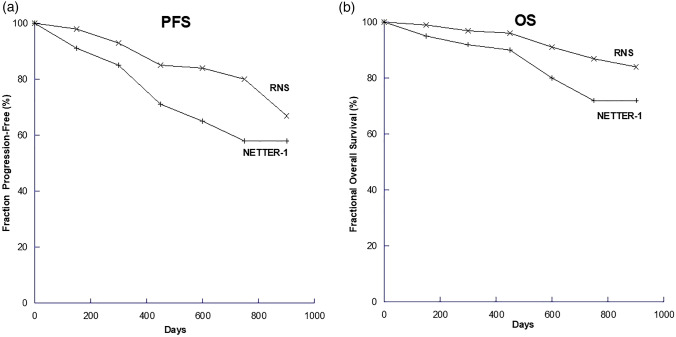
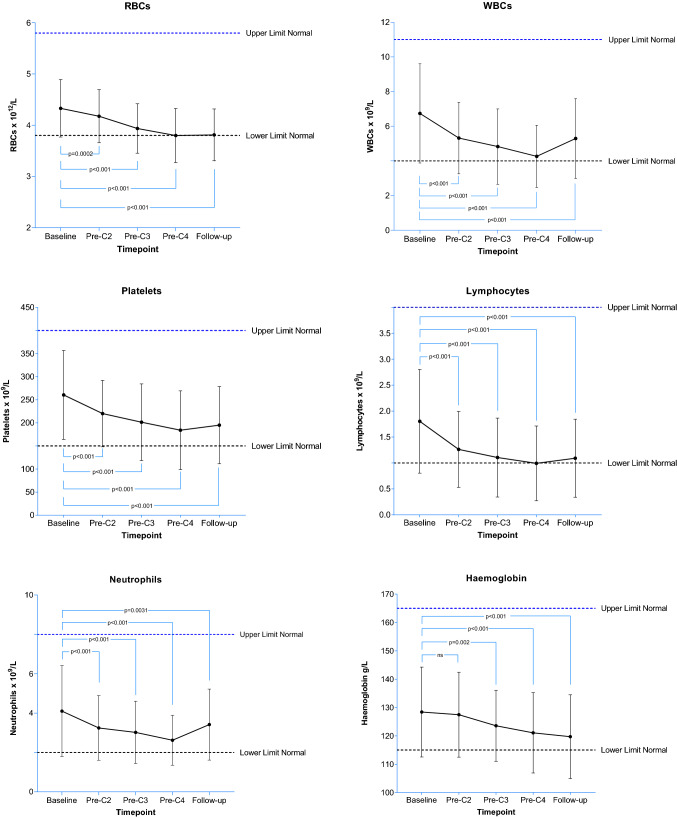
Results: In the first 5 years offering LUTATE, we treated 143 individuals with a variety of NETs of which approx. 70% were gastroentero-pancreatic in origin (small bowel: 42%, pancreas: 28%). Males and females were equally represented. Mean age at first treatment with LUTATE was 61 ± 13 years with range 28-87 years. The radiation dose to the organs considered most at risk, the kidneys, averaged 10.6 ± 4.0 Gy in total. Median overall survival (OS) from first receiving LUTATE was 72.5 months with a median progression-free survival (PFS) of 32.3 months. No evidence of renal toxicity was seen. The major long-term complication seen was myelodysplastic syndrome (MDS) with a 5% incidence.
Conclusions: LUTATE treatment for NETs is a safe and effective treatment. Our approach relies heavily on functional and morphological imaging informing the multidisciplinary team of NET specialists to guide appropriate therapy, which we suggest has contributed to the favourable outcomes seen.
Keywords: Multidisciplinary Team (MDT); NETs; Neuroendocrine; PET; Peptide Receptor Radionuclide Therapy (PRRT).
© 2023. The Author(s).
Conflict of interest statement
The authors declare no potential conflicts of interest.
Figures

References
-
- Aaronson NK, Ahmedzai S, Bergman B, Bullinger M, Cull A, Duez NJ, Filiberti A, Flechtner H, Fleishman SB, de Haes JC et al (1993) The European Organization for Research and Treatment of Cancer QLQ-C30: a quality-of-life instrument for use in international clinical trials in oncology. J Natl Cancer Inst 85(5):365–376 - DOI - PubMed
-
- ACI-NSW (2015) NSW Lutate Therapy Referral and Protocol for Neuroendocrine Cancer Patients. A. o. C. Innovation. Sydney, NSW, NSW Ministry of Health & Cancer Institute NSW
MeSH terms
Substances
Grants and funding
LinkOut - more resources
Full Text Sources
Research Materials
Miscellaneous
