


Drug target therapy and emerging clinical relevance of exosomes in meningeal tumors
- PMID: 37016182
- PMCID: PMC10072821
- DOI: 10.1007/s11010-023-04715-1
Drug target therapy and emerging clinical relevance of exosomes in meningeal tumors
Abstract
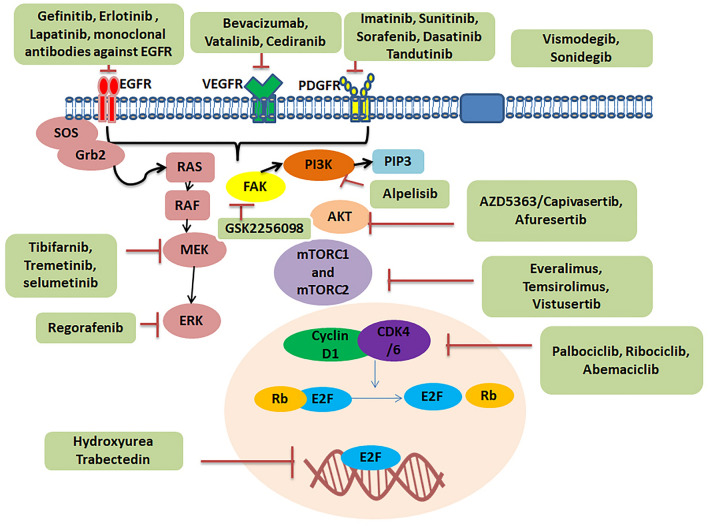
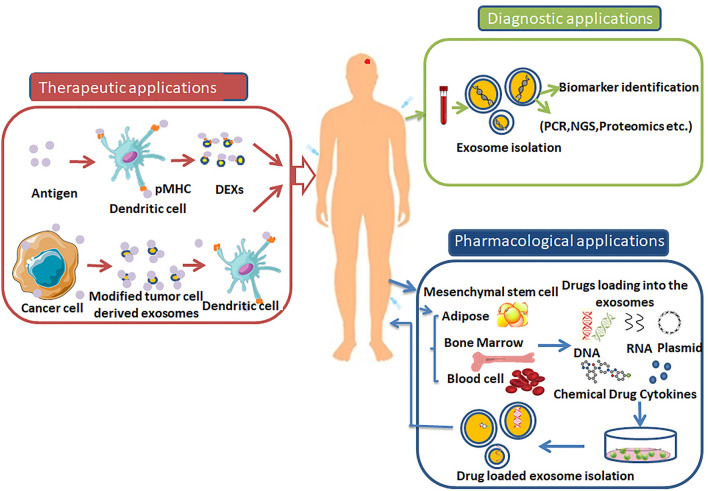
Meningioma is the most common central nervous system (CNS) tumor. In recent decades, several efforts have been made to eradicate this disease. Surgery and radiotherapy remain the standard treatment options for these tumors. Drug therapy comes to play its role when both surgery and radiotherapy fail to treat the tumor. This mostly happens when the tumors are close to vital brain structures and are nonbenign. Although a wide variety of chemotherapeutic drugs and molecular targeted drugs such as tyrosine kinase inhibitors, alkylating agents, endocrine drugs, interferon, and targeted molecular pathway inhibitors have been studied, the roles of numerous drugs remain unexplored. Recent interest is growing toward studying and engineering exosomes for the treatment of different types of cancer including meningioma. The latest studies have shown the involvement of exosomes in the theragnostic of various cancers such as the lung and pancreas in the form of biomarkers, drug delivery vehicles, and vaccines. Proper attention to this new emerging technology can be a boon in finding the consistent treatment of meningioma.
Keywords: Exosome drug delivery system; Exosome-based targeted therapy; Exosome-based vaccines; Meningioma; Targeted therapy; Therapeutic drugs.
© 2023. The Author(s), under exclusive licence to Springer Science+Business Media, LLC, part of Springer Nature.
Conflict of interest statement
The author(s) confirm that this article content has no conflicts of interest.
Figures
References
-
- Ostrom QT, Gittleman H, Fulop J, Liu M, Blanda R, Kromer C, Wolinsky Y, Kruchko C, Barnholtz-Sloan JS. CBTRUS statistical report: primary brain and central nervous system tumors diagnosed in the United States in 2008–2012. Neuro Oncol. 2015;17:iv1–iv62. doi: 10.1093/neuonc/nov189. - DOI - PMC - PubMed
-
- Ostrom QT, Gittleman H, De Blank PM, Finlay JL, Gurney JG, McKean-Cowdin R, Stearns DS, Wolff JE, Liu M, Wolinsky Y, Kruchko C. American brain tumor association adolescent and young adult primary brain and central nervous system tumors diagnosed in the United States in 2008–2012. Neuro Oncol. 2016;18:i1–50. doi: 10.1093/neuonc/nov297. - DOI - PMC - PubMed
Publication types
MeSH terms
LinkOut - more resources
Full Text Sources
