


Isha yoga practices, vegan diet, and participation in Samyama meditation retreat: impact on the gut microbiome & metabolome - a non-randomized trial
- PMID: 37020274
- PMCID: PMC10074366
- DOI: 10.1186/s12906-023-03935-8
Isha yoga practices, vegan diet, and participation in Samyama meditation retreat: impact on the gut microbiome & metabolome - a non-randomized trial
Abstract
Background: Growing evidence suggests a role for gut bacteria and their metabolites in host-signaling responses along the gut-brain axis which may impact mental health. Meditation is increasingly utilized to combat stress, anxiety, and depression symptoms. However, its impact on the microbiome remains unclear. This study observes the effects of preparation and participation in an advanced meditation program (Samyama) implemented with a vegan diet including 50% raw foods, on gut microbiome and metabolites profiles.
Methods: There were 288 subjects for this study. Stool samples were collected at 3-time points for meditators and household controls. Meditators prepared for 2 months for the Samyama, incorporating daily yoga and meditation practices with a vegan diet including 50% raw foods. Subjects were requested to submit stool samples for 3 time points - 2 months before Samyama (T1), right before Samyama (T2), and 3 months following Samyama (T3). 16 s rRNA sequencing was used to study participants' microbiome. Alpha and beta diversities along with short-chain fatty acid (SCFA) were assessed. Metabolomics were performed on a mass spectrometer coupled to a UHLPC system and analyzed by El-MAVEN software.
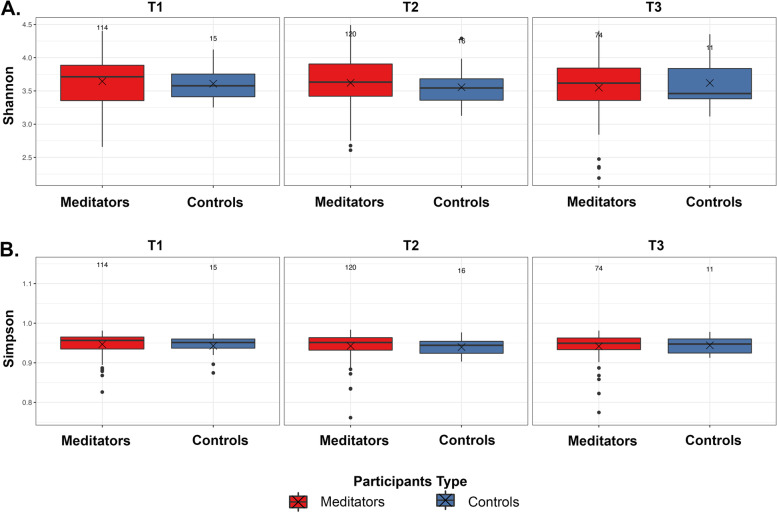
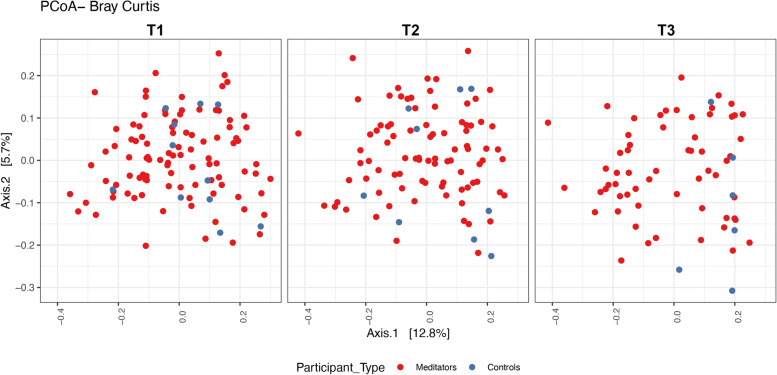
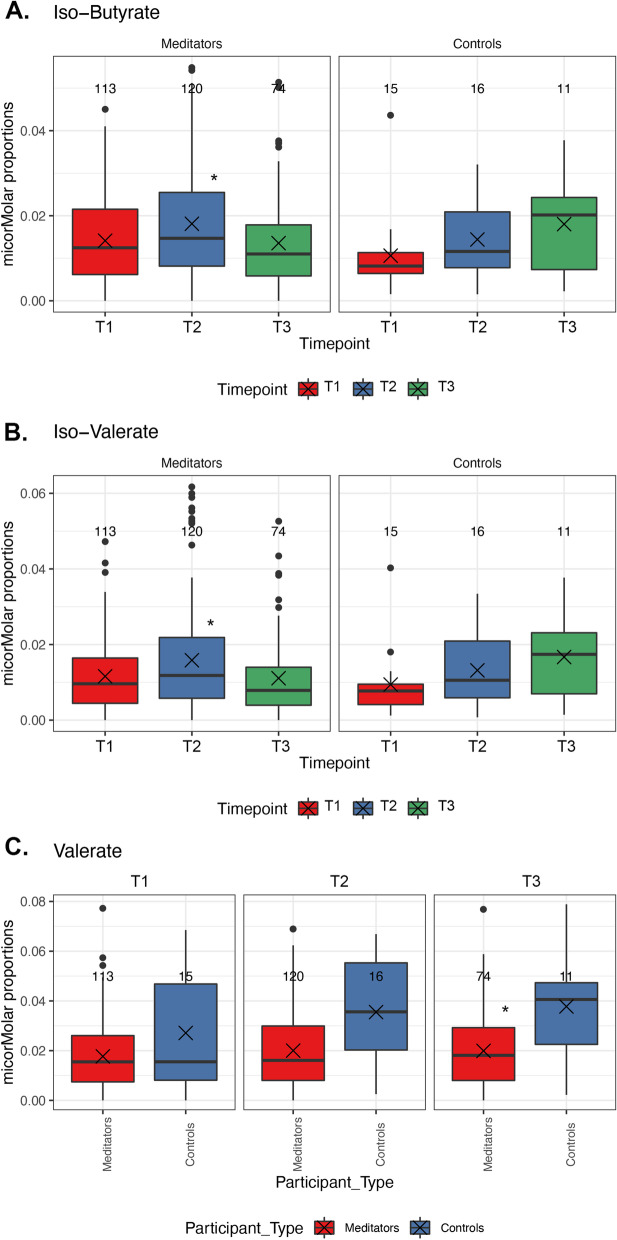
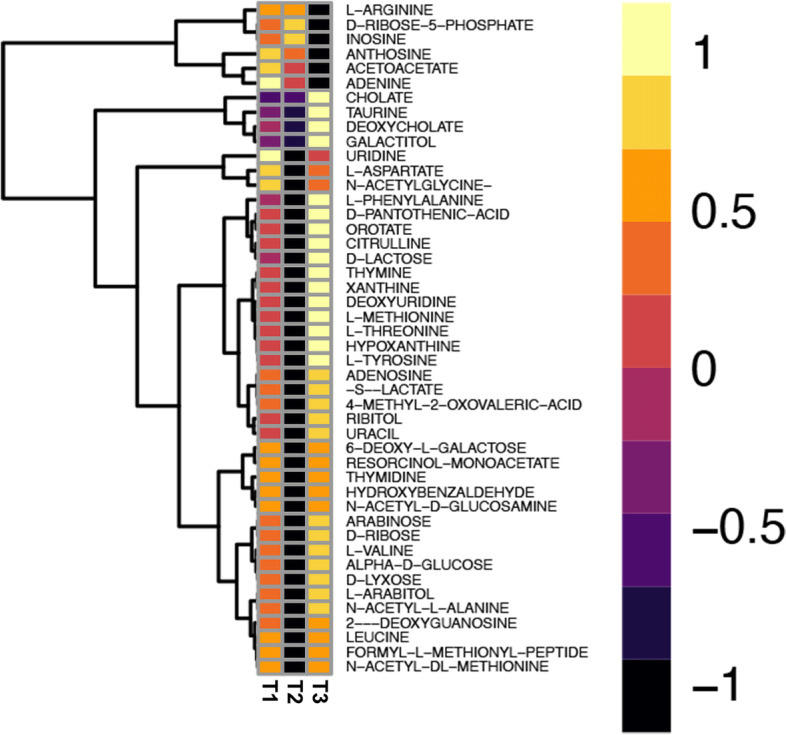
Results: Alpha diversity showed no significant differences between meditators and controls, while beta diversity showed significant changes (padj = 0.001) after Samyama in meditators' microbiota composition. After the preparation phase, changes in branched short-chain fatty acids, higher levels of iso-valerate (padj = 0.02) and iso-buytrate (padj = 0.019) were observed at T2 in meditators. Other metabolites were also observed to have changed in meditators at timepoint T2.
Conclusion: This study examined the impact of an advanced meditation program combined with a vegan diet on the gut microbiome. There was an increase in beneficial bacteria even three months after the completion of the Samyama program. Further study is warranted to validate current observations and investigate the significance and mechanisms of action related to diet, meditation, and microbial composition and function, on psychological processes, including mood.
Trial registration: Registration number: NCT04366544 ; Registered on 29/04/2020.
Keywords: Brain-gut axis; Meditation; Microbiome; Vegan diet; Yoga.
© 2023. The Author(s).
Conflict of interest statement
The authors declare no competing interests.
Figures


References
Publication types
MeSH terms
Associated data
LinkOut - more resources
Full Text Sources
Medical
