


Cancer-related hypercalcemia and potential treatments
- PMID: 37033238
- PMCID: PMC10073684
- DOI: 10.3389/fendo.2023.1039490
Cancer-related hypercalcemia and potential treatments
Abstract
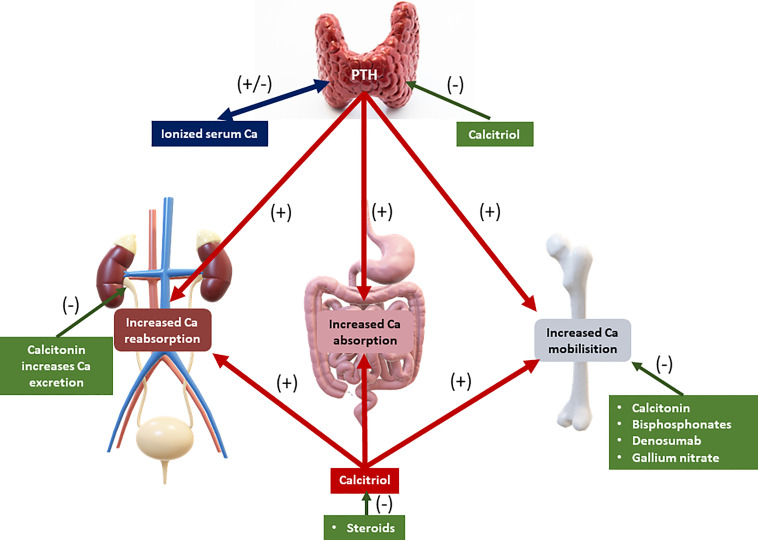
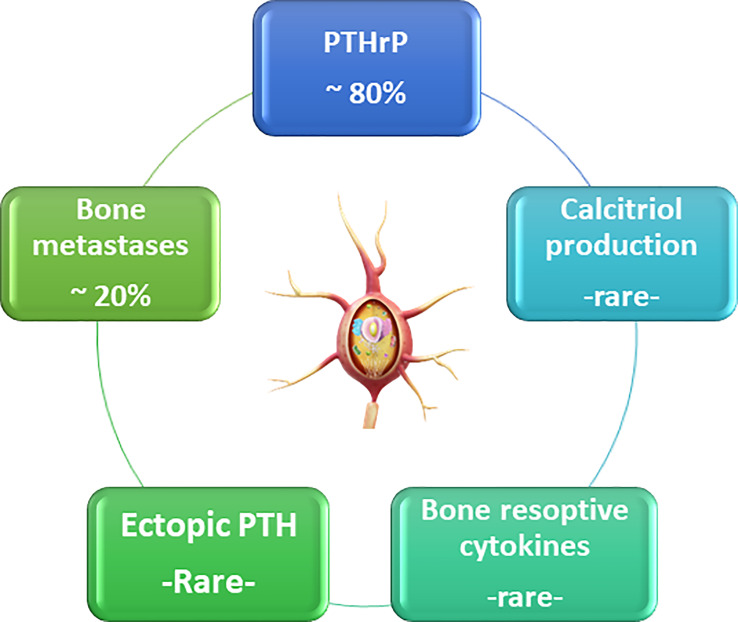
Cancer-related hypercalcemia is a common finding typically seen in patients with advanced cancer and occurs in about 20 to 30 percent of cases. The most common cause of hypercalcemia in hospitalized patients is hypercalcemia due to malignancy.This clinical problem is seen in patients with both solid tumors and patients with hematologic malignancies. Hypercalcemia is associated with a poor prognosis in oncology patients. This pathologic condition can occur due to many different mechanisms but is usually caused by abnormal calcium use resulting from bone resorption, intestinal absorption, or renal excretion. Hypercalcemia may present with a wide range of symptoms ranging from gastrointestinal system symptoms to neurologic symptoms. Timely diagnosis and initiation of treatment by the physician significantly reduce the risk of complications. Treatment aims to decrease serum calcium by increasing calciuresis, decreasing bone resorption, and decreasing intestinal calcium absorption. The mainstays of treatment are IV hydration, bisphosphonates and calcitonin, denosumab, and in some patients, prednisone, and cinacalcet. Patients with underlying advanced kidney disease and refractory severe hypercalcemia should be evaluated for hemodialysis. Every physician dealing with oncology patients should know the fastest and most effective management of hypercalcemia. We aimed to contribute in this sense.
Keywords: cancer; hypercalcaemia; maligancy; therapy; treatment.
Copyright © 2023 Almuradova and Cicin.
Conflict of interest statement
The authors declare that the research was conducted in the absence of any commercial or financial relationships that could be construed as a potential conflict of interest.
Figures
References
Publication types
MeSH terms
Substances
LinkOut - more resources
Full Text Sources
Medical
