[Preprint]. 2023 Mar 29:2023.03.28.534594.
doi: 10.1101/2023.03.28.534594.

Terpenes from Cannabis sativa Induce Antinociception in Mouse Chronic Neuropathic Pain via Activation of Spinal Cord Adenosine A2A Receptors

Affiliations

Terpenes from Cannabis sativa Induce Antinociception in Mouse Chronic Neuropathic Pain via Activation of Spinal Cord Adenosine A2A Receptors

Abigail M Schwarz et al. bioRxiv. .

Update in

Abstract

Terpenes are small hydrocarbon compounds that impart aroma and taste to many plants, including Cannabis sativa. A number of studies have shown that terpenes can produce pain relief in various pain states in both humans and animals. However, these studies were methodologically limited and few established mechanisms of action. In our previous work, we showed that the terpenes geraniol, linalool, β-pinene, α-humulene, and β-caryophyllene produced cannabimimetic behavioral effects via multiple receptor targets. We thus expanded this work to explore the efficacy and mechanism of these Cannabis terpenes in relieving chronic pain. We first tested for antinociceptive efficacy by injecting terpenes (200 mg/kg, IP) into male and female CD-1 mice with chemotherapy-induced peripheral neuropathy (CIPN) or lipopolysaccharide-induced inflammatory pain, finding that the terpenes produced roughly equal efficacy to 10 mg/kg morphine or 3.2 mg/kg WIN55,212. We further found that none of the terpenes produced reward as measured by conditioned place preference, while low doses of terpene (100 mg/kg) combined with morphine (3.2 mg/kg) produced enhanced antinociception vs. either alone. We then used the adenosine A2A receptor (A2AR) selective antagonist istradefylline (3.2 mg/kg, IP) and spinal cord-specific CRISPR knockdown of the A2AR to identify this receptor as the mechanism for terpene antinociception in CIPN. In vitro cAMP and binding studies and in silico modeling studies further suggested that the terpenes act as A2AR agonists. Together these studies identify Cannabis terpenes as potential therapeutics for chronic neuropathic pain, and identify a receptor mechanism in the spinal cord for this activity.

Keywords: Adenosine A2A Receptor; Analgesia; Cannabis; Neuropathic Pain; Terpenes.


Figures
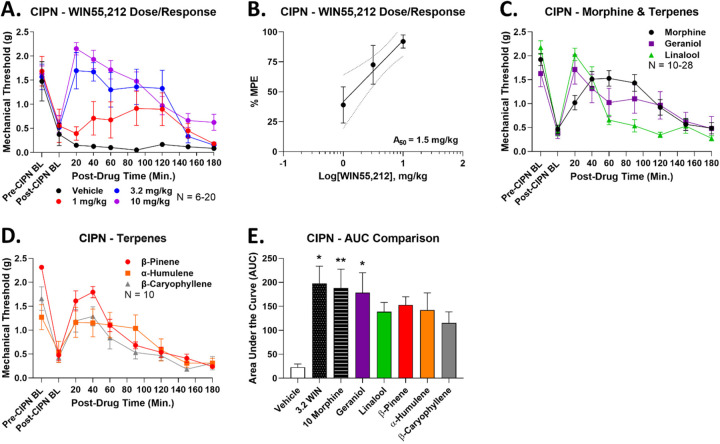
Figure 1:
Figure 1:. Terpenes are efficacious in relieving neuropathic pain.
Male and female CD-1 mice had CIPN induced and measured as described in the Methods. Data shown is the mean ± SEM, performed in 2–6 technical replicates for each experiment, with sample sizes noted in each graph. BL = baseline. A) WIN55,212 or vehicle injected (1–10 mg/kg, IP). Each dose had a vehicle comparison performed at the same time, which are all combined here. B) The data from A was normalized to %Maximum Possible Effect (%MPE) and used to construct a dose/response curve. Linear regression revealed an A50 = 1.5 mg/kg for WIN55,212 in CIPN. The dotted lines are the 95% confidence intervals for the regression. C-D) Each terpene (200 mg/kg, IP) or morphine comparison (10 mg/kg, SC) was injected. Each experiment had a morphine comparison, which are all combined here. E) The AUC for each terpene along with vehicle, morphine, and 3.2 mg/kg WIN55,212 controls are shown here. *, ** = p < 0.05, 0.01 vs. vehicle control by 1 Way ANOVA with Fisher’s Least Significant Difference post hoc test.
Figure 2:
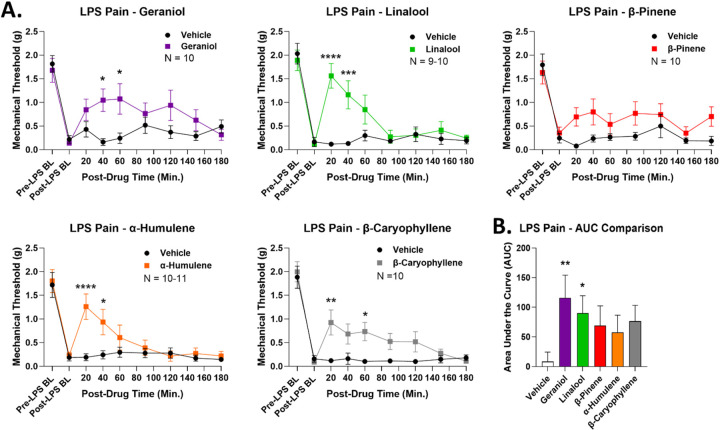
Figure 2:. Terpenes are efficacious in relieving acute inflammatory pain.
Male and female CD-1 mice had inflammatory pain induced by LPS and measured as described in the Methods. Data shown is the mean ± SEM, performed in 2 technical replicates for each experiment, with sample sizes noted in each graph. BL = baseline. A) Terpene (200 mg/kg, IP) injected as noted along with vehicle control. *, **, ***. **** = p < 0.05, 0.01, 0.001, 0.0001 vs. same time point vehicle group by RM 2 Way ANOVA with Sidak’s post hoc test. B) AUC values calculated for each terpene and vehicle control, shown here. All vehicle results were combined into the group shown. *, ** = p < 0.05, 0.01 vs. vehicle group by 1 Way ANOVA with Fisher’s Least Significant Difference post hoc test.
Figure 3:
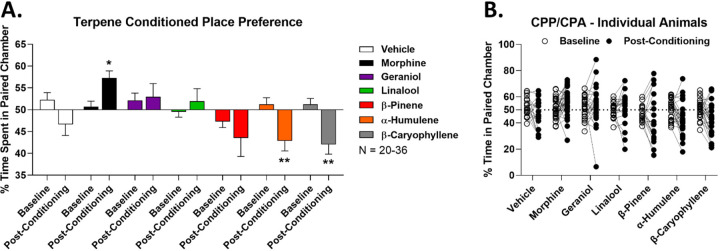
Figure 3:. Terpenes lack reward liability as measured by conditioned place preference.
Male and female CD-1 mice had vehicle, morphine (10 mg/kg, SC), or terpene (200 mg/kg, IP) injected over a 4 day conditioning trial (see Methods), with preference measurement on day 5. Data shown represents the mean ± SEM of the % time spent in paired chamber over 3–5 technical replicates per group, with sample sizes noted in the legend. Values over 50% represent preference while values under 50% represent aversion. A) Summary data shown for each group. *, ** = p < 0.05, 0.01 vs. the baseline for each group by RM 2 Way ANOVA with Sidak’s post hoc test. Morphine shows a positive preference (reward), validating the assay. B) The baseline and post-conditioning trajectories for each mouse in each group are shown.
Figure 4:
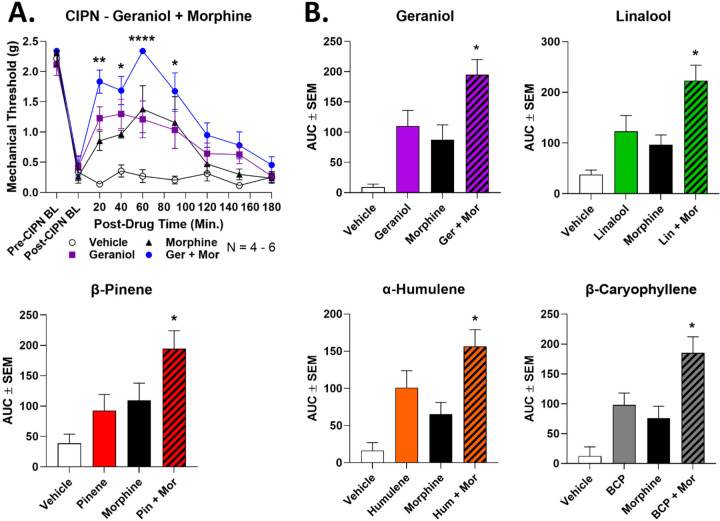
Figure 4:. Terpenes enhance morphine pain relief in CIPN.
Male and female CD-1 mice had CIPN induced and measured as described in the Methods. Data shown is the mean ± SEM, performed in 2–3 technical replicates for each experiment, with sample sizes noted in each graph. BL = baseline. Vehicle, morphine (3.2 mg/kg, SC), terpene (100 mg/kg, IP) or both combined were injected, with mechanical allodynia measured. A) The time course data for geraniol is shown as an example; the curves for the other terpenes are all shown in Figure S1. *, **, **** = p < 0.05, 0.01, 0.0001 vs. same time point morphine or terpene group by RM 2 Way ANOVA with Dunnett’s post hoc test. B) The AUC data from A was calculated and is shown here. * = p < 0.05 vs. terpene or morphine group by 1 Way ANOVA with Tukey’s post hoc test.
Figure 5:
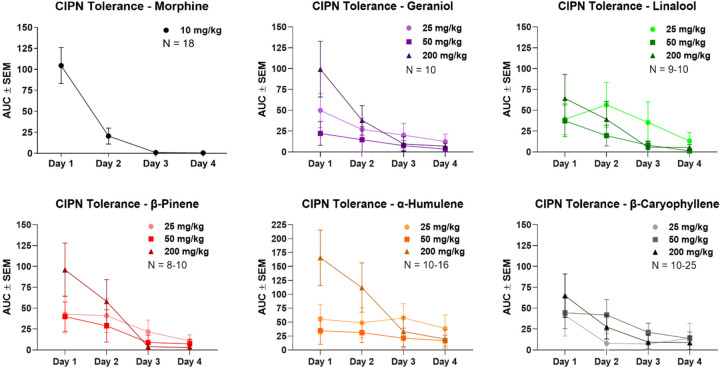
Figure 5:. Terpenes produce similar antinociceptive tolerance to morphine in CIPN.
Male and female CD-1 mice had CIPN induced as in the Methods, with morphine (10 mg/kg, SC) or terpene (25–200 mg/kg, IP) injection twice daily over a 4-day protocol, with daily mechanical allodynia measurement after the morning injection. Data shown is the mean ± SEM, performed in 2–5 technical replicates for each experiment, with sample sizes noted in each graph. The data shown here is the AUC calculated from each experimental set, with all raw data shown in Figures S4-S6. The morphine data is reproduced with permission from [21]. The 200 mg/kg dose of each terpene showed a roughly similar tolerance trajectory to 10 mg/kg morphine, with perhaps a less severe drop off on day 2. Lower doses of terpene had less initial efficacy, but also appear to have had slower tolerance development.
Figure 6:
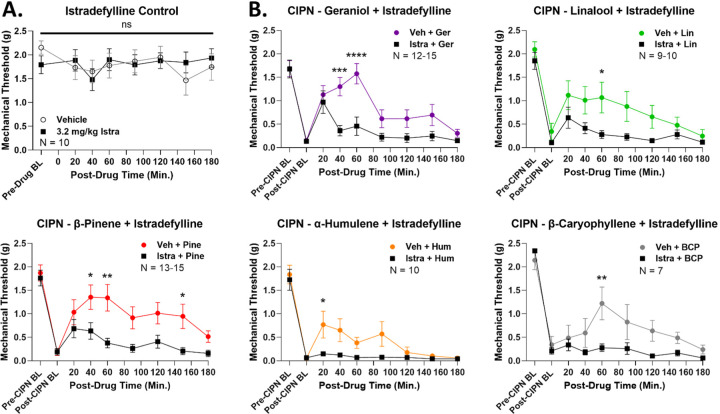
Figure 6:. Terpenes evoke antinociception in CIPN via the A2AR.
Male and female CD-1 mice had CIPN induced and measured as described in the Methods. Data shown is the mean ± SEM, performed in 2–3 technical replicates for each experiment, with sample sizes noted in each graph. BL = baseline. A) Naïve mice with no CIPN had vehicle or the A2AR antagonist istradefylline (3.2 mg/kg, IP) injected, followed by mechanical threshold measurements. Istradefylline had no impact on naïve mechanical thresholds, validating the dose. B) CIPN mice had vehicle or istradefylline (3.2 mg/kg, IP) injected, with a 10 min treatment time, followed by terpene (200 mg/kg, IP) as noted. *, **, ***, **** = p < 0.05, 0.01, 0.001, 0.0001 vs. same time point istradefylline/terpene group by RM 2 Way ANOVA with Sidak’s post hoc test. Istradefylline significantly reduced antinociception in CIPN by each terpene, implicating the A2AR as a mechanism of action.
Figure 7:
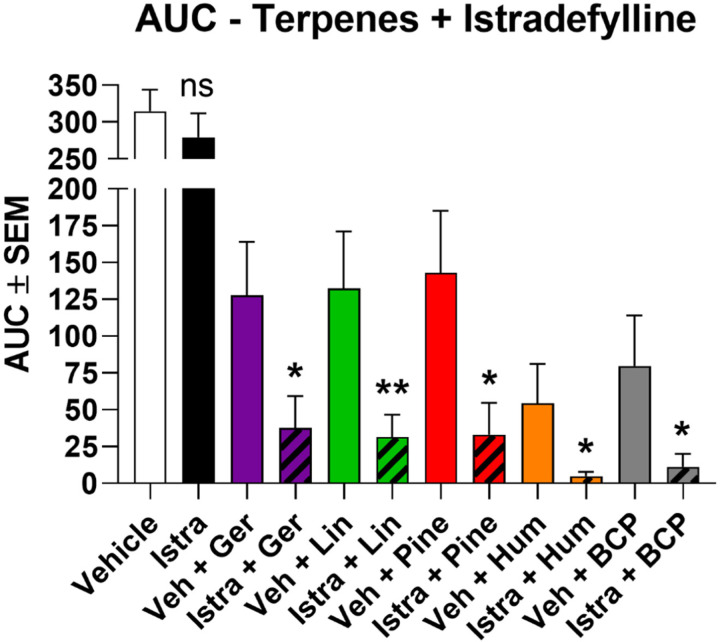
Figure 7:. AUC data for istradefylline/terpene treatment in CIPN.
The AUC was calculated from each pair of experiments in Figure 6 and shown here. *, ** = p < 0.05, 0.01 vs. paired vehicle/terpene group by Unpaired 1-Tailed t Test. The comparison is justified by the independent nature of each experiment along with the demonstrated reduction in antinociception with istradefylline treatment shown in Figure 6.
Figure 8:
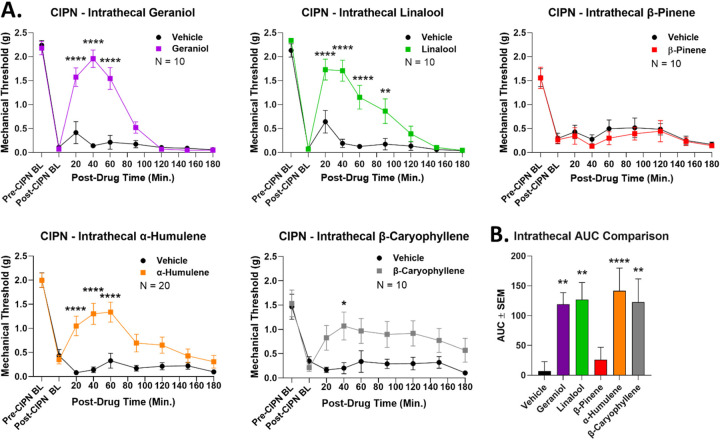
Figure 8:. Most terpenes evoke antinociception in CIPN via a spinal cord site of action.
Male and female CD-1 mice had CIPN induced and measured as described in the Methods. Data shown is the mean ± SEM, performed in 2–4 technical replicates for each experiment, with sample sizes noted in each graph. BL = baseline. A) Vehicle or terpene (100 nmol, IT) injected into the spinal cord in CIPN mice and mechanical allodynia measured. *, **, **** = p < 0.05, 0.01, 0.0001 vs. same time point vehicle group by RM 2 Way ANOVA with Sidak’s post hoc test. B) AUC values calculated from the data in A (all vehicle groups combined). **, **** = p < 0.01, 0.0001 vs. vehicle group by 1 Way ANOVA with Fisher’s Least Significant Difference post hoc test. All terpenes except β-pinene induce antinociception when injected into the spinal cord.
Figure 9:
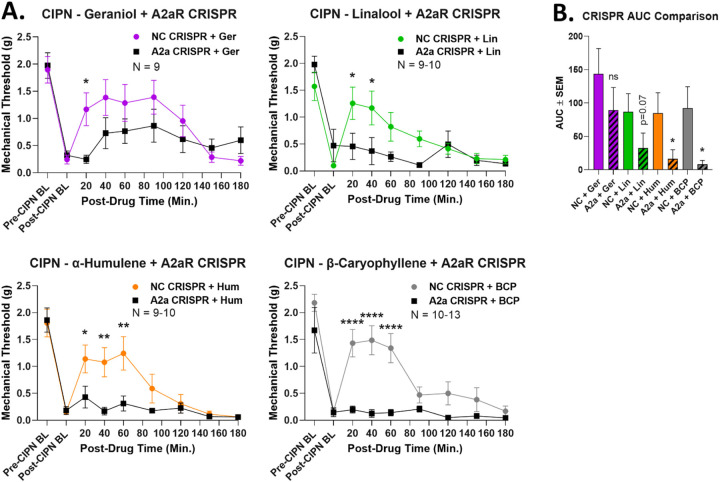
Figure 9:. Terpene mechanism confirmed by A2AR CRISPR knockdown in the spinal cord.
Male and female CD-1 mice had CIPN induced along with A2AR-targeted CRISPR or Negative Control (NC) CRISPR injections into the spinal cord so that day 8 of CIPN and day 10 of CRISPR coincided (see Methods). Data shown is the mean ± SEM, performed in 2–3 technical replicates for each experiment, with sample sizes noted in each graph. BL = baseline. Terpene injected (200 mg/kg, IP), with the exception of β-pinene due to lack of intrathecal response above, followed by mechanical allodynia measurement. A) Time course data shown. *, **, **** = p < 0.05, 0.01, 0.0001 vs. same time point A2AR-CRISPR group by RM 2 Way ANOVA with Sidak’s post hoc test. B) AUC data calculated from A and compared. * = p < 0.05 vs. same terpene NC group by Unpaired 1-Tailed t Test. The comparison is justified by the independent nature of each experiment along with the demonstrated reduction in antinociception with A2AR-CRISPR treatment shown in A.
Figure 10:
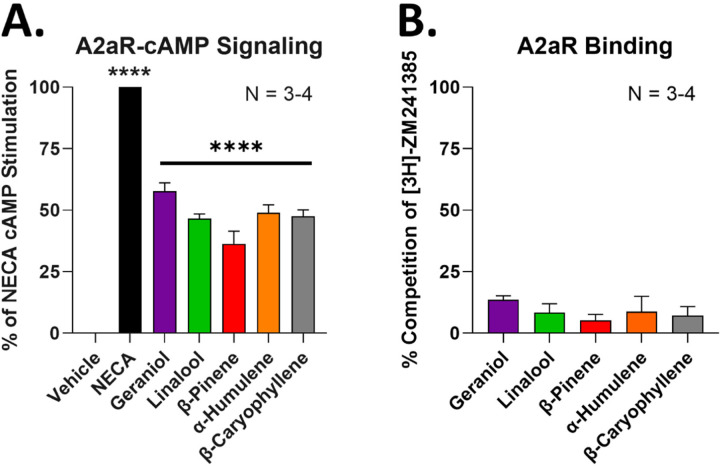
Figure 10:. Terpenes act as A2AR agonists in vitro.
A2AR-HEK cells used for each experiment. Data represented as the mean ± SEM, with the sample size of independent experiments shown in each graph. Experiments performed in 3–4 technical, independent replicates. A) Vehicle, terpenes (100 µM), and NECA positive control (10 µM) used to stimulate cAMP accumulation. Data normalized to the percent stimulation caused by vehicle (0%) and NECA (100%). **** = p < 0.0001 vs. vehicle group by 1 Way ANOVA with Dunnett’s post hoc test. B) Competition radioligand binding performed with terpene (300 µM) competing against the orthosteric A2AR ligand 3H-ZM241385. Data normalized to the percent competition caused by vehicle (0%) and saturating cold ligand (100%). Together the results suggest that terpenes act as A2AR partial agonists without competing against the orthosteric ligand ZM241385.
Figure 11:
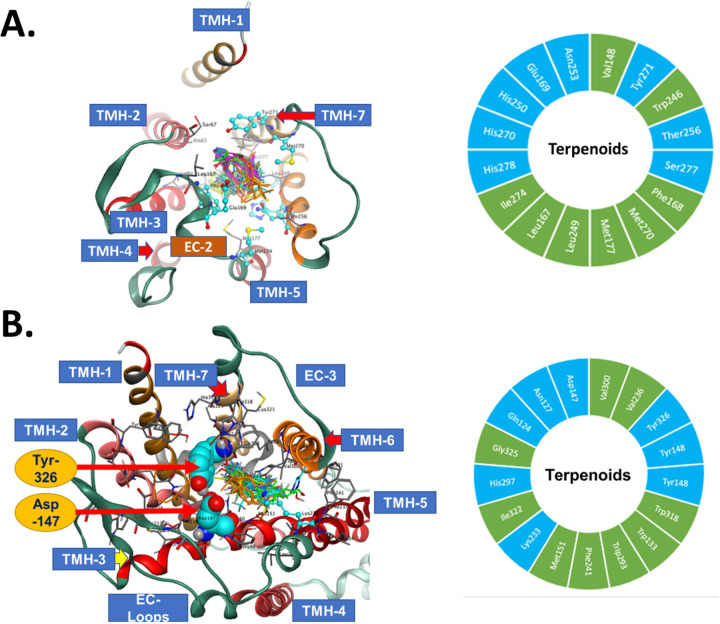
Figure 11:. Molecular modeling of terpene binding with the A2AR and the mu opioid receptor (MOR).
The 5 highest ranking poses of each terpene were docked to the A2AR and the MOR as described in the Methods. TMH = transmembrane helix; EC = extracellular domain. Docked illustrations are shown in the top-down view of the orthosteric binding pocket. A) Left – Docking poses of the terpenes in the A2AR binding pocket, along with noted interacting residues. Right – The 16 high confidence interacting residues for the terpenes are shown. Green = hydrophobic residues, Cyan = hydrophilic residues. B) Left – Docking poses of the terpenes in the MOR binding pocket, along with noted interacting residues. Tyr326 and Asp147 are particularly noted, since the terpenes lack key bonds with these residues, which may explain their lack of activity at the MOR. Right – The 17 high confidence interacting residues for the terpenes are shown. Green = hydrophobic residues, Cyan = hydrophilic residues.
Figure 12:
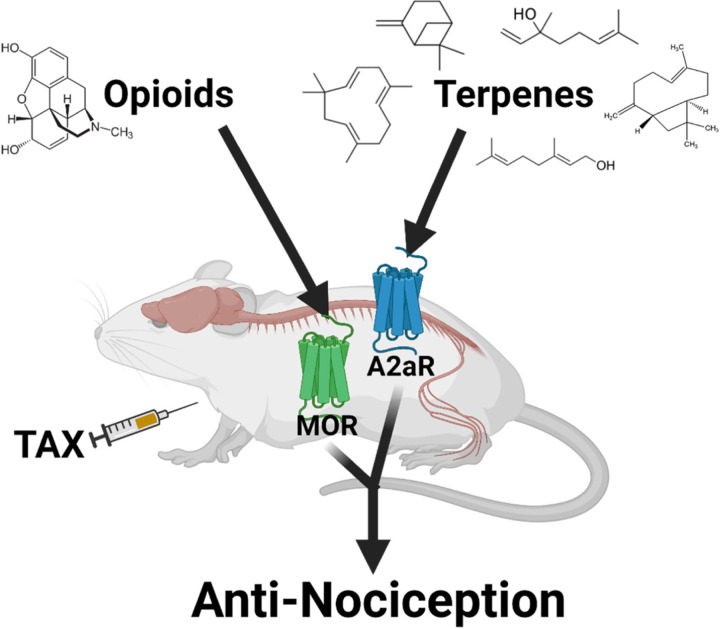
Figure 12:. Model of terpene antinociception in CIPN.
Under the condition of paclitaxel (TAX) treatment, terpene injection results in activation of the A2AR in the spinal cord, leading to antinociception. Separately, opioid injection can activate the MOR at an undefined site which enhances terpene pain relief.

References

    1. Yong R.J., Mullins P.M., and Bhattacharyya N., Prevalence of chronic pain among adults in the United States. Pain, 2022. 163(2): p. e328–e332. - PubMed
    1. Yang J., et al. , The Modified WHO Analgesic Ladder: Is It Appropriate for Chronic Non-Cancer Pain? J Pain Res, 2020. 13: p. 411–417. - PMC - PubMed
    1. Finnerup N.B., et al. , Pharmacotherapy for neuropathic pain in adults: a systematic review and meta-analysis. Lancet Neurol, 2015. 14(2): p. 162–73. - PMC - PubMed
    1. Derry S., et al. , Fentanyl for neuropathic pain in adults. Cochrane Database Syst Rev, 2016. 10: p. CD011605. - PMC - PubMed
    1. Grace P.M., et al. , Protraction of neuropathic pain by morphine is mediated by spinal damage associated molecular patterns (DAMPs) in male rats. Brain Behav Immun, 2017. - PMC - PubMed

Publication types