Identification and tracking of HTLV-1-infected T cell clones in virus-associated neurologic disease
- PMID: 37036006
- PMCID: PMC10132145
- DOI: 10.1172/jci.insight.167422
Identification and tracking of HTLV-1-infected T cell clones in virus-associated neurologic disease
Abstract
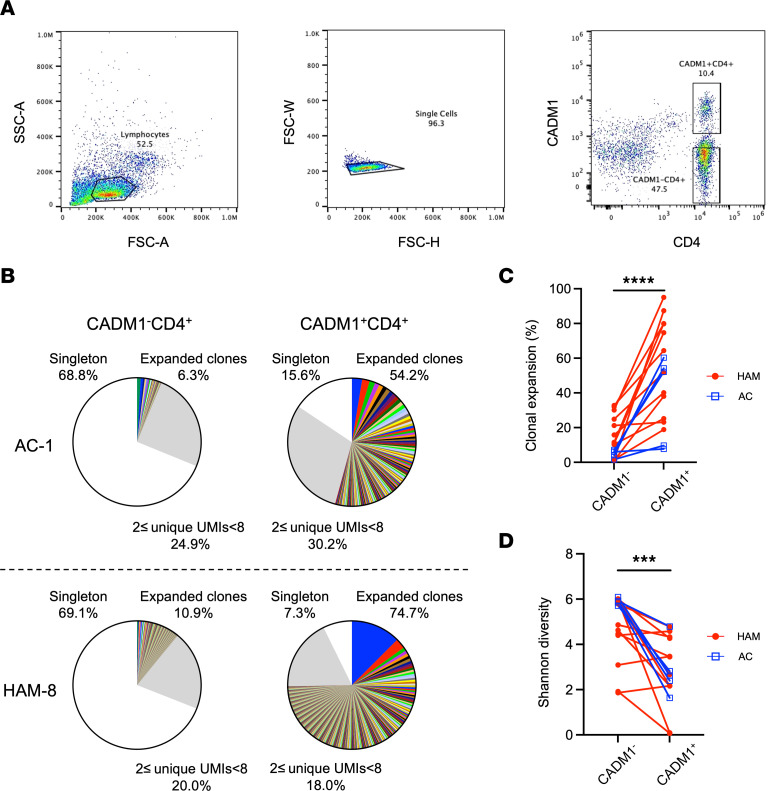
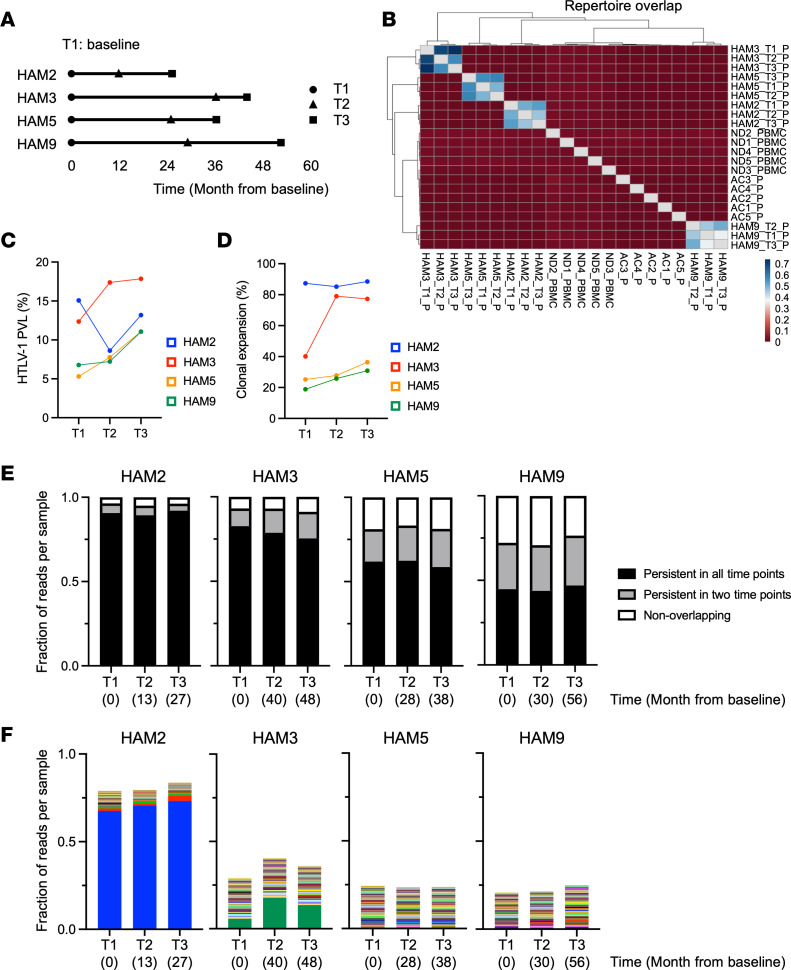
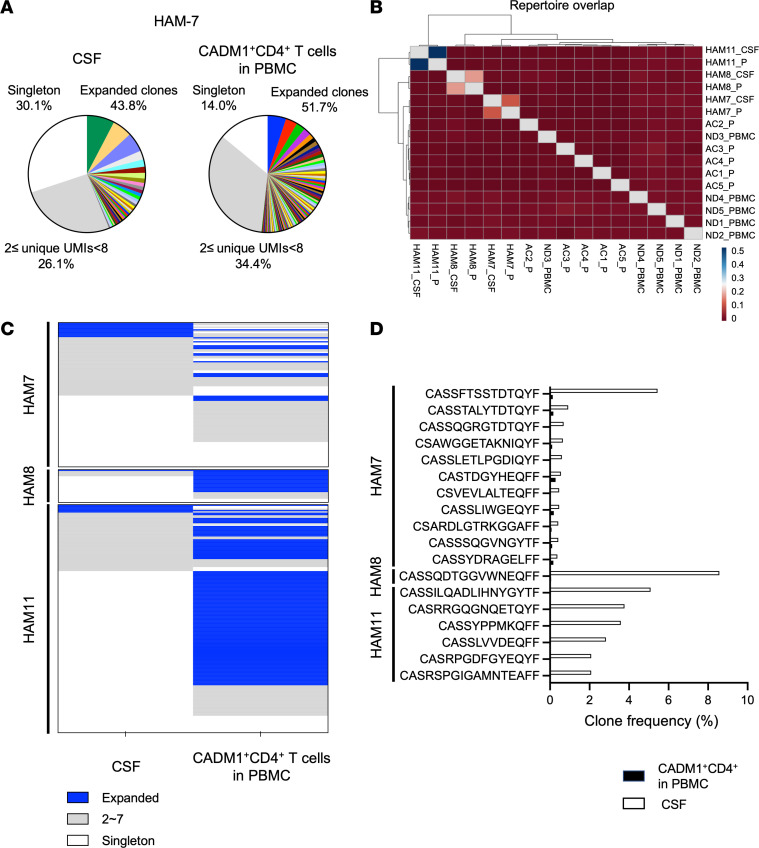
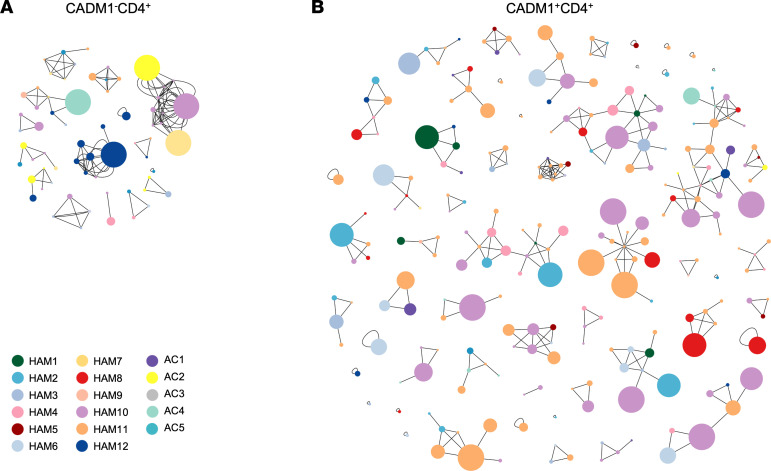
Human T lymphotropic virus type 1-assoicated (HTLV-1-associated) myelopathy/tropical spastic paraparesis (HAM/TSP) is a neuroinflammatory disease caused by the persistent proliferation of HTLV-1-infected T cells. Here, we performed a T cell receptor (TCR) repertoire analysis focused on HTLV-1-infected cells to identify and track the infected T cell clones that are preserved in patients with HAM/TSP and migrate to the CNS. TCRβ repertoire analysis revealed higher clonal expansion in HTLV-1-infected cells compared with noninfected cells from patients with HAM/TSP and asymptomatic carriers (ACs). TCR clonality in HTLV-1-infected cells was similar in patients with HAM/TSP and ACs. Longitudinal analysis showed that the TCR repertoire signature in HTLV-1-infected cells remained stable, and highly expanded infected clones were preserved within each patient with HAM/TSP over years. Expanded HTLV-1-infected clones revealed different distributions between cerebrospinal fluid (CSF) and peripheral blood and were enriched in the CSF of patients with HAM/TSP. Cluster analysis showed similarity in TCRβ sequences in HTLV-1-infected cells, suggesting that they proliferate after common antigen stimulation. Our results indicate that exploring TCR repertoires of HTLV-1-infected cells can elucidate individual clonal dynamics and identify potential pathogenic clones expanded in the CNS.
Keywords: Inflammation; Neurological disorders; T cell receptor; T cells; Virology.
Conflict of interest statement
Figures

References
Publication types
MeSH terms
Substances
LinkOut - more resources
Full Text Sources
Miscellaneous