


In Vitro Efficacy of Antimicrobial Photodynamic Therapy With Phycocyanin and Diode Laser for the Reduction of Porphyromonas gingivalis
- PMID: 37041798
- PMCID: PMC10082893
- DOI: 10.34172/jlms.2022.55
In Vitro Efficacy of Antimicrobial Photodynamic Therapy With Phycocyanin and Diode Laser for the Reduction of Porphyromonas gingivalis
Abstract
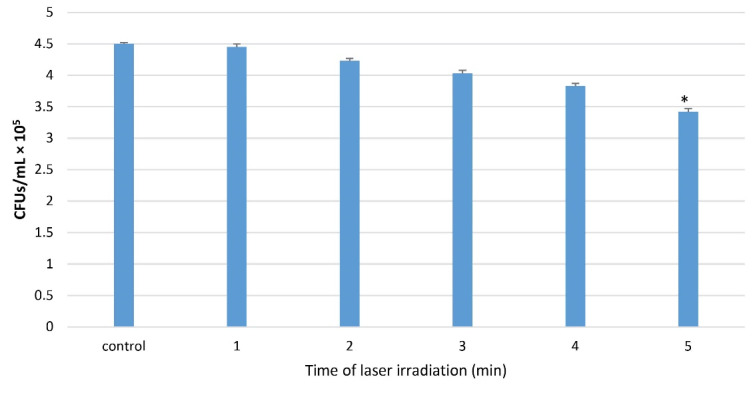
Introduction: Implant surface disinfection is the most difficult phases in treatment of peri-implantitis. This study sought to assess the efficacy of antimicrobial photodynamic therapy (aPDT) with phycocyanin and diode laser for the reduction of Porphyromonas gingivalis. Methods: In this in vitro, experimental study, first the minimum inhibitory concentration (MIC) of phycocyanin, the sub-lethal exposure time of the diode laser, and the sub-lethal dose of aPDT were determined. The wells containing P. gingivalis suspension were randomly divided into three experimental groups for exposure to ½ MIC phycocyanin for 5 minutes, minimum lethal dose of diode laser (635 nm, 4 minutes), and aPDT with phycocyanin and diode laser. The positive control group was exposed to 0.2% chlorhexidine (CHX) for 5 minutes, and the negative control group received no treatment. The colony count was calculated in the five groups and compared using one-way ANOVA and t test. Results: aPDT with a diode laser (635 nm, 4 minutes) and 125 µg/mL phycocyanin caused a significantly greater reduction in P. gingivalis count (mean reduction of 44.24%) compared with other groups (P<0.0001). Minimum and maximum colony counts were noted in 0.2% CHX and negative control groups respectively. The reduction in the colony count was significant in all experimental groups, compared with the control group (P<0.0001). Conclusion: aPDT with 635-nm diode laser and phycocyanin can significantly decrease P. gingivalis count in vitro. Considering the conservative nature of this modality, it may be used for the decontamination of peri-implant.
Keywords: Antimicrobial photodynamic therapy; Decontamination; Diode laser; Phycocyanin; Porphyromonas gingivalis.
Copyright © 2022 J Lasers Med Sci.
Conflict of interest statement
The authors declare that they have no competing interests.


References
-
- Becker W, Becker BE, Newman MG, Nyman S. Clinical and microbiologic findings that may contribute to dental implant failure. Int J Oral Maxillofac Implants. 1990;5(1):31–8. - PubMed
LinkOut - more resources
Full Text Sources