


Application of Cell Painting for chemical hazard evaluation in support of screening-level chemical assessments
- PMID: 37044265
- PMCID: PMC11917499
- DOI: 10.1016/j.taap.2023.116513
Application of Cell Painting for chemical hazard evaluation in support of screening-level chemical assessments
Abstract
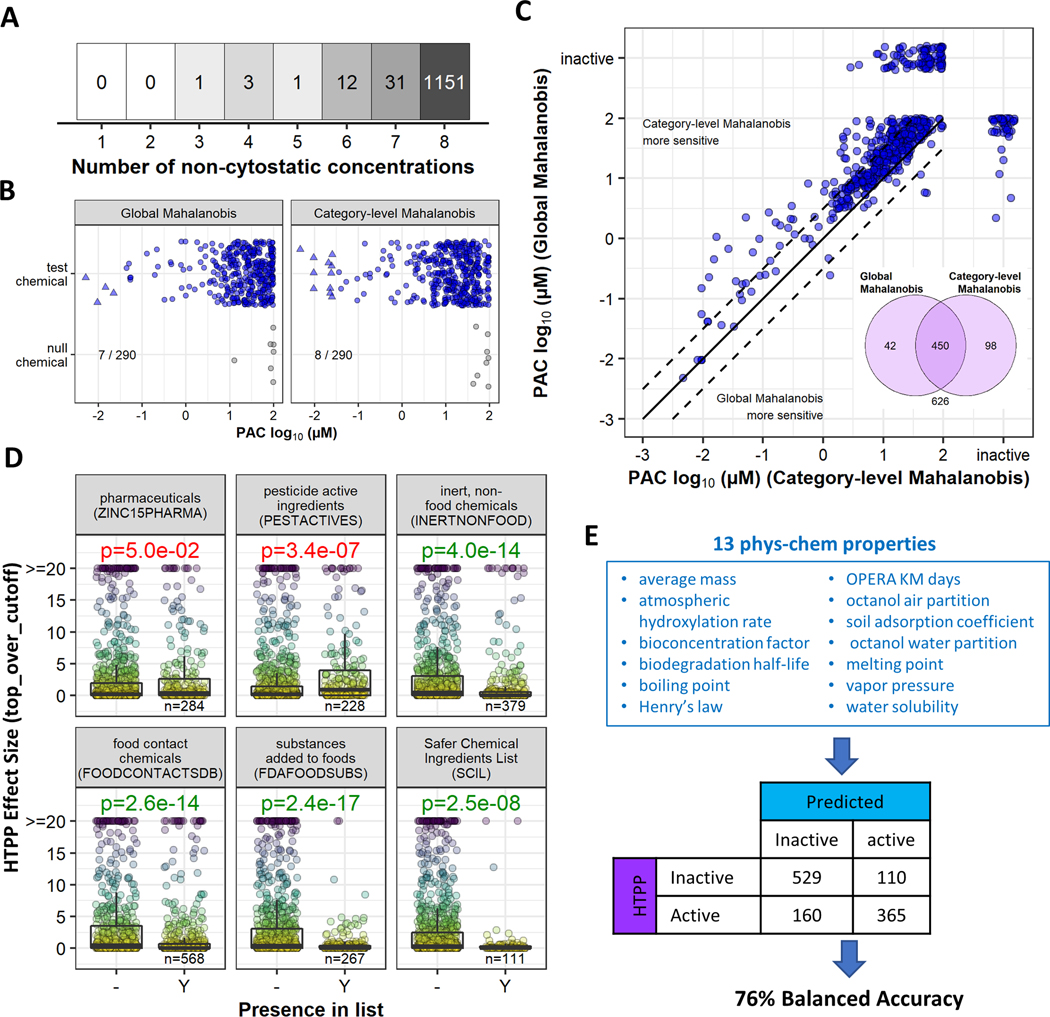
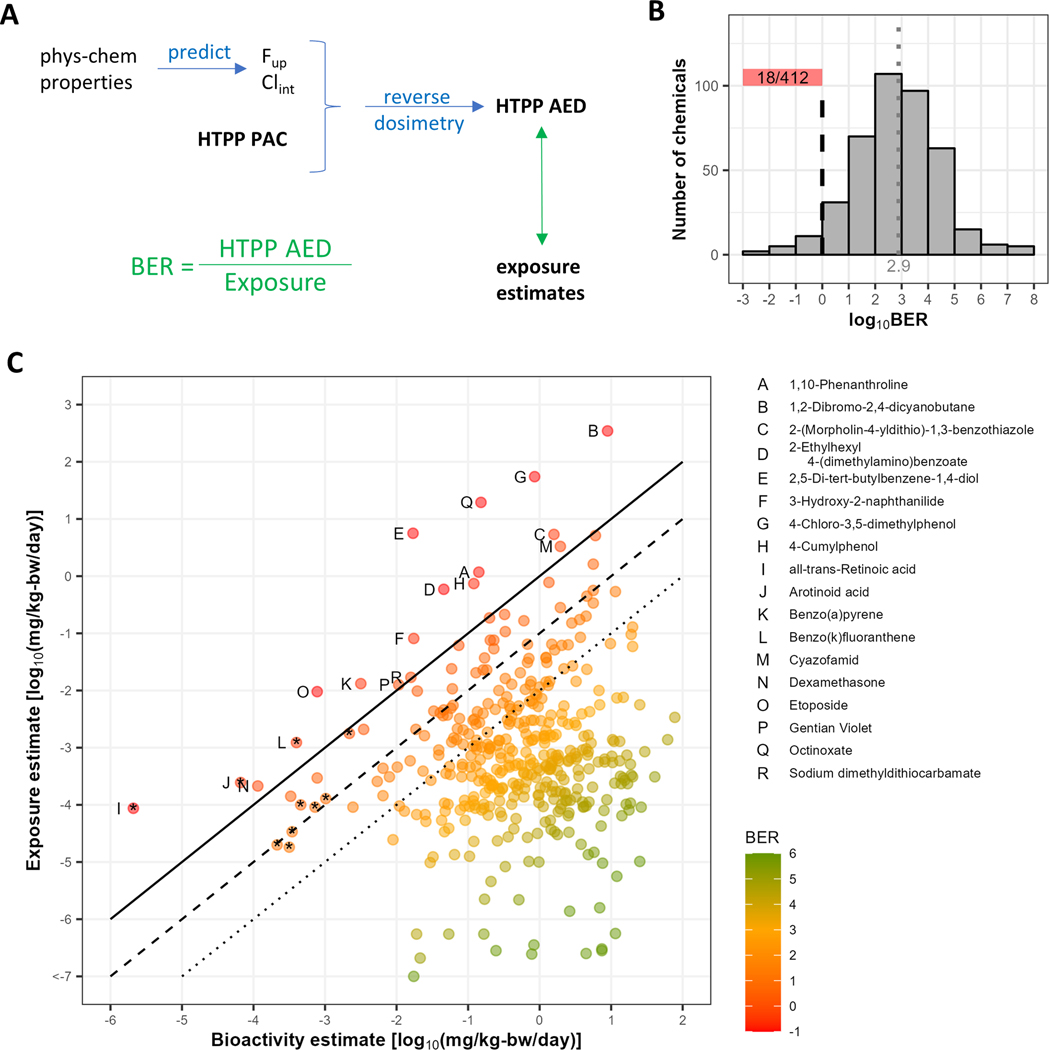
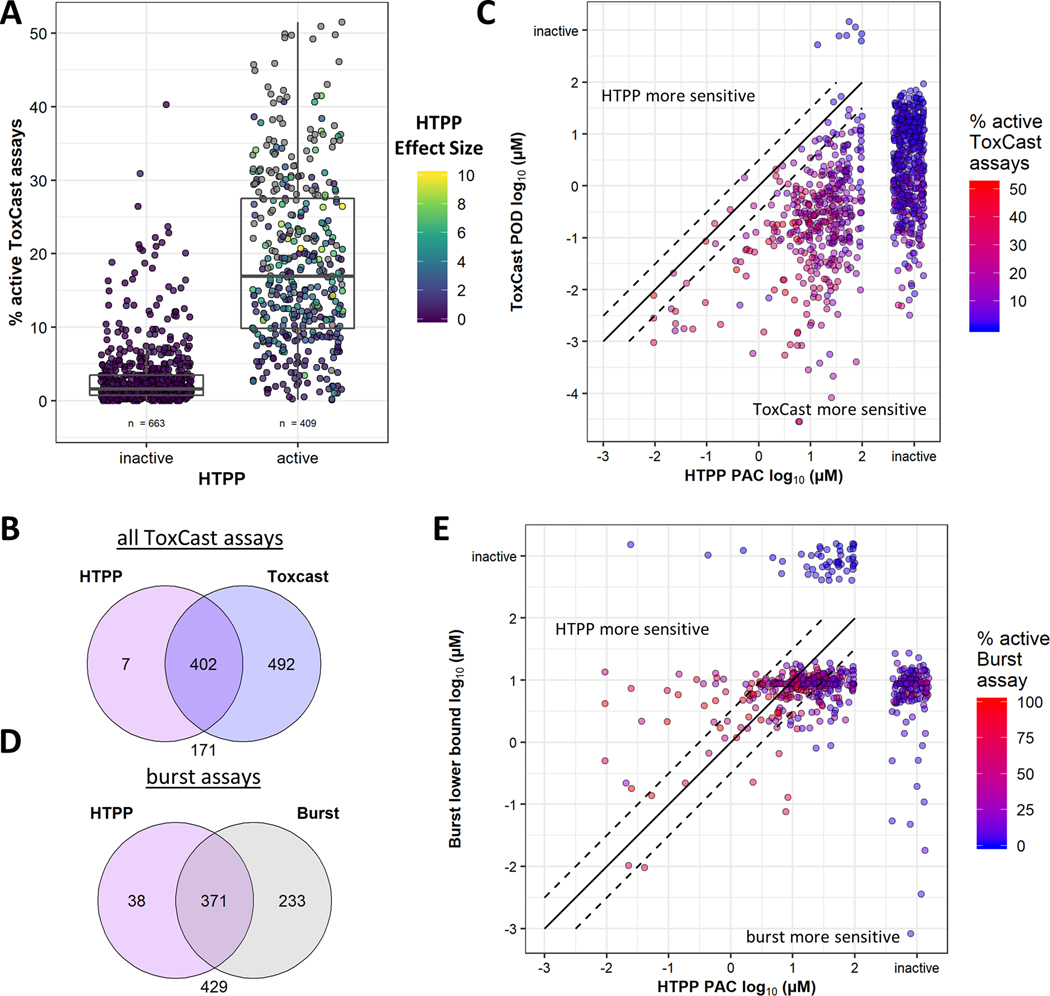
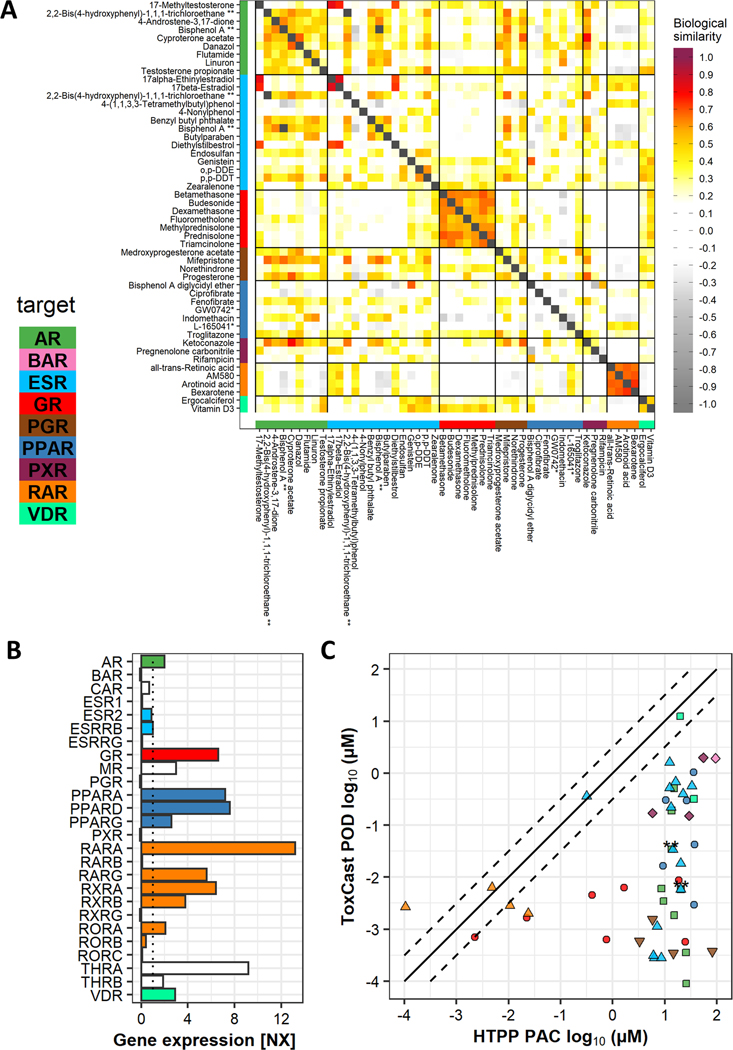
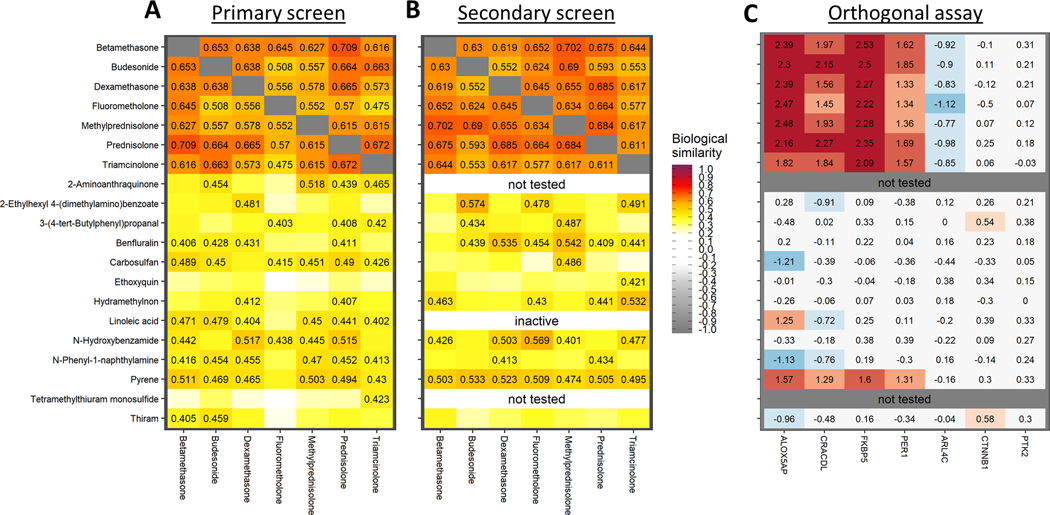
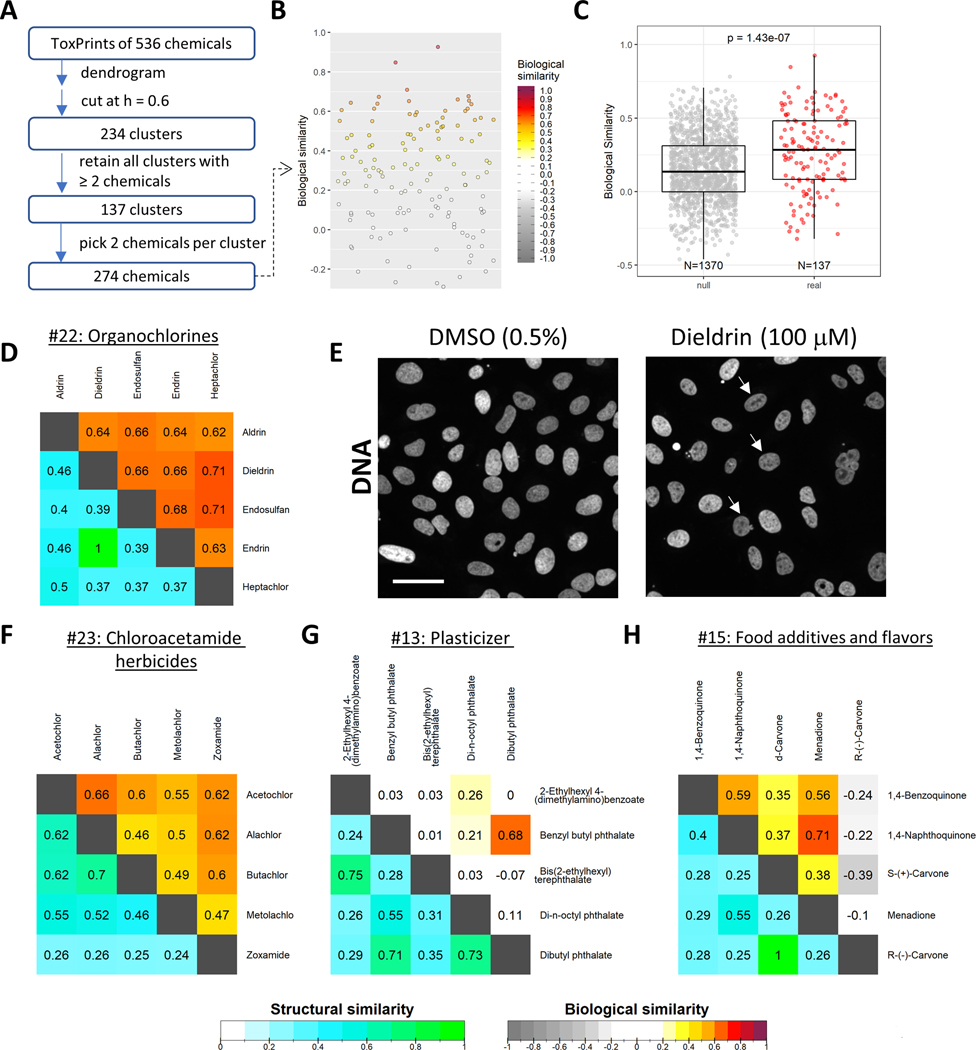
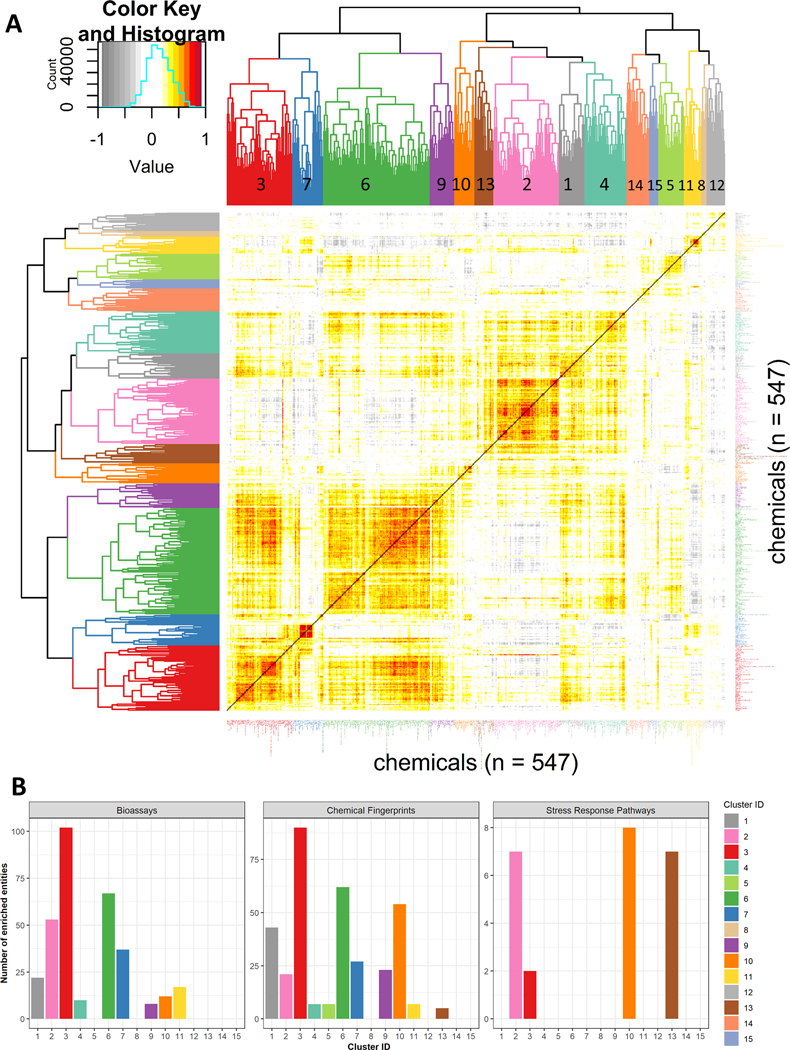
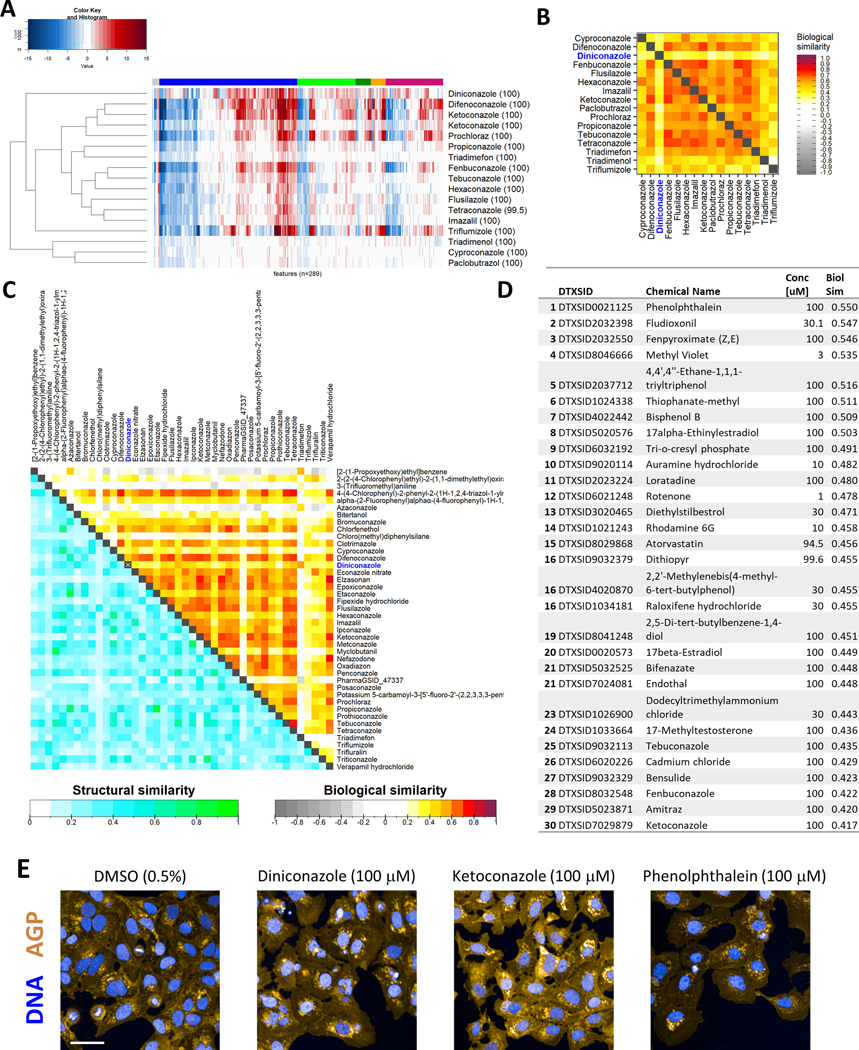
'Cell Painting' is an imaging-based high-throughput phenotypic profiling (HTPP) method in which cultured cells are fluorescently labeled to visualize subcellular structures (i.e., nucleus, nucleoli, endoplasmic reticulum, cytoskeleton, Golgi apparatus / plasma membrane and mitochondria) and to quantify morphological changes in response to chemicals or other perturbagens. HTPP is a high-throughput and cost-effective bioactivity screening method that detects effects associated with many different molecular mechanisms in an untargeted manner, enabling rapid in vitro hazard assessment for thousands of chemicals. Here, 1201 chemicals from the ToxCast library were screened in concentration-response up to ∼100 μM in human U-2 OS cells using HTPP. A phenotype altering concentration (PAC) was estimated for chemicals active in the tested range. PACs tended to be higher than lower bound potency values estimated from a broad collection of targeted high-throughput assays, but lower than the threshold for cytotoxicity. In vitro to in vivo extrapolation (IVIVE) was used to estimate administered equivalent doses (AEDs) based on PACs for comparison to human exposure predictions. AEDs for 18/412 chemicals overlapped with predicted human exposures. Phenotypic profile information was also leveraged to identify putative mechanisms of action and group chemicals. Of 58 known nuclear receptor modulators, only glucocorticoids and retinoids produced characteristic profiles; and both receptor types are expressed in U-2 OS cells. Thirteen chemicals with profile similarity to glucocorticoids were tested in a secondary screen and one chemical, pyrene, was confirmed by an orthogonal gene expression assay as a novel putative GR modulating chemical. Most active chemicals demonstrated profiles not associated with a known mechanism-of-action. However, many structurally related chemicals produced similar profiles, with exceptions such as diniconazole, whose profile differed from other active conazoles. Overall, the present study demonstrates how HTPP can be applied in screening-level chemical assessments through a series of examples and brief case studies.
Keywords: Cell Painting; Computational toxicology; Concentration-response; High-throughput phenotypic profiling.
Published by Elsevier Inc.
Conflict of interest statement
Declaration of Competing Interest The authors declare no conflict of interest. This manuscript has been reviewed by the Center for Computational Toxicology and Exposure, Office of Research and Development, U.S. Environmental Protection Agency, and approved for publication. Approval does not signify that the contents reflect the views of the Agency, nor does mention of trade names or commercial products constitute endorsement or recommendation for use.
Figures
References
-
- Baltazar MT, Cable S, Carmichael PL, Cubberley R, Cull T, Delagrange M, Dent MP, Hatherell S, Houghton J, Kukic P, Li H, Lee M-Y, Malcomber S, Middleton AM, Moxon TE, Nathanail AV, Nicol B, Pendlington R, Reynolds G, Reynolds J, White A, Westmoreland C, 2020. A Next-Generation Risk Assessment Case Study for Coumarin in Cosmetic Products. Toxicological sciences : an official journal of the Society of Toxicology 176, 236–252. - PMC - PubMed
-
- Bougen-Zhukov N, Loh SY, Lee HK, Loo LH, 2017. Large-scale image-based screening and profiling of cellular phenotypes. Cytometry A 91, 115–125. - PubMed
Publication types
MeSH terms
Grants and funding
LinkOut - more resources
Full Text Sources
